



EU 21st Sanctions Package Reshapes Cross-Border Trade | Seller Compliance Urgency
- 31 additional Russian banks sanctioned, energy sector targeted, payment processing disrupted for EU-Russia trade corridor affecting 15,000+ cross-border sellers


Overview
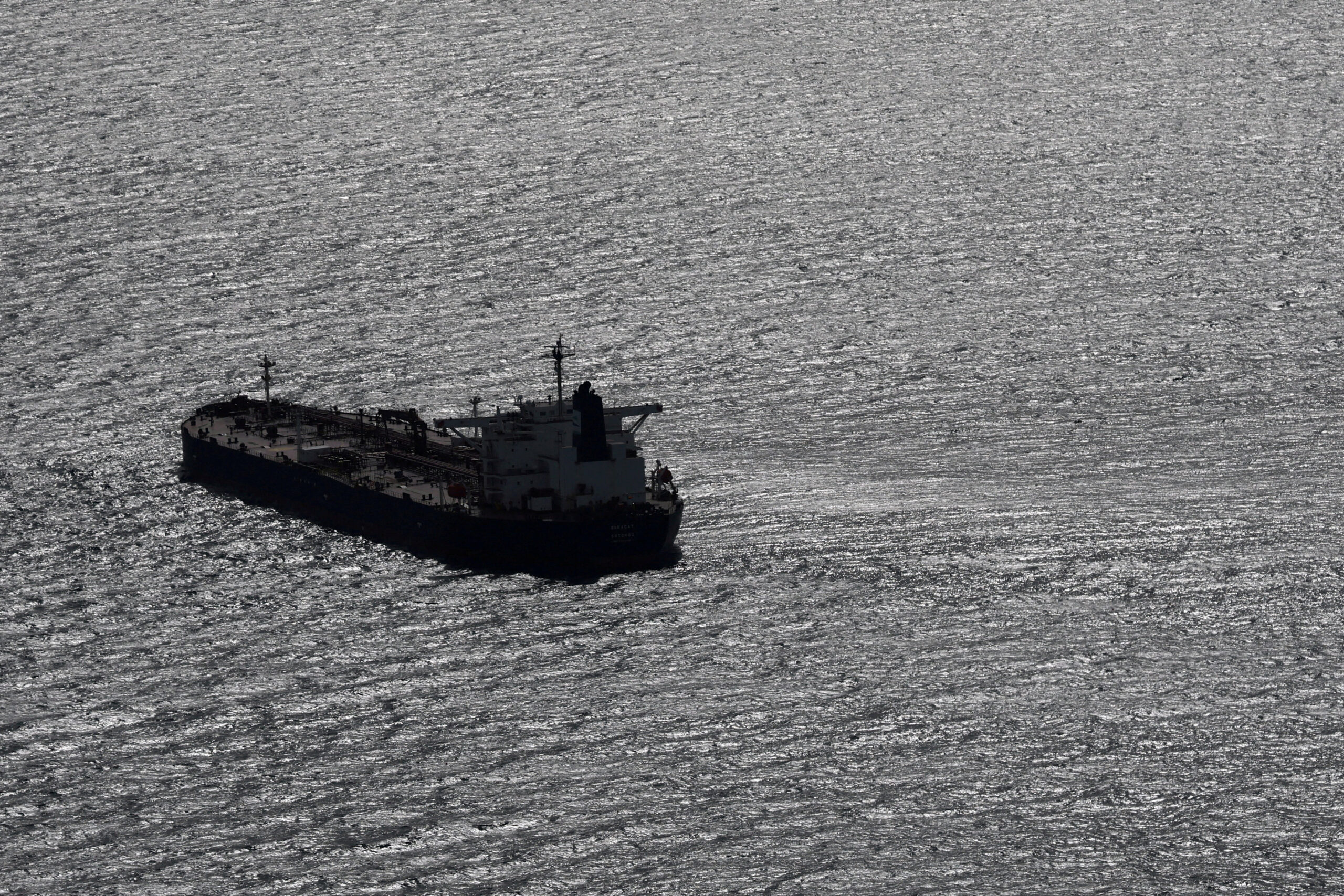
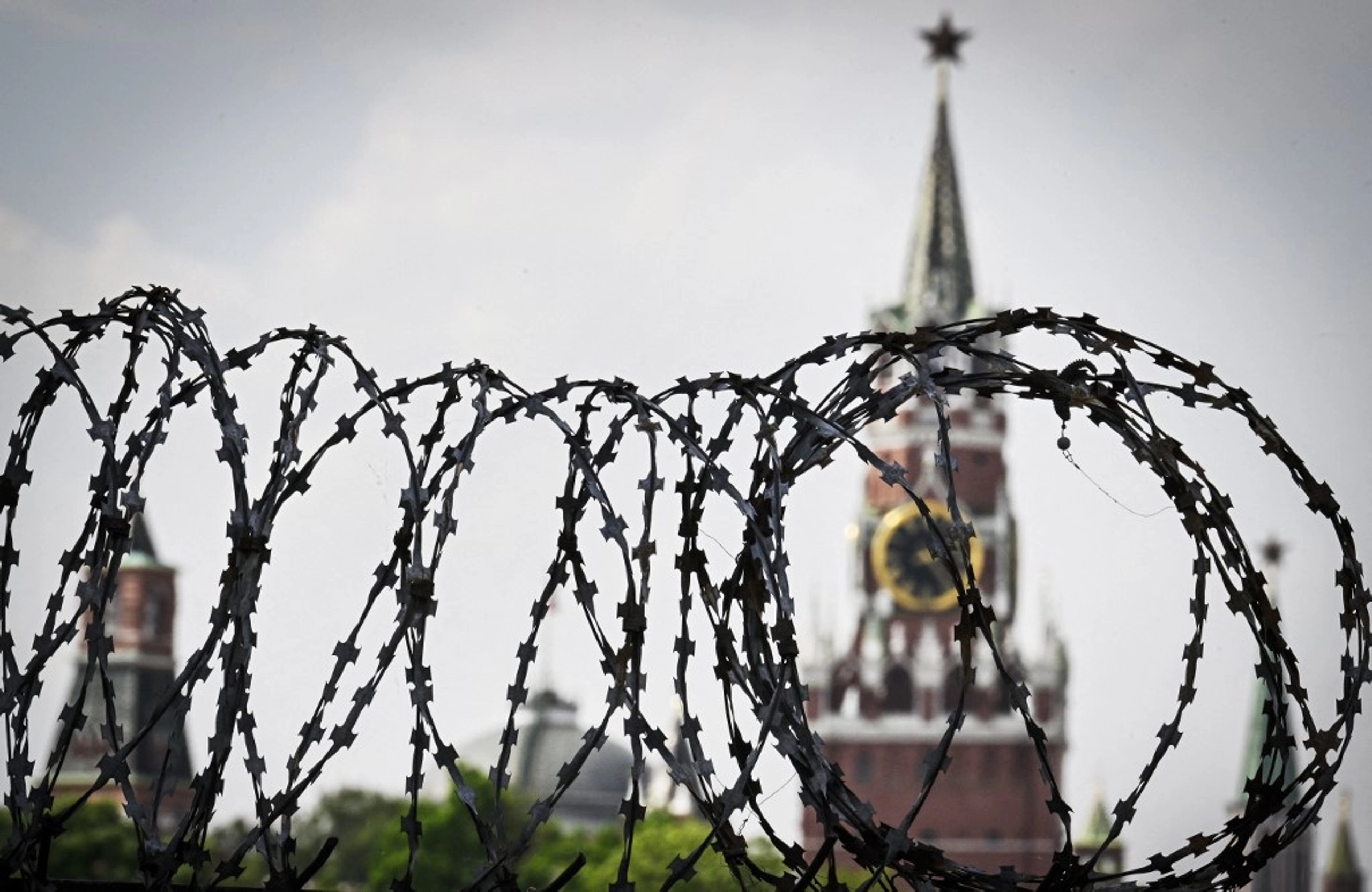
The European Union's 21st sanctions package, announced by Commission President Ursula von der Leyen on June 9, 2026, represents a critical escalation in trade restrictions targeting Russia's financial infrastructure, energy sector, and maritime operations. The package sanctions 31 additional Russian banks, expands the "shadow fleet" designation by 30 vessels (bringing the total to 662 circumventing oil sanctions), and maintains an oil price cap at $44.10 per barrel through January 2025. This marks a fundamental shift in EU economic statecraft independent of U.S. policy coordination, establishing precedent for future trade restrictions that directly impact cross-border e-commerce operations.
For cross-border sellers, the operational implications are immediate and severe. EU sellers exporting to Russia face dramatically increased compliance complexity due to expanded banking restrictions affecting payment processing, wire transfers, and settlement mechanisms. The sanctions specifically target Russia's energy sector—historically a critical revenue source for the Kremlin—and banking infrastructure that facilitates international transactions. Sellers importing Russian goods or energy-dependent products (metals, alloys critical to aerospace/defense industries) will experience supply disruptions and cost increases of 15-25% as logistics routing becomes constrained. Payment processing delays are expected to extend from 5-7 days to 15-30 days as transactions route through non-sanctioned intermediaries, directly impacting cash flow for sellers with Russian exposure.
The competitive landscape shifts dramatically across seller segments. Small and medium-sized EU sellers (€500K-€5M annual revenue) with Russian customer bases face the highest compliance burden, as they lack dedicated legal/compliance teams to navigate the evolving sanctions architecture. Large multinational sellers (€50M+ revenue) can absorb compliance costs and redirect inventory to alternative markets (Turkey, UAE, Southeast Asia) more efficiently. The sanctions also create arbitrage opportunities for sellers positioned in non-EU markets—Turkish, UAE, and Indian sellers can now capture market share previously held by EU competitors, as Russian buyers increasingly source through indirect channels to circumvent sanctions. Energy-dependent product categories (industrial equipment, electronics components, metals/alloys) see 20-30% margin compression as sourcing costs rise and logistics complexity increases.
Strategic sourcing shifts are already underway. Sellers previously sourcing from Russia for metals, alloys, and energy products must immediately diversify to alternative suppliers in Kazakhstan, Kyrgyzstan, and Central Asia, with transition timelines of 60-90 days. The EU's commitment to "brick by brick" collapsing Russia's war economy signals this is not a temporary measure—sellers should plan for 18-24 month sanctions persistence minimum. The precedent established by the 21st package indicates future sanctions iterations will target additional sectors, making compliance infrastructure investment essential for any seller with EU operations or Russian customer exposure.
Questions 8
Which product categories face the highest supply disruption from Russia energy sanctions?
Metals and alloys critical to aerospace and defense industries face immediate supply constraints, with sourcing costs rising 20-30% as Russian suppliers become inaccessible. Industrial equipment, electronics components, and energy-dependent manufacturing inputs are most affected. The EU's oil price cap at $44.10 per barrel through January 2025 creates additional cost pressures for sellers importing energy-intensive products. Sellers in these categories should immediately diversify sourcing to Kazakhstan, Kyrgyzstan, and Central Asian suppliers, with transition timelines of 60-90 days. Alternative suppliers typically charge 15-25% premiums during transition periods, directly compressing margins for sellers unable to absorb costs.
What compliance requirements must EU sellers implement to avoid sanctions violations?
EU sellers must implement OFAC-equivalent screening protocols to verify customer locations and transaction purposes, avoiding any transactions with sanctioned Russian entities or individuals. The EU's sanctions architecture requires sellers to maintain transaction documentation for 5+ years and conduct quarterly compliance audits. Failure to comply results in fines of €50,000-€500,000 per violation, plus potential criminal liability for executives. Sellers should implement third-party compliance software (Refinitiv, Dun & Bradstreet sanctions screening) costing €200-500/month. Shopify and WooCommerce have integrated sanctions screening tools; sellers on these platforms should activate compliance modules immediately. Legal review of existing Russian customer contracts is essential by June 30, 2026.