


CFPB Director Shift Signals Reduced Payment Compliance Costs for E-Commerce Sellers
- Brian Johnson's June 2026 nomination could ease regulatory burden on payment processors and fintech platforms serving 2M+ cross-border sellers
















Overview
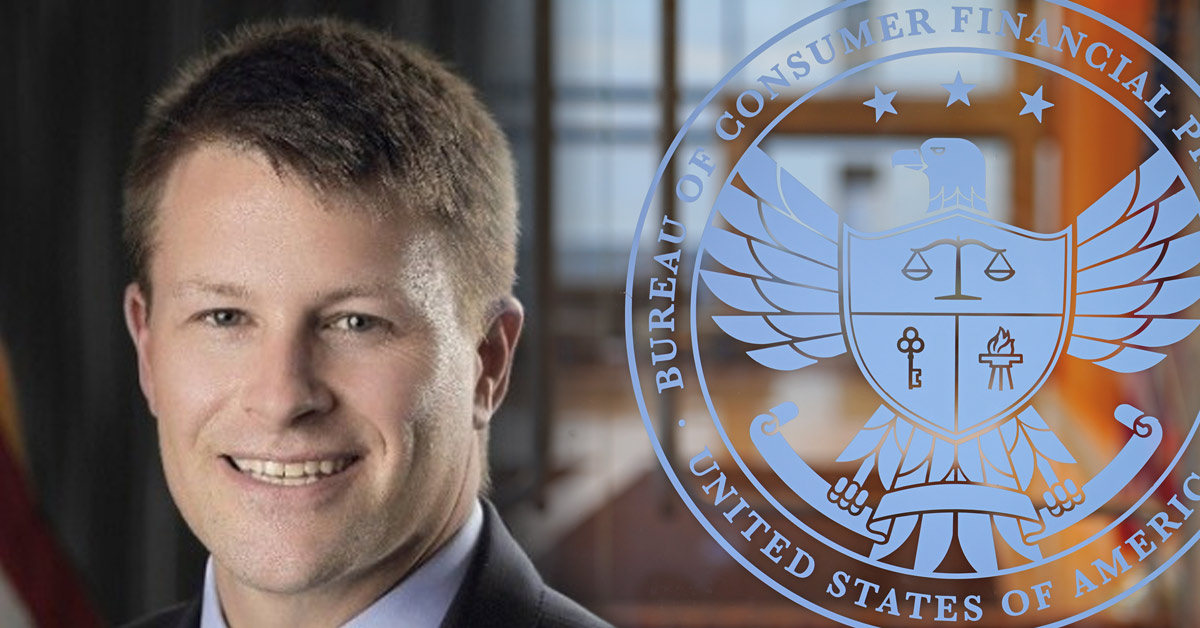
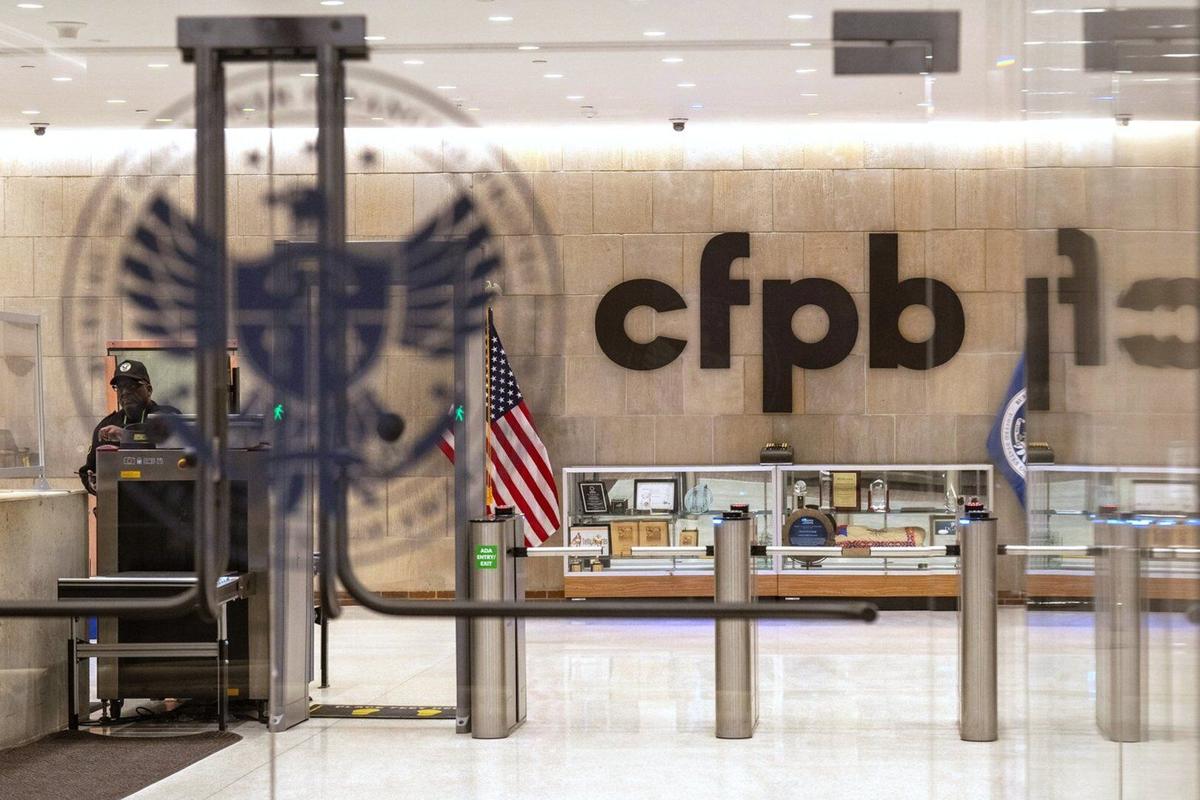
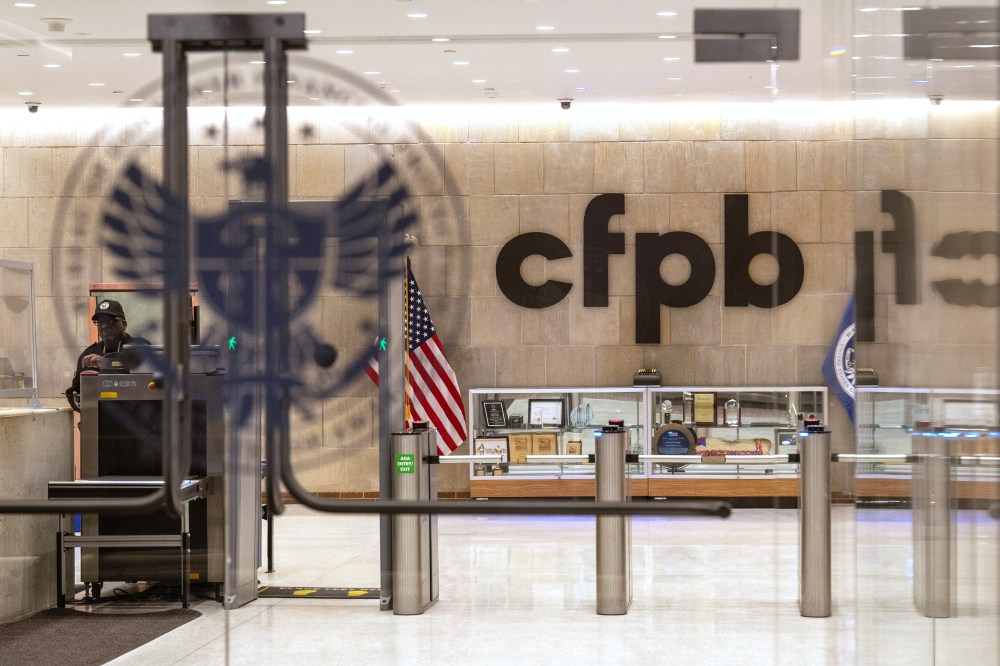
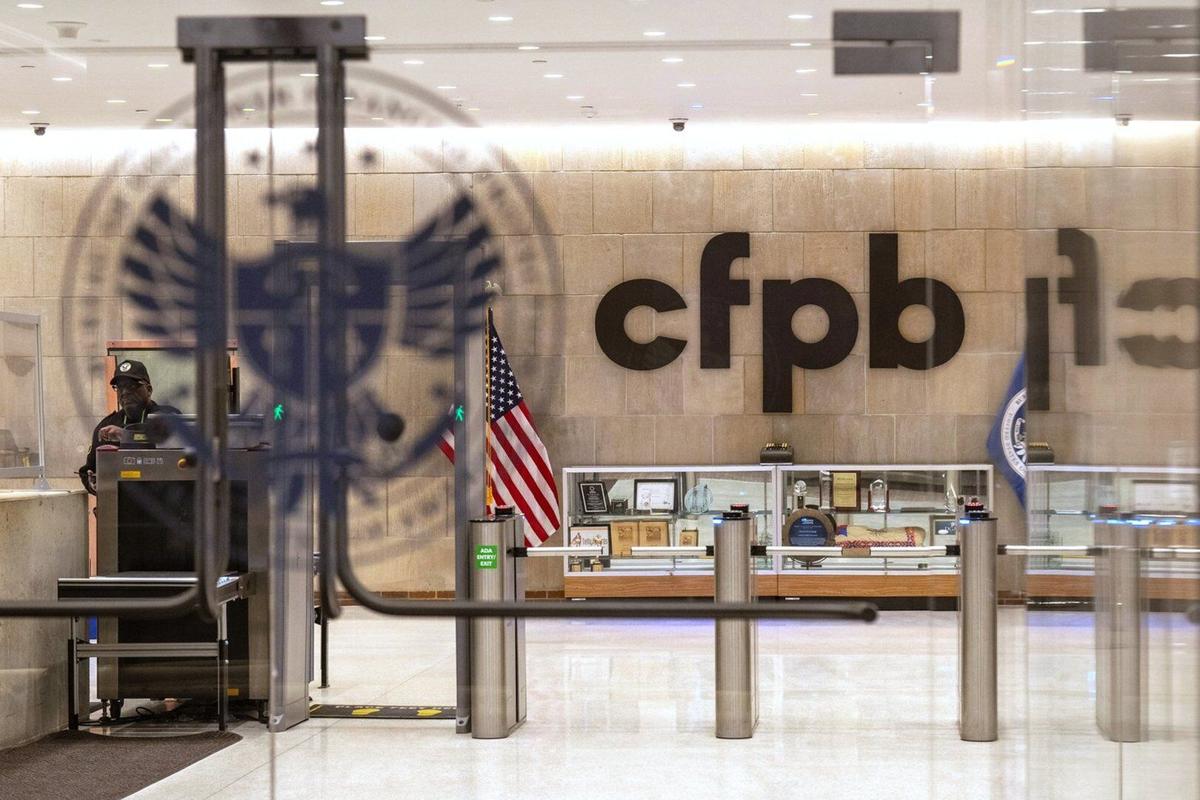
The Consumer Financial Protection Bureau (CFPB) faces a transformative leadership transition that directly impacts e-commerce payment infrastructure and seller compliance obligations. On June 10, 2026, President Trump nominated Brian Johnson, a former CFPB deputy director and current Capital One executive, to lead the agency for a five-year term pending Senate confirmation. Johnson's appointment signals a fundamental policy shift toward reduced regulatory enforcement and scaled-back consumer protection initiatives—a departure from the agency's post-2008 financial crisis mandate. The CFPB currently operates under severe operational constraints, with the agency facing potential funding exhaustion and Massachusetts plus 20 other states filing lawsuits to challenge defunding efforts. This regulatory environment creates a critical window for e-commerce sellers to reassess payment processing compliance strategies.
For cross-border e-commerce sellers, Johnson's leadership direction carries immediate operational implications. The CFPB historically enforces strict compliance requirements on payment processors, fintech platforms, and marketplace operators handling consumer transactions—affecting Amazon Pay, Shopify Payments, PayPal, and third-party payment gateways used by 2M+ international sellers. Johnson's documented opposition to CFPB regulatory independence and his testimony favoring reduced agency funding suggest enforcement priorities will shift away from aggressive compliance audits. Sellers currently managing payment processor compliance costs ($500-2,000 annually for mid-sized operations) may experience reduced regulatory scrutiny, potentially lowering operational expenses by 15-25% as the agency unwinds previous regulatory work. However, this deregulation creates counterbalancing risks: weakened consumer complaint mechanisms could increase chargeback rates and reputational damage if payment disputes escalate unchecked.
The regulatory uncertainty extends across multiple seller segments and geographic markets. Sellers offering financing options, installment payment plans, or credit products face the most direct impact, as the CFPB's consumer lending oversight directly governs these offerings. Payment processors serving EU-based sellers shipping to US markets must monitor CFPB policy changes, as data privacy and payment security guidance may be relaxed—potentially creating compliance gaps between US and EU regulatory standards. The agency's consumer complaint database, which tracks financial industry violations, faces potential degradation under resource constraints, reducing transparency for sellers evaluating payment processor reliability. Marketplace operators on Amazon, eBay, and Shopify should prepare for a 6-12 month transition period during Senate confirmation and Johnson's agency restructuring, during which regulatory guidance may become inconsistent or delayed.
Questions 8
How will Brian Johnson's CFPB leadership affect payment processor compliance costs for e-commerce sellers?
Johnson's nomination signals reduced regulatory enforcement intensity at the CFPB, potentially lowering compliance costs by 15-25% for sellers managing payment processor obligations. As a vocal critic of CFPB regulatory independence, Johnson has testified in favor of reducing agency funding and enforcement actions. Sellers currently spending $500-2,000 annually on payment compliance may see reduced audit frequency and less stringent documentation requirements. However, this deregulation could increase chargeback rates and consumer disputes if payment processor oversight weakens, creating offsetting reputational risks that sellers must monitor closely.
Which e-commerce seller segments face the most direct impact from CFPB leadership changes?
Sellers offering financing options, installment payment plans, or credit products face the most direct CFPB oversight, as the agency regulates consumer lending practices. Payment processors serving cross-border sellers (Amazon Pay, Shopify Payments, PayPal) will experience policy shifts affecting data privacy and payment security guidance. Marketplace operators on Amazon, eBay, and Shopify must monitor changes to consumer dispute resolution requirements and refund handling standards. Sellers in the US market shipping internationally should prepare for potential regulatory gaps between US and EU compliance standards as CFPB enforcement priorities shift.