


Rivian R2 Q4 2025 Profitability Target Signals EV Supply Chain Opportunity for Sellers
- 70,000+ R2 reservations unlock 460,000 annual production capacity; EV market expansion drives demand for automotive accessories, charging infrastructure, and tech-enabled vehicle products

Overview
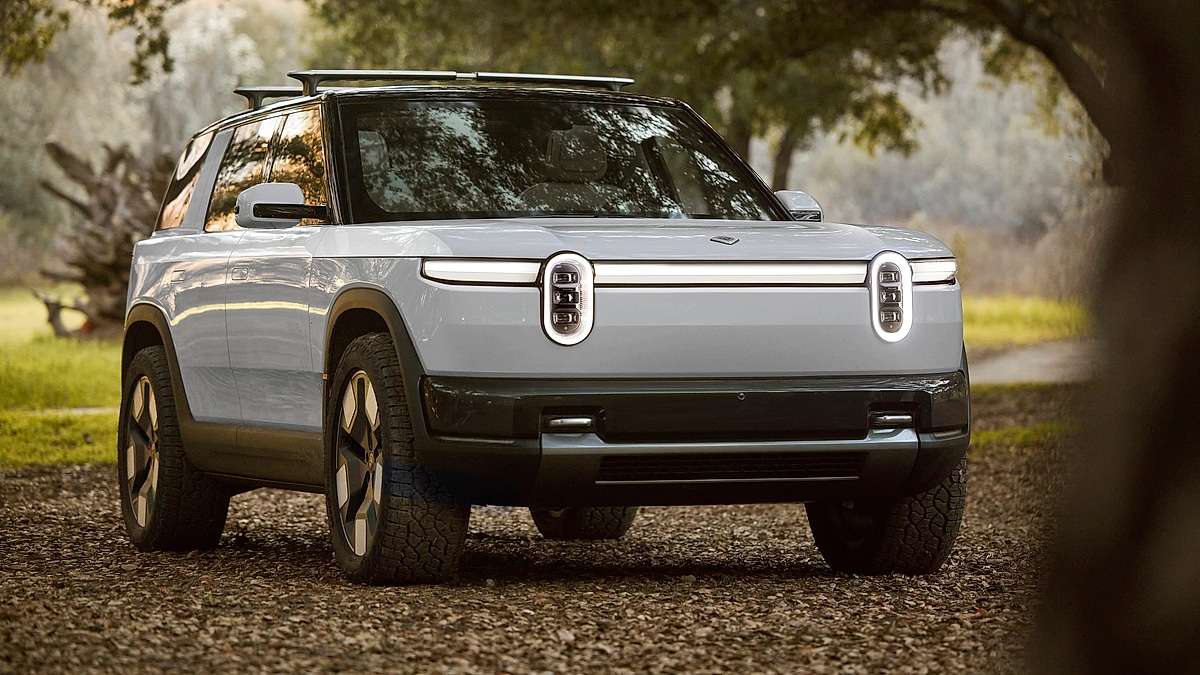
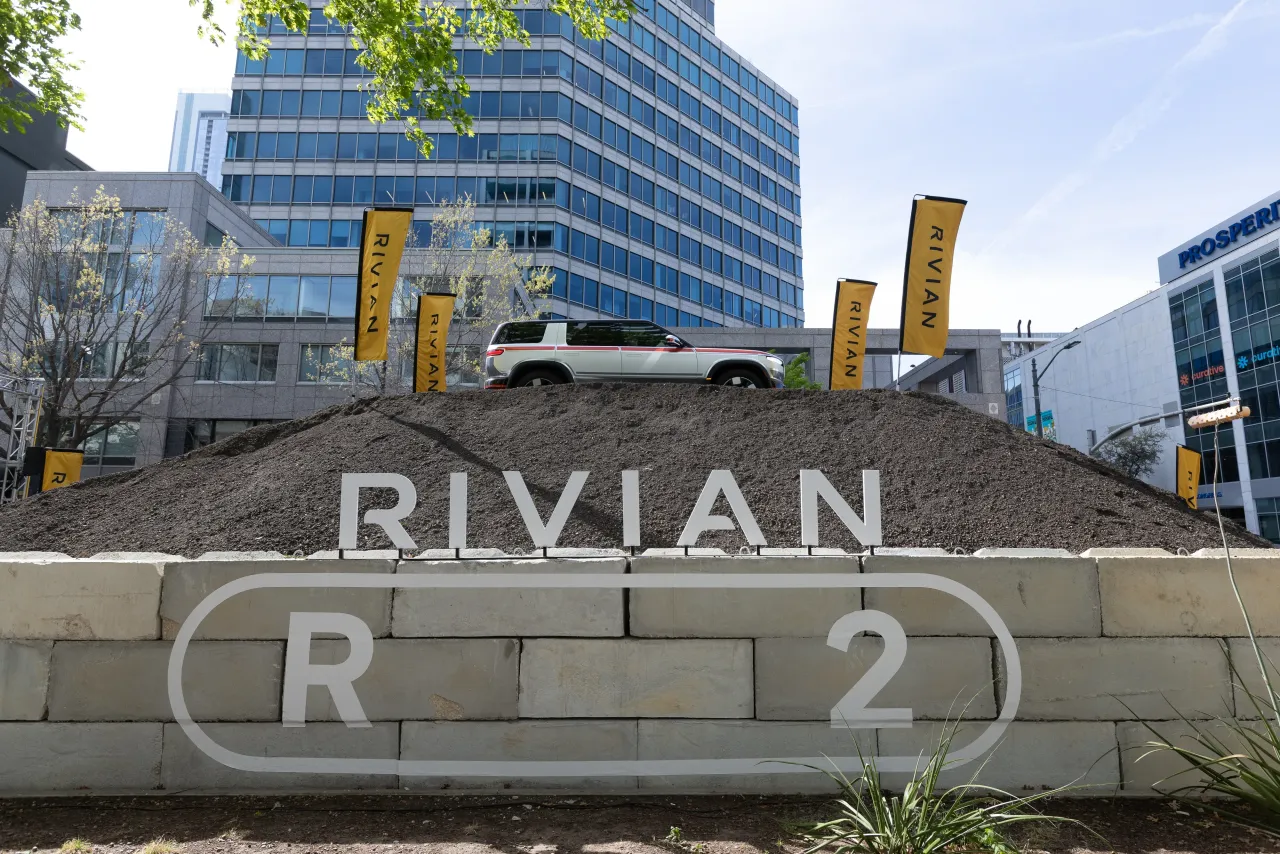
Rivian's strategic roadmap represents a critical inflection point for the EV market and cross-border sellers. CEO RJ Scaringe confirmed the R2 will achieve per-vehicle profitability by Q4 2025, with 70,000+ reservations as of March 2024 and combined production capacity of 460,000 units annually (160,000 from Normal facility, 300,000 from Georgia plant's first phase). This milestone validates Rivian's direct-to-consumer distribution model and vertically integrated supply chain—a blueprint increasingly adopted by emerging automotive brands selling through e-commerce channels.
Market Expansion Implications for Sellers: The U.S. EV market currently represents just 8% of vehicle sales (vs. 19% in Europe, 33% in China), indicating massive growth runway. Scaringe's assertion that market concentration—50% of U.S. EV share from Tesla Model 3/Y—reflects product scarcity rather than consumer resistance signals accelerating demand for EV-adjacent products. Rivian's R2 targets buyers seeking alternatives to Tesla's design philosophy, with boxier styling and off-road capability appealing to adventure-focused demographics. This creates immediate opportunities in automotive accessories (roof racks, cargo systems, adventure gear), EV charging solutions, and software-enabled vehicle products.
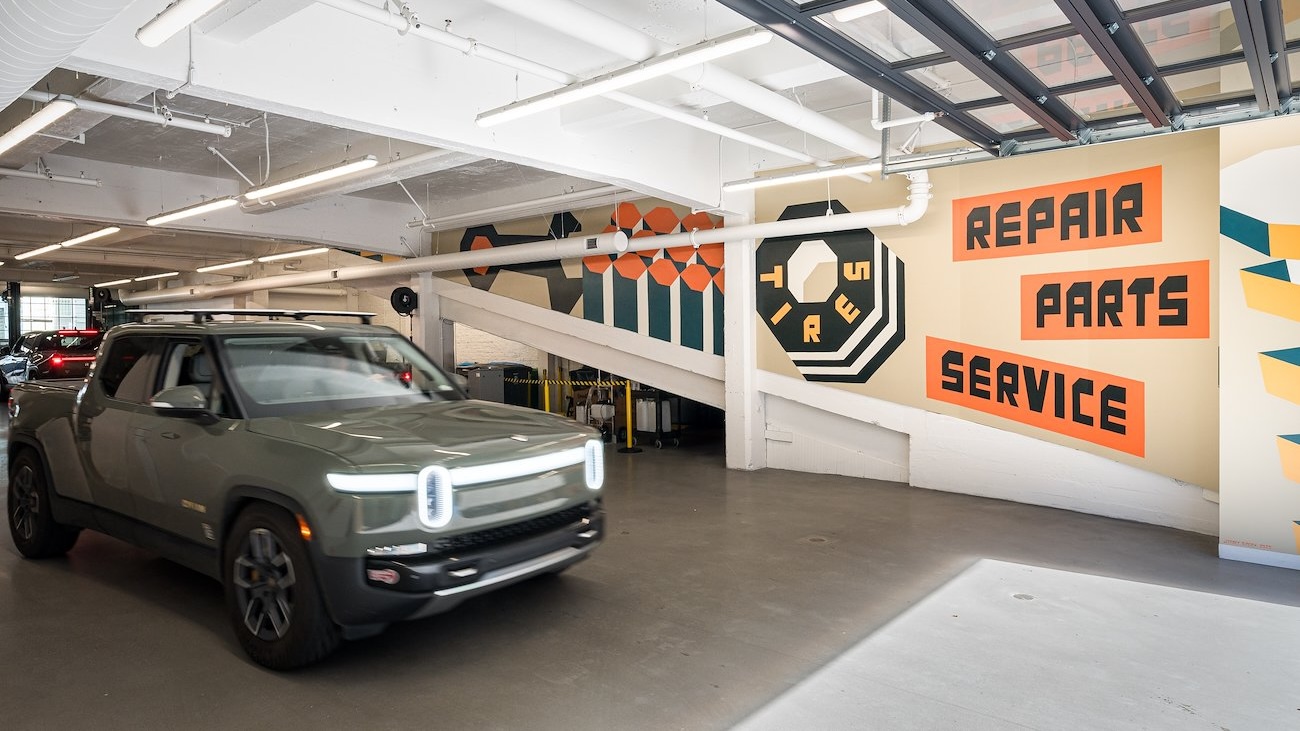
Supply Chain and Manufacturing Insights: Rivian's vertical integration across high-voltage systems, motors, drivetrains, and service channels demonstrates the competitive advantage of controlling critical components. The Georgia facility's planned production of R3 and undisclosed RAD variants suggests a multi-tier product strategy mirroring Tesla's approach. For sellers, this indicates sustained demand for component-level products, battery management systems, and aftermarket electronics. The company's acknowledged service scaling challenges—now reportedly improving—highlight opportunities for third-party service providers and diagnostic tool sellers on Amazon, eBay, and Shopify.
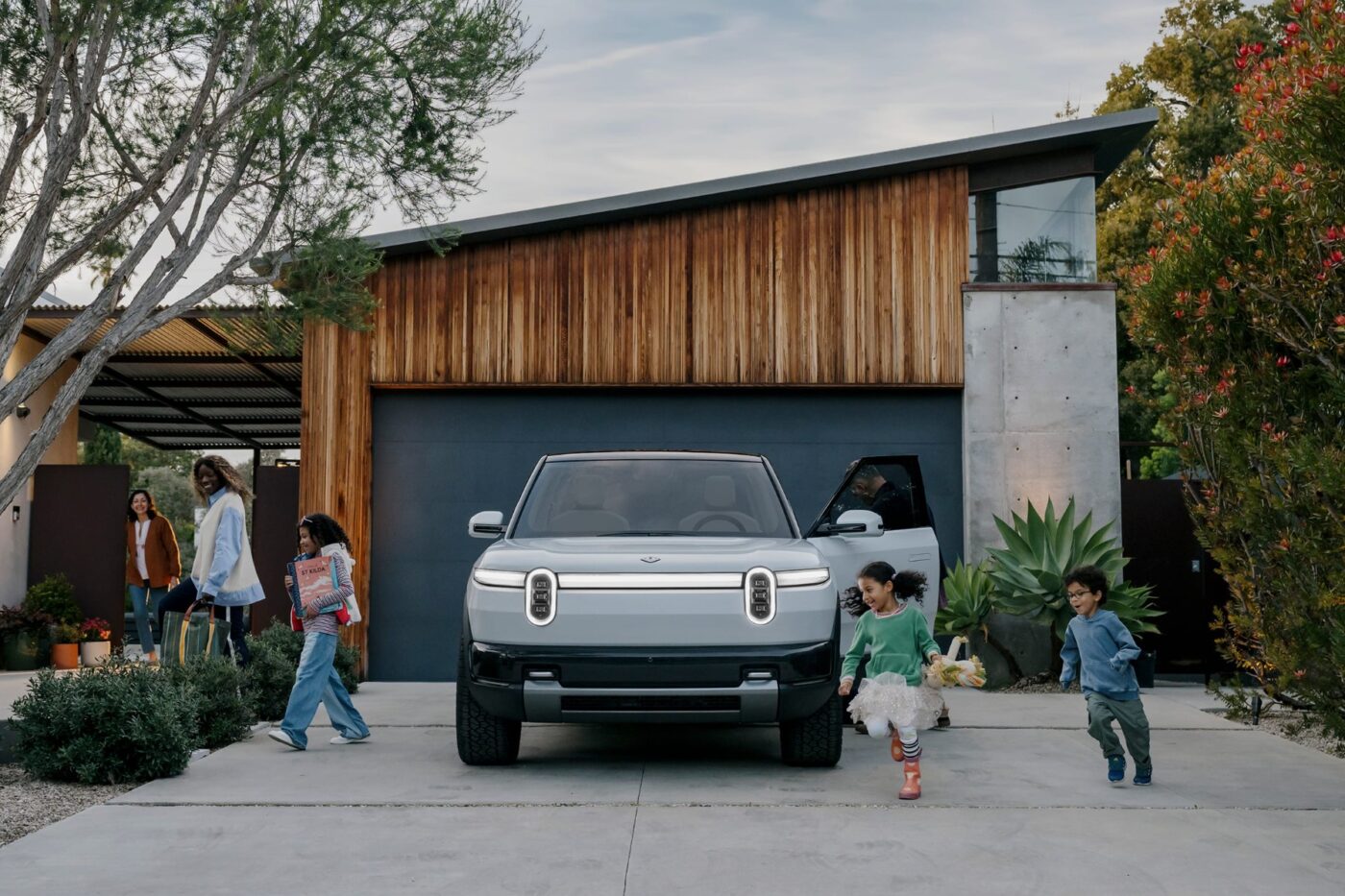
Consumer Behavior Shift: Scaringe's R2 launch in June and emphasis on the Rivian Adventure Network expansion reveal a demographic pivot toward lifestyle-integrated EV ownership. This contrasts with Tesla's tech-first positioning and signals growing consumer appetite for vehicles aligned with outdoor recreation, sustainability values, and community engagement. Sellers in outdoor gear, adventure travel, and eco-conscious product categories should anticipate cross-selling opportunities as R2 owners seek complementary products. The joint venture with Volkswagen Group to develop competitive software-defined EVs indicates accelerating innovation cycles, requiring sellers to monitor emerging product categories quarterly rather than annually.
Questions 8
What does Rivian's R2 profitability target mean for automotive accessory sellers?
Rivian's Q4 2025 per-vehicle profitability milestone validates the company's business model and signals sustained production ramp. With 70,000+ reservations and 460,000 annual production capacity, sellers can expect 200,000-300,000 R2 vehicles on U.S. roads by 2026. This creates immediate demand for roof racks, cargo systems, interior accessories, and adventure-focused products. Sellers should begin sourcing R2-compatible products now, as early-adopter owners typically spend 15-25% of vehicle purchase price on aftermarket accessories within 12 months of ownership.
How does Rivian's vertical integration strategy affect third-party sellers?
Rivian's control over high-voltage systems, motors, drivetrains, and service channels creates opportunities for complementary products rather than direct competition. Third-party sellers can focus on diagnostic tools, battery management software, charging solutions, and service-related products that enhance the R2 ecosystem. The company's acknowledged service scaling challenges indicate demand for independent service providers and diagnostic equipment on Amazon and eBay. Sellers should position products as 'R2-compatible' or 'Rivian-approved' to capture search traffic from the growing owner community.