



China-North Korea Strategic Realignment June 2026 | Supply Chain Risk & Tariff Arbitrage Opportunities for Cross-Border Sellers
- Geopolitical tensions between US-China-North Korea create supply chain volatility; sellers face tariff uncertainty and sanctions compliance complexity affecting electronics, machinery, and rare earth product categories
Overview
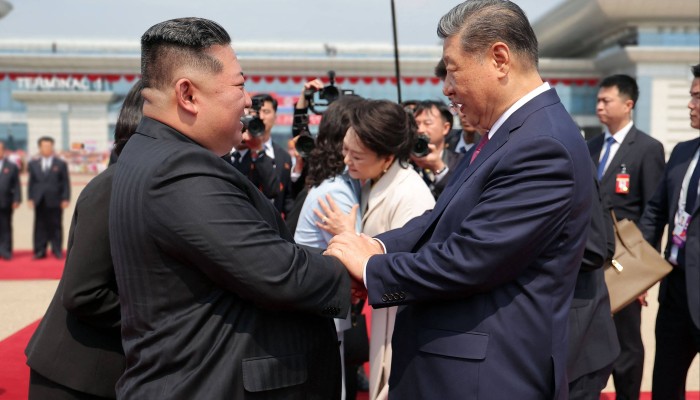
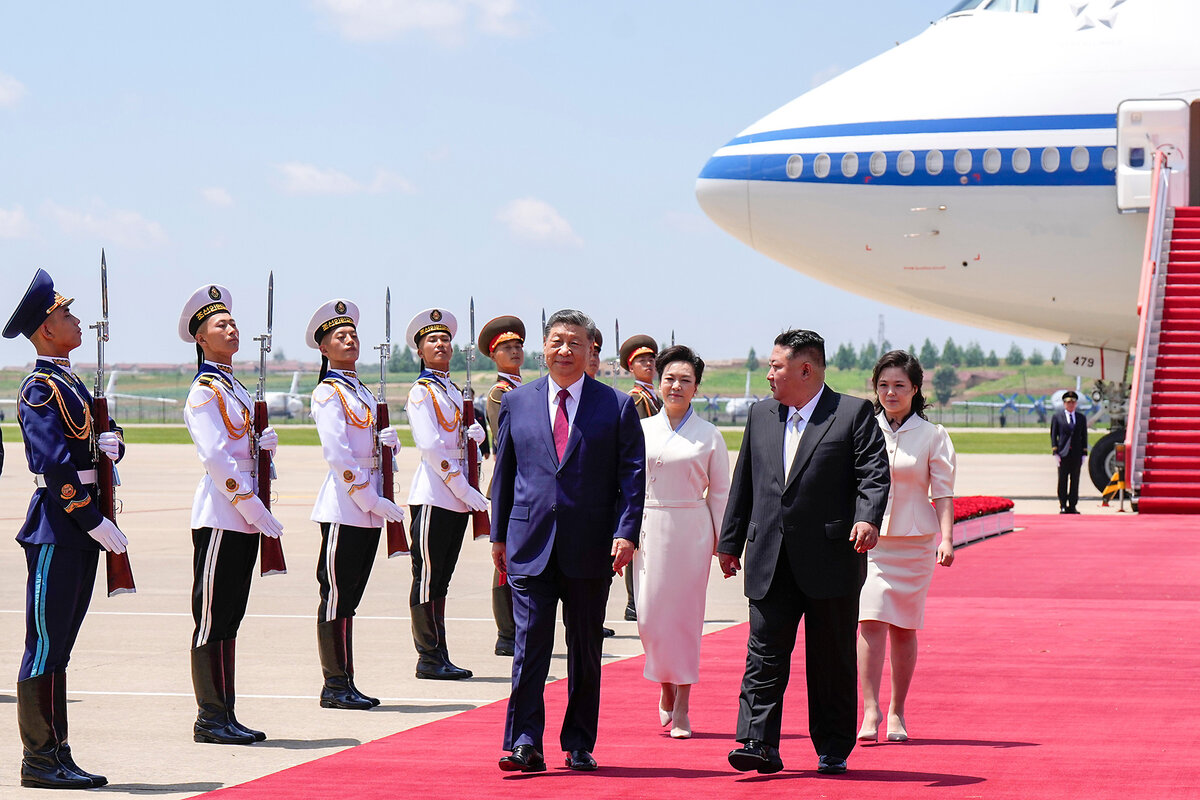
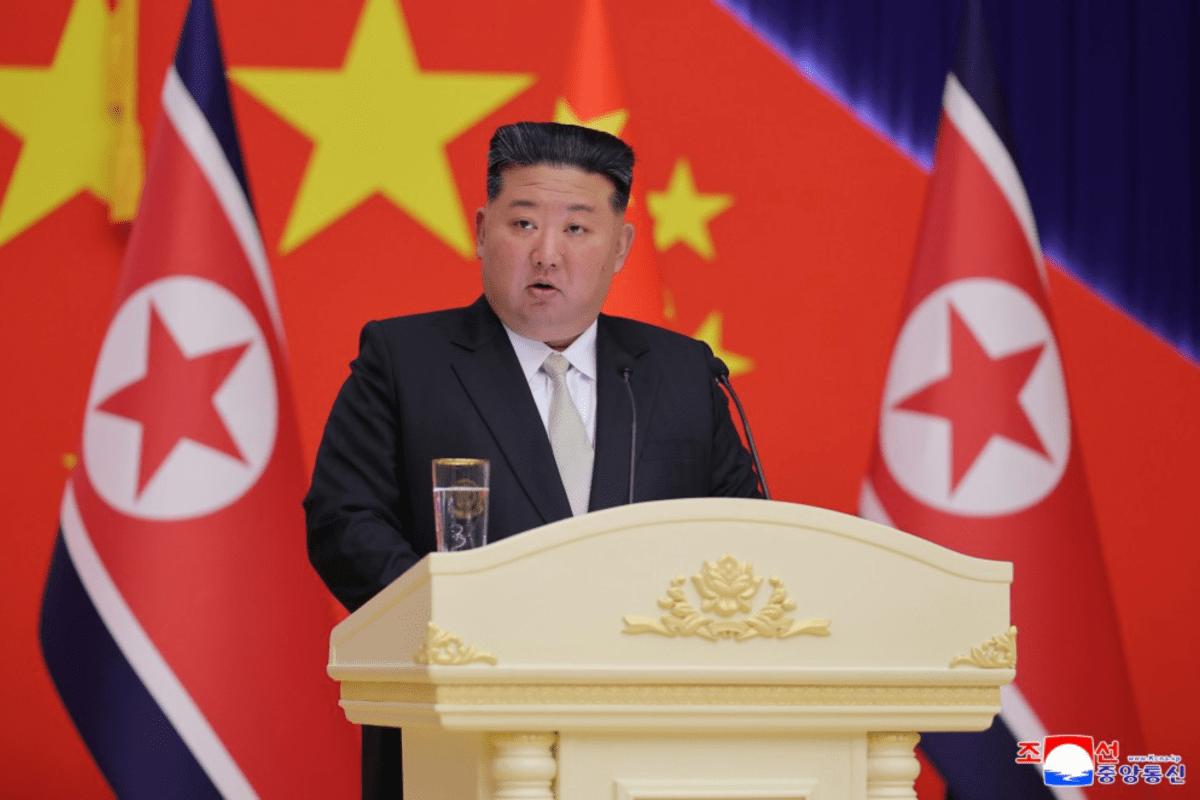
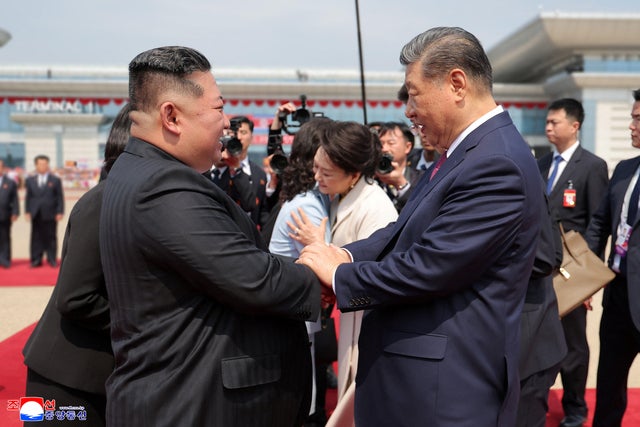
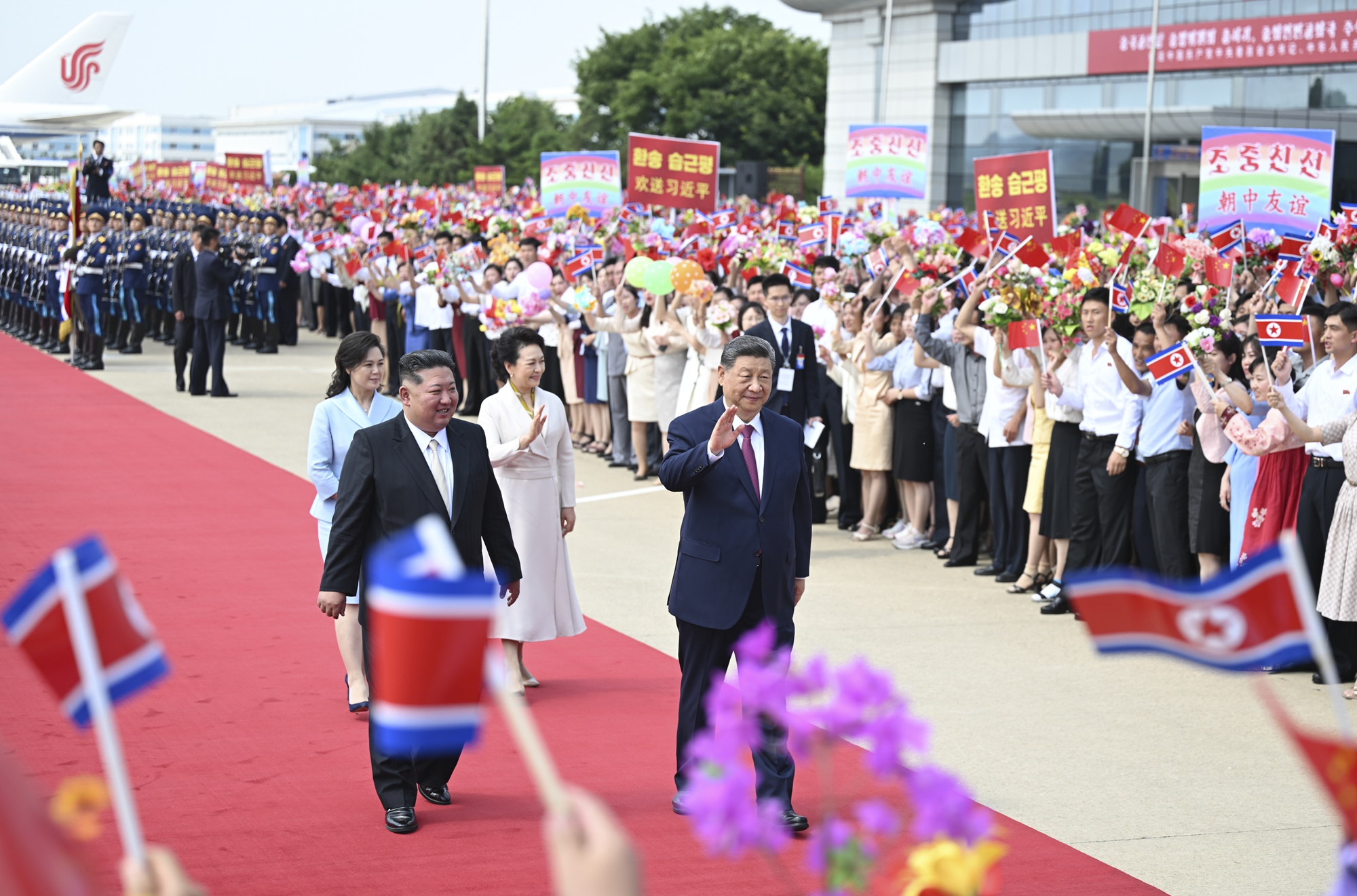
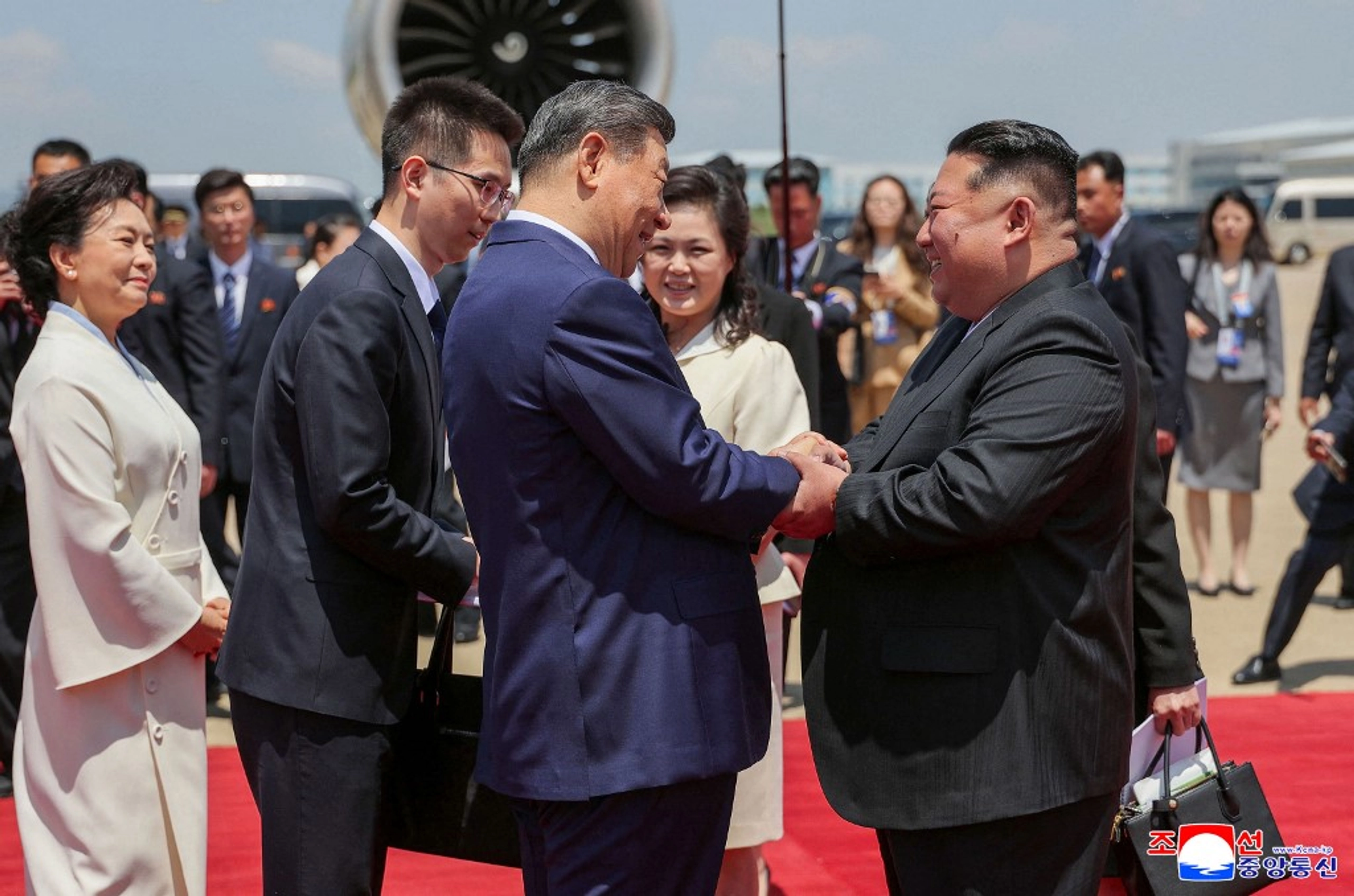
Xi Jinping's June 10, 2026 state visit to North Korea marks a critical geopolitical inflection point with direct implications for cross-border e-commerce supply chains, tariff structures, and market access strategies. The summit, framed as deepening "bilateral ties" around trade and economic partnerships, signals China's determination to maintain influence over an increasingly assertive Kim Jong Un—who has fundamentally shifted North Korea's strategic posture from seeking U.S. engagement to confronting America since 2023. For cross-border sellers, this realignment creates three immediate operational challenges: (1) Supply Chain Volatility Risk: China's deepening military and economic coordination with North Korea, coupled with Russia's expanding weapons/financial support to Pyongyang, increases geopolitical friction that could disrupt manufacturing hubs in Northeast Asia. Sellers sourcing electronics, machinery, and industrial components from China face potential logistics delays and port congestion if U.S.-China tensions escalate around Korean Peninsula dynamics. (2) Tariff Arbitrage Window Closing: The 65th anniversary of the China-North Korea defense treaty (July 2026) and anticipated military cooperation announcements could trigger new U.S. sanctions or tariff escalations targeting Chinese exports. Sellers currently exploiting tariff differentials between China and alternative sourcing countries (Vietnam, India, Indonesia) should accelerate inventory positioning before potential tariff rate increases on HS codes 8471-8517 (electronics/machinery). (3) Sanctions Compliance Complexity: North Korea's "irreversible" nuclear status and Kim's three strategic objectives (diminishing U.S. standing, Korean reunification, peer status with China/Russia) increase OFAC/export control scrutiny. Sellers must audit supply chains for any indirect North Korean inputs or Chinese intermediaries with DPRK connections—violations carry $250K-$1M penalties plus criminal liability. Market Access Implications: China's pivot toward deeper North Korea integration signals reduced U.S.-China cooperation on trade normalization. Sellers betting on tariff reductions or Phase 2 trade deal progress should recalibrate expectations; instead, prepare for prolonged tariff uncertainty (12-24 months) and potential new restrictions on dual-use technology exports. The visit demonstrates Beijing's commitment to regional autonomy over U.S. pressure, suggesting tariff rollbacks are unlikely in 2026-2027. Competitive Advantage Shift: Large sellers with diversified sourcing (China + Vietnam + India) and robust compliance infrastructure gain advantage over single-source China-dependent competitors. Mid-market sellers (10-50 SKUs, $500K-$5M annual revenue) face highest risk—insufficient scale for multi-country sourcing but too exposed to China tariff volatility. Consider 3PL providers with Southeast Asia fulfillment networks to hedge geopolitical risk.
Questions 8
Are there OFAC sanctions risks for sellers with indirect North Korea supply chain exposure?
Yes. North Korea's 'irreversible' nuclear status and Kim's strategic objectives to confront the U.S. increase OFAC enforcement scrutiny on supply chains with any DPRK connections. Sellers must audit suppliers for: (1) Direct North Korean inputs (rare earth minerals, textiles); (2) Chinese intermediaries with DPRK trade relationships; (3) Dual-use technology exports (semiconductors, machinery). Violations carry $250K-$1M civil penalties plus criminal liability. Sellers should conduct supply chain audits by July 2026, request OFAC compliance certifications from Chinese suppliers, and use Amazon Seller Central's compliance tools to flag high-risk sourcing. Mid-market sellers (10-50 SKUs) should hire compliance consultants ($5K-$15K) to audit supply chains before Q3 2026.
Which product categories face the highest tariff risk from China-North Korea realignment?
Electronics (HS 8471-8517), machinery (HS 8401-8484), and rare earth materials (HS 2805-2846) face highest tariff risk because they're dual-use technologies that U.S. views as strategic. If military cooperation announcements trigger new sanctions, these categories could see tariff increases of 5-15 percentage points. Apparel (HS 6101-6217) and consumer goods (HS 9401-9406) face lower risk because they're non-strategic. Sellers in electronics/machinery should immediately diversify sourcing: shift 30-40% to Vietnam (tariff 5-8%), 20-30% to India (tariff 8-12%), and maintain 30-40% China sourcing. Apparel sellers can maintain current China sourcing but monitor tariff announcements monthly. Calculate tariff impact: $100K inventory × 20% tariff increase = $20K additional costs.