


Hong Kong Fire Safety Crackdown | Warehouse Compliance & Liability Risks for Cross-Border Sellers
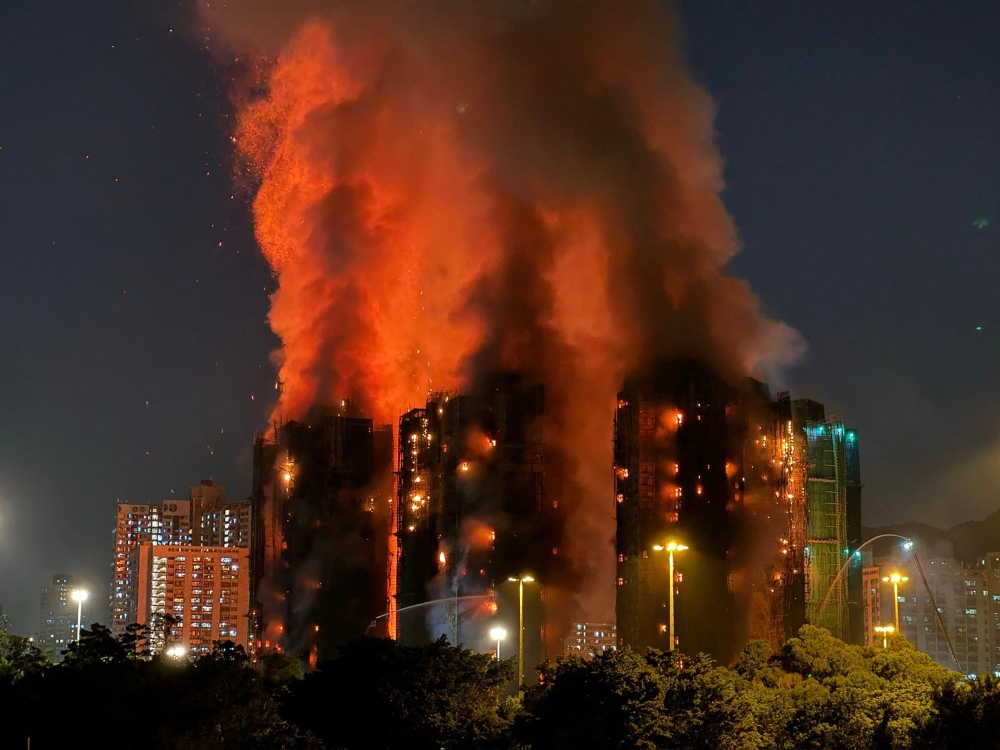
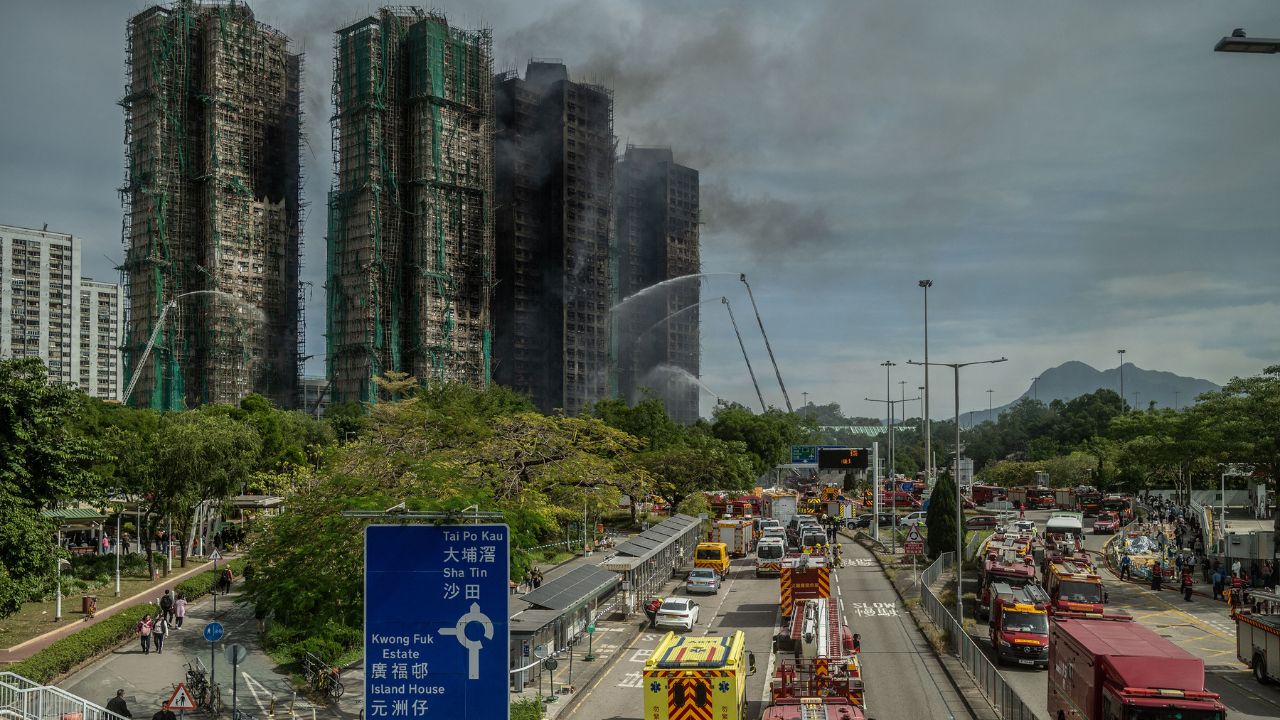
- Manslaughter charges filed June 2026 for November 2025 Wang Fuk Court fire; 168 deaths prompt stricter building codes affecting 3PL/fulfillment operations in Hong Kong












Overview
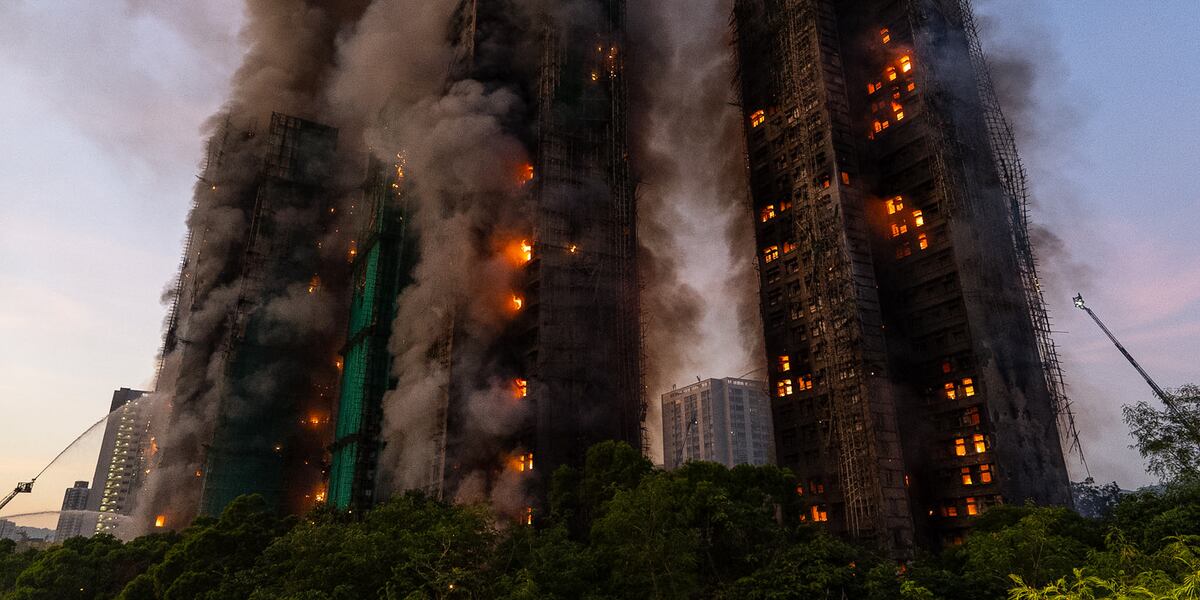
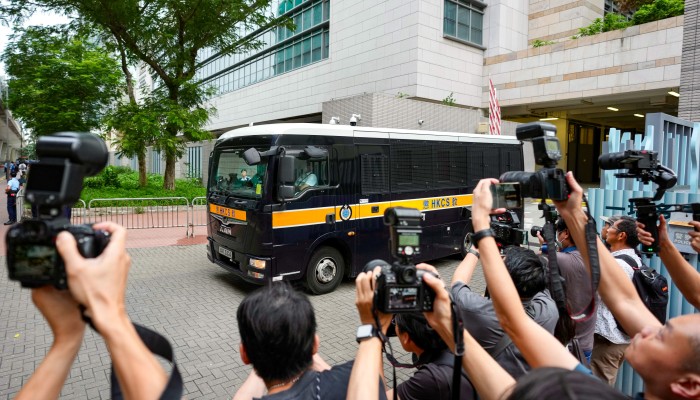
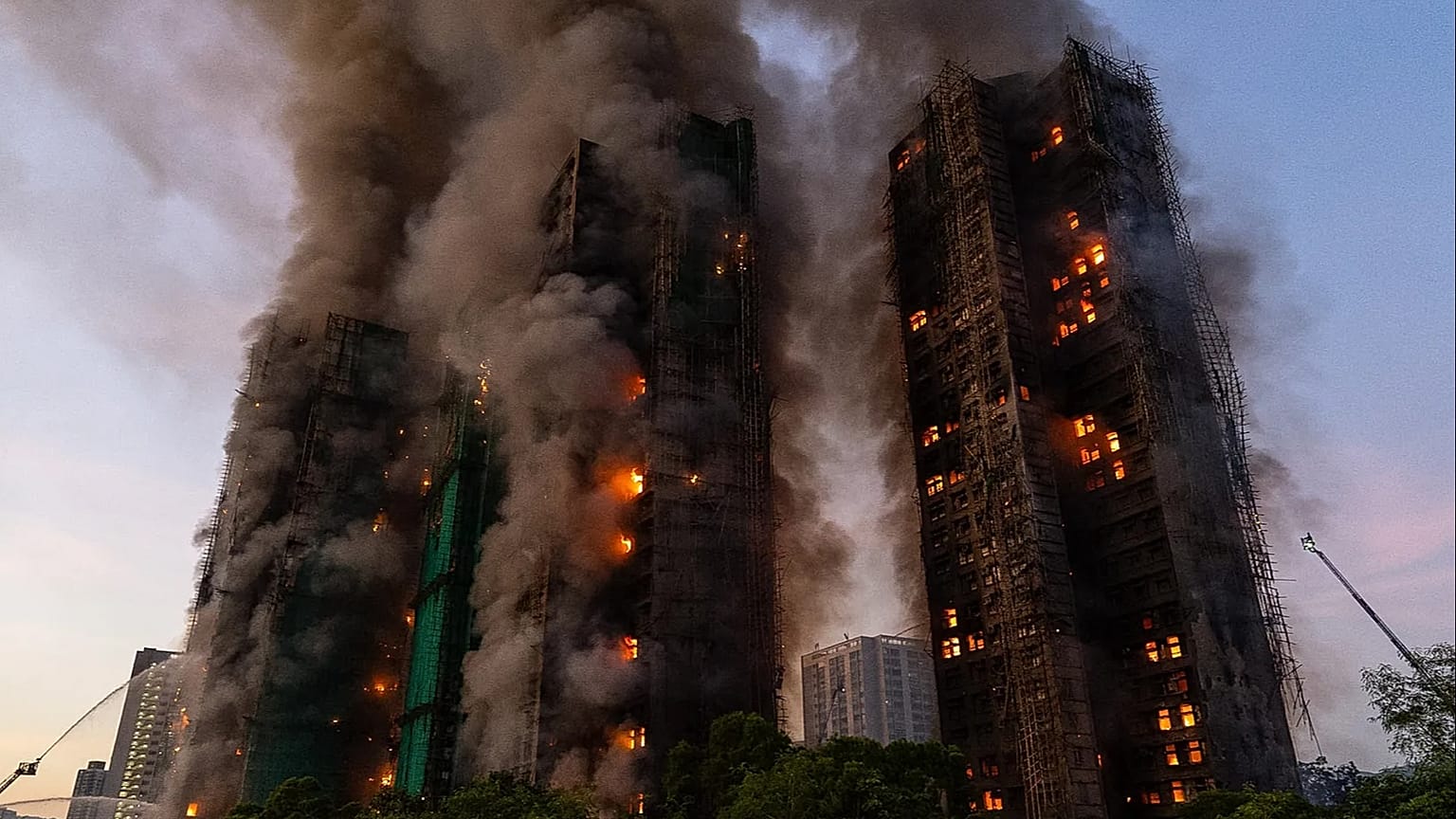
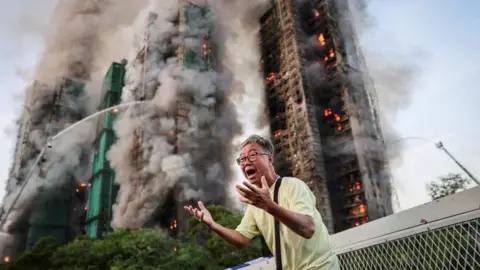
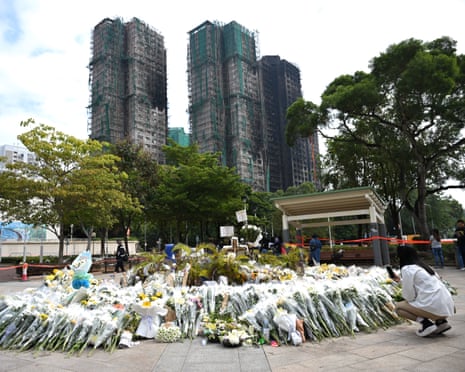
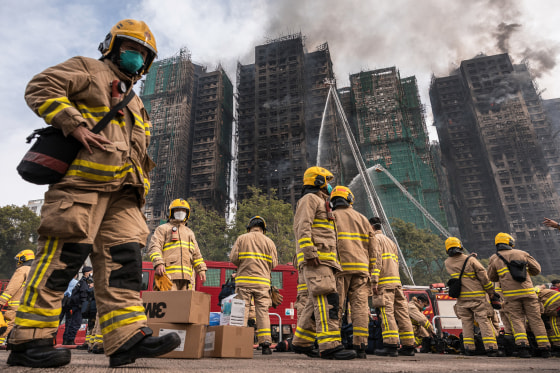
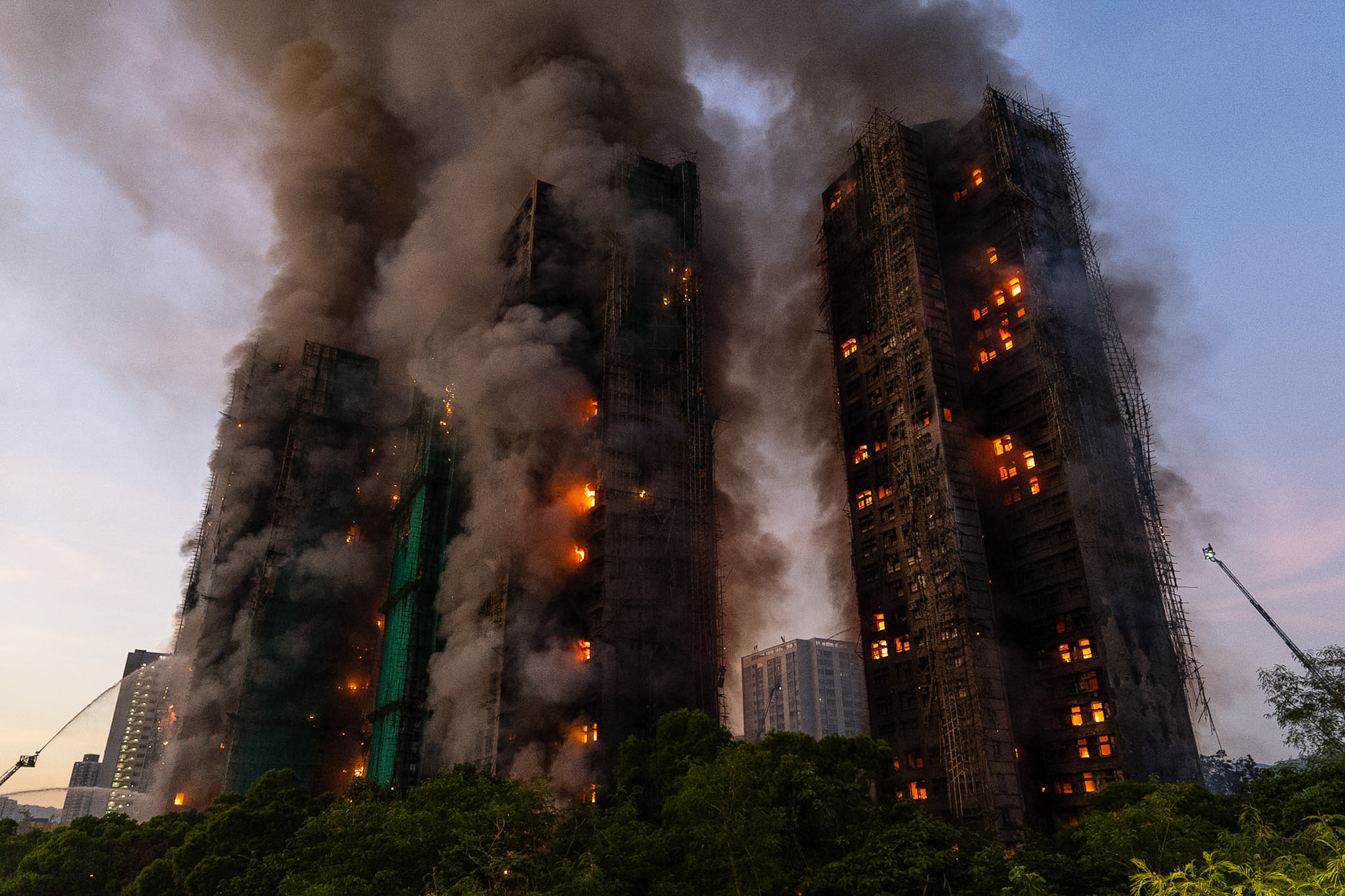
Hong Kong's prosecution of 7 individuals and 2 companies (June 10, 2026) for the Wang Fuk Court fire that killed 168 people on November 26, 2025 signals aggressive enforcement of building safety standards that directly impacts cross-border sellers operating warehouses and fulfillment centers in the territory. The charges include 25 counts spanning manslaughter, conspiracy, money laundering, fraud, and tax evasion—indicating systemic failures in project management, safety compliance, and regulatory oversight. The independent inquiry determined that almost all fire safety systems failed due to human error: fire alarm systems were deactivated in 7 of 8 blocks, substandard fire-safety netting was installed, required fire-retardant materials were absent, and windows were covered with foam boards that accelerated fire spread.
For e-commerce sellers, this prosecution establishes a precedent for corporate liability in Hong Kong's commercial real estate sector. Sellers operating 3PL warehouses, fulfillment centers, or inventory storage facilities in Hong Kong now face heightened regulatory scrutiny and potential personal liability for safety compliance failures. The case demonstrates that Hong Kong authorities will pursue criminal charges—not just civil penalties—against company directors and project managers when safety violations contribute to loss of life. This means sellers using third-party logistics providers in Hong Kong must verify that their 3PL partners maintain certified fire suppression systems, functional alarm networks, compliant emergency exits, and current safety inspections. The prosecution also reveals that fraudulent safety documentation and false compliance reports trigger anti-graft agency involvement (ICAC arrested 23 people on bribery charges), creating additional legal exposure for sellers who misrepresent facility conditions to authorities or insurance providers.
The regulatory environment in Hong Kong is tightening significantly. The government has committed to reviewing fire safety protocols territory-wide, which will likely result in stricter enforcement of building codes for commercial properties. Sellers should expect increased inspections of warehouses and fulfillment centers, higher insurance premiums for non-compliant facilities, and potential operational disruptions if their 3PL partners fail new safety audits. The case also highlights Hong Kong's complex ownership structures and aging building stock as persistent compliance challenges—factors that increase operational risk for sellers relying on older warehouse facilities. Court hearings are adjourned until September 2026, meaning additional charges or regulatory guidance may emerge as the case progresses. Sellers with inventory stored in Hong Kong should conduct immediate safety audits of their facilities, verify 3PL partner certifications, and consider diversifying storage across multiple compliant providers to mitigate operational risk from potential facility closures or liability claims.
Questions 7
What specific fire safety failures were identified in the Hong Kong case?
The independent inquiry found that fire alarm systems were deactivated in 7 of 8 apartment blocks, substandard fire-safety netting was installed, required fire-retardant materials were absent in many locations, and windows were covered with foam boards that accelerated fire spread. These systemic failures—combined with human error during the incident—contributed to 168 deaths. For sellers, this highlights the critical importance of verifying that 3PL partners maintain functional fire detection systems, compliant safety equipment, and proper emergency exit procedures. Sellers should request documentation of recent fire safety inspections and insurance coverage from their warehouse providers.
What are the potential cost implications for sellers operating facilities in Hong Kong?
The prosecution signals that Hong Kong will enforce stricter building codes territory-wide, likely resulting in higher insurance premiums for non-compliant facilities, increased inspection costs, and potential operational disruptions if 3PL partners fail new safety audits. Sellers should budget for facility upgrades, enhanced fire suppression systems, and more frequent safety certifications. The case also suggests that sellers may face liability claims if their warehouses fail to meet emerging safety standards. Diversifying inventory across multiple compliant 3PL providers can mitigate risk from potential facility closures or liability exposure.