

Global Conflicts Hit 80-Year Peak | Supply Chain Disruption & Tariff Arbitrage Opportunities for Cross-Border Sellers
- 65 active conflicts in 2025 create $1M+ per-vessel rerouting costs; sellers must pivot sourcing from conflict zones (Ukraine, Sudan, Pakistan) to Vietnam/India; tariff exemptions emerging for conflict-displaced supply chains





)








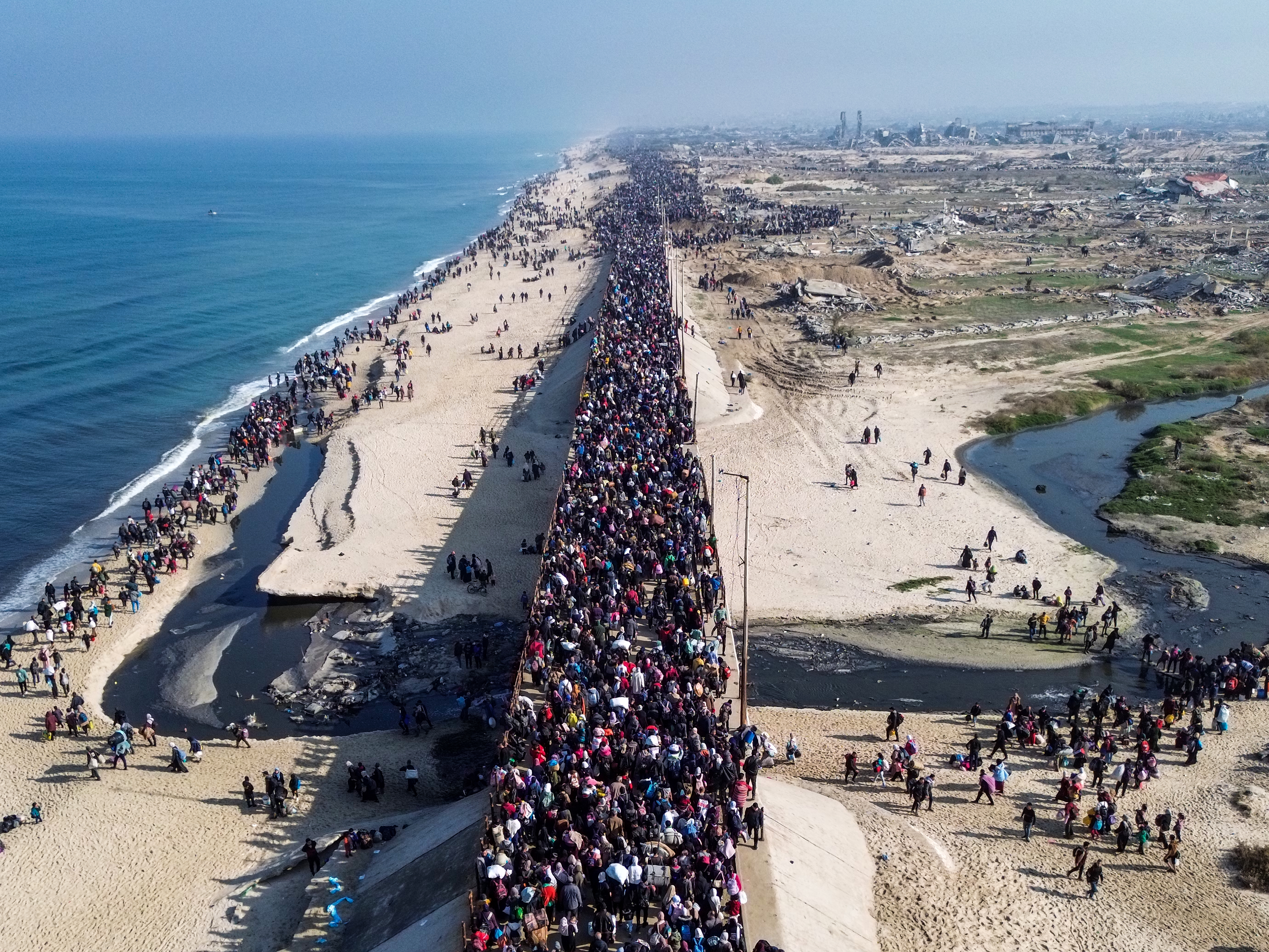
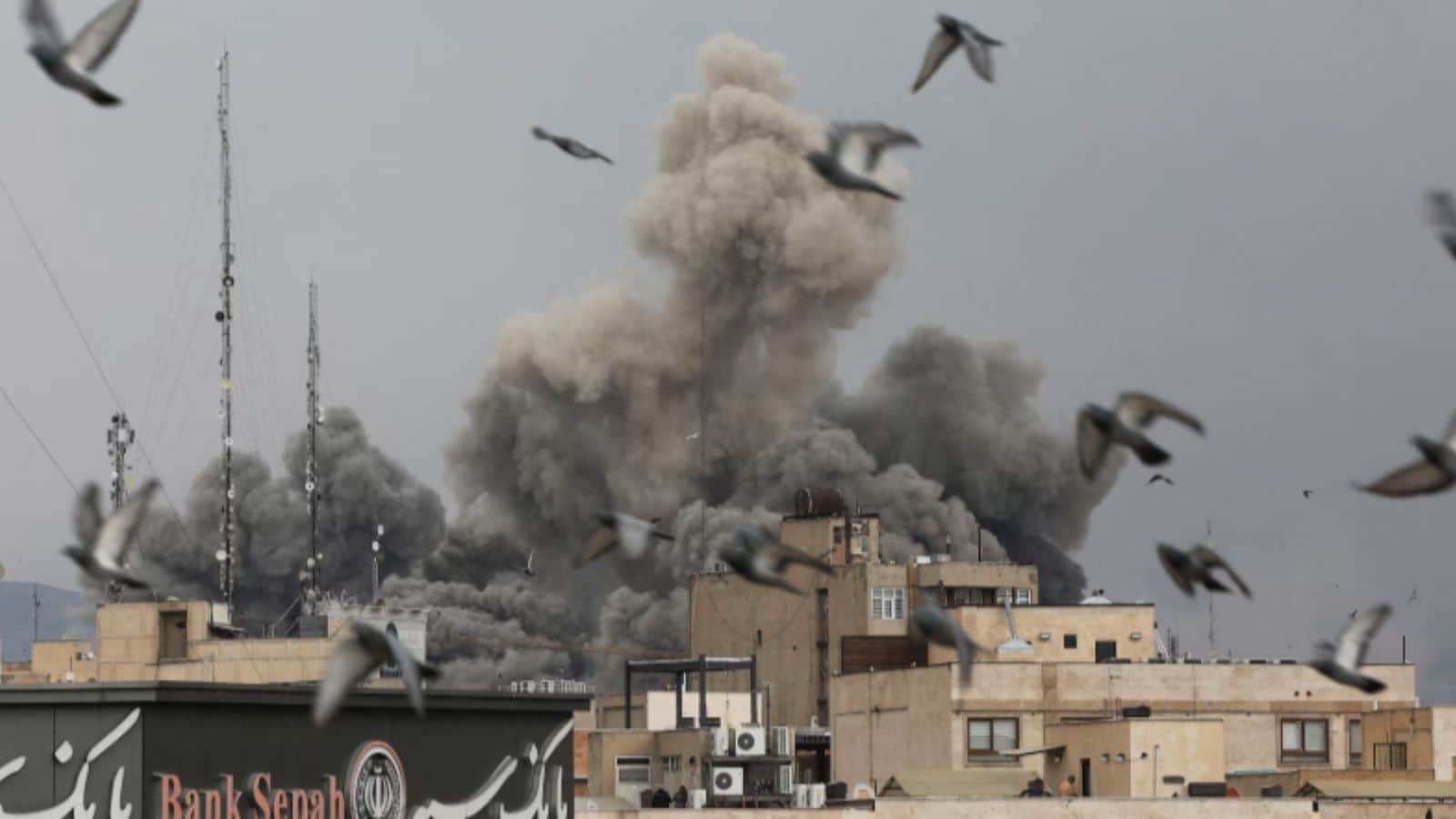

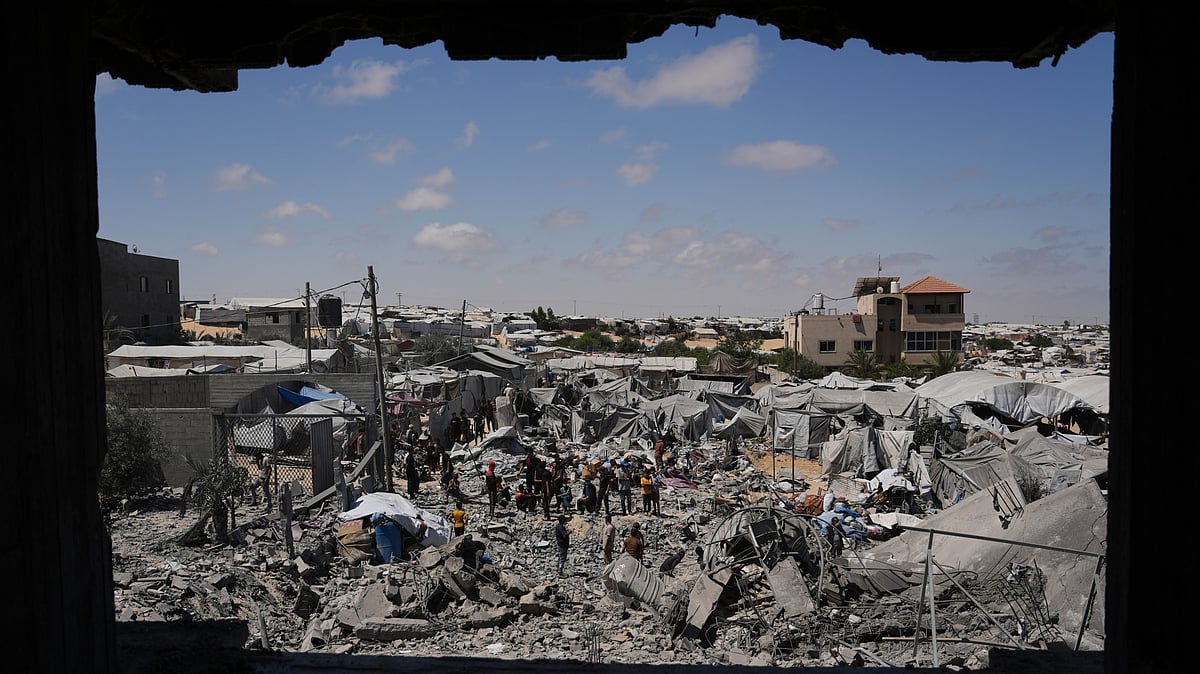
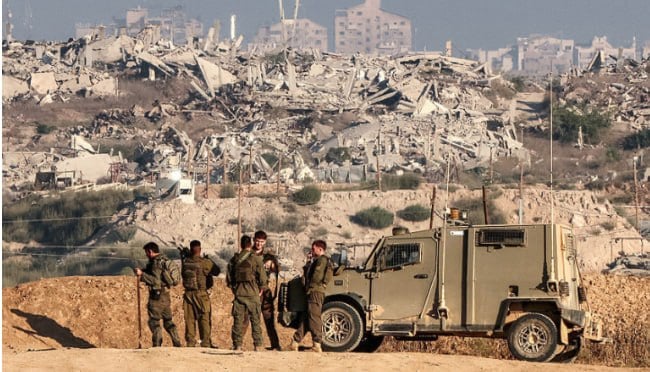


Overview
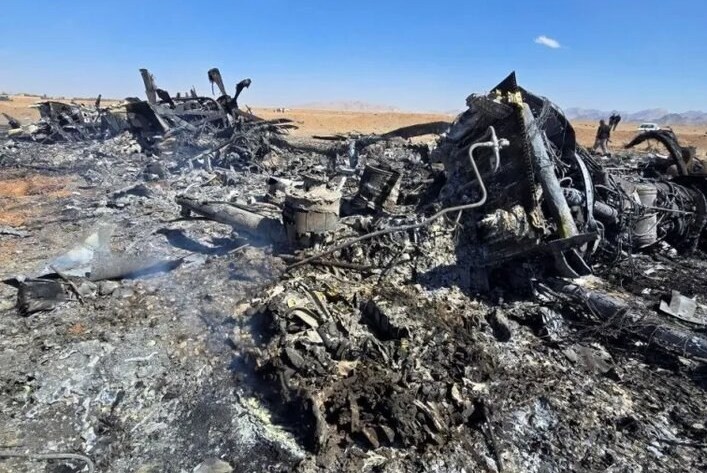
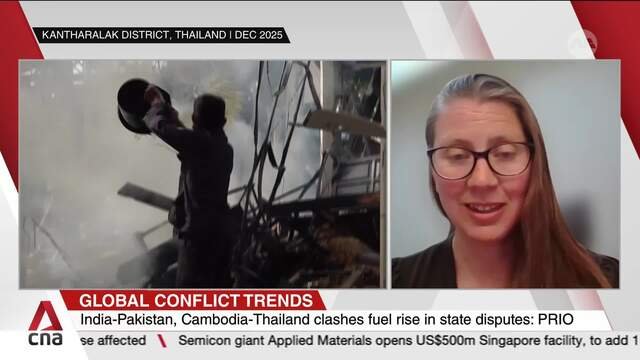
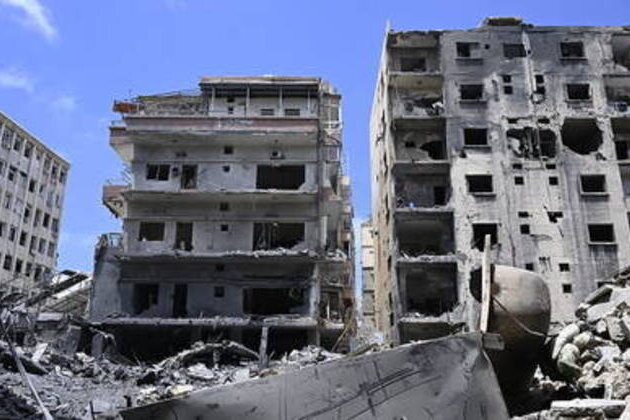
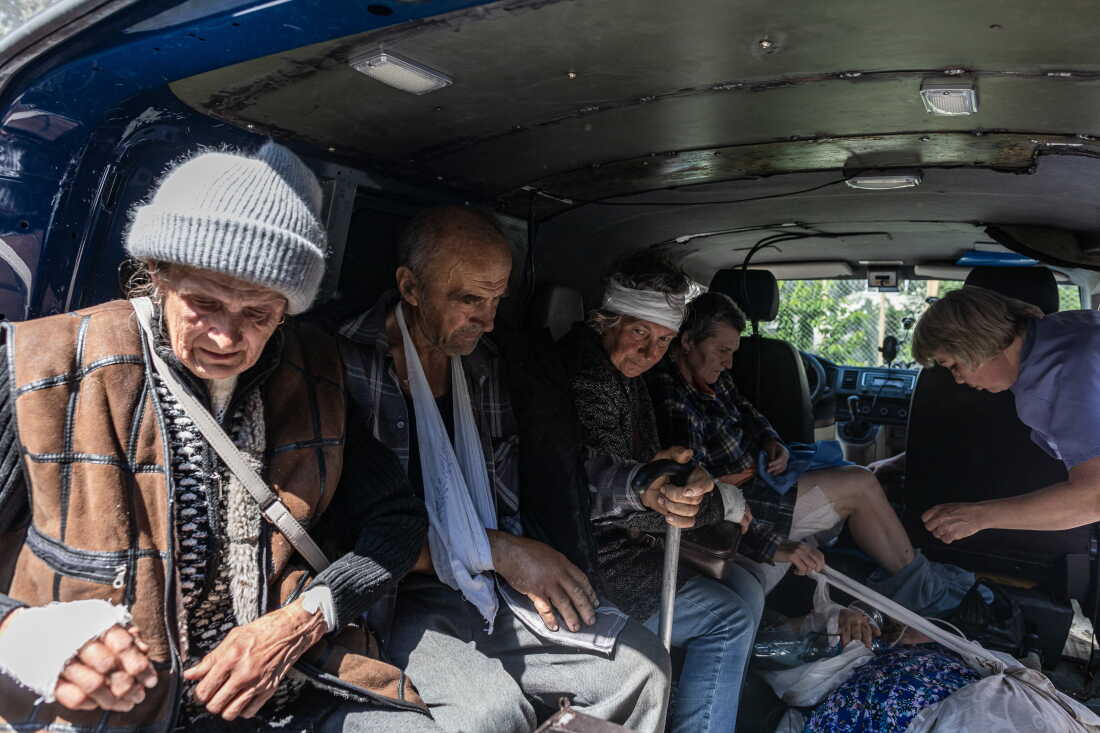
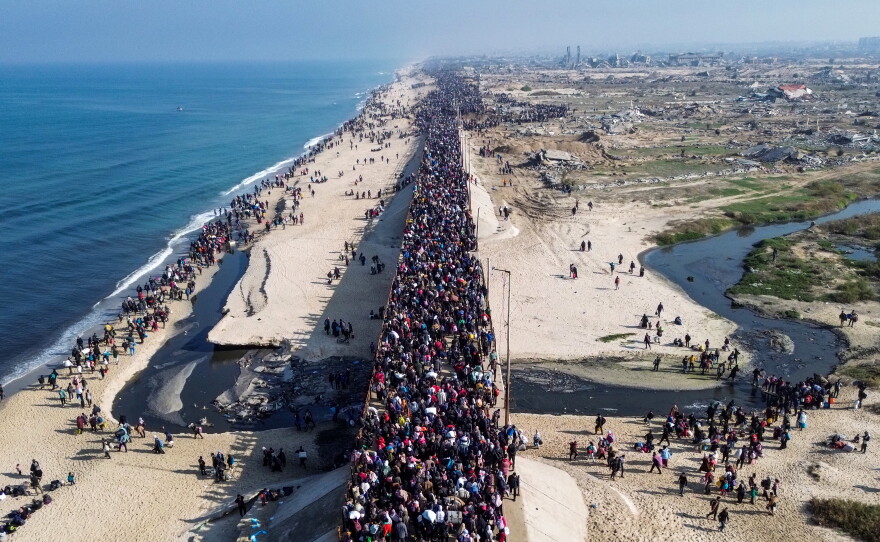
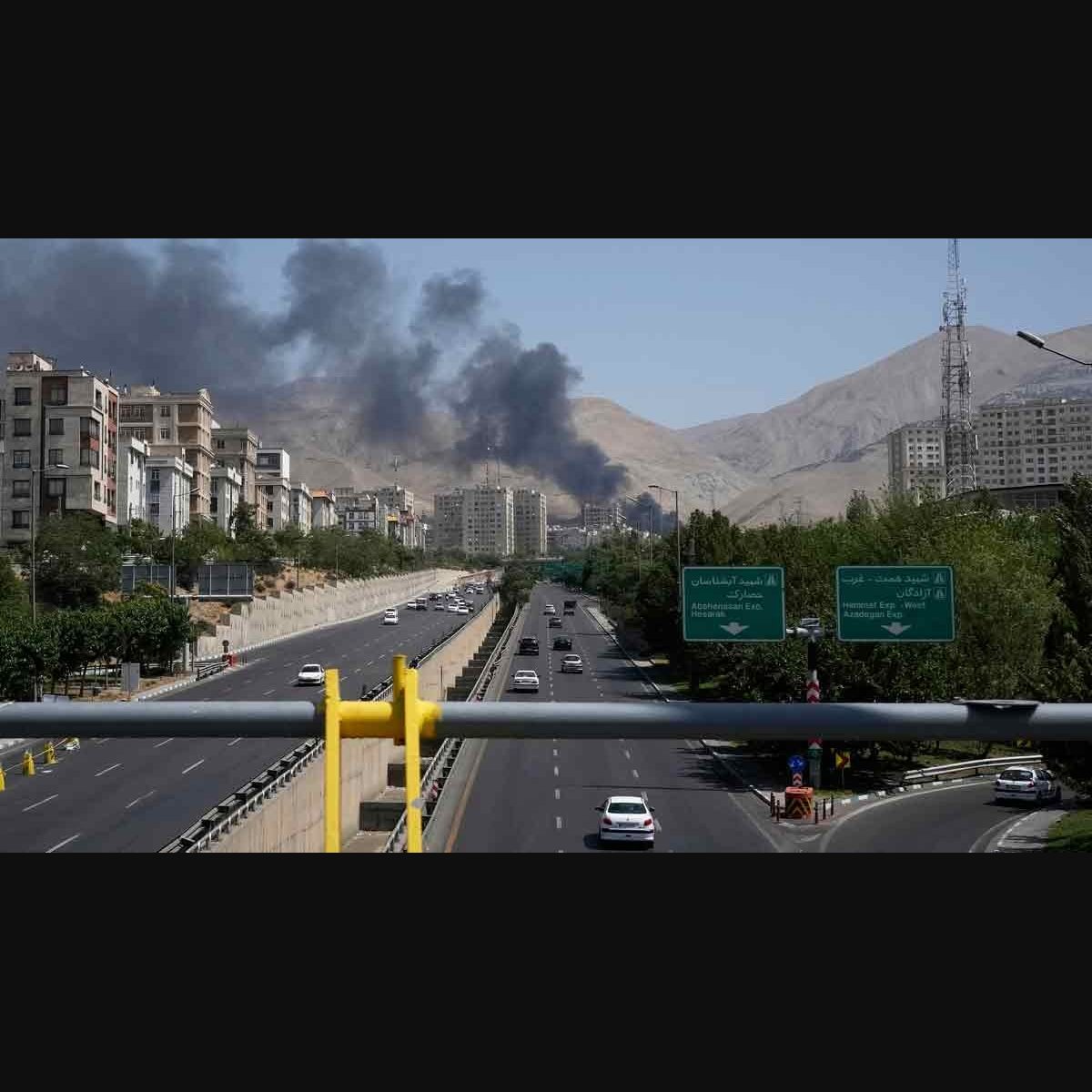
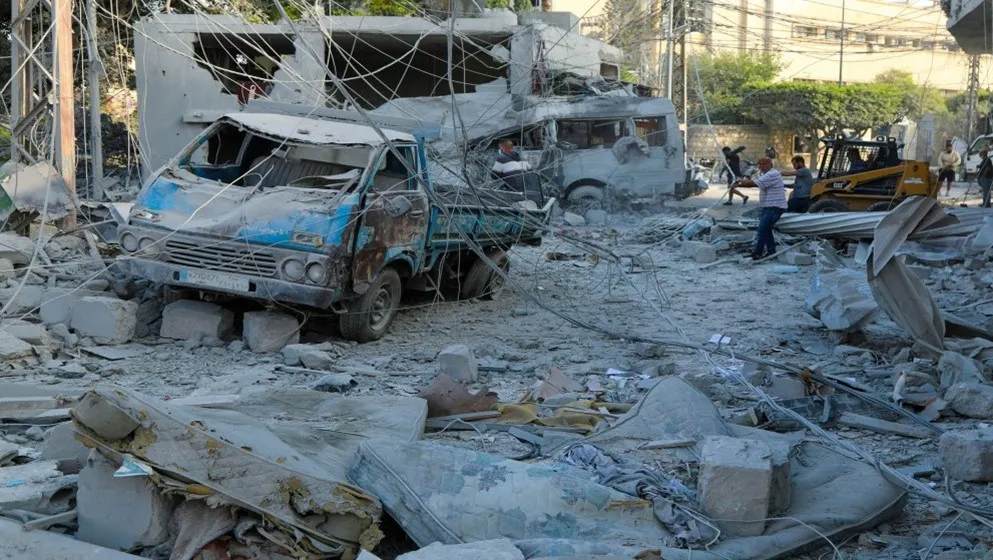
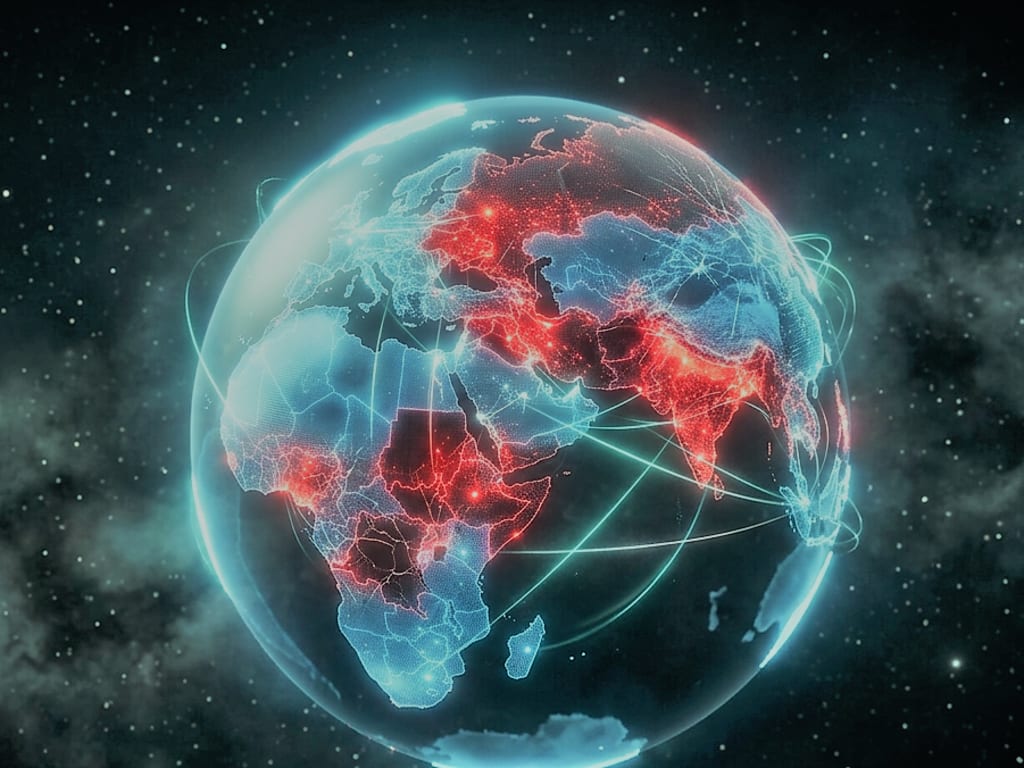
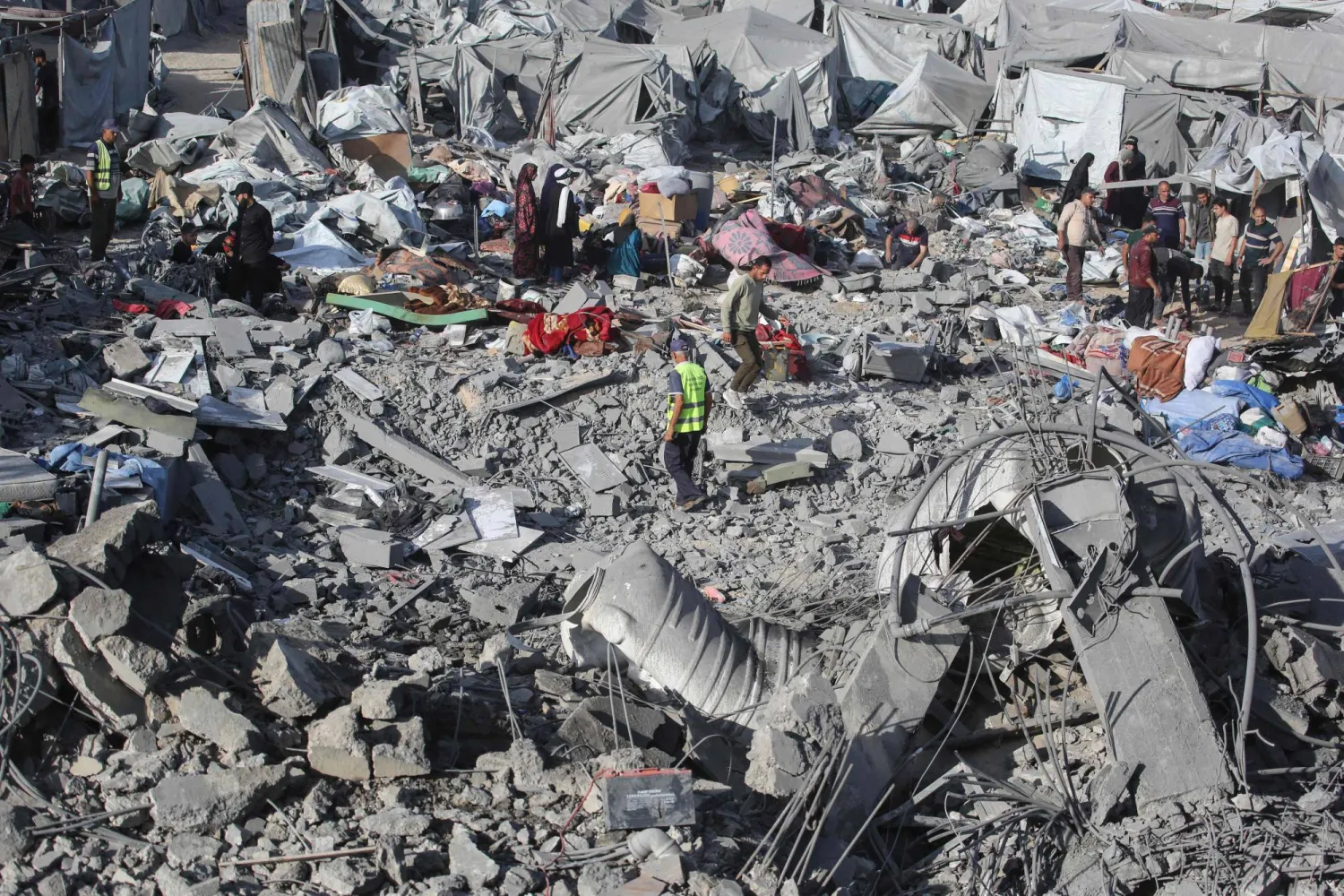
The Uppsala Conflict Data Program (UCDP) and Peace Research Institute Oslo (PRIO) released alarming 2025 data: 65 state-involved conflicts (highest since 1946), 245,000 battle-related deaths, and 8 interstate wars (double 2024's figure). This geopolitical crisis directly threatens cross-border e-commerce operations through five critical transmission channels that sellers must immediately address.
Supply Chain Disruption & Sourcing Reallocation: The most immediate impact for sellers is forced sourcing diversification away from conflict zones. Russia-Ukraine conflict (77,700 Russian + 14,000 Ukrainian deaths) has decimated Eastern European manufacturing and logistics hubs that historically supplied electronics, machinery, and textiles to Western markets. Sudan's government-RSF conflict (12,200+ deaths, 60,000+ civilian casualties in El-Fasher) has disrupted African mineral exports critical for battery manufacturing and electronics. India-Pakistan border tensions and Afghanistan-Pakistan disputes threaten sourcing from South Asia's textile, apparel, and electronics assembly sectors—regions that supply 35-40% of Amazon FBA inventory for US sellers. Sellers currently sourcing from these regions face 4-8 week supply delays and 15-25% cost increases. Strategic opportunity: Pivot 20-30% of sourcing to Vietnam, Indonesia, and Thailand, which are experiencing reduced competition as other sellers scramble. These countries offer 8-12% lower tariffs under CPTPP agreements and are actively seeking manufacturing capacity from displaced suppliers.
Logistics Cost Inflation from Weaponized Trade Chokepoints: The Forbes analysis quantifies a critical cost driver: $1 million per vessel in rerouting costs due to weaponized maritime chokepoints (Strait of Hormuz, Red Sea, Bab al-Mandab). These passages handle 21% of global maritime trade. Houthi operations against shipping (mentioned in News 1 as "U.S./U.K. operations against Yemen's Houthis") force vessels to reroute around Africa's Cape of Good Hope, adding 10-14 days transit time and $800K-$1.2M per container ship. For sellers using Amazon FBA or 3PL providers, this translates to: (1) Inbound freight costs: +$200-400 per 40-foot container for Asia-to-US routes; (2) Inventory carrying costs: +$50-150/month per SKU due to extended transit; (3) Stockout risk: 2-3 week delays increase IPI score penalties and Buy Box loss. Mitigation strategy: Negotiate fixed-rate freight contracts with 3PL providers immediately (before Q2 2025 when rates spike further). Consider nearshoring to Mexico for US sellers (USMCA tariff advantages) or Eastern Europe for EU sellers (despite conflict, some logistics corridors remain open via Poland/Romania).
Sanctions Complexity & Payment Processing Risk: The Forbes analysis identifies "sanctions complexity requiring G-SIBs to absorb billions in annual AML/CTF compliance costs across eight parallel regimes." This creates hidden operational costs for sellers: (1) Payment processor delays: Stripe, PayPal, and 2Checkout now require enhanced due diligence for transactions involving 8+ sanctioned jurisdictions (Russia, Iran, Syria, North Korea, Venezuela, Cuba, Belarus, Crimea). Processing times increase from 1-2 days to 5-7 days; (2) Compliance screening costs: Sellers using Shopify Payments or Amazon Pay face $500-2,000/month in automated sanctions screening fees; (3) Chargebacks & holds: Payment processors hold 10-15% of transaction value for 30-60 days in high-risk regions. Action item: Audit your customer base for transactions from conflict-adjacent regions. Implement real-time sanctions screening via Chainalysis or Refinitiv (cost: $200-500/month) to avoid $10K+ compliance penalties.
Currency Crisis Risk in Emerging Markets: The Forbes analysis warns of "emerging market capital flight triggering currency crises in vulnerable economies like Pakistan." This directly impacts sellers with: (1) Pakistan sourcing: Pakistani textile and apparel suppliers (major FBA suppliers for clothing category) face 30-40% currency devaluation risk, making quoted prices unreliable; (2) India payment risk: Indian suppliers may demand payment in USD instead of INR, increasing costs 8-12%; (3) Customer purchasing power collapse: Sellers targeting consumers in Sudan, Haiti, Pakistan face 50-70% demand collapse as local currencies crater. Opportunity: Lock in forward contracts with suppliers in stable-currency countries (Vietnam, Indonesia, Mexico) for 6-12 months. Reduce exposure to Pakistan/India sourcing to <15% of total SKU portfolio.
Tariff Arbitrage & Market Access Windows: The geopolitical polarization mentioned in News 4 (Trump administration increasing trade barriers) creates paradoxical opportunities. As the US fragments international collaboration, bilateral trade agreements are accelerating: (1) USMCA expansion: Mexico/Central America sourcing gains 0-5% tariff advantages vs. China (currently 25%+ tariffs); (2) India-US trade talks: Potential tariff reductions on textiles/apparel (currently 16-25%) if India distances from Russia; (3) Vietnam CPTPP benefits: Already 0% tariffs on electronics/machinery for US importers. Action: Shift 25-35% of electronics sourcing from China to Vietnam by Q3 2025 to capture tariff savings before potential US-Vietnam tensions escalate.
Immediate seller actions: (1) Audit sourcing by conflict zone exposure (Ukraine, Sudan, Pakistan, Syria, Yemen); (2) Negotiate 6-month fixed-rate freight contracts with 3PLs before Q2 rate increases; (3) Implement sanctions screening for payment processing; (4) Reduce emerging-market currency exposure to <20% of supplier base; (5) Pilot nearshoring to Mexico/Vietnam for 20-30% of inventory by March 2025.
Questions 8
How do global conflicts in 2025 directly increase Amazon FBA seller costs?
The **65 active conflicts** documented by UCDP create three cost multipliers for FBA sellers: (1) **Inbound freight inflation**: Red Sea/Strait of Hormuz rerouting adds $200-400 per 40-foot container, increasing landed costs 8-15% for Asia-sourced inventory; (2) **Inventory carrying costs**: Extended transit times (10-14 days longer) increase storage fees $50-150/month per SKU in FBA warehouses; (3) **IPI score penalties**: Delayed inventory triggers Amazon's Inventory Performance Index penalties, reducing Buy Box eligibility by 10-20%. Sellers with 1,000+ units in FBA should immediately negotiate fixed-rate freight contracts with 3PL providers to lock in current rates before Q2 2025 escalation.
Which sourcing countries should sellers avoid or reduce exposure to due to 2025 conflicts?
The UCDP/PRIO reports identify **five high-risk sourcing regions**: (1) **Ukraine/Russia**: Electronics, machinery, and neon gas (critical for semiconductor manufacturing) face 4-8 week delays and 20-30% cost increases; (2) **Sudan**: Mineral exports (gold, gum arabic) disrupted; (3) **Pakistan/Afghanistan**: Textile and apparel suppliers face 30-40% currency devaluation and payment delays; (4) **Syria/Yemen**: Logistics hubs disrupted; (5) **Israel-adjacent regions**: Lebanon and Syria face supply chain fragmentation. Sellers should reduce exposure to these regions to <15% of total SKU portfolio and pivot 20-30% of sourcing to **Vietnam, Indonesia, Thailand, and Mexico** by Q2 2025. These countries offer 8-12% lower tariffs under CPTPP/USMCA and have excess manufacturing capacity from displaced suppliers.