

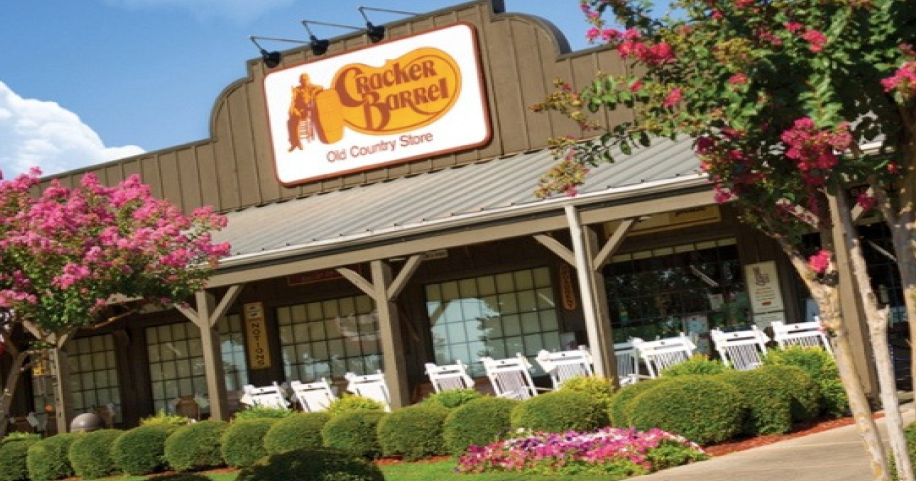


Cracker Barrel's 33% Stock Surge Signals Retail Recovery | O2O Expansion Opportunity for Home Goods & Specialty Food Sellers
- Casual dining turnaround demonstrates consumer spending resilience; e-commerce merchandise sales growth creates partnership opportunities for cross-border sellers in home décor, kitchenware, and specialty foods categories

















Overview
Cracker Barrel's dramatic 33% stock surge following Q3 2026 earnings beat represents a critical inflection point for understanding consumer spending patterns and retail sector health—directly relevant to cross-border e-commerce sellers evaluating market conditions and partnership opportunities. The casual dining chain reported quarterly revenue of $797.4 million (down 2.9% YoY but beating consensus forecast of 5%+ decline) and adjusted EPS of $0.29, significantly exceeding the consensus forecast of a $0.48 loss. More importantly, the company raised full-year revenue guidance to $3.27-$3.3 billion and projected adjusted EBITDA to $120-$125 million (from $85-$100 million), signaling sustained momentum through 2026. UBS upgraded the stock to overweight amid 27% short interest, creating a 40% weekly gain driven by institutional factors rather than retail speculation.
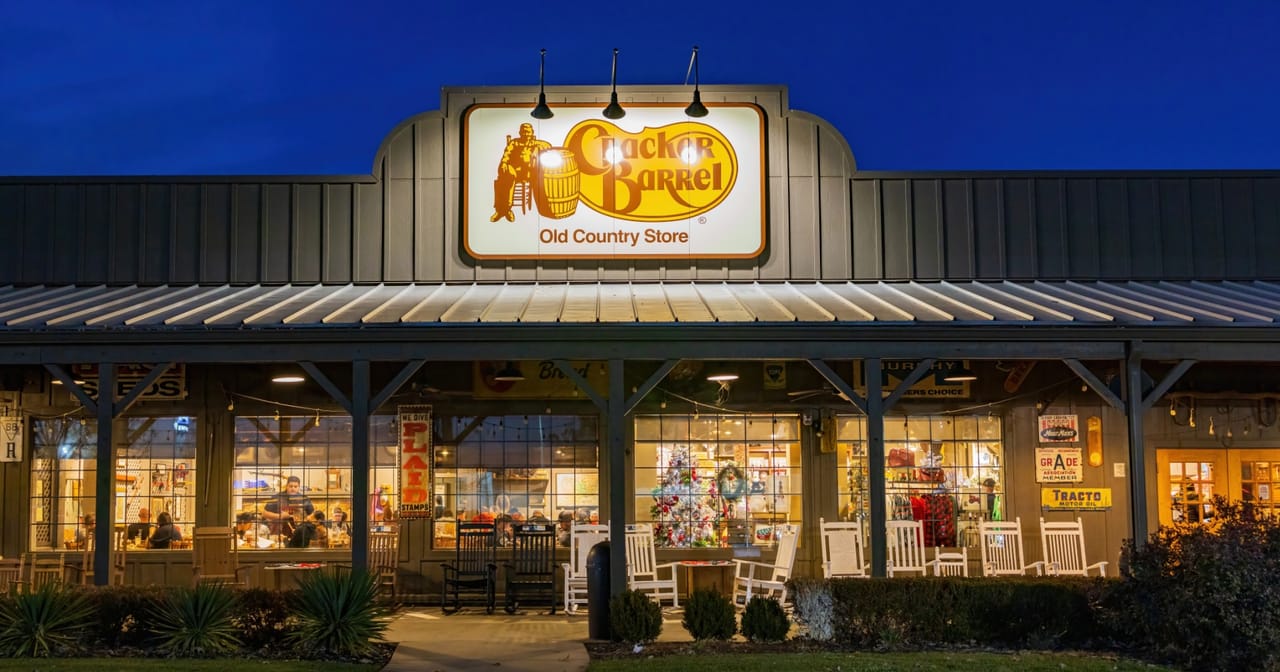
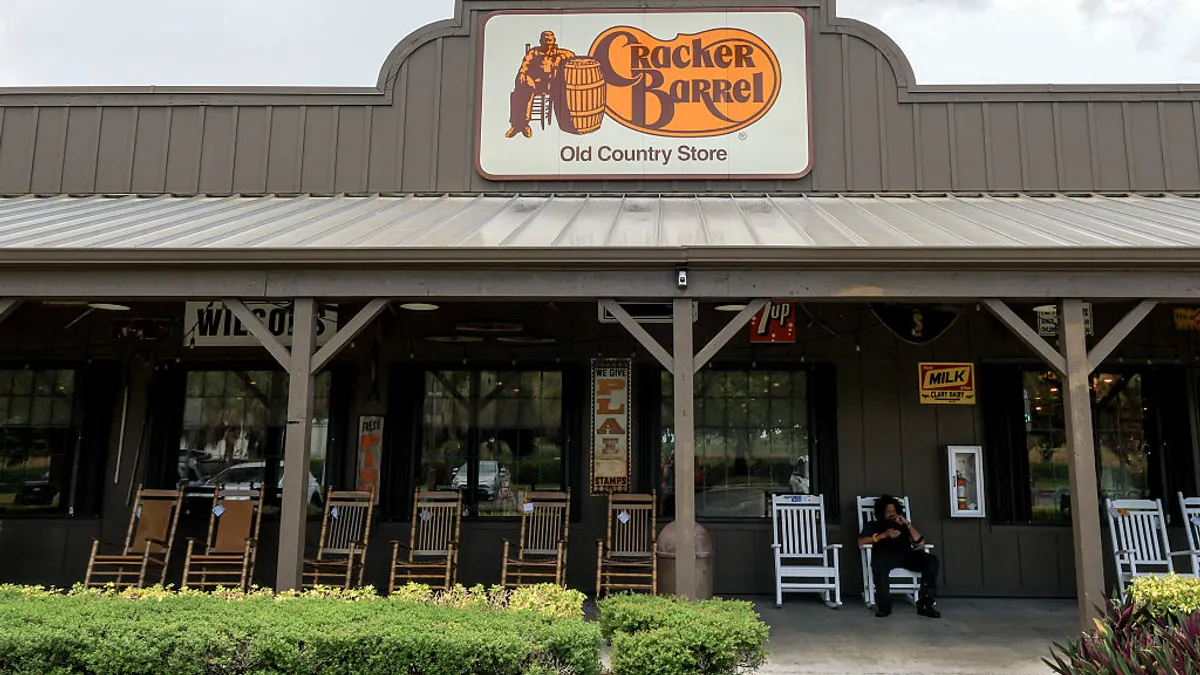
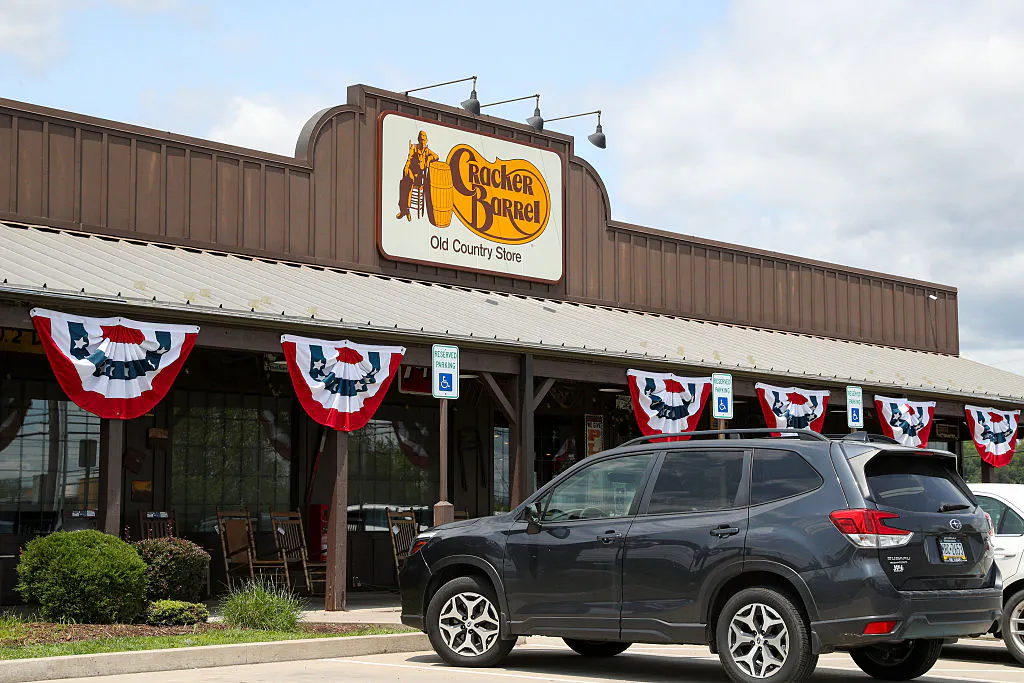
For cross-border sellers, Cracker Barrel's recovery holds three critical implications. First, the company operates a significant e-commerce business selling branded merchandise, home goods, and specialty food products online—categories where many cross-border sellers compete directly. The improved financial position and raised guidance suggest increased investment in digital commerce operations and omnichannel capabilities, indicating strengthening consumer discretionary spending in home décor, kitchenware, and regional specialty items. Second, the company's operational efficiency gains (COGS down 3%, labor expenses down 1%, operating expenses down 4%) demonstrate successful cost management strategies during inflationary periods—a benchmark for sellers evaluating pricing strategies and supply chain resilience. Third, the logo rollback decision (after August 2025 rebranding controversy) and subsequent recovery illustrate the importance of brand alignment with customer expectations, particularly for established chains with loyal demographics. This signals that consumer-facing brands maintaining authentic brand positioning can recover quickly from missteps.
The balance sheet presents both opportunity and caution. While operational performance improved, Cracker Barrel faces liquidity stress with only $26.05 million cash against $149.85 million short-term debt and $336.78 million long-term debt (current ratio of 0.50). Operating cash flow of $92.5 million minus capex of $87.9 million leaves minimal free cash flow of $4.61 million. This constraint may limit aggressive retail expansion but suggests the company will prioritize high-ROI digital channels and partnership opportunities with suppliers. For sellers, this indicates Cracker Barrel may seek strategic partnerships with established cross-border suppliers rather than developing proprietary product lines, creating potential wholesale and co-branded opportunities in home goods and specialty foods categories where the company currently competes with third-party sellers.
Questions 8
How does Cracker Barrel's earnings beat signal opportunity for cross-border home goods sellers?
Cracker Barrel's Q3 2026 earnings beat and raised full-year guidance to $3.27-$3.3 billion revenue indicate strengthening consumer discretionary spending in home goods and specialty products categories. The company operates a significant e-commerce business selling branded merchandise, home décor, and kitchenware online—categories where cross-border sellers compete directly. The improved financial position suggests increased investment in digital commerce operations, creating potential wholesale partnerships and co-branded opportunities. Sellers in home goods should monitor Cracker Barrel's product expansion and consider approaching their supplier relations team for partnership discussions, particularly for items complementing their restaurant and retail brand positioning.
What does Cracker Barrel's logo rollback and recovery teach sellers about brand strategy?
Cracker Barrel's August 2025 logo rebranding controversy and subsequent rollback, followed by a 33% stock surge after earnings beat, demonstrates that consumer-facing brands can recover quickly from brand perception issues when they demonstrate financial resilience and operational improvements. The company's decision to reverse the controversial branding initiative and refocus on core business fundamentals—reconnecting with its traditional customer base—proved strategically sound. For sellers, this signals the importance of brand authenticity and customer alignment, particularly for established brands with loyal demographics. Sellers should prioritize brand consistency and customer feedback integration over frequent rebranding, as demonstrated by Cracker Barrel's successful recovery.