





Oil Price Surge & Shipping Cost Crisis | Cross-Border Sellers Face 2.5-3% Logistics Inflation
- U.S. crude jumps 2.94% to $92.68/barrel; Brent rises 2.52% to $95.45 on Iran strikes; Strait of Hormuz shipping risks spike; Sellers shipping to US/EU face 8-15% fulfillment cost increases within 30-60 days














































Overview
The June 10, 2026 U.S. military strikes against Iran triggered immediate commodity market disruptions with direct implications for cross-border e-commerce sellers. Oil prices surged sharply: U.S. crude futures for July delivery rose 2.94% to $92.68 per barrel, while Brent crude for August gained 2.52% to $95.45 per barrel, according to market data reported alongside the military action. This represents a critical inflection point for sellers because fuel surcharges on international shipping are directly indexed to crude oil prices—a 3% oil price increase typically translates to 2.5-3% higher shipping costs within 30-60 days as carriers adjust fuel surcharge formulas.
Financial Impact on Seller Cash Flow: For sellers shipping 1,000+ units monthly via FBA or 3PL networks, this translates to immediate working capital pressure. A typical seller moving 2,000 units/month from Asia to US warehouses at $4-6 per unit shipping cost faces an additional $200-360 monthly expense. More critically, the Strait of Hormuz remains a chokepoint—approximately 21% of global petroleum passes through this waterway, and Iranian drone/missile attacks on U.S. vessels create insurance premium spikes and route diversions that add 5-10 days to transit times. Rystad Energy's assessment notes that while alternative export routes exist (bypassing the Strait), they add 2-4 weeks to shipping schedules and increase costs by 8-12% compared to direct routes.
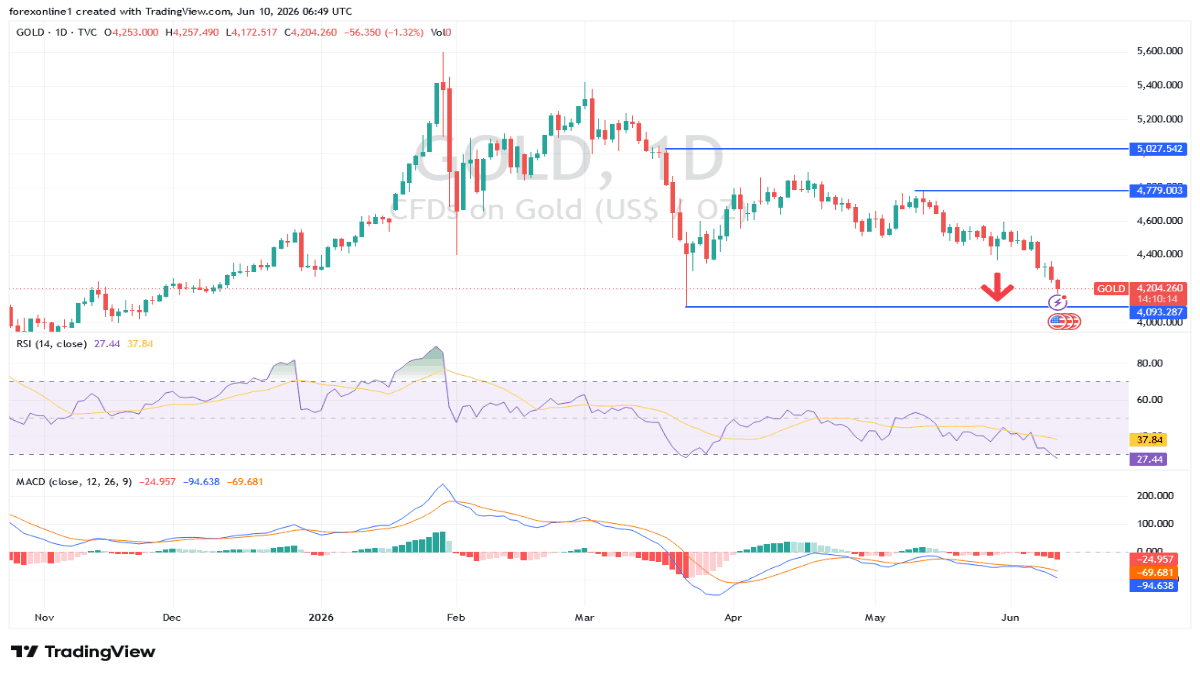
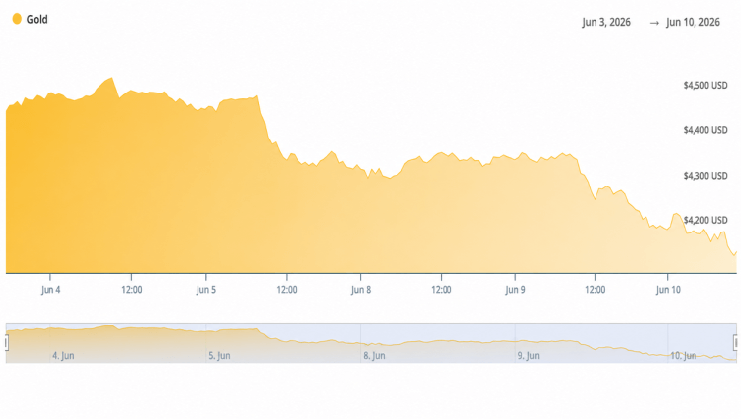
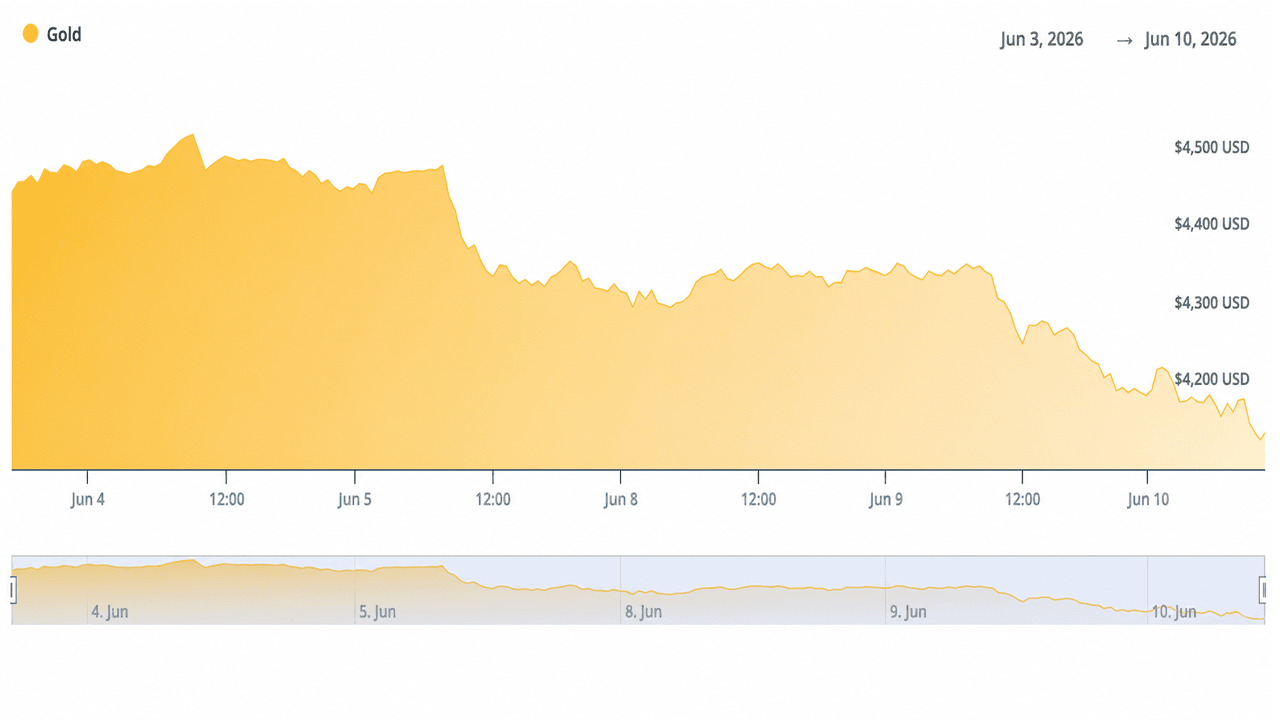
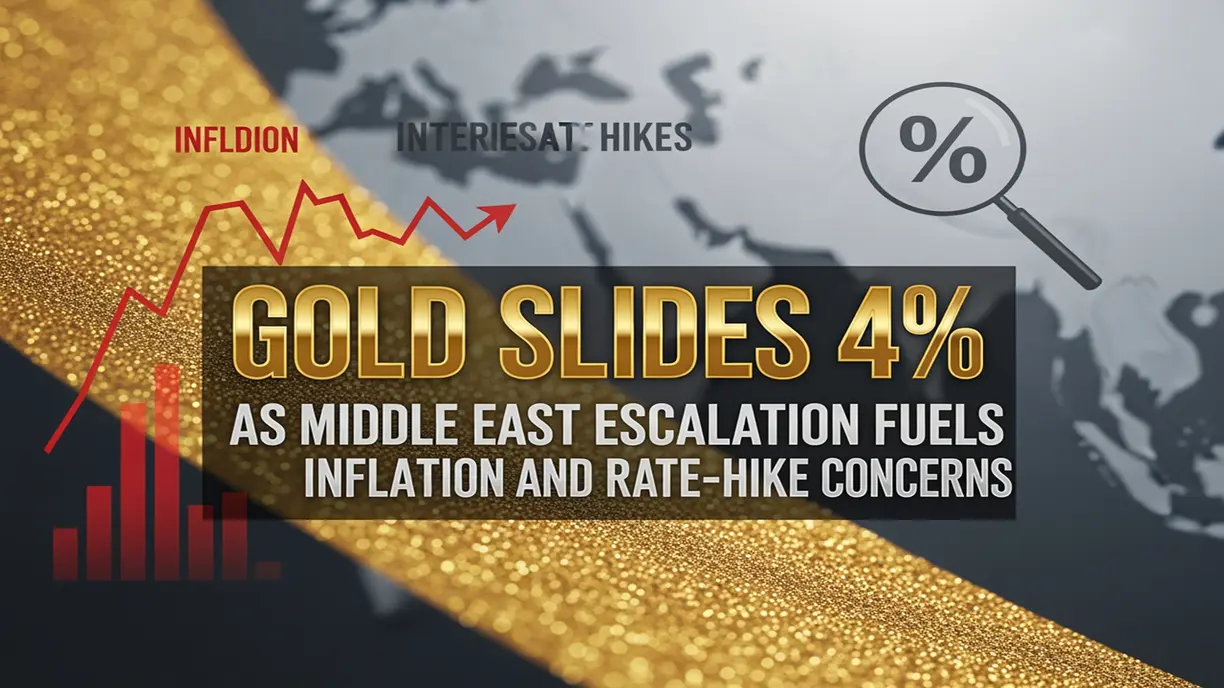
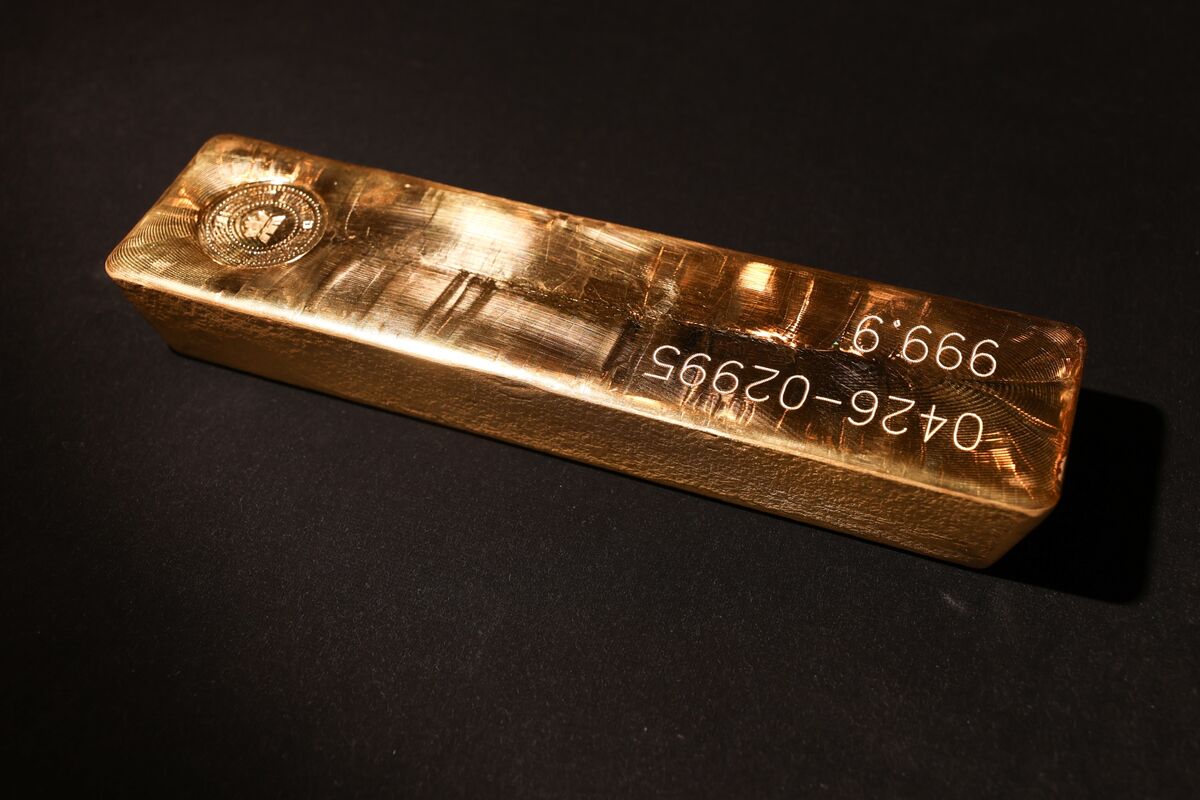
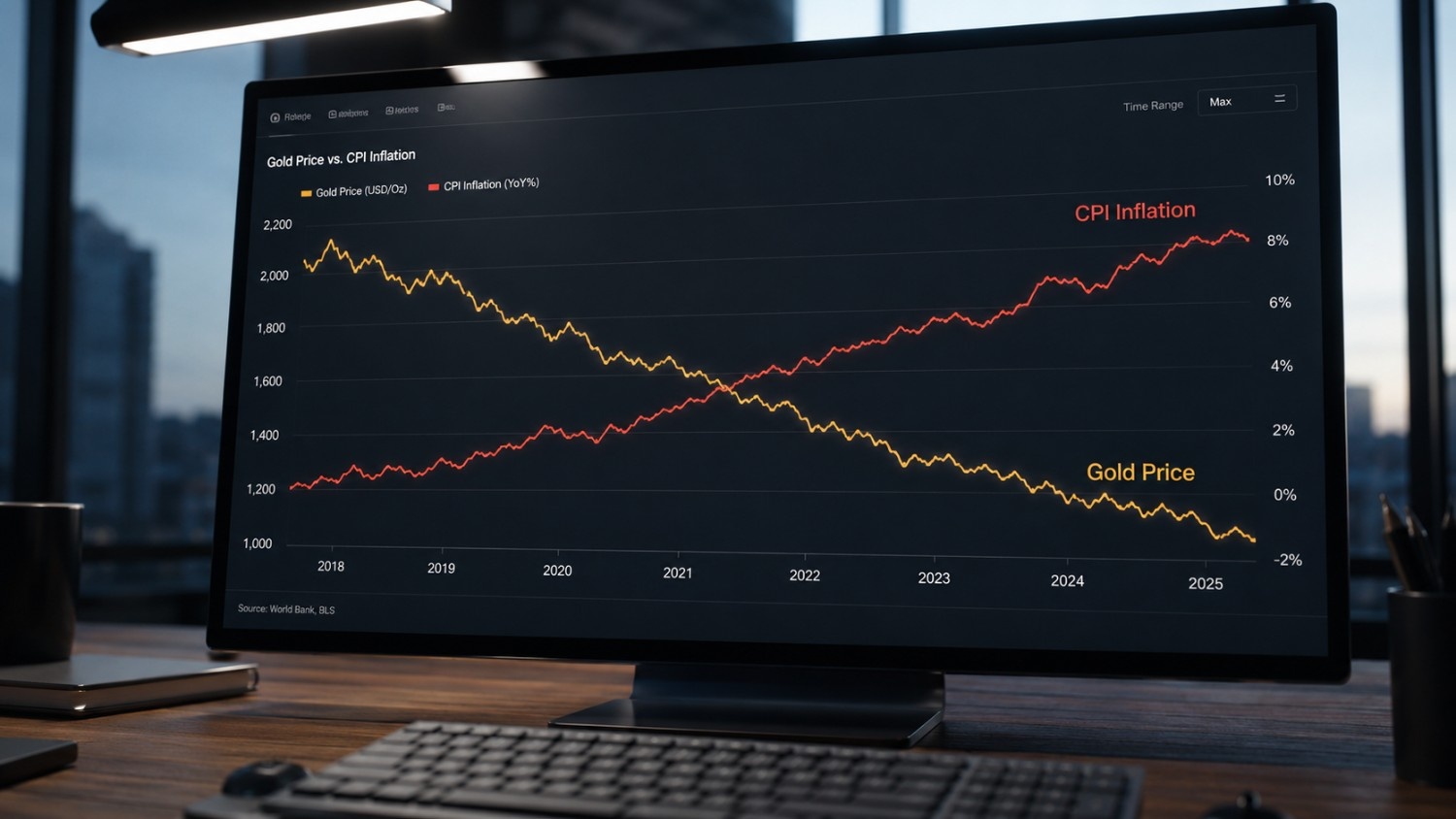
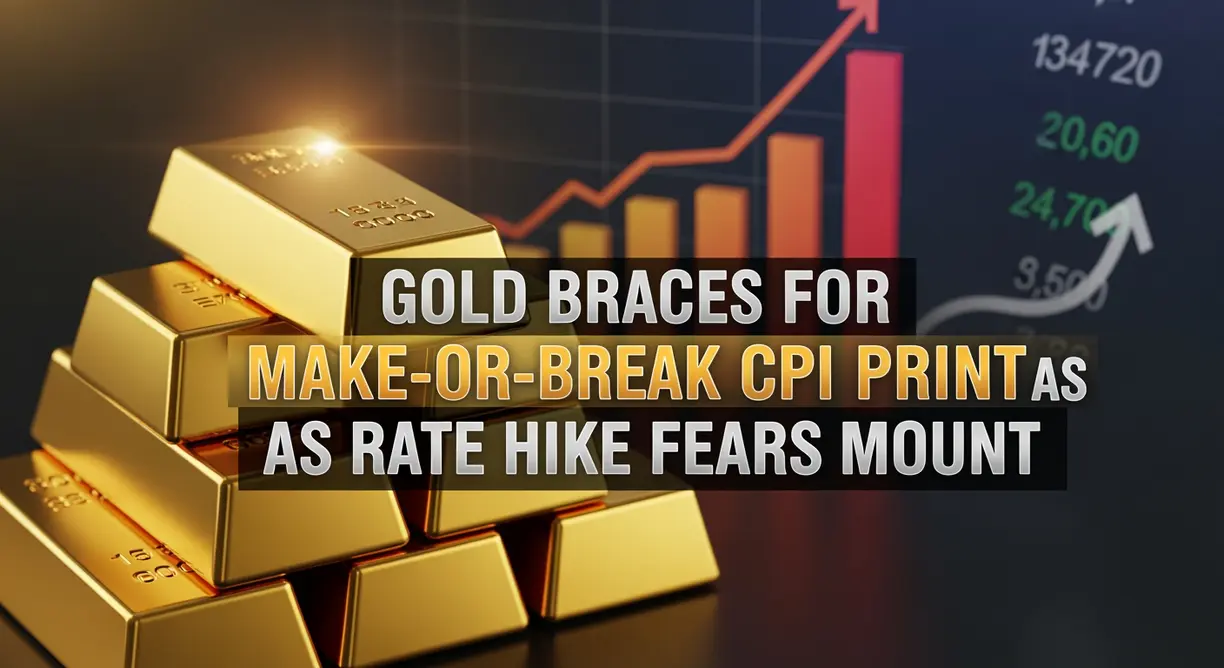
Currency & Payment Implications: The geopolitical uncertainty is simultaneously weakening gold (down to 6-month lows as investors exit safe-haven positions) while strengthening oil-linked currencies. This creates FX arbitrage opportunities for sellers with USD exposure—the dollar typically strengthens during energy crises as global capital seeks U.S. Treasury safety. Sellers with invoices in EUR, GBP, or AUD should consider forward contracts or hedging strategies immediately to lock in current rates before further USD appreciation. The 5-month decline in gold, silver, and Bitcoin (mentioned in Barron's reporting) signals that investors are rotating away from traditional hedges into energy-linked assets, suggesting sustained oil price elevation through Q3 2026.
Inventory & Pricing Strategy Adjustments: The gold price collapse (6-month lows per Financial Times data) creates a secondary opportunity for sellers in jewelry and luxury goods categories—input costs for gold-based products are declining, potentially improving margins by 5-8% for sellers with flexible sourcing. However, this benefit is offset by rising logistics costs, creating a net margin compression of 2-4% for most categories unless sellers can absorb shipping increases or raise retail prices by 3-5% before consumer resistance kicks in.
Questions 8
How do I hedge currency risk during this geopolitical crisis?
The U.S. dollar typically strengthens during energy crises as global capital seeks safety. Sellers with EUR, GBP, or AUD invoices should execute forward contracts immediately to lock in current exchange rates for 90-180 day settlements. A 3-5% USD appreciation (typical during oil spikes) reduces revenue by $3,000-5,000 per $100K in foreign currency sales. Use platforms like OFX, Wise, or your bank's FX desk to establish hedges at 0.5-1.2% cost—significantly cheaper than absorbing currency losses. For sellers with USD costs and foreign currency revenue, this crisis creates a natural hedge; prioritize protecting foreign currency receivables.
Should I lock in shipping rates now or wait for oil prices to stabilize?
Lock in rates immediately for Q3 2026 shipments. Rystad Energy's assessment indicates diplomatic breakthrough prospects have diminished significantly, suggesting sustained oil volatility through at least August 2026. Sellers should negotiate 60-90 day fixed-rate contracts with 3PL providers before the next fuel surcharge adjustment (typically mid-June). Waiting creates 5-10% additional cost exposure if tensions escalate further. For FBA sellers, consider shifting 20-30% of inventory to regional fulfillment centers (EU, Asia-Pacific) to diversify shipping routes and reduce Strait of Hormuz exposure.