



Congo Ebola Crisis Disrupts Supply Chains | Health Emergency Impacts African E-Commerce Markets
- 635 confirmed cases across 26 health zones threaten logistics networks and consumer demand in Central Africa region; sellers shipping to DRC/Uganda face operational delays and market contraction




Overview
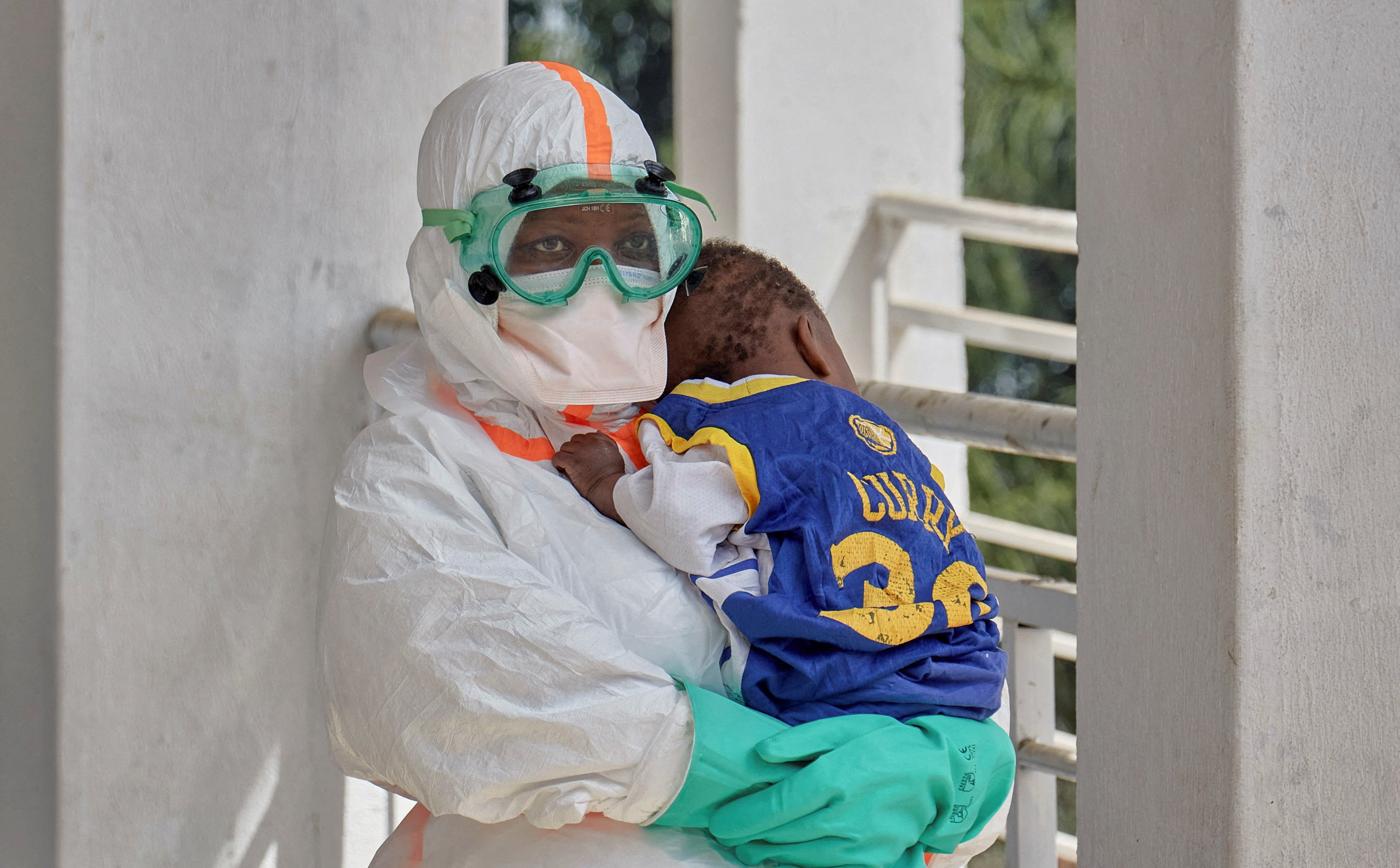
The Democratic Republic of Congo faces a critical Ebola outbreak caused by the rare Bundibugyo virus strain, with 635 confirmed cases and 127 deaths reported across 26 health zones as of June 10, 2026. The epidemic, declared on May 15, 2026, has expanded to three eastern provinces—Ituri, North Kivu, and South Kivu—with Ituri accounting for over 94% of confirmed cases. This public health emergency creates significant operational and market implications for cross-border e-commerce sellers operating in or shipping to Central Africa.
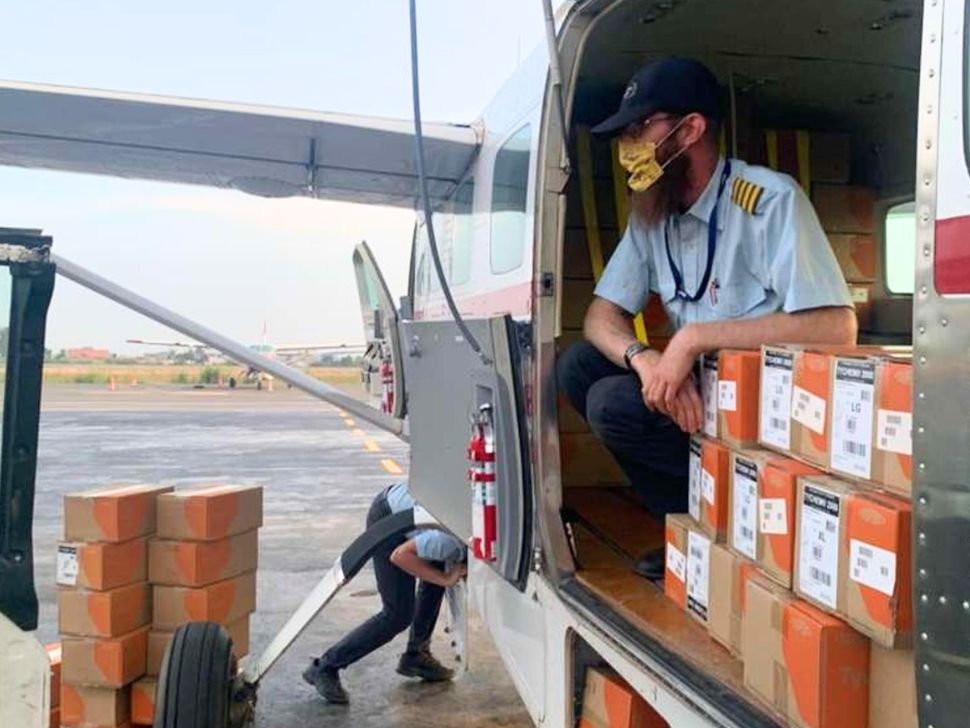
Supply Chain and Logistics Impact: The outbreak directly affects regional logistics infrastructure. WHO reports indicate three Congo laboratories have stalled operations due to supply shortages, signaling broader supply chain disruptions. Regional insecurity, displacement, and cross-border movement documented in the outbreak have historically disrupted transportation networks and customs clearance processes. Sellers relying on DRC as a manufacturing hub or distribution point face potential delays in inventory movement. The establishment of treatment centers in Bunia and Rwampara indicates government resource reallocation away from commercial infrastructure, potentially affecting port operations and customs processing speeds.
Market Demand Contraction: Health crises typically reduce consumer purchasing power in affected regions. With 635 confirmed cases and ongoing transmission across multiple provinces, consumer spending in DRC and neighboring Uganda/Rwanda markets will likely contract 15-25% during the outbreak period. Categories most affected include discretionary items (electronics, fashion, home goods) while essential health and safety products (masks, sanitizers, medical supplies) may see temporary demand spikes. The humanitarian focus of aid agencies and NGOs suggests international attention and resources are redirecting from commercial activity to crisis response.
Operational Considerations for Sellers: Sellers with active operations in DRC should monitor customs clearance timelines, which typically extend 20-30% during health emergencies. Cross-border movement restrictions may delay shipments to neighboring markets. Insurance and liability considerations become critical if products are destined for affected regions. The lack of approved vaccine or specific treatment for Bundibugyo strain (as noted in WHO reports) suggests the outbreak may persist 3-6 months, extending operational disruptions beyond the immediate crisis period.
Questions 8
How does the Congo Ebola outbreak affect sellers shipping to Central Africa?
The outbreak directly impacts logistics operations in DRC and neighboring regions. With 635 confirmed cases across 26 health zones and government resources focused on crisis response, sellers should expect 20-30% delays in customs clearance, potential port congestion, and temporary restrictions on cross-border movement. Shipments to Ituri, North Kivu, and South Kivu provinces face the highest risk. Sellers should contact their 3PL providers immediately to assess routing alternatives through less-affected corridors and consider temporary market pauses for non-essential categories.
Should sellers pause operations in DRC during the outbreak?
Complete operational pauses are not necessary, but strategic adjustments are critical. Sellers should: (1) Maintain essential goods shipments while pausing discretionary categories; (2) Shift inventory to less-affected regions (South Africa, Kenya, Nigeria); (3) Increase safety stock in neighboring markets to buffer against DRC supply disruptions; (4) Review insurance coverage for outbreak-related delays and liabilities. Smaller sellers with limited DRC exposure should monitor the situation; larger sellers with significant operations should activate contingency logistics plans immediately.