



PlayStation Plus Staggered Releases Drive Gaming Merchandise Demand | Seller Strategy Guide
- Sony's phased rollout strategy (June 2026) creates regional demand spikes for game-related merchandise across US, UK, Japan markets; sellers can capitalize on 2-4 week engagement windows per title













Overview
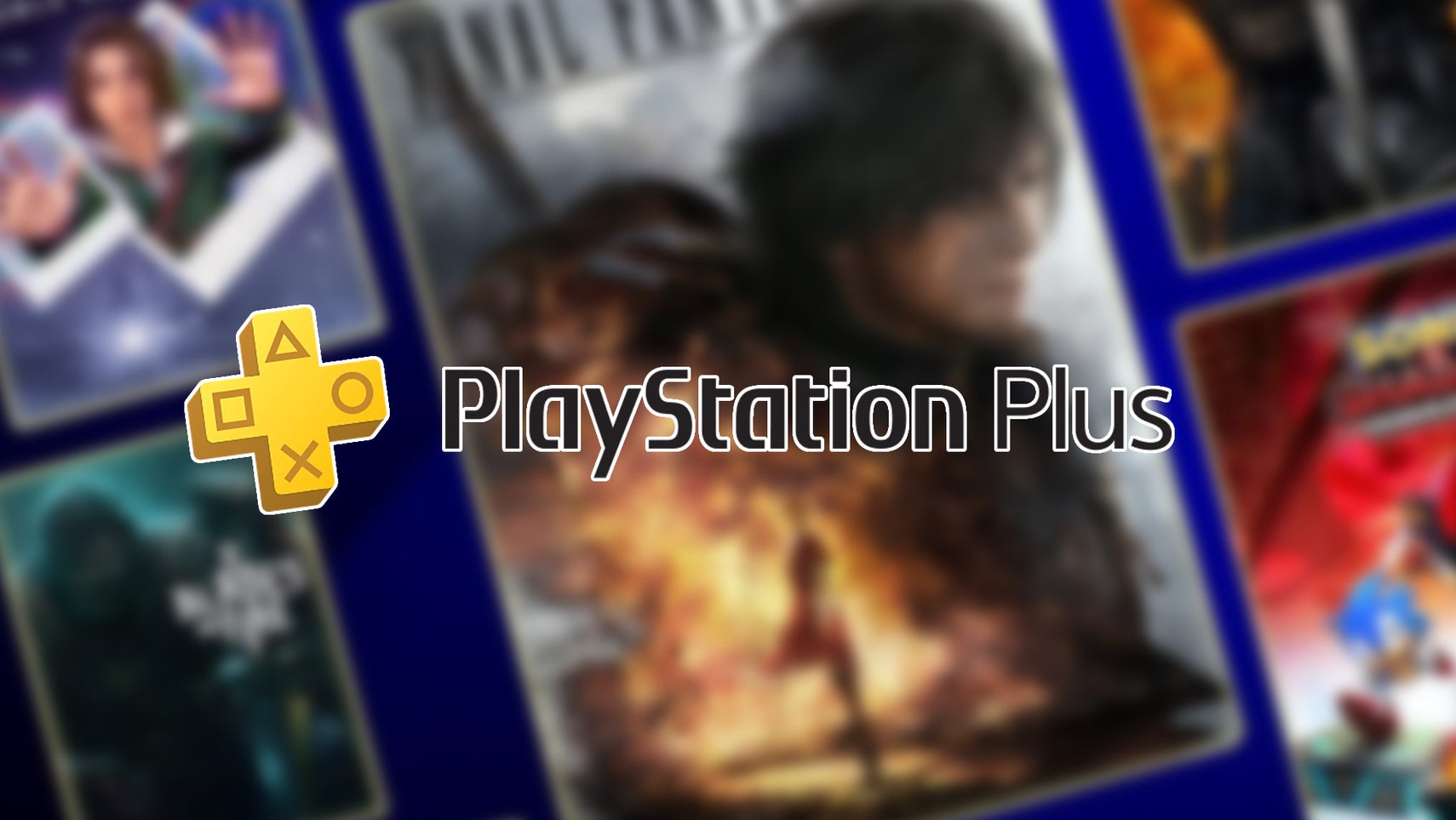
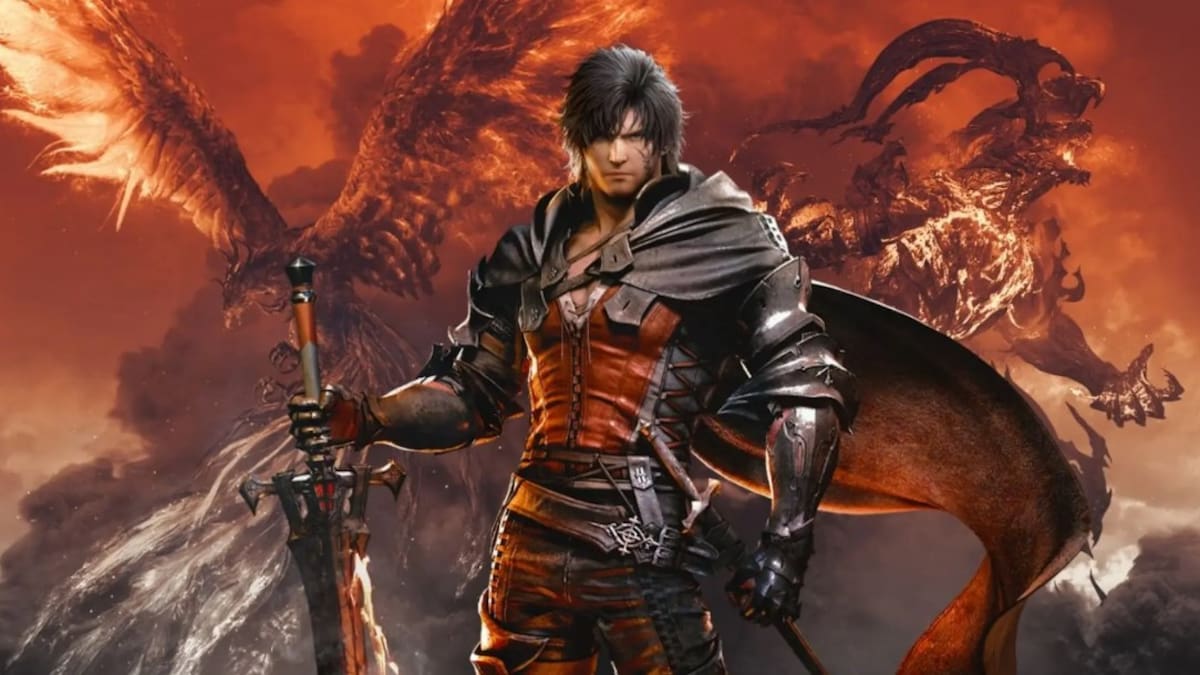
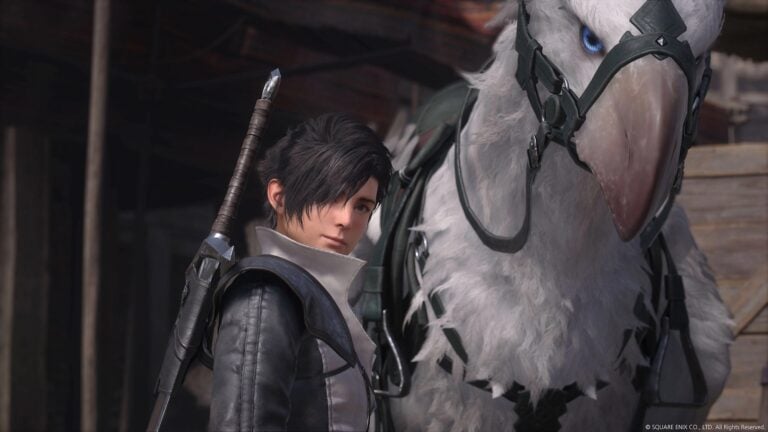
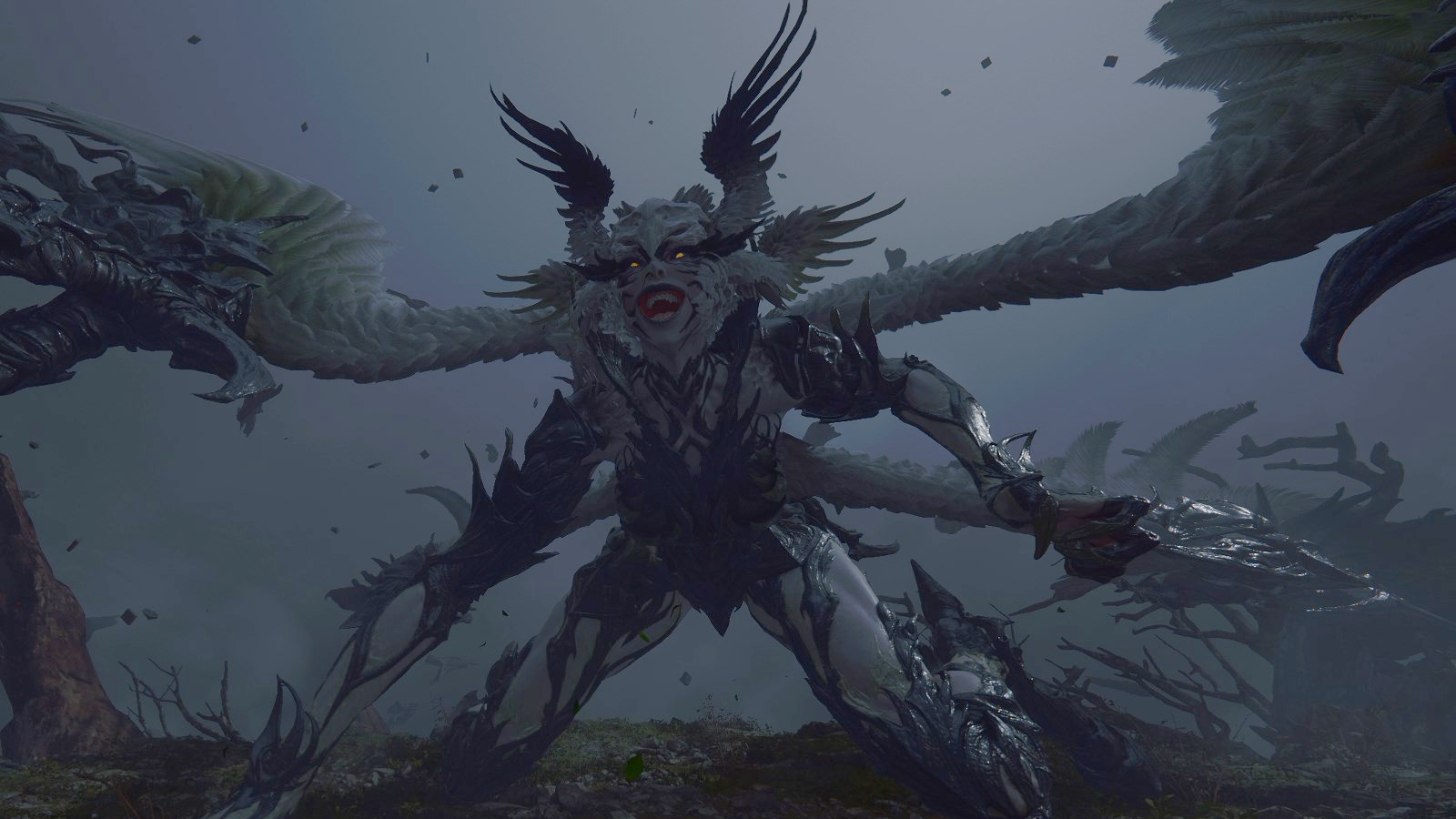
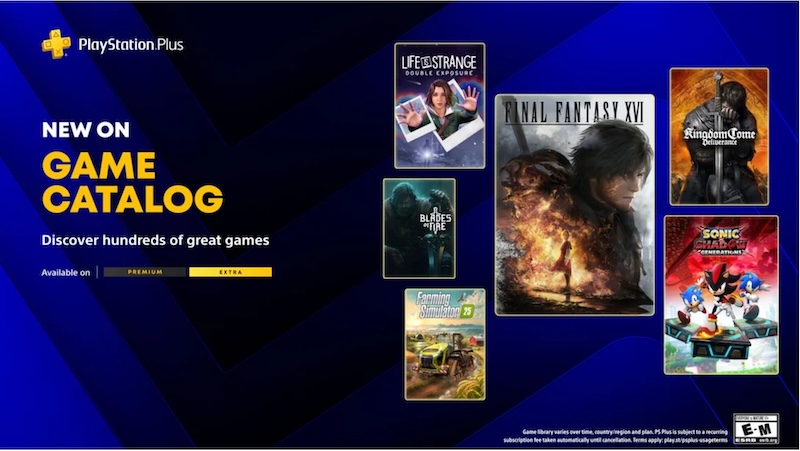
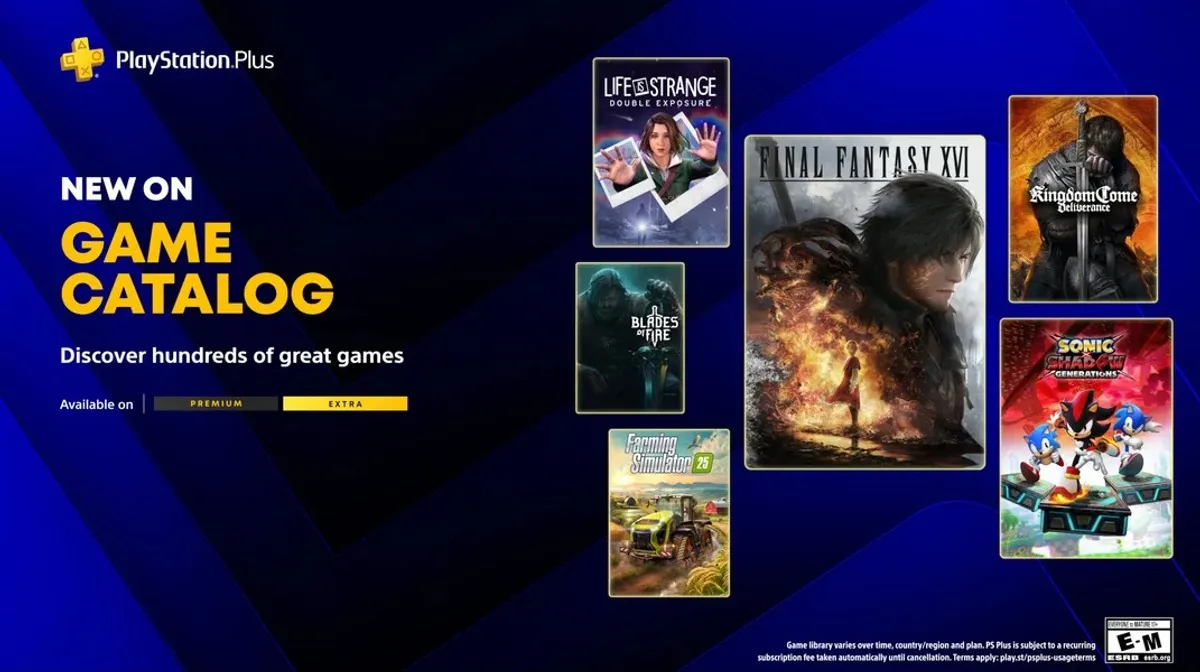
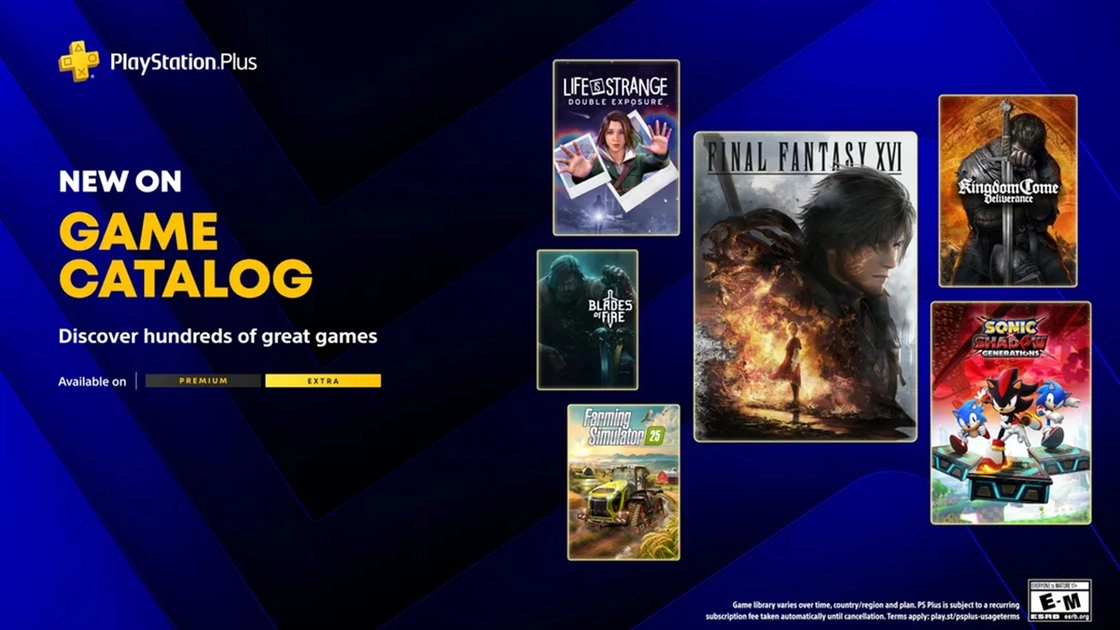
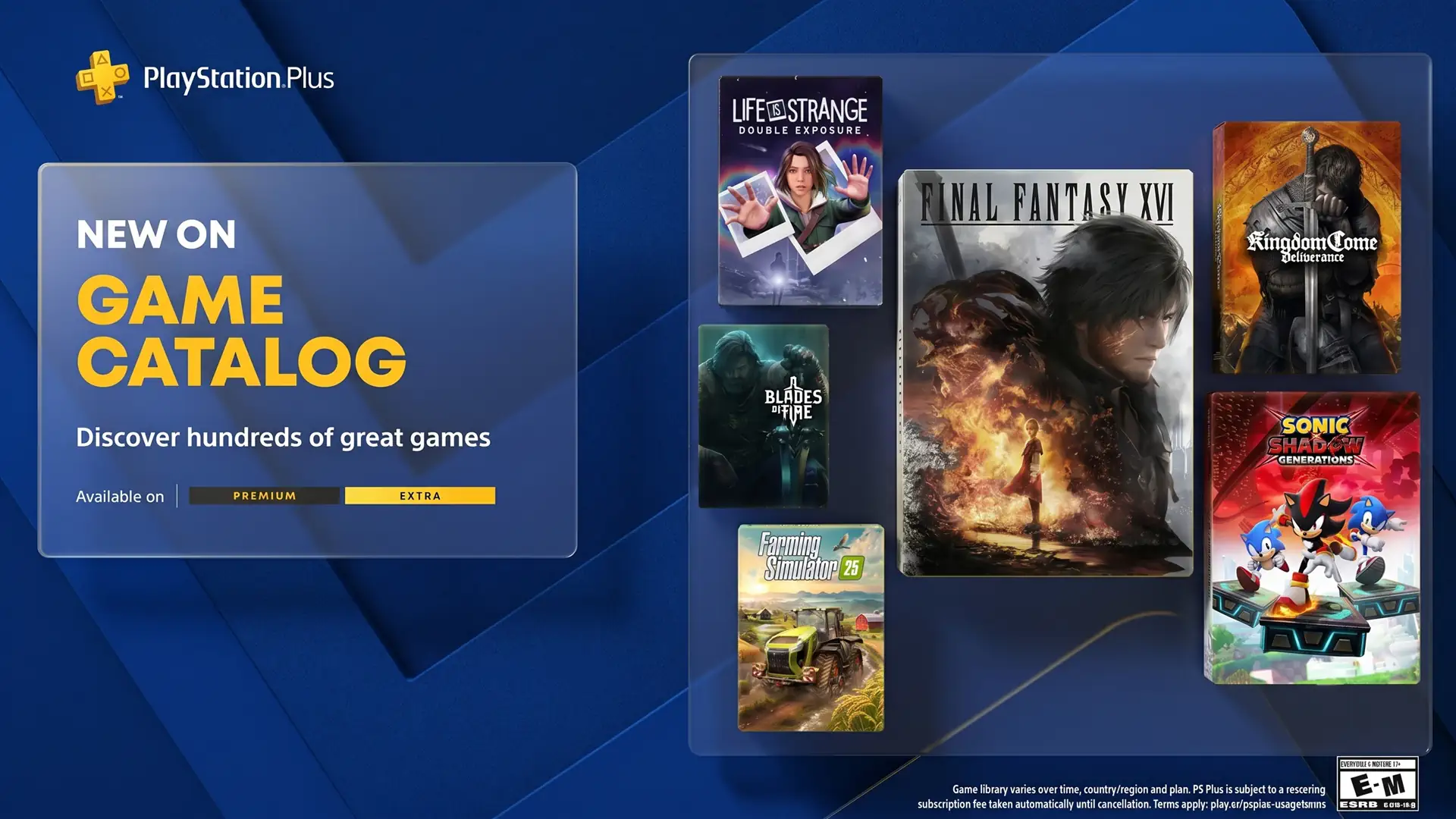
Sony's shift to a staggered PlayStation Plus release schedule beginning June 2026 represents a significant platform strategy change with direct implications for gaming merchandise sellers. Rather than releasing all Extra tier games simultaneously on the 16th of each month, Sony now spreads additions throughout the month in US, UK, and Japan markets—with titles like Sonic X Shadow Generations launching June 10-11, Final Fantasy 16 arriving June 16, and Blades of Fire releasing June 30. This phased approach, designed to increase weekly user engagement and encourage recurring platform visits, creates distinct merchandising windows for sellers targeting gaming enthusiasts.
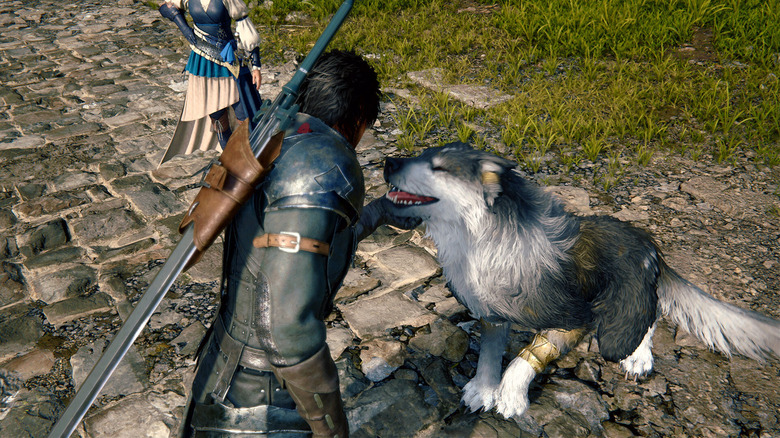
The merchandise opportunity stems from Sony's engagement-focused strategy. By staggering premium title releases across 2-4 week windows, Sony extends the peak engagement period for each game—meaning merchandise demand (apparel, collectibles, accessories, gaming peripherals) remains elevated longer than traditional simultaneous releases. Final Fantasy 16, the headline June 2026 addition, represents a particularly high-value opportunity: as the first mainline Final Fantasy emphasizing real-time action combat, it attracts both legacy franchise fans and new action-RPG players. Kingdom Come: Deliverance and Life is Strange: Double Exposure (arriving June 23) further extend the engagement curve. Sellers can expect sustained search volume for "Final Fantasy 16 merchandise," "Sonic X Shadow Generations collectibles," and related terms across the entire month rather than concentrated spikes.
Regional targeting becomes critical under this model. The staggered approach creates disparities—US, UK, and Japan subscribers receive early access to premium titles while other regions wait until the standard June 16 date. This means sellers should prioritize paid advertising (TikTok Shop, Amazon Ads, Pinterest) in these three markets during the 10-30 day window before each title's release, capturing high-intent buyers planning purchases. The phased rollout also signals Sony's data-driven approach to subscriber behavior, suggesting that engagement metrics will drive future content decisions. Sellers should monitor PlayStation Plus subscriber growth in these regions as a leading indicator of merchandise demand.
Cross-platform content sharing trends amplify the opportunity. Kingdom Come: Deliverance's simultaneous availability on Xbox Game Pass demonstrates that premium AAA titles now launch across multiple subscription services. This expands the addressable audience for merchandise—sellers can target both PlayStation and Xbox communities with unified campaigns, increasing CAC efficiency. The inclusion of classic titles (Gitaroo Man for Premium subscribers) also signals demand for retro gaming merchandise, a high-margin category with strong collector appeal.
Sony's testing of this approach in major markets before potential global expansion suggests the strategy will likely expand beyond June 2026. Sellers should view this as a permanent shift in how gaming engagement peaks are distributed, requiring more granular monthly planning rather than quarterly merchandise cycles.
Questions 8
Which gaming merchandise categories will see the highest demand from June 2026 PlayStation Plus releases?
Final Fantasy 16 (action RPG), Kingdom Come: Deliverance (narrative RPG), and Sonic X Shadow Generations (action-platformer) will drive demand in apparel, collectibles, gaming peripherals, and poster/wall art categories. Final Fantasy 16 specifically attracts both legacy franchise collectors and new action-combat players, making it a high-value merchandise opportunity. Black Desert Online (MMORPG) and Life is Strange: Double Exposure (narrative adventure) expand into niche collectibles and cosplay costume markets. Sellers should prioritize inventory in these categories 2-3 weeks before each title's regional release date.
How does Sony's staggered PlayStation Plus release schedule affect merchandise sellers?
Sony's phased rollout (starting June 2026) extends engagement windows for each game title across 2-4 weeks rather than concentrating demand on a single release date. For example, Sonic X Shadow Generations launches June 10-11 in US/UK/Japan, while Blades of Fire arrives June 30, creating separate merchandise demand peaks. This allows sellers to run targeted campaigns for each title's release window, increasing conversion rates by extending the high-intent buyer period. Sellers should plan inventory and advertising budgets around these staggered dates rather than assuming all games launch simultaneously.