



Iran Conflict & Energy Crisis | Shipping Cost Surge Reshapes Cross-Border Logistics 2026
- Jet fuel, diesel prices surge 30%+ YoY; elevated costs persist through 2026; sellers face 8-15% shipping rate increases











Overview
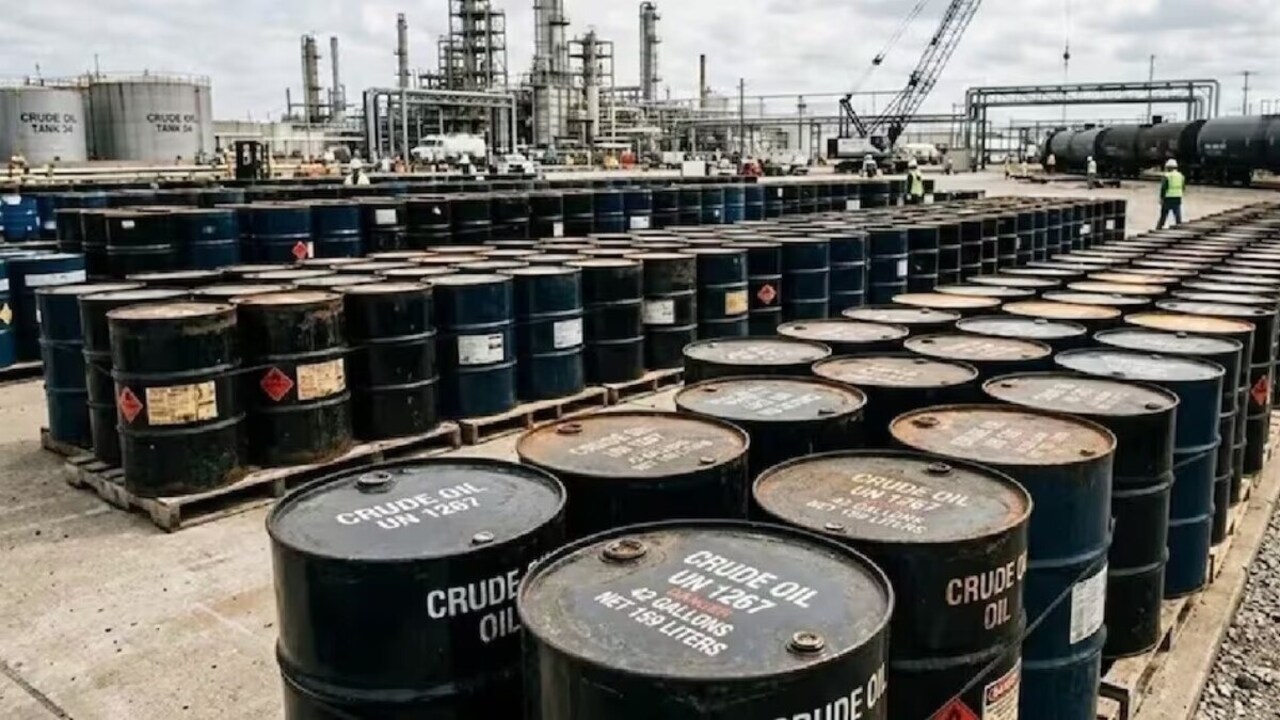
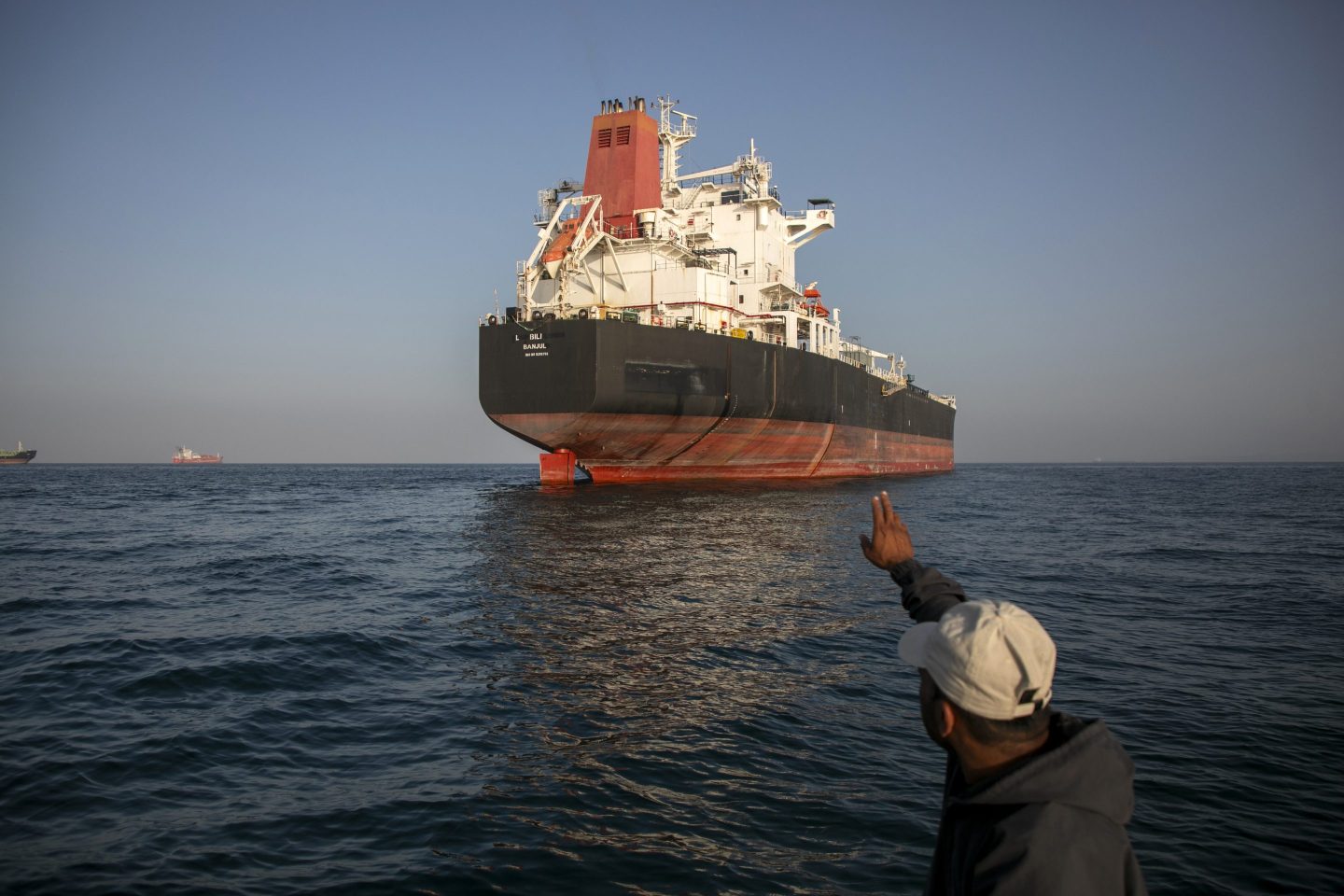
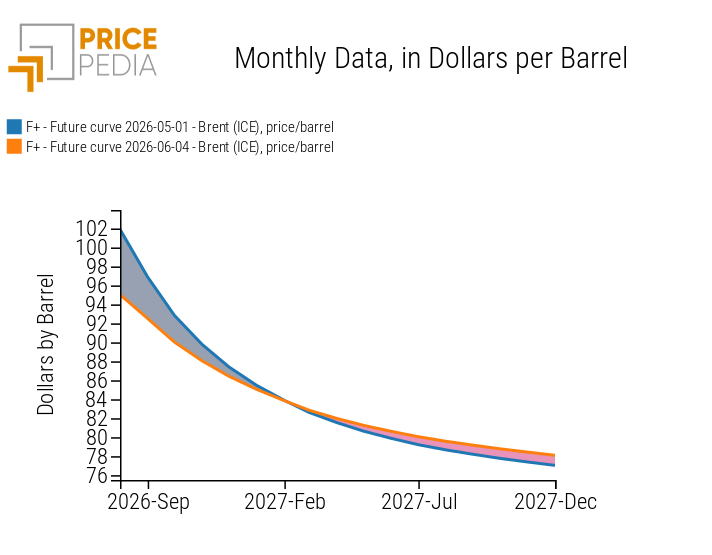
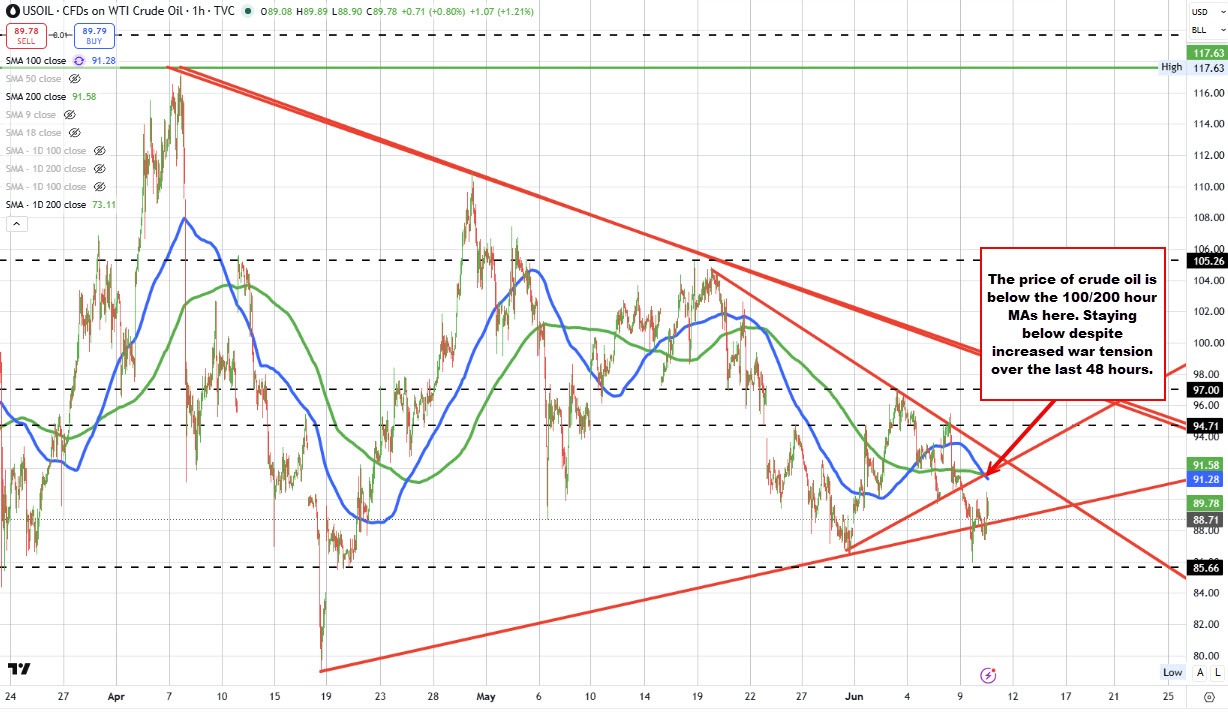
CRITICAL LOGISTICS IMPACT: The Iran conflict and Strait of Hormuz closure have fundamentally disrupted global energy markets, with direct implications for cross-border e-commerce sellers. While crude oil prices remain stabilized around $85-90/barrel in mid-2026 (down from analyst predictions of $200+), this masks a critical supply-side crisis: jet fuel, diesel, and gasoline prices have surged 30%+ year-over-year, with industry forecasts predicting elevated energy costs through 2026. For e-commerce sellers, this translates to immediate shipping cost increases of 8-15% across all logistics corridors—particularly impacting FBA sellers, 3PL providers, and international fulfillment networks.
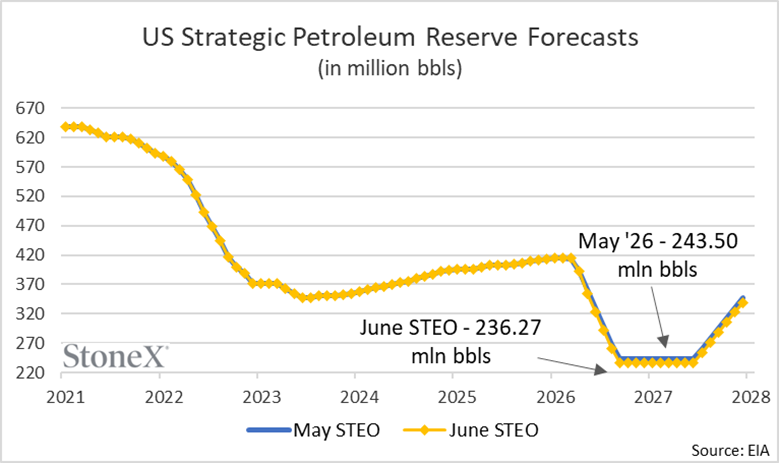
CHINA'S DEMAND DESTRUCTION CREATES TEMPORARY RELIEF: China's strategic response—reducing crude imports from 11 million to 7.8 million barrels daily (May 2026)—accounts for 74% of global crude trade reduction, artificially suppressing headline oil prices. However, this demand destruction masks underlying supply constraints: the Strait of Hormuz closure disrupts 20% of global oil supply (the largest energy disruption in history), yet prices haven't spiked due to China's 1.4 billion-barrel strategic reserve drawdown. The critical risk: China's reserve depletion is unsustainable. Oxford Institute analysts warn that continued conflict will require higher oil prices to restore market equilibrium, as reserves require rebuilding and inventories need replenishment. This signals a 6-12 month window before energy prices spike again—creating urgency for sellers to lock in shipping contracts NOW before rates reset.
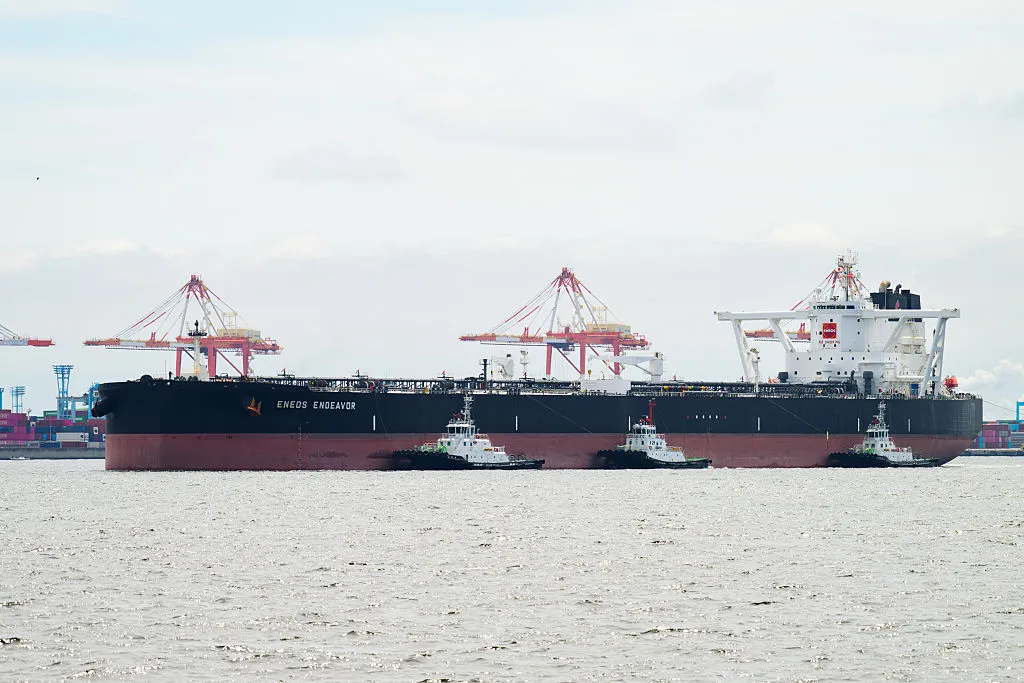
SELLER SEGMENT IMPACT ANALYSIS: Large FBA sellers (1000+ monthly units) face the most acute pressure: Amazon's fulfillment network relies on diesel-powered logistics, with UPS and FedEx already implementing fuel surcharges. Mid-market sellers using 3PL providers see 10-12% cost increases on per-unit fulfillment. International sellers shipping from China/Vietnam to US/EU face compounded pressure: air freight (jet fuel-dependent) has increased 25-35%, while ocean freight (diesel surcharges) adds 8-12% to landed costs. North American sellers enjoy a geographic advantage—US oil producers benefit from distance to Middle East conflicts, potentially offering 3-5% cost savings vs. Asia-based competitors through 2026. Strategic window: Sellers should immediately renegotiate logistics contracts, shift 20-30% of inventory to regional 3PLs, and consider nearshoring sourcing to Mexico/Vietnam to reduce air freight dependency. Delaying 30+ days risks locking in higher rates as competitors secure capacity.
Questions 8
Should I hedge against future energy price spikes by locking in long-term shipping contracts?
Yes—locking in 6-12 month shipping contracts NOW is a strategic hedge against future energy price spikes. Industry forecasts predict elevated energy costs through 2026, with potential acceleration in Q4 2026 when China's strategic reserves require rebuilding. Most 3PLs and freight forwarders offer 6-12 month rate locks at current prices, providing cost certainty and competitive advantage. Calculate your breakeven: If you lock in rates 30 days before competitors, you gain 3-5% cost advantage on all shipments during that period. However, evaluate trade-offs: locked rates reduce flexibility if demand drops; negotiate volume commitments carefully to avoid penalties. Recommended approach: Lock 60-70% of expected volume at current rates; maintain 30-40% flexibility for demand fluctuations. Negotiate force majeure clauses to protect against extreme price spikes. Consult with your 3PL provider on optimal contract structure—most offer tiered pricing that rewards early commitment.
How does the Strait of Hormuz closure affect my international shipping from Asia?
The Strait of Hormuz closure disrupts 20% of global oil supply, directly impacting air freight costs from China/Vietnam to US/EU. Air freight (jet fuel-dependent) has increased 25-35% year-over-year, while ocean freight (diesel surcharges) adds 8-12% to landed costs. For sellers sourcing from Asia, this creates a 15-25% total cost increase on international shipments. However, China's strategic reserve drawdown is unsustainable—Oxford Institute analysts warn that energy prices will spike 6-12 months from now when reserves require rebuilding. Strategic action: Lock in ocean freight contracts for Q3-Q4 2026 NOW at current rates; consider nearshoring 30-40% of sourcing to Vietnam/Mexico to reduce air freight dependency and hedge against future price spikes.