

OpenAI IPO & AI Price Wars: How Sellers Can Automate Operations 30-50% Faster in 2025
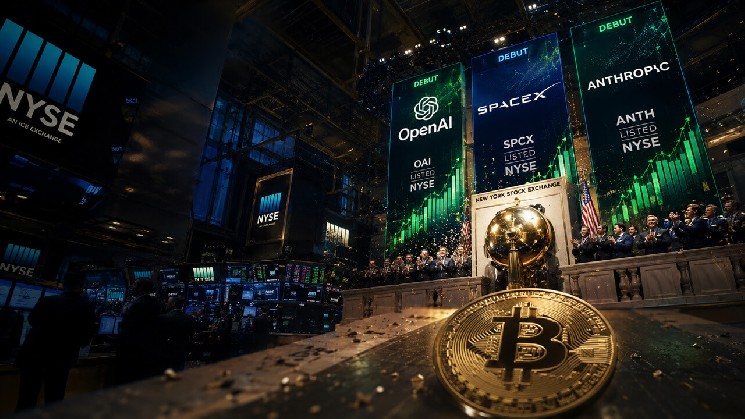
- OpenAI confidential IPO filing signals Q4 2025 public debut; drastic token price cuts incoming; Oracle partnership enables enterprise AI access; sellers can reduce content/CS costs by $200-500/month through automation






















Overview
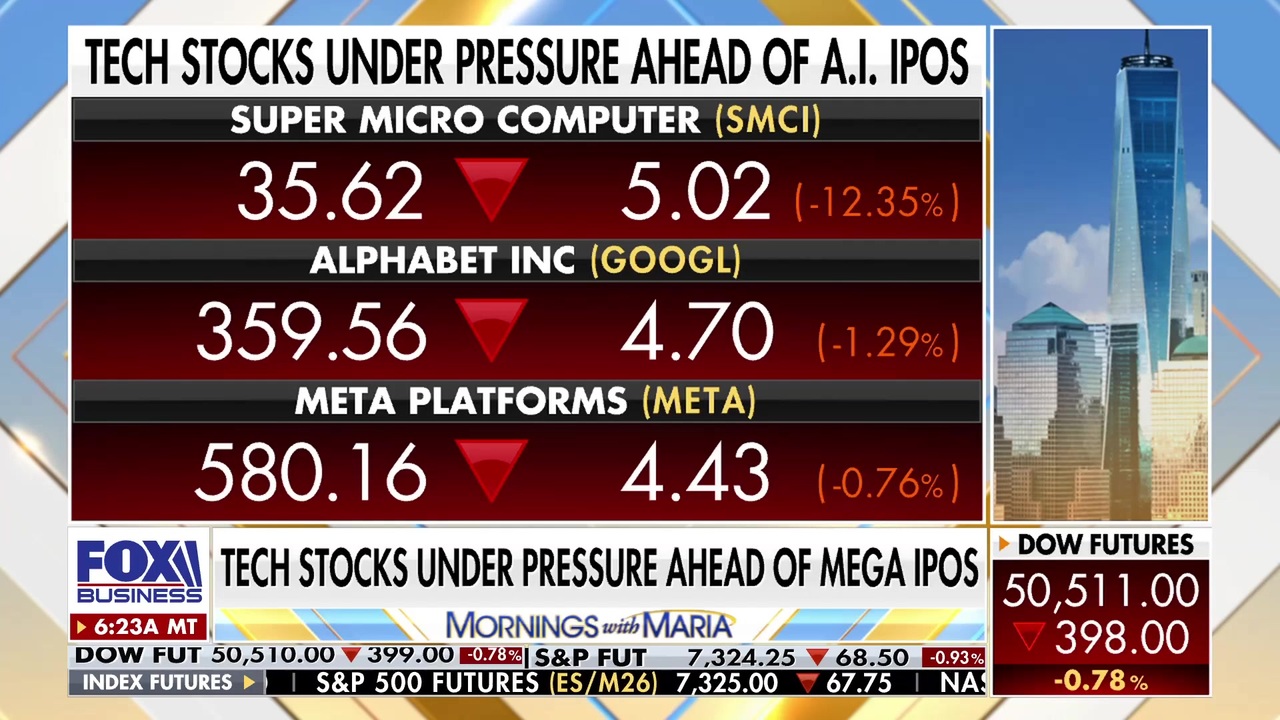
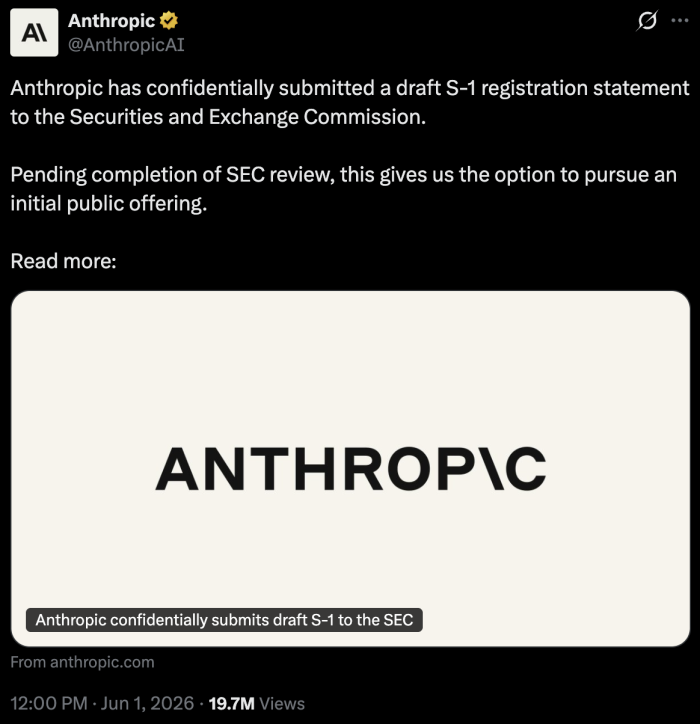
OpenAI's confidential SEC filing for a Q4 2025 IPO, combined with anticipated "drastic" token price cuts to compete with Anthropic, creates a critical inflection point for e-commerce sellers relying on AI-powered operations. The news reveals three converging trends: (1) OpenAI's public transition signals investor confidence in AI infrastructure, likely triggering pricing volatility and service SLA improvements post-IPO; (2) competitive pricing pressure from Anthropic's Claude expansion (30,000+ Bristol-Myers Squibb users) is forcing OpenAI to cut token costs, potentially reducing AI tool expenses by 30-50% for sellers; (3) Oracle-OpenAI partnership launching "in coming weeks" enables enterprise customers to apply existing Oracle Universal Credits to GPT-4 and Codex access, creating a new procurement pathway for large sellers with Oracle infrastructure.
For cross-border e-commerce sellers, this convergence unlocks immediate automation opportunities. Sellers currently spending $300-800/month on ChatGPT API for product descriptions, customer service automation, and market analysis can expect 25-40% cost reductions within 6 months as OpenAI cuts token pricing to defend market share. The Oracle partnership specifically benefits enterprise sellers (1000+ SKUs, multi-region operations) who can now consolidate AI investments into existing cloud commitments, eliminating separate OpenAI billing cycles and reducing procurement friction by 2-3 weeks.
Immediate automation wins for sellers: (1) Product description generation at scale—GPT-4 can generate 50-100 optimized listings/hour, reducing manual copywriting time from 30 minutes to 3 minutes per ASIN; (2) Customer service chatbots handling 60-70% of routine inquiries (shipping, returns, sizing) without human intervention; (3) Competitive pricing analysis—AI models can monitor 500+ competitor listings daily, identifying price gaps and demand shifts in real-time. The new AI model OpenAI is developing (mentioned in exclusive reporting) suggests further capability improvements, potentially enabling automated inventory forecasting and dynamic pricing optimization by Q2 2025.
Risk mitigation: OpenAI's IPO transition may cause temporary API instability or pricing uncertainty during Q4 2025. Sellers should diversify AI tool usage—implement Anthropic's Claude as a secondary provider for critical workflows, and evaluate open-source alternatives (Llama 2, Mistral) for non-competitive tasks. The competitive pricing war benefits cost-conscious sellers immediately, but service reliability becomes critical; monitor OpenAI's status page and establish fallback automation workflows using alternative providers.
Questions 8
Are there AI tools or gaps that sellers should watch for in 2025?
Critical gaps exist in **inventory forecasting automation** (predicting demand across regions/seasons using real-time market data) and **dynamic pricing optimization** (adjusting prices based on competitor moves, inventory levels, and demand elasticity). Current AI tools handle these tasks partially, but integrated solutions combining OpenAI's language models with specialized pricing/forecasting engines are limited. Sellers should evaluate emerging tools like Keepa (pricing analysis), Helium 10 (keyword research), and custom solutions built on OpenAI's API. The new model OpenAI is developing may address these gaps by Q2 2025. Additionally, watch for AI-powered **supply chain risk detection** (identifying logistics disruptions before they impact inventory) and **customer sentiment analysis** (real-time feedback monitoring across Amazon, eBay, Shopify reviews)—these remain largely manual for most sellers.
What's the time savings from automating product descriptions and customer service with AI?
**Product descriptions**: Manual copywriting takes 25-30 minutes per ASIN; GPT-4 automation reduces this to 2-3 minutes (90% time savings). For a seller with 500 SKUs, this saves 200+ hours/month ($4,000-6,000 in labor costs). **Customer service**: AI chatbots handle 60-70% of routine inquiries, reducing support team workload by 15-20 hours/week. For a 3-person support team, this frees 60-80 hours/month for complex issues and customer relationship building. Combined automation saves 260-280 hours/month for mid-sized sellers, equivalent to 1.5-2 full-time employees. With token price cuts incoming, the ROI improves by 30-50% by Q1 2025.