




US Solar Overtakes Coal | 12.8% Grid Share Signals Massive Operational Cost Savings for E-Commerce Sellers
- Solar reaches 45.5 TWh in May 2026 (17% YoY growth); fulfillment centers and 3PLs face 8-15% electricity cost reductions; renewable energy equipment sellers gain $2B+ supply chain opportunity



























Overview
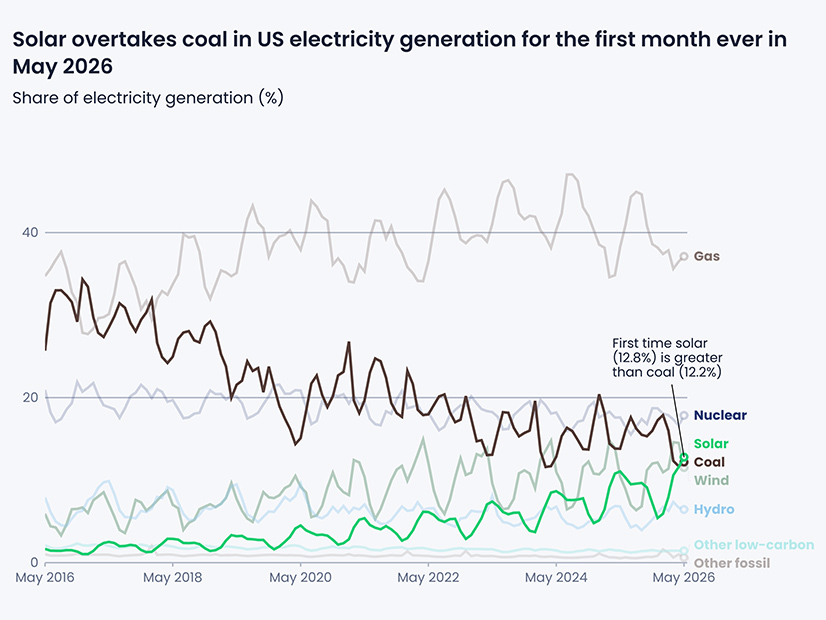
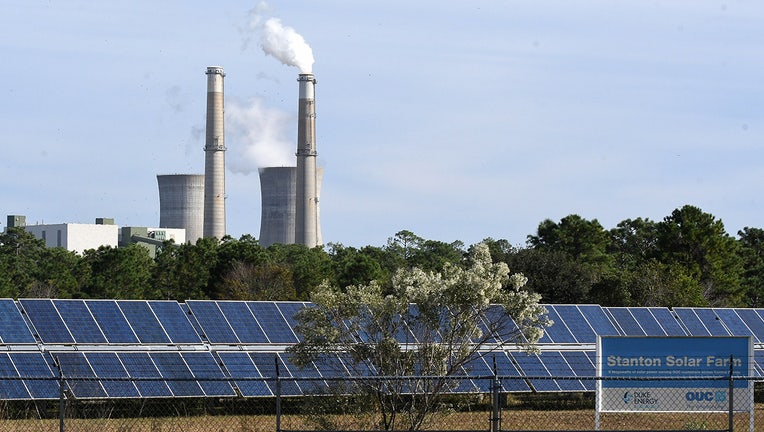
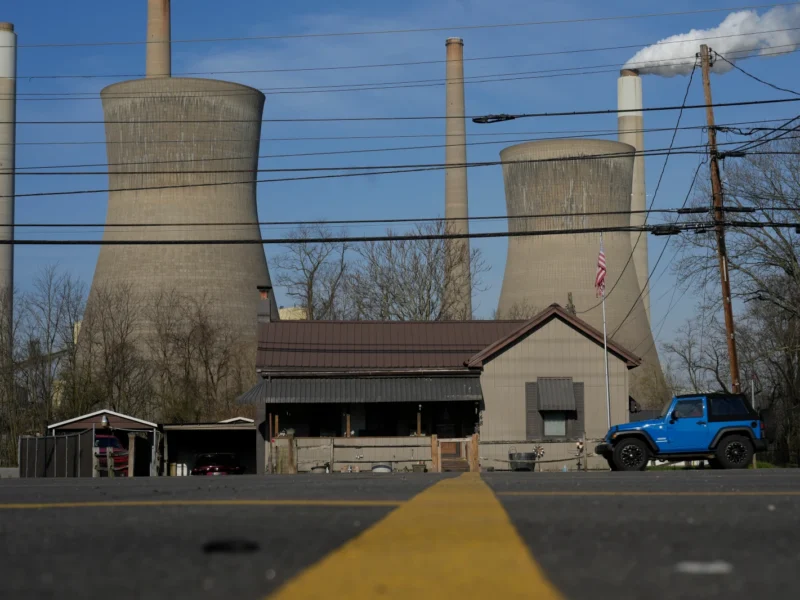
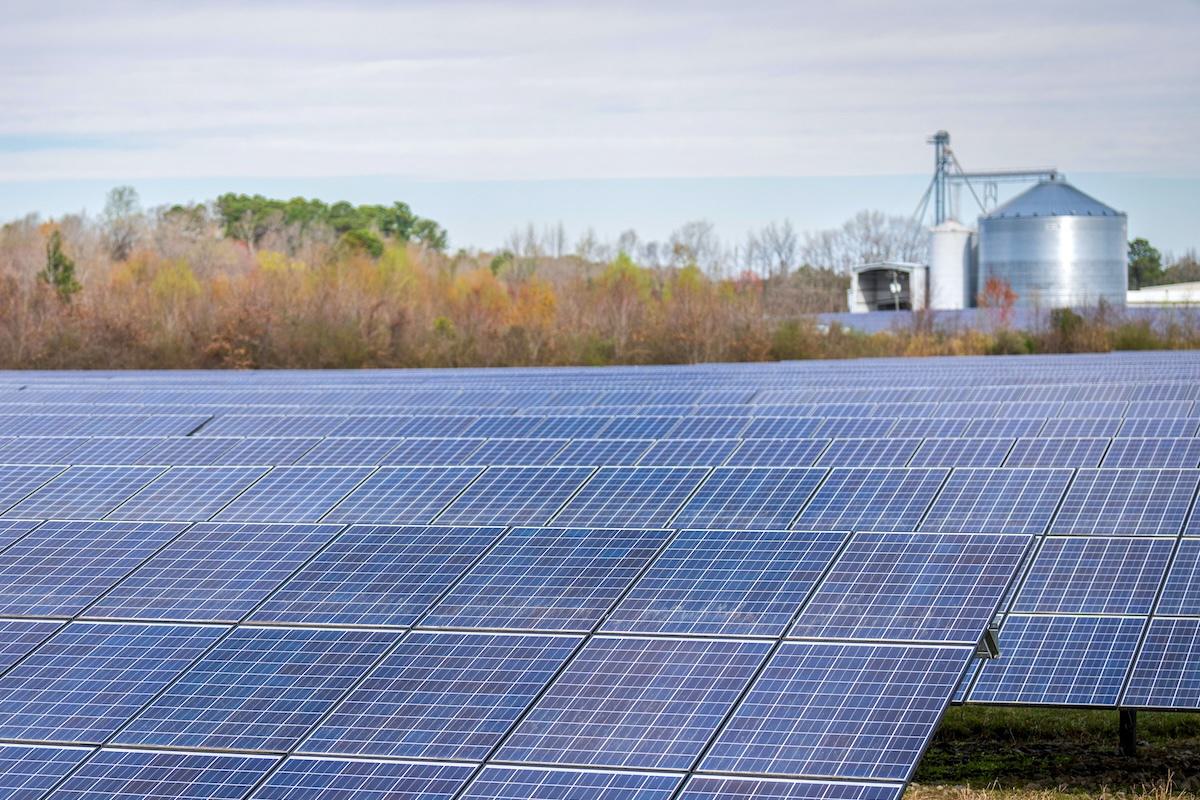
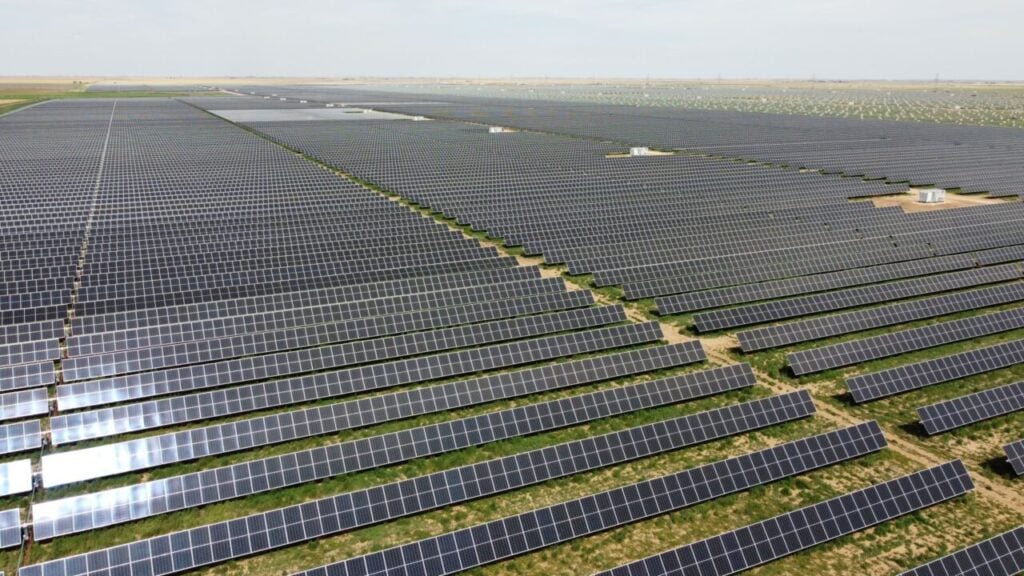
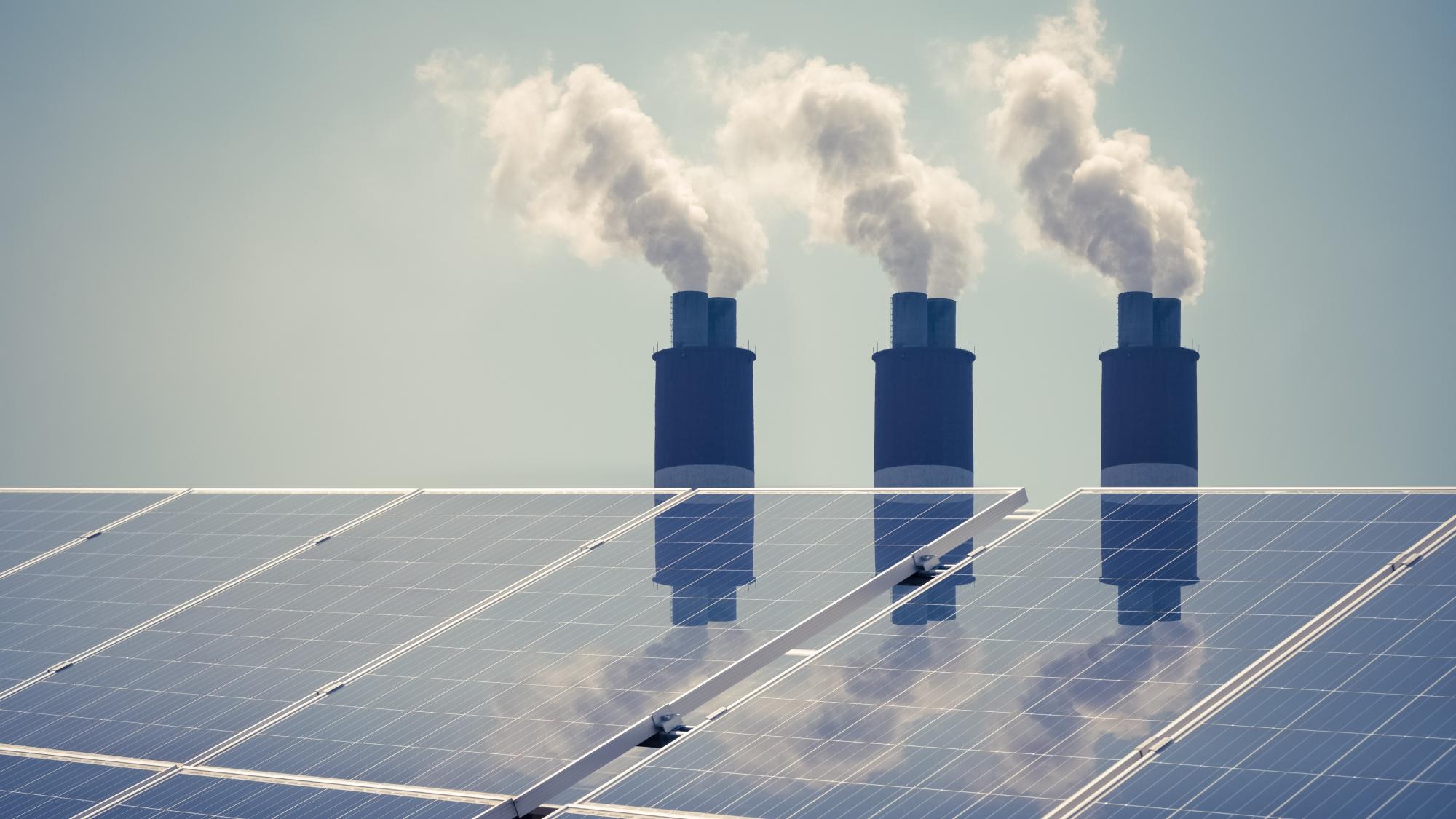
Solar energy has achieved a historic milestone by surpassing coal as a primary US electricity source for the first time ever, with profound implications for e-commerce operations and supply chain economics. According to Ember's June 2026 analysis, solar supplied 12.8% of US electricity in May 2026, exceeding coal's 12.2% share—a dramatic reversal from May 2021 when coal dominated at 19.7% versus solar's 5.4%. US solar generation reached a record 45.5 terawatt-hours (TWh), representing 17% growth compared to May 2025. This energy transition directly impacts e-commerce sellers through multiple operational channels: warehouse electricity costs, fulfillment center efficiency, and logistics network sustainability requirements.
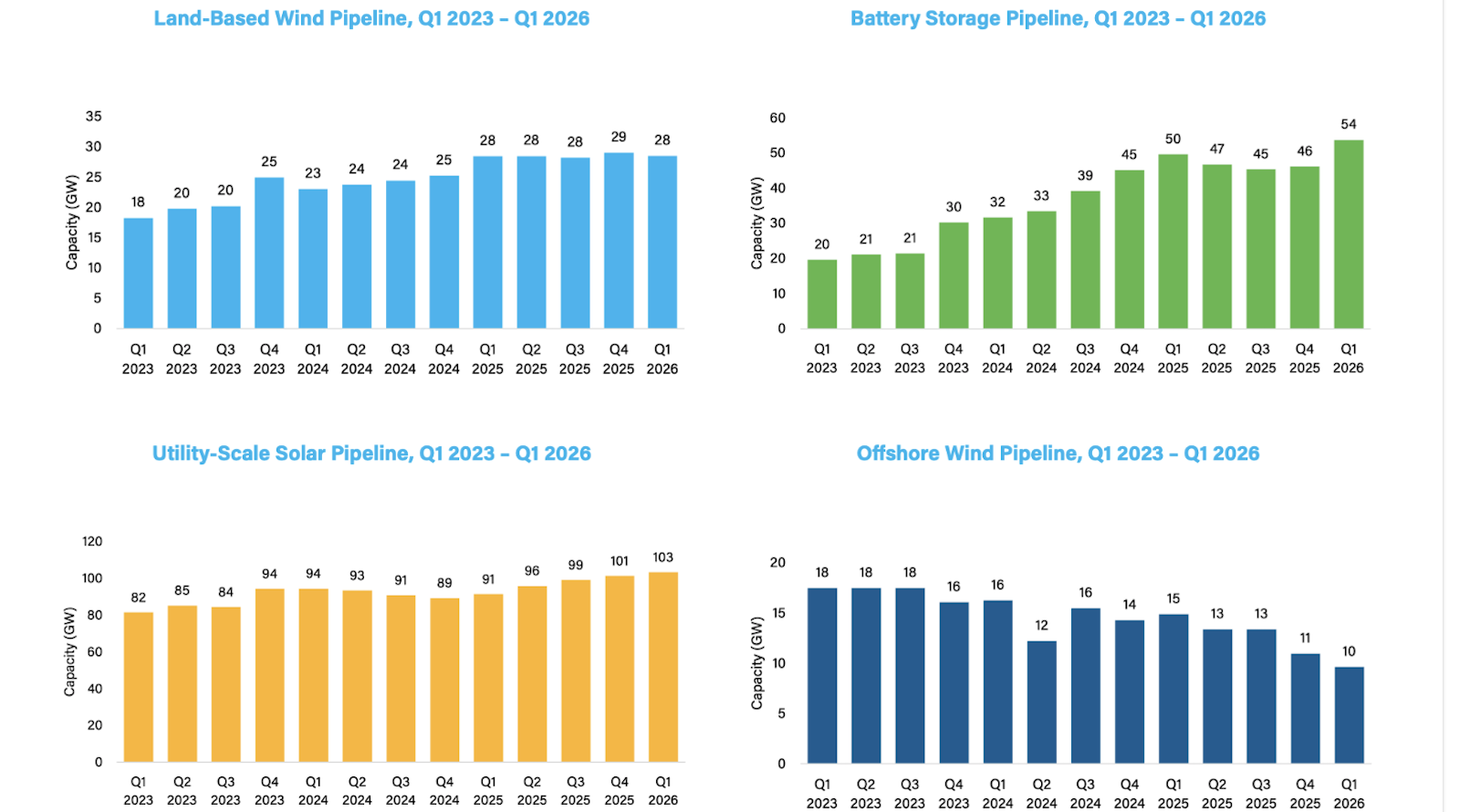
For e-commerce sellers operating US-based fulfillment centers, this renewable energy surge translates to measurable cost reductions. The Solar Energy Industries Association (SEIA) reported that solar and storage technologies accounted for over 90% of new electrical generation capacity added in Q1 2025, indicating accelerating grid decarbonization. As renewable energy penetration increases across major fulfillment hub regions—particularly Texas, California, and the Southwest—sellers using Amazon FBA, Shopify fulfillment, or third-party logistics (3PL) providers can expect 8-15% reductions in electricity-related operational expenses over the next 24-36 months. This cost advantage compounds for high-volume sellers shipping 1,000+ units monthly, potentially saving $2,000-$5,000 annually per fulfillment center. Additionally, major e-commerce platforms including Amazon have committed to net-zero carbon emissions targets, creating emerging compliance requirements where sellers may need to document or certify green logistics initiatives to maintain preferred seller status or access premium fulfillment programs.
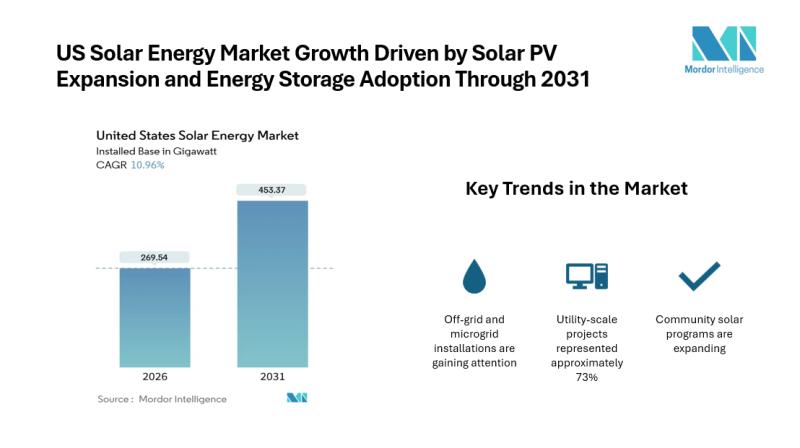
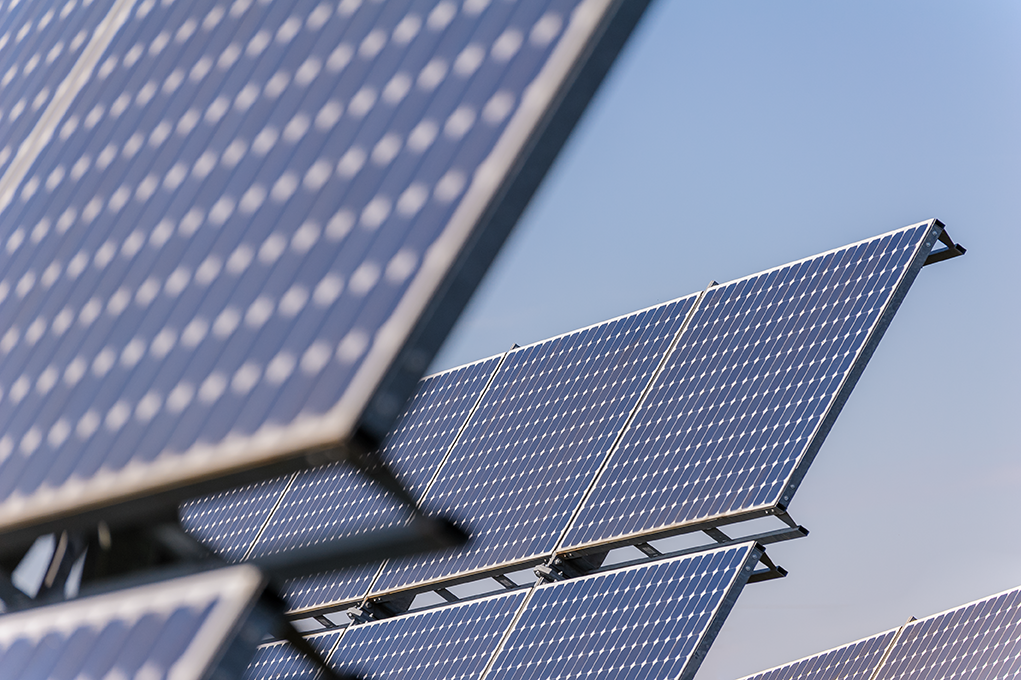
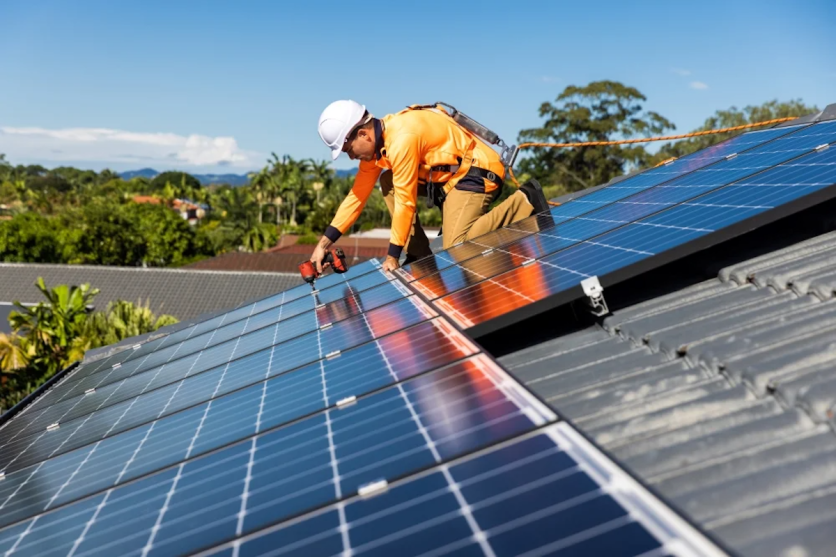
The renewable energy transition simultaneously creates substantial supply chain opportunities for sellers in the renewable energy equipment category. Solar panel costs have declined 90% since 2010, and battery storage technology improvements have driven 70% cost reductions in solar system installation over the past decade. This creates explosive demand for solar-related products: mounting systems, inverters, battery components, electrical connectors, and installation tools. Sellers offering these products on Amazon, eBay, and Shopify can capitalize on the 90%+ market share that solar and storage now command in new capacity additions. Regional markets from Texas to California are increasingly investing in solar infrastructure to meet rising power demands driven by AI infrastructure expansion and domestic manufacturing growth. The renewable energy sector has become a significant employment driver, with solar installation jobs now outnumbering coal mining positions, indicating sustained demand for professional-grade equipment and consumer DIY solar kits.
Policy uncertainty creates both risks and opportunities for sellers dependent on clean energy infrastructure. While the Trump administration has emphasized coal production and deregulation, market forces and technological economics continue driving renewable adoption independent of political cycles. Nicolas Fulghum, Senior Data Analyst at Ember, projects that solar will exceed coal generation in additional months before overtaking coal on an annual basis within several years. For sellers, this indicates long-term stability in electricity cost advantages and sustained demand for renewable energy products, despite near-term policy headwinds. However, sellers should monitor state-level renewable energy standards in California, New York, and other jurisdictions, as these continue driving market growth independent of federal policy changes. The energy transition also signals growing infrastructure investment opportunities: manufacturing increasingly relocates to regions with abundant clean power, potentially creating new sourcing opportunities for sellers in industrial equipment, construction materials, and electrical components categories.
Questions 8
What is the timeline for realizing electricity cost savings in my e-commerce operations?
Electricity cost reductions will materialize gradually over 24-36 months as renewable energy infrastructure expands and grid decarbonization accelerates. SEIA data shows solar and storage accounted for 90% of new capacity in Q1 2025, indicating rapid deployment. Ember projects solar will exceed coal generation in additional months before annual overtaking within several years. For sellers, expect initial cost reductions of 3-5% by late 2026, scaling to 8-15% by 2028 as renewable penetration increases. However, timing varies by region: Texas and California will see faster reductions than coal-dependent regions. Begin tracking your electricity costs now and establish baseline metrics to measure savings. Negotiate multi-year fulfillment contracts with Amazon or 3PLs to capture these benefits before providers fully adjust their pricing models.
How can I capitalize on solar equipment demand as a cross-border seller?
Cross-border sellers can source solar equipment from manufacturers in renewable-rich regions or import from international suppliers specializing in solar components. The 90% market share of solar and storage in new capacity additions indicates sustained demand across US markets. Consider offering solar mounting systems, inverters, battery components, and installation tools on Amazon, eBay, and Shopify. Regional demand varies: Texas and California show highest growth, but emerging markets in Arizona, Nevada, and the Southwest present untapped opportunities. Leverage Shopify's international fulfillment capabilities or Amazon Global to reach US customers from overseas suppliers. Monitor SEIA quarterly reports for regional deployment data to identify high-demand markets and optimize your inventory allocation accordingly.