

Pentagon Blacklist Expands to 188 Chinese Firms | Supply Chain & Tariff Implications for Cross-Border Sellers
- US designates Alibaba, BYD, CATL, and 185 others as military-linked; direct defense contracts banned immediately, third-party purchases restricted June 2027; creates tariff arbitrage opportunities for non-designated suppliers in EV, battery, and electronics categories



Overview
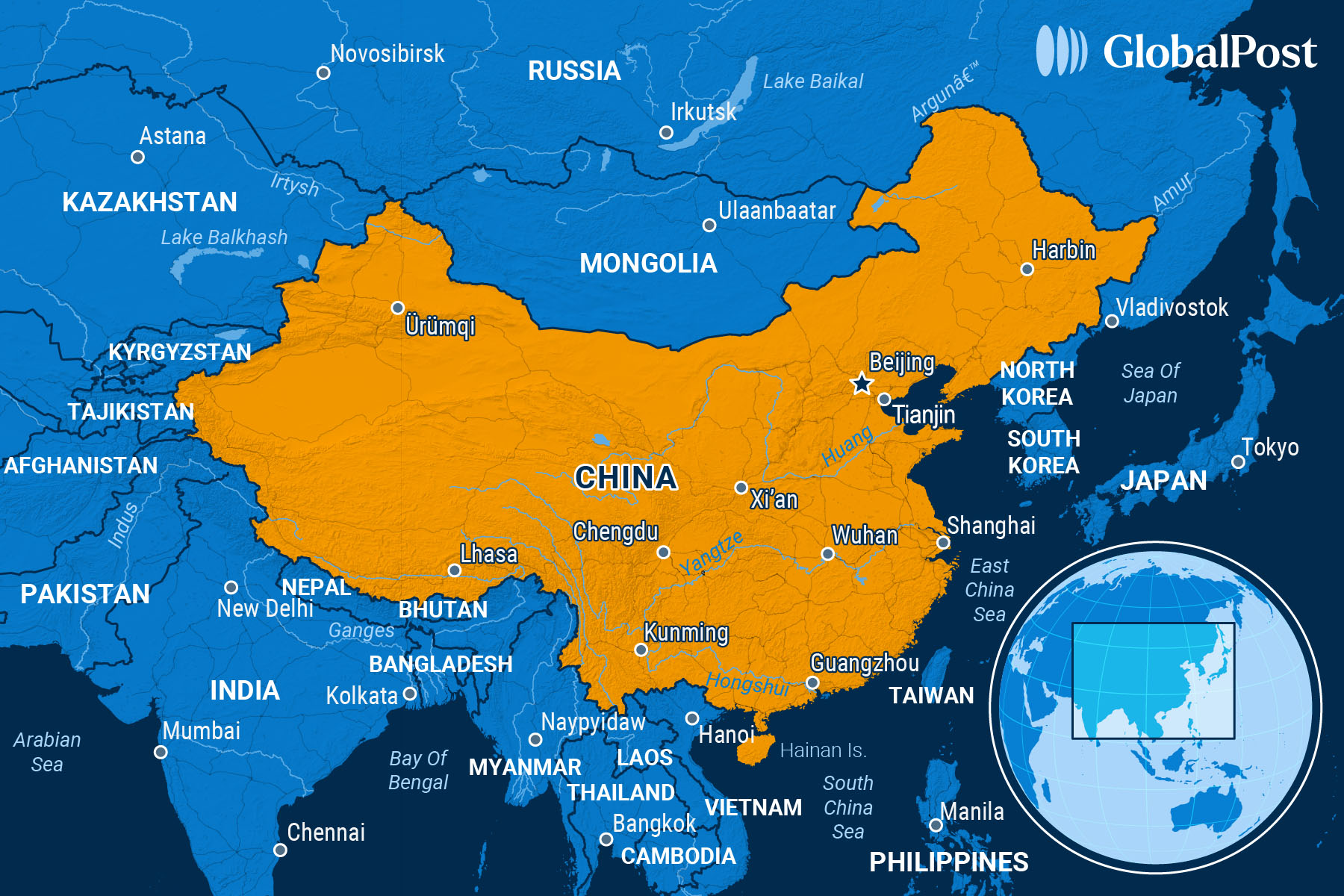
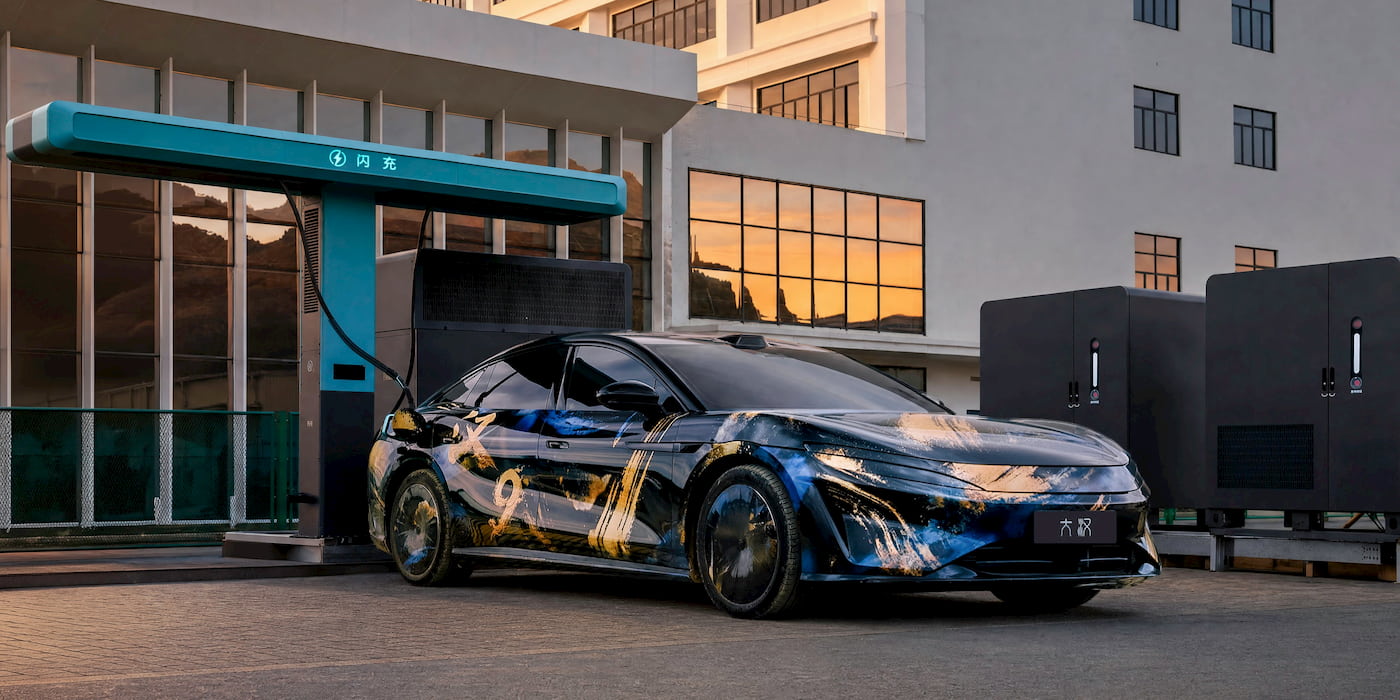
The US Department of Defense expanded its Section 1260H military-linked entities list to 188 Chinese companies in 2025, up from 134 previously, fundamentally reshaping cross-border supply chains and creating significant tariff arbitrage opportunities for sellers. The blacklist now includes Alibaba (e-commerce), BYD (world's largest EV maker with 2.25M 2025 deliveries), CATL (largest battery producer), Baidu, TP-Link, JA Solar, Trina Solar, and battery makers CALB and EVE Energy. Direct Pentagon contracts are prohibited effective immediately, with third-party purchase restrictions beginning June 2027.
Critical for cross-border sellers: This designation creates a 16-month window (now through June 2027) where non-designated suppliers can capture market share in battery, solar, networking, and EV component categories. The blacklist primarily targets defense contracting and dual-use technologies (AI, advanced manufacturing, robotics, semiconductors), but the reputational damage signals broader US-China trade tensions that will likely trigger retaliatory tariffs or export controls. China's Foreign Ministry has indicated potential responses through its "unreliable entity list" and Anti-Foreign Sanctions Law, suggesting sellers should expect counter-measures by Q3 2025.
Tariff arbitrage opportunity: Sellers sourcing EV batteries, solar panels, and networking equipment from non-designated Chinese suppliers (or pivoting to Vietnam, India, Indonesia alternatives) can exploit the 16-month window before June 2027 restrictions fully activate. BYD's minimal US passenger vehicle presence (only Lancaster, CA bus plant) means consumer EV aftermarket parts remain largely unaffected, but commercial battery sourcing faces immediate reputational risk. CATL's designation is particularly significant—it supplies 40%+ of global EV batteries; sellers relying on CATL-sourced batteries for US government or defense-adjacent contracts must immediately diversify to LG Energy Solution, SK Innovation, or Panasonic to avoid June 2027 third-party purchase bans.
Market access shift: The blacklist accelerates sourcing diversification away from China's largest tech/manufacturing firms. Sellers in solar (JA Solar, Trina Solar designated), networking (TP-Link designated), and batteries (CALB, EVE Energy designated) should immediately audit supply chains and consider Vietnam, India, or Indonesia alternatives. Vietnam's solar manufacturing capacity has grown 35% YoY; India's battery production is expanding 40% annually. These alternatives currently carry 5-15% higher unit costs but avoid reputational/compliance risk. The 16-month window allows sellers to negotiate long-term contracts with non-designated suppliers before June 2027 restrictions tighten.
Competitive dynamics: Large sellers (Amazon FBA, Shopify merchants with $5M+ annual volume) face immediate compliance audits; small/medium sellers (under $1M annual) have more flexibility but should monitor supply chain exposure. US-based sellers have advantage over China-based competitors in accessing non-designated supply chains. The designation signals ongoing systemic competition despite diplomatic efforts—Xi's planned September US visit may trigger further restrictions or temporary trade pauses, creating urgency for Q2 2025 sourcing decisions.
Questions 8
What is the tariff arbitrage opportunity created by the blacklist expansion?
Sellers can exploit a **16-month window (now through June 2027)** to source from non-designated Chinese suppliers or pivot to Vietnam/India alternatives before third-party purchase restrictions activate. Current tariff rates on EV batteries from China average 25%; Vietnam batteries carry 10-15% tariffs. By sourcing from Vietnam now and locking in long-term contracts, sellers can capture 10-15% margin improvement through June 2027, then maintain supply chain stability post-restriction. India's battery production is growing 40% annually with tariffs at 12-18%. Sellers should immediately: (1) audit current CATL/CALB/EVE Energy exposure, (2) negotiate 18-24 month contracts with Vietnam/India suppliers at current rates, (3) build inventory buffers before June 2027 restrictions tighten.
Which product categories face the highest supply chain disruption from the blacklist?
**EV batteries, solar panels, networking equipment, and semiconductor components** face highest disruption. CATL's designation is critical—it supplies 40%+ of global EV batteries; sellers relying on CATL must immediately pivot to **LG Energy Solution, SK Innovation, or Panasonic**. Solar firms **JA Solar and Trina Solar** represent 25%+ of global capacity; sellers should source from **First Solar, Canadian Solar, or Enphase** alternatives. **TP-Link** (networking) can be replaced by **Cisco, Netgear, or Ubiquiti**. Battery makers **CALB and EVE Energy** have alternatives in **BYD Batteries, SVOLT, or Gotion High-Tech**. The 16-month window (now through June 2027) allows sellers to negotiate contracts before restrictions fully activate.