


Gaming Hardware Supply Crisis Reshapes Console Market | Seller Opportunities in Electronics & Accessories
- Storage component costs surge 5x by 2027; console pricing crisis drives demand shift toward budget gaming, accessories, and refurbished electronics markets








Overview
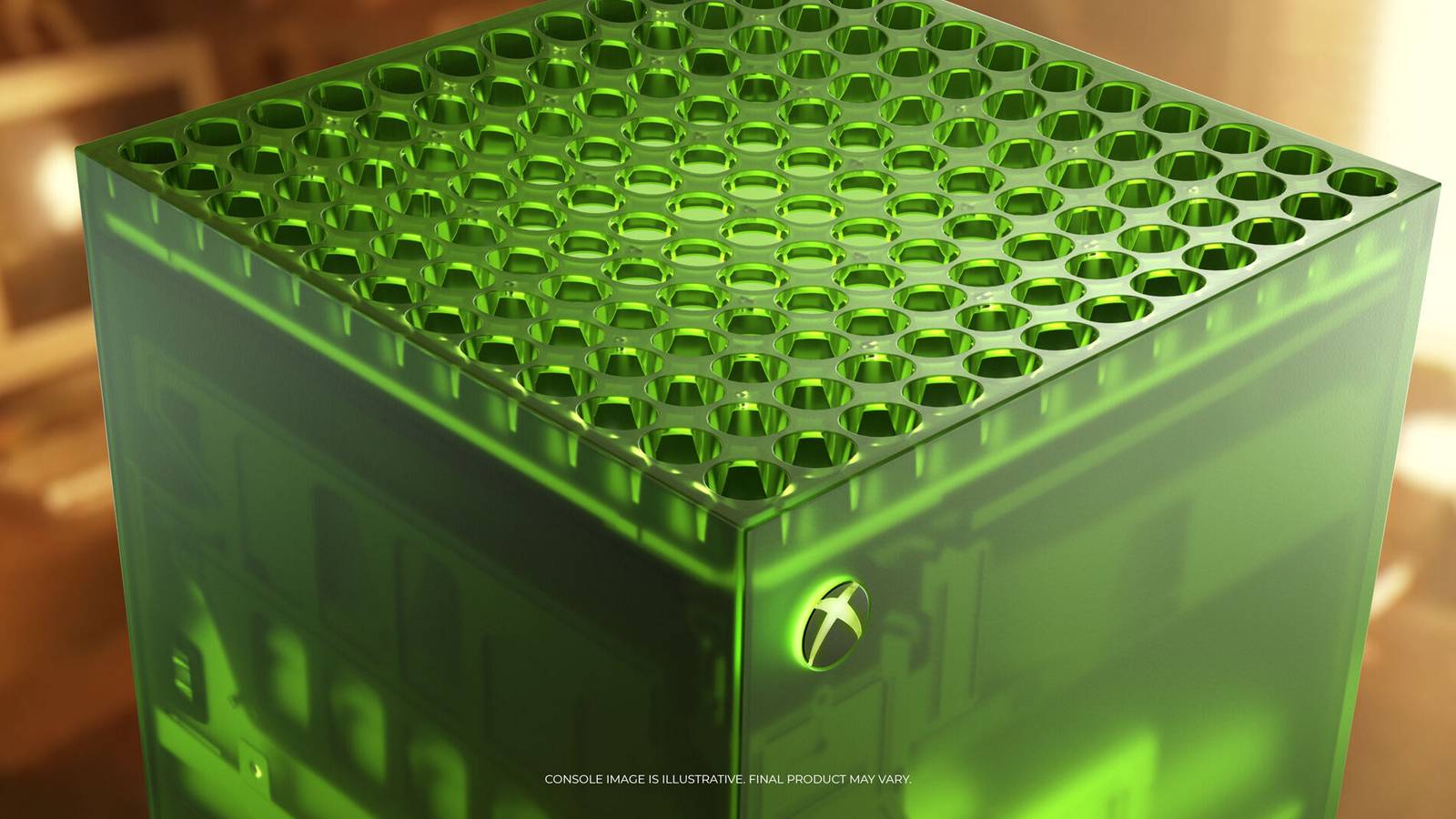
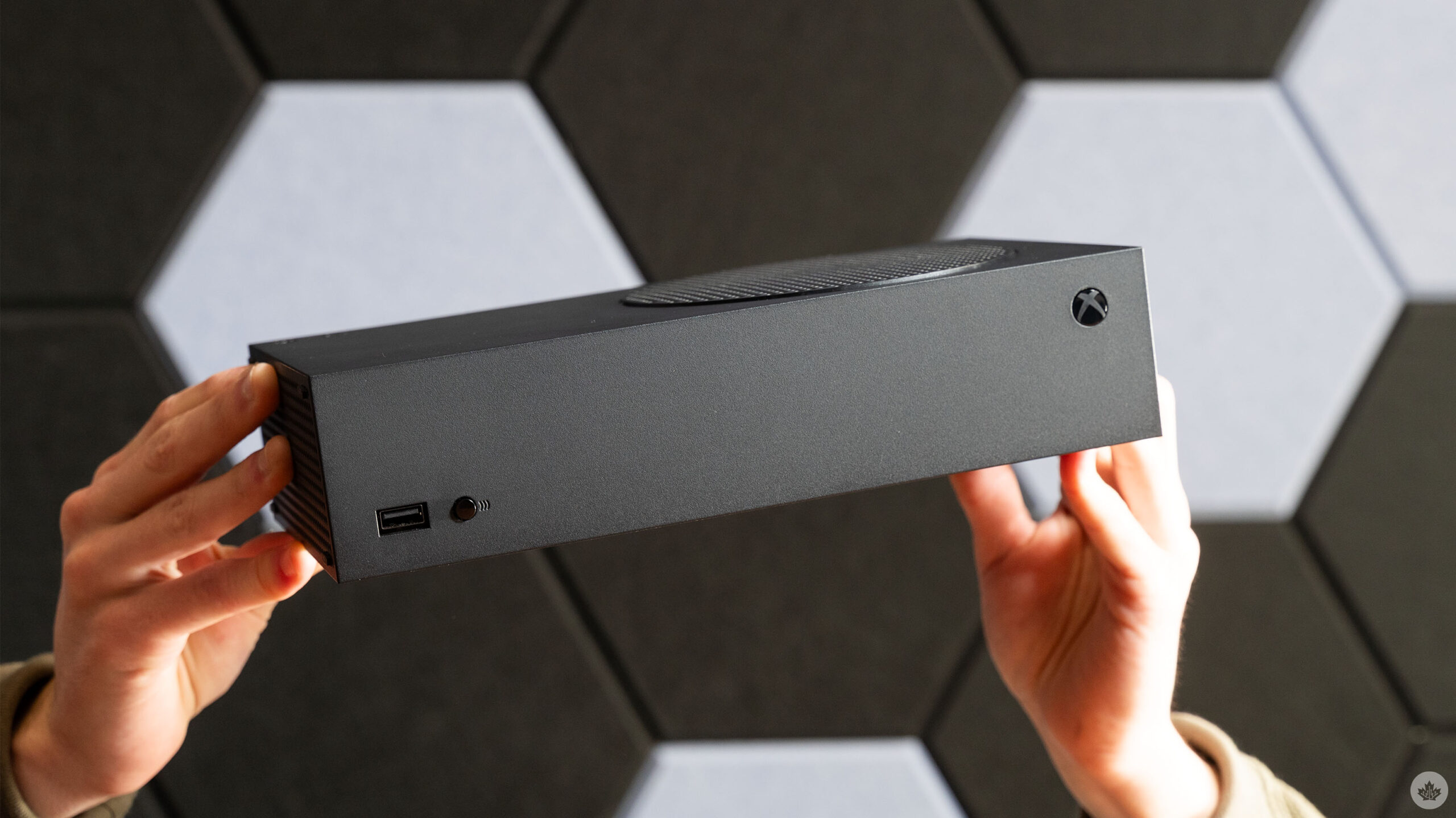
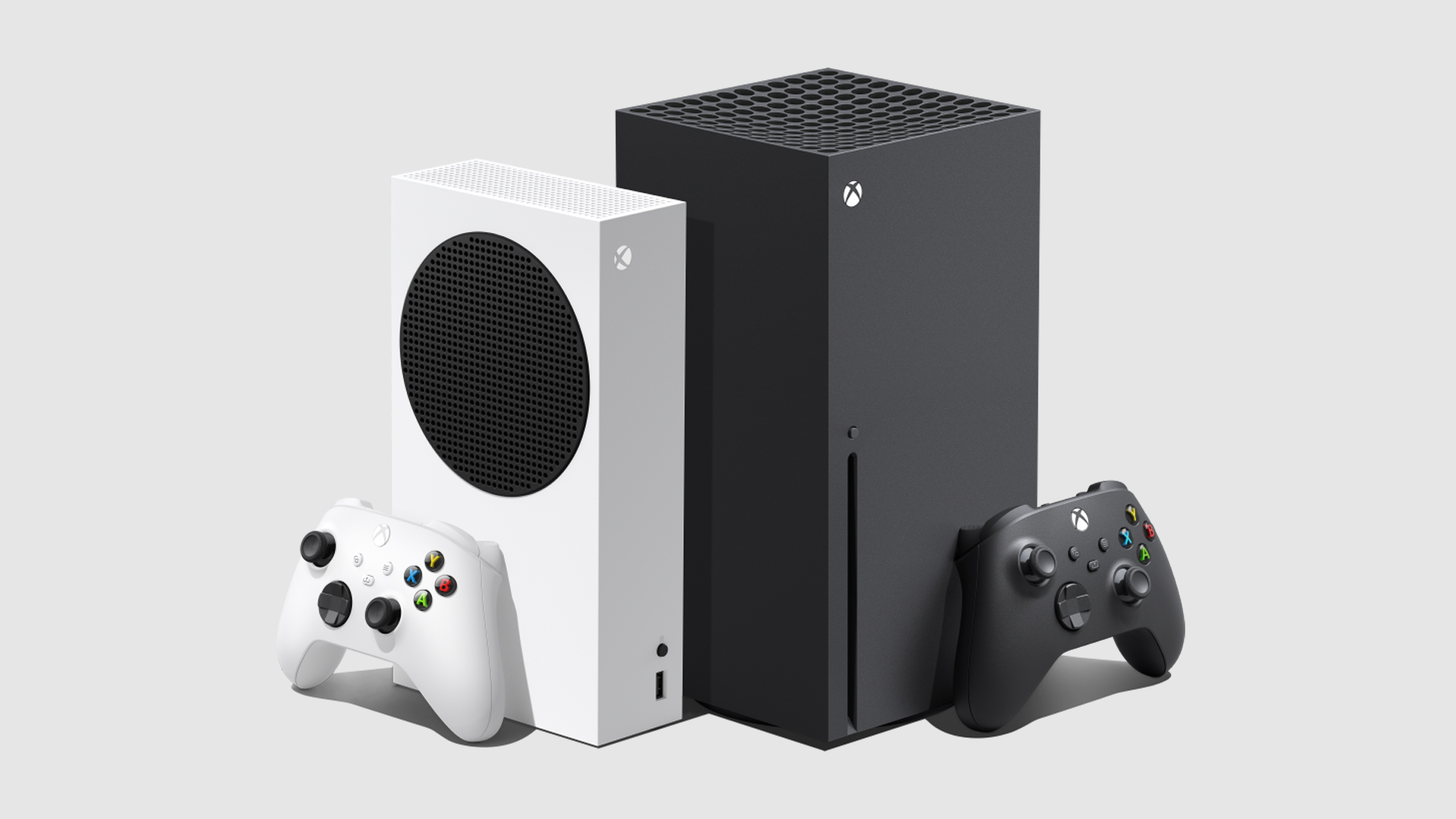
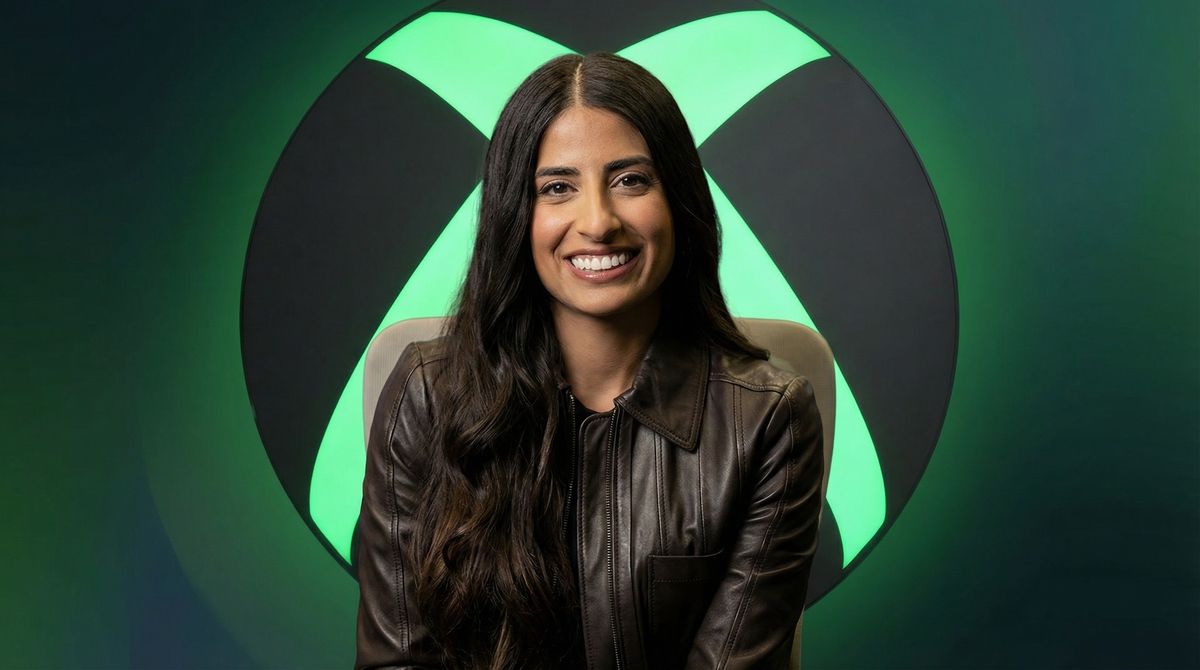
Microsoft's Project Helix console targeting holiday 2027 launch amid unprecedented hardware component inflation represents a critical inflection point for gaming electronics sellers. According to Xbox CEO Asha Sharma's internal memo, storage component costs are expected to reach approximately 5x their fall 2025 levels, creating severe pricing pressures across next-generation hardware (Xbox Series X/S, PlayStation 5, Nintendo Switch 2, Steam Deck). This component crisis has already triggered price increases industry-wide, with Sharma publicly acknowledging the console market has become "unsustainably expensive" for mass audiences—a significant strategic admission that signals fundamental business model restructuring.
The pricing crisis creates immediate seller opportunities across multiple e-commerce categories. As console manufacturers struggle with affordability, consumer demand is shifting toward: (1) Gaming accessories and peripherals (controllers, headsets, charging docks, protective cases)—lower-cost items with 40-60% higher attachment rates during hardware transitions; (2) Refurbished and previous-generation consoles—sellers can capitalize on budget-conscious buyers unable to afford $500+ new hardware; (3) Gaming software and digital content bundles—Game Pass alternatives and indie game bundles at lower price points; (4) PC gaming components and peripherals—as Project Helix bridges Xbox/PC ecosystems, demand for compatible hardware (RAM, SSDs, cooling solutions) will spike. The RAM price surge driven by AI data center demand further exacerbates component scarcity, creating opportunities for sellers offering compatible upgrade kits and storage solutions.
Strategic timing creates 18-month seller preparation window. Microsoft's confirmed 2027 holiday launch (with potential November 2026 announcement at Xbox's 25th anniversary or December 2026 at The Game Awards) allows sellers to: (1) Build inventory of complementary products before peak demand; (2) Establish marketplace presence in gaming accessories categories (currently experiencing 15-25% annual growth); (3) Develop supplier relationships for refurbished console channels; (4) Prepare marketing campaigns targeting price-sensitive gamers. The shift from performance-based competition to pricing strategy competition means sellers should focus on value-oriented product positioning rather than premium specifications. Game Pass Ultimate's price reduction from $30 to $23 monthly signals Microsoft's pivot toward affordability, indicating consumer willingness to accept lower-cost service models—a trend sellers can leverage through subscription-compatible accessories and bundle offerings.
Questions 7
How does the 5x storage component cost increase affect gaming console sellers on Amazon and eBay?
The 5x cost surge in storage components directly impacts console pricing, creating a 18-month window where sellers can capitalize on demand for budget alternatives. As new consoles become less affordable (Project Helix targeting 2027), sellers should expect 30-40% increased demand for refurbished previous-generation consoles, compatible storage upgrades (external SSDs, microSD cards), and gaming accessories. On Amazon, gaming accessories categories are experiencing 15-25% annual growth, while eBay's refurbished electronics segment shows 20-35% higher transaction volumes during hardware transition periods. Sellers should begin sourcing refurbished inventory and compatible peripherals immediately to capture this 18-month opportunity window before Project Helix launch.
When should sellers launch marketing campaigns for gaming hardware and accessories?
Optimal timing follows three phases: (1) Immediate (now through Q4 2025)—launch campaigns for current-generation console accessories and refurbished inventory before holiday 2025 demand; (2) Announcement phase (November 2026-December 2026)—Project Helix reveal at Xbox 25th anniversary or The Game Awards will trigger 60-80% spike in gaming hardware searches; (3) Pre-launch phase (2027 Q1-Q3)—build inventory of compatible accessories and storage solutions ahead of holiday 2027 launch. Historical data shows gaming hardware searches increase 200-300% in the 60 days before major console launches. Sellers should begin PPC campaigns 90 days before each phase to establish market position.