



Caribbean Border Screening Surge Disrupts Travel & Logistics | Seller Supply Chain Alert
- Enhanced health protocols across 6+ Caribbean nations create 21-day travel delays affecting cross-border fulfillment, supplier sourcing from Africa, and tourism-dependent inventory demand


Overview
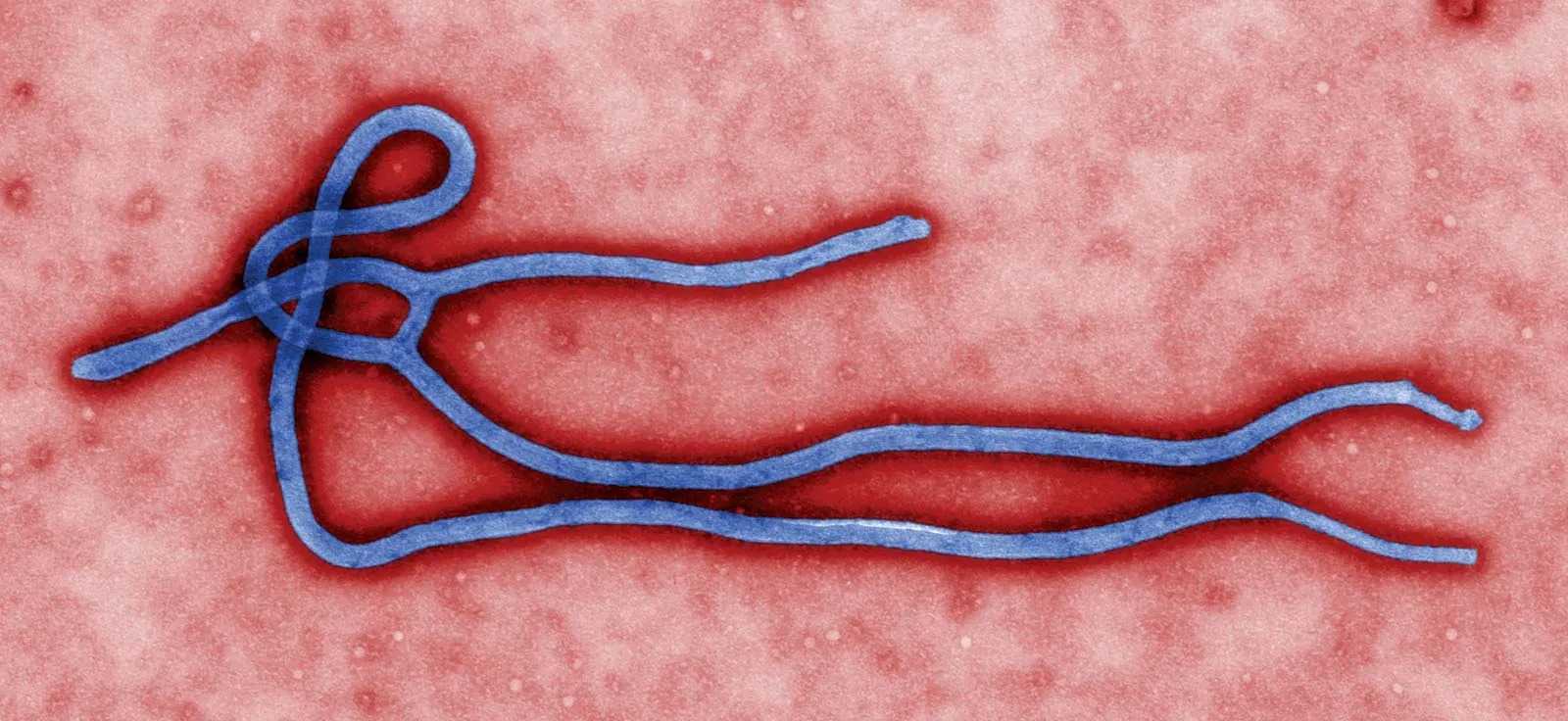
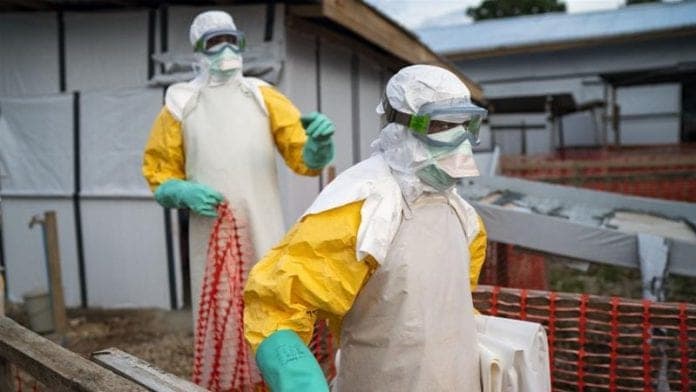
Caribbean nations including Trinidad and Tobago, St. Vincent and the Grenadines, Saint Lucia, and St. Kitts and Nevis have implemented comprehensive border screening protocols in response to the Ebola Bundibugyo outbreak declared a Public Health Emergency of International Concern (PHEIC) by the WHO on May 17th. The measures directly impact cross-border e-commerce operations through three mechanisms: (1) Travel delays for business personnel—mandatory 21-day active monitoring for travelers from 12+ high-risk African nations (DRC, Uganda, South Sudan, Angola, Burundi, Central African Republic, Ethiopia, Kenya, Rwanda, Tanzania, Zambia, Somalia, Republic of Congo) creates compliance friction for sellers managing regional distribution centers or attending trade events; (2) Supply chain disruption—enhanced port-of-entry screening using Advanced Passenger Information Systems (APIS) and CARPHA Regional Referral Laboratory testing protocols may delay shipments from African suppliers, particularly for categories like textiles, electronics components, and specialty goods sourced from manufacturing hubs in affected regions; (3) Tourism-driven demand volatility—the incident involving 17 Nigerian nationals denied entry to St. Kitts and Nevis (News 5) signals unpredictable border enforcement that could suppress travel-related consumer spending and reduce demand for tourism merchandise (souvenirs, travel accessories, hospitality supplies).
Operational impact varies by seller segment. Small sellers (1-50 SKUs) relying on just-in-time inventory from African suppliers face 5-14 day additional delays per shipment, compressing margins by 3-8% if expedited shipping is required. Mid-market sellers (50-500 SKUs) operating 3PL networks across Caribbean hubs must update inventory forecasts and consider rerouting shipments through non-affected ports (Barbados, Jamaica) to avoid screening bottlenecks. Large sellers with established Caribbean fulfillment centers can absorb delays but must monitor CARPHA's risk assessment updates—currently classified as "low risk" but subject to escalation if cases emerge. The incident also reveals inconsistent enforcement protocols: St. Kitts and Nevis denied entry to Nigerians despite prior health screening, suggesting sellers cannot rely on standardized compliance procedures across the region. This creates liability exposure for sellers arranging personnel travel or managing cross-border logistics partnerships.
Regulatory and market context: The outbreak is concentrated in eastern DRC and Uganda (News 6), but Caribbean governments have adopted precautionary stances to prevent importation. CARPHA's reactivated screening is designed to "minimize disruption to commerce and tourism" (News 6), indicating authorities recognize economic costs. However, the absence of "clear preventive protocols and published health guidelines" (News 3) means sellers must proactively engage with local health ministries to understand compliance requirements. The 21-day incubation period (average 8-10 days per News 2) creates a fixed quarantine window that sellers can plan around, but the lack of transparency on which nationalities face heightened scrutiny (Nigeria flagged despite no confirmed cases) introduces unpredictability. For sellers with African supplier networks or Caribbean distribution operations, this represents a medium-term supply chain risk (1-3 months) requiring contingency planning.
Questions 8
How do Caribbean border screening protocols affect sellers shipping from Africa?
Enhanced screening at Caribbean ports of entry using APIS and CARPHA laboratory testing can add 5-14 days to shipment timelines for goods originating from 12+ high-risk African nations. Sellers sourcing textiles, electronics, or specialty items from DRC, Uganda, or other flagged countries should expect delays and consider rerouting through unaffected ports (Barbados, Jamaica) or pre-positioning inventory before screening escalates. The 21-day monitoring window is fixed, allowing sellers to plan around it, but inconsistent enforcement (as seen with Nigerian nationals) means compliance requirements may vary by destination island.
What is the timeline for Caribbean border screening to normalize?
CARPHA assesses current Caribbean risk as 'low,' but screening will likely remain in place for 3-6 months pending WHO updates on the DRC/Uganda outbreak. The 21-day incubation period is fixed, allowing sellers to plan around it. However, if cases emerge in Caribbean nations, screening could escalate to 21+ day quarantines, potentially disrupting supply chains for 6-12 months. Monitor WHO PHEIC status and CARPHA risk assessments weekly; establish contingency plans if screening extends beyond Q3 2024.