



Ukraine War Exceeds WWI Duration | Supply Chain & Market Risks for Cross-Border Sellers
- 4+ year conflict creates $588B reconstruction opportunity; 9.6M displaced persons reshape consumer markets; sanctions impact Russian sellers; logistics delays affect EU-Ukraine trade routes









Overview
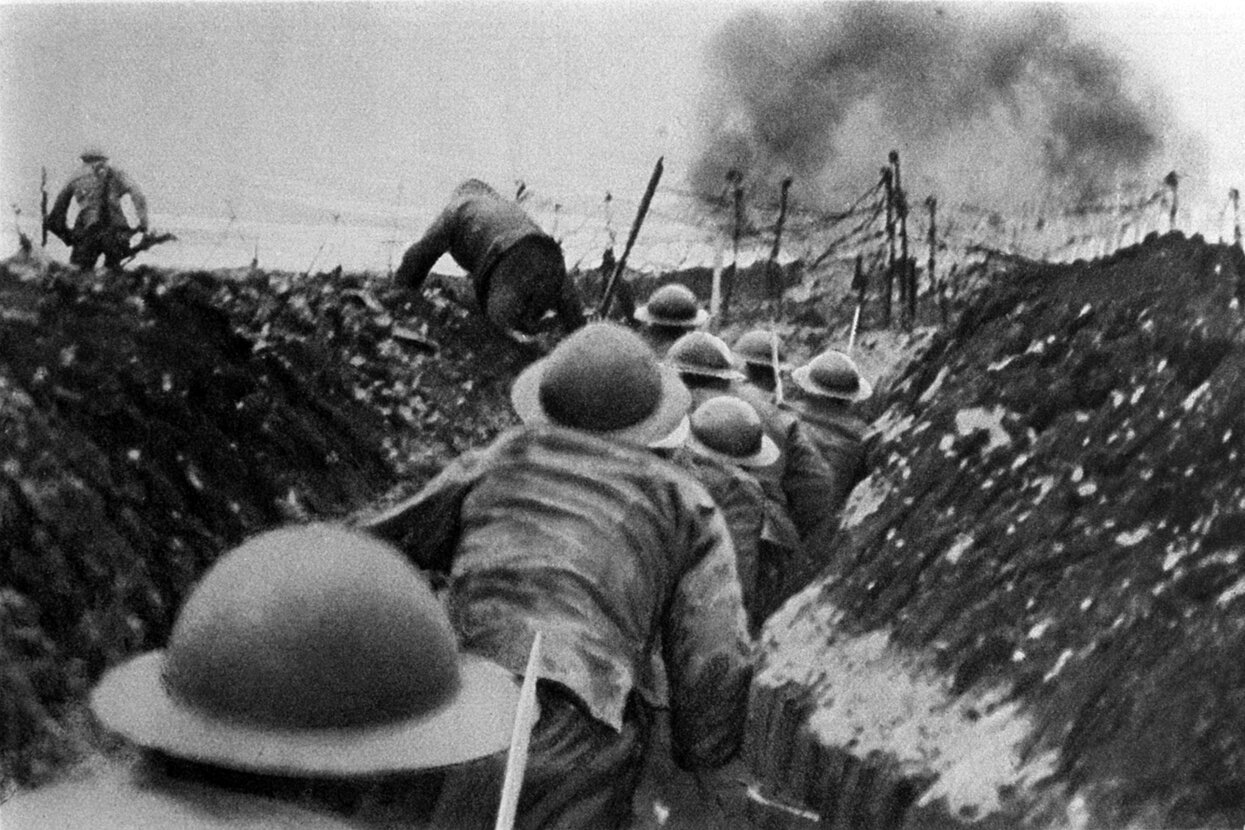
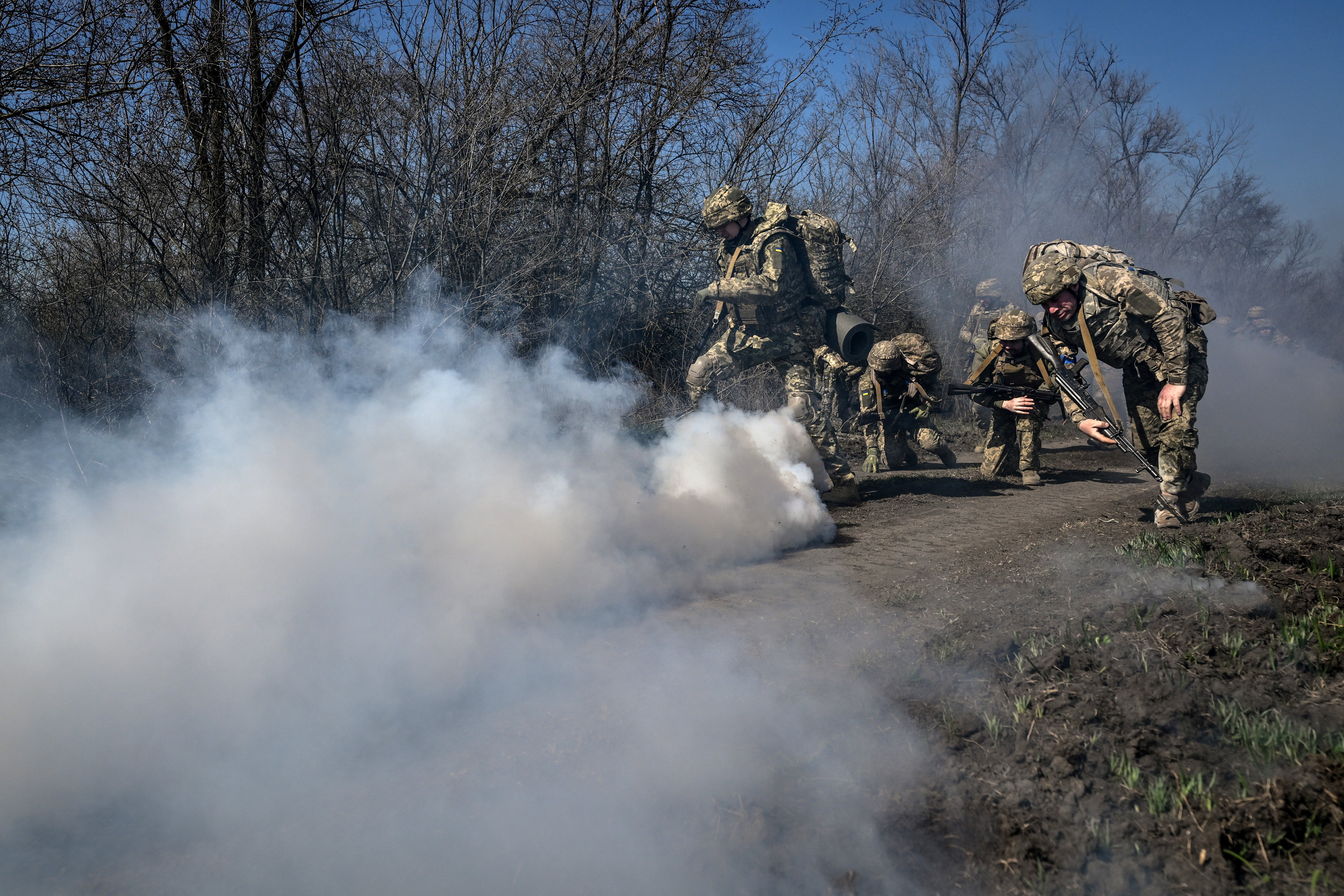
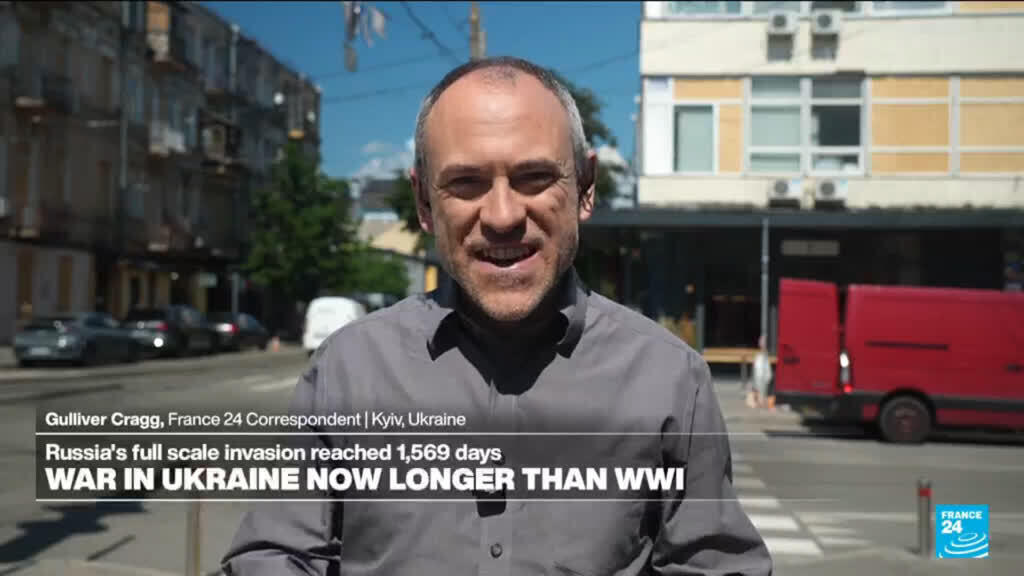
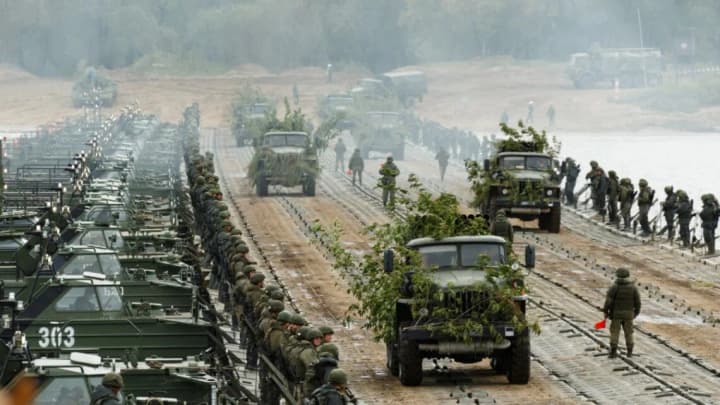
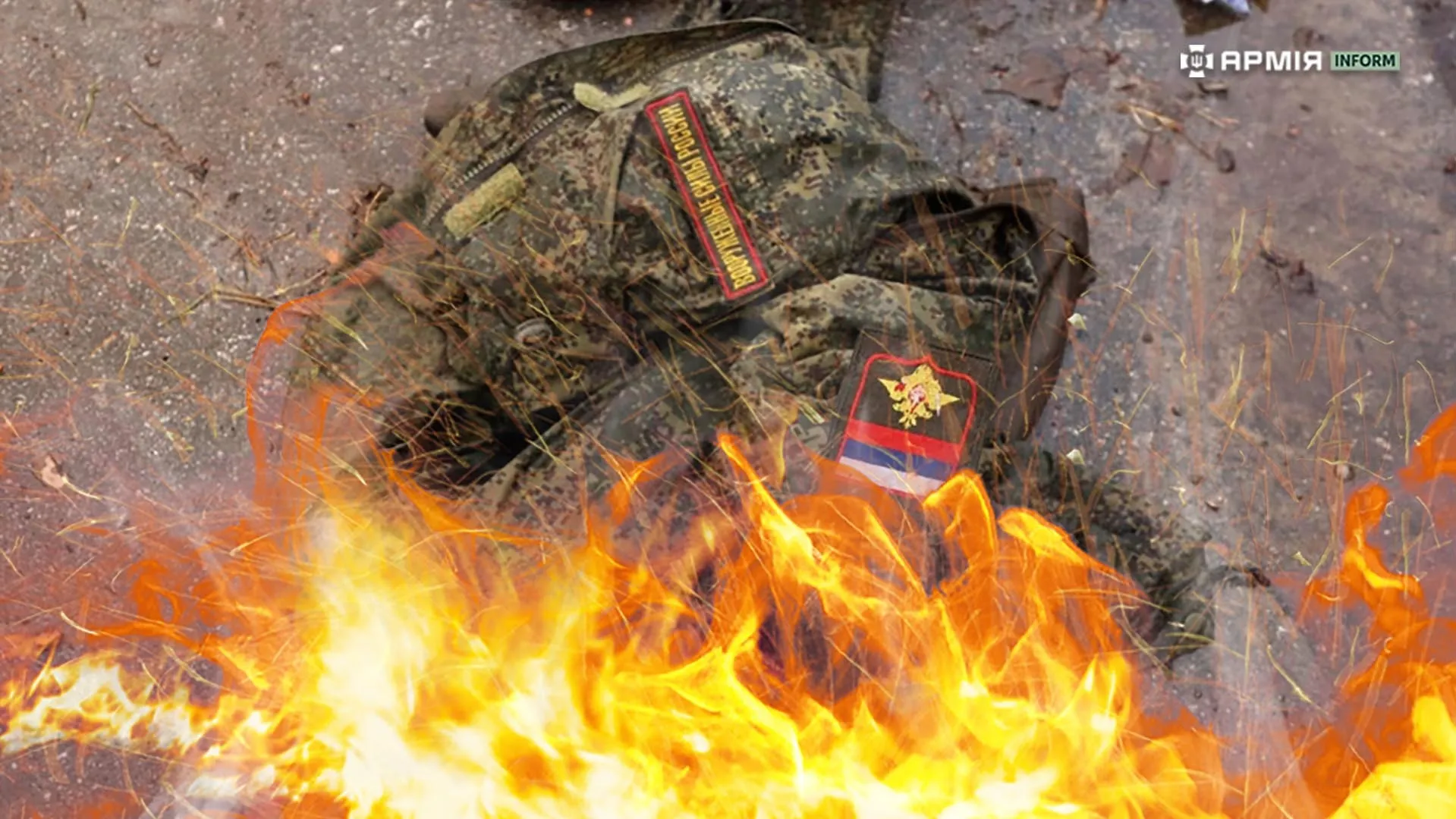
The Russia-Ukraine conflict has now surpassed World War I in duration, marking a critical inflection point for cross-border e-commerce sellers operating in or trading with affected regions. As of mid-February 2025, Russia controls 19.5% of Ukrainian territory with 2024 marking the largest territorial gains since the initial February 24, 2022 invasion. This prolonged geopolitical instability creates both operational risks and emerging market opportunities for sellers.
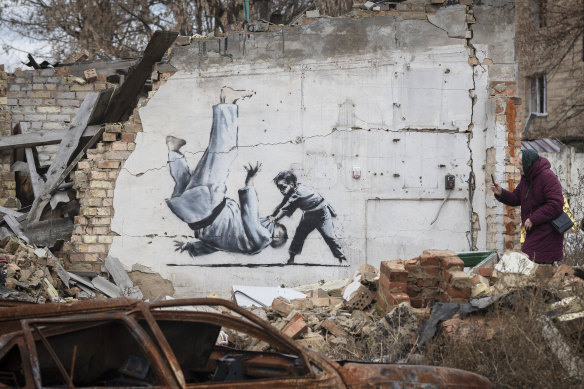
Supply Chain & Logistics Impact: The conflict has devastated Ukraine's infrastructure, with entire eastern cities (Bakhmut, Toretsk, Vovchansk) reduced to rubble and approximately one-fifth of Ukrainian territory contaminated with mines and unexploded ordnance. These conditions severely disrupt logistics networks serving EU-Ukraine trade corridors. Sellers shipping to Ukraine face 3-6 week delays, higher insurance costs (15-25% premium), and limited carrier availability. Russian sellers face compounding challenges: Russia's economy expanded only 1% in 2024 despite 9% military spending relative to GDP, while oil and gas revenues fell to five-year lows due to Western sanctions and Ukrainian attacks. This economic stagnation reduces purchasing power for Russian consumers, directly impacting sellers targeting Russian marketplaces.
Market Displacement & Reconstruction Opportunity: The displacement of 9.6 million Ukrainians (5.9 million international refugees, 3.7 million internally displaced) creates emerging consumer segments. Refugee populations in EU countries (Poland, Germany, Czech Republic) represent new market demographics with specific product needs: affordable home goods, children's items, and essential supplies. The World Bank estimates $588 billion in reconstruction costs over the next decade, signaling long-term demand for building materials, tools, and industrial equipment categories. Ukrainian sellers face severe operational constraints: the economy contracted nearly one-third initially but has partially recovered, now dependent on IMF and foreign lending. Ukraine has received €201 billion from Europe and $115 billion from the United States, though Trump has partially suspended arms deliveries, creating policy uncertainty.
Regulatory & Compliance Considerations: Western sanctions on Russian businesses create compliance obligations for sellers. Platforms including Amazon, eBay, and Shopify have implemented enhanced screening for Russian sellers and payment processors. Sellers must verify customer locations and payment origins to avoid sanctions violations. Ukraine's suspension of elections under martial law and corruption scandals create additional regulatory uncertainty. Payment processing faces friction: traditional banking channels between Russia and Western markets remain restricted, forcing reliance on cryptocurrency or alternative payment methods that carry higher compliance risks. For sellers in EU markets, the conflict creates tariff opportunities—Ukrainian goods receive preferential trade treatment under emergency measures, potentially reducing import duties by 5-15% compared to standard rates.
Questions 7
Should sellers adjust inventory strategy based on conflict duration?
Yes—the conflict's duration now exceeding WWI signals this is a structural, not temporary, disruption. Sellers should implement a 3-tier strategy: (1) Reduce inventory allocated to Russian markets by 40-50% and reallocate to EU and refugee-focused segments; (2) Increase safety stock for Ukrainian reconstruction categories by 20-30% to capture long-term demand; (3) Diversify logistics providers away from single-carrier dependency, as conflict-related disruptions can eliminate routes overnight. Expect 12-18 month adjustment period. Review your inventory turnover metrics monthly and adjust reorder points based on actual demand patterns. Consider nearshoring production to EU countries to reduce logistics exposure to conflict zones. This is a 3-12 month strategic initiative requiring board-level approval for major sellers.
How does Russia's economic contraction impact sellers targeting Russian markets?
Russia's economy expanded only 1% in 2024 despite 9% military spending relative to GDP, indicating severe economic strain and reduced consumer purchasing power. Russian consumers are shifting toward budget categories and away from discretionary purchases. Sellers targeting Russian markets should expect 20-30% lower order volumes and 15-25% margin compression as customers trade down to cheaper alternatives. Payment processing remains restricted—traditional banking channels are blocked, forcing reliance on cryptocurrency or alternative payment methods with higher compliance risks. Consider deprioritizing Russian market expansion and reallocating inventory to EU and Ukrainian refugee markets instead. Monitor ruble exchange rates weekly, as currency volatility can swing margins 10-15% monthly.