


Federal Real Estate Divestment Signals Luxury Hospitality Consolidation | Seller Opportunities in Travel & Lifestyle Categories
- GSA sells $80M Washington landmark to private equity; $400M resale signals 400% value creation in luxury hospitality sector; impacts travel merchandise, hotel amenities, and destination-based e-commerce categories

Overview
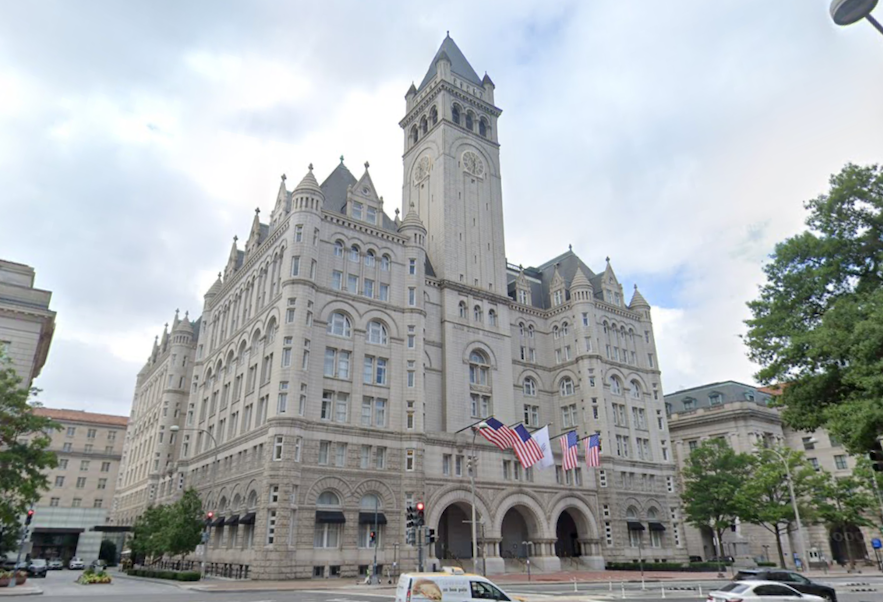
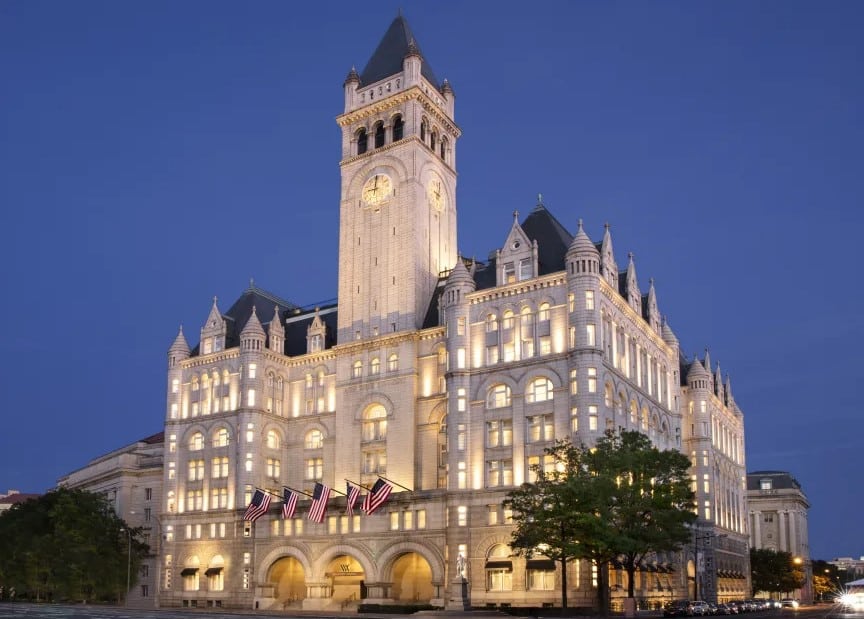
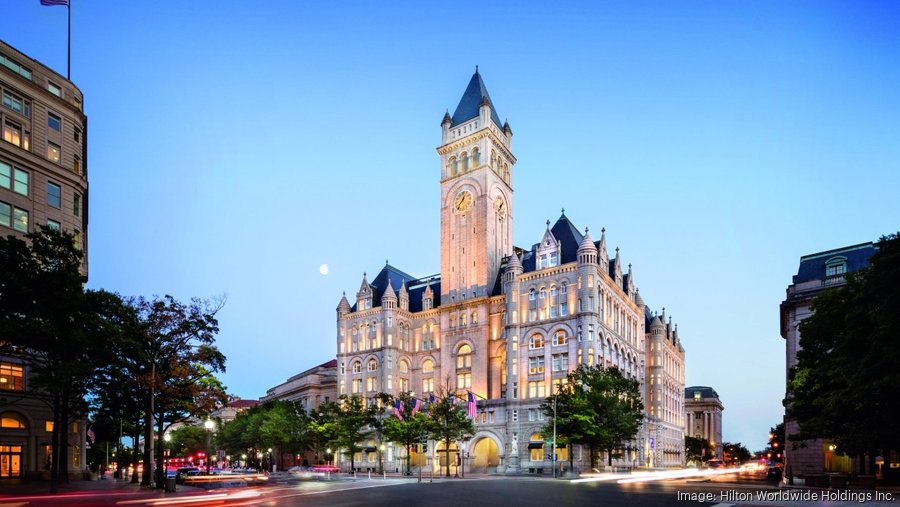
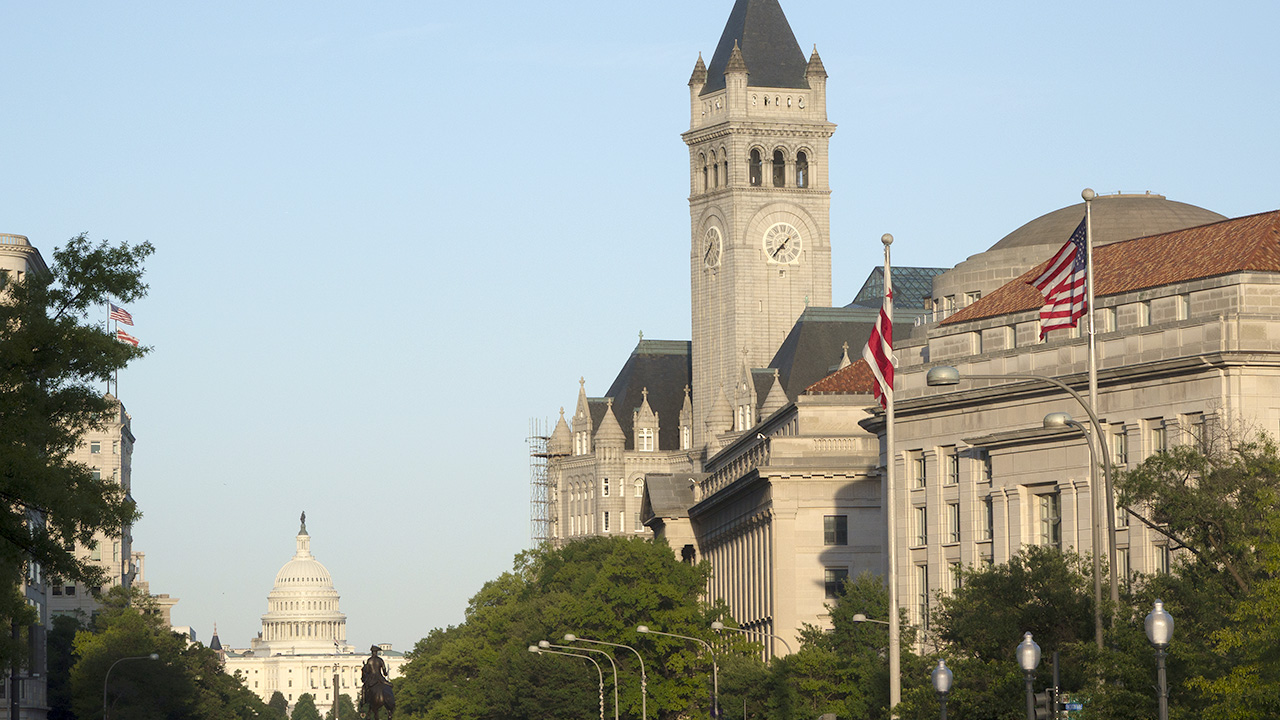
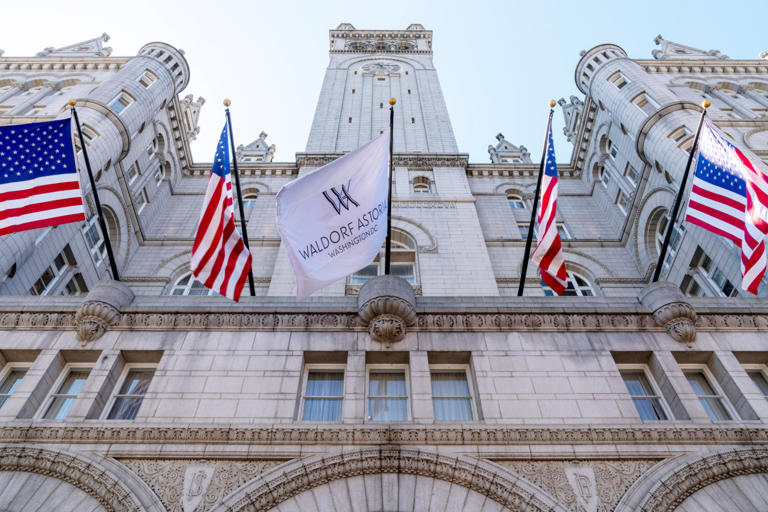
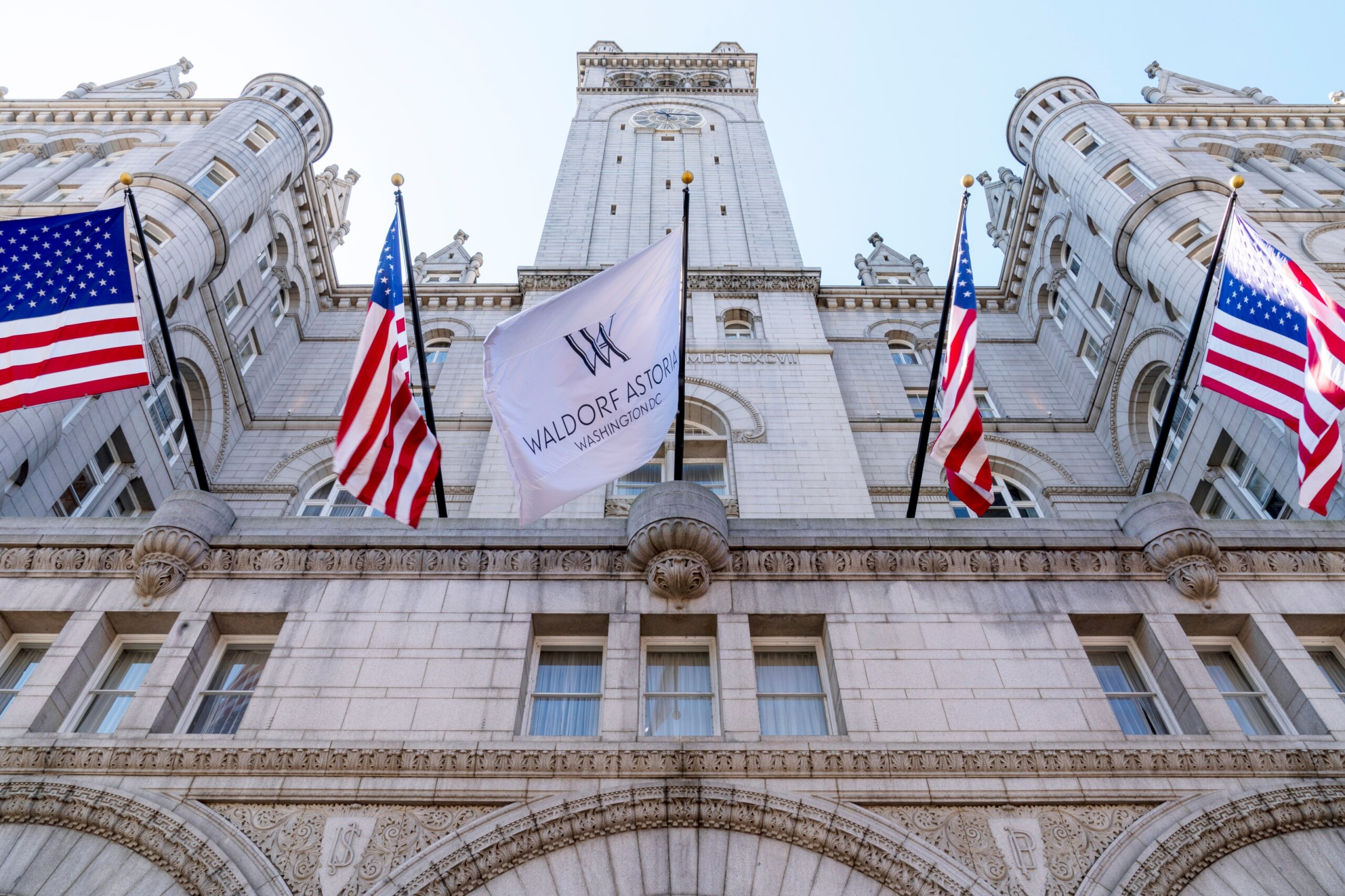
The General Services Administration completed the sale of Washington, D.C.'s historic Old Post Office building to BDT Capital Partners on June 10, 2026, for $80 million—a transaction with significant implications for luxury hospitality market consolidation and federal real estate strategy. The property, which operated as the Trump International Hotel (2016-2022) before rebranding to Waldorf Astoria under Hilton management, now faces potential resale discussions at approximately $400 million, representing a 400% value appreciation. This transaction reflects broader Trump administration cost-reduction initiatives targeting underutilized federal office space, with dozens of properties listed for sale since early 2025.
For e-commerce sellers, this development signals several market opportunities. First, the luxury hospitality sector's continued consolidation under major brands like Hilton creates demand for premium hotel amenities, travel accessories, and destination-specific merchandise. The $250 million in private sector investment since 2016 demonstrates sustained capital flowing into high-end hospitality infrastructure, which correlates with increased consumer spending on travel-related products. Sellers in the home décor, luxury bedding, travel accessories, and gourmet food categories can capitalize on the expansion of premium hotel properties and their associated retail ecosystems. The Waldorf Astoria's integration of high-end dining (Jose Andres' Bazaar Meat, Sushi Nakazawa) indicates strong demand for premium culinary products and specialty food items that appeal to affluent travelers.
Second, the federal government's asset divestment strategy—generating $110+ million in taxpayer revenues over the past decade from this single property—demonstrates the profitability of converting underutilized government real estate into private commercial operations. This trend may accelerate the privatization of federal properties in major metropolitan areas, creating new retail and hospitality hubs that generate demand for furnishings, décor, and operational supplies. Sellers should monitor GSA property sales announcements for opportunities to supply newly privatized commercial spaces with furniture, fixtures, and hospitality-grade products.
Third, the 400% value appreciation potential ($80M to $400M) reflects investor confidence in Washington, D.C.'s commercial real estate market and luxury hospitality demand. This signals strong consumer spending power in the nation's capital, suggesting robust demand for premium products across travel, lifestyle, and luxury categories. Sellers targeting affluent Washington, D.C.-area consumers through Amazon, Shopify, and specialty marketplaces should increase inventory in high-margin luxury categories during peak travel seasons (spring/fall).
Questions 8
What does federal real estate divestment mean for sellers targeting government-adjacent markets?
The Trump administration's cost-reduction initiative, which has listed dozens of federal properties for sale since early 2025, creates opportunities for sellers supplying newly privatized commercial spaces. The Old Post Office transaction generated $110+ million in taxpayer revenues over a decade, demonstrating the profitability of converting government real estate into private commercial operations. This trend may accelerate privatization of federal properties in major cities, creating demand for office furniture, commercial fixtures, hospitality supplies, and décor products. Sellers should monitor GSA property sales announcements and target newly privatized properties with B2B offerings in furniture, fixtures, and operational supplies categories.
How can sellers capitalize on Washington, D.C. luxury market growth signaled by this transaction?
The 400% value appreciation potential ($80M to $400M) reflects strong investor confidence in Washington, D.C.'s commercial real estate and luxury hospitality demand, indicating robust consumer spending power in the nation's capital. Sellers targeting affluent D.C.-area consumers should increase inventory in high-margin luxury categories—premium home décor, luxury bedding, travel accessories, and gourmet food products—during peak travel seasons (March-May, September-October). Amazon sellers can optimize listings for D.C.-based searches and consider sponsored ads targeting luxury product categories. Shopify sellers should develop destination-specific marketing campaigns highlighting products suitable for affluent travelers and Washington, D.C. residents.