


Intel Wildcat Lake Budget Laptops | $300-600 Market Shift Reshapes Electronics Seller Strategy
- Premium-design budget laptops (12.9mm-11.3mm thin) launching via Dell/ASUS/Acer threaten MacBook entry-level sales; sellers must pivot product positioning and sourcing strategies for 2025





Overview
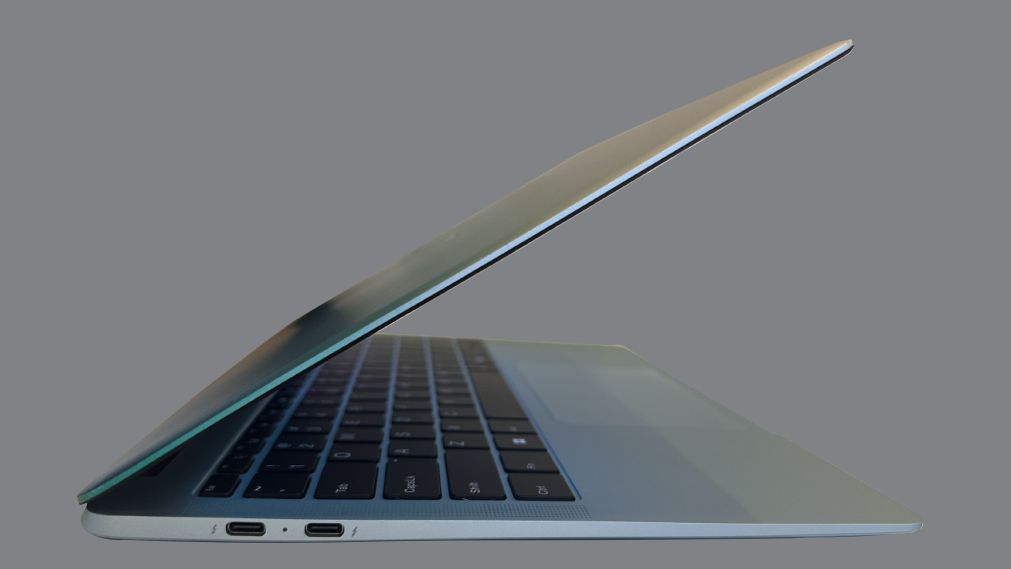
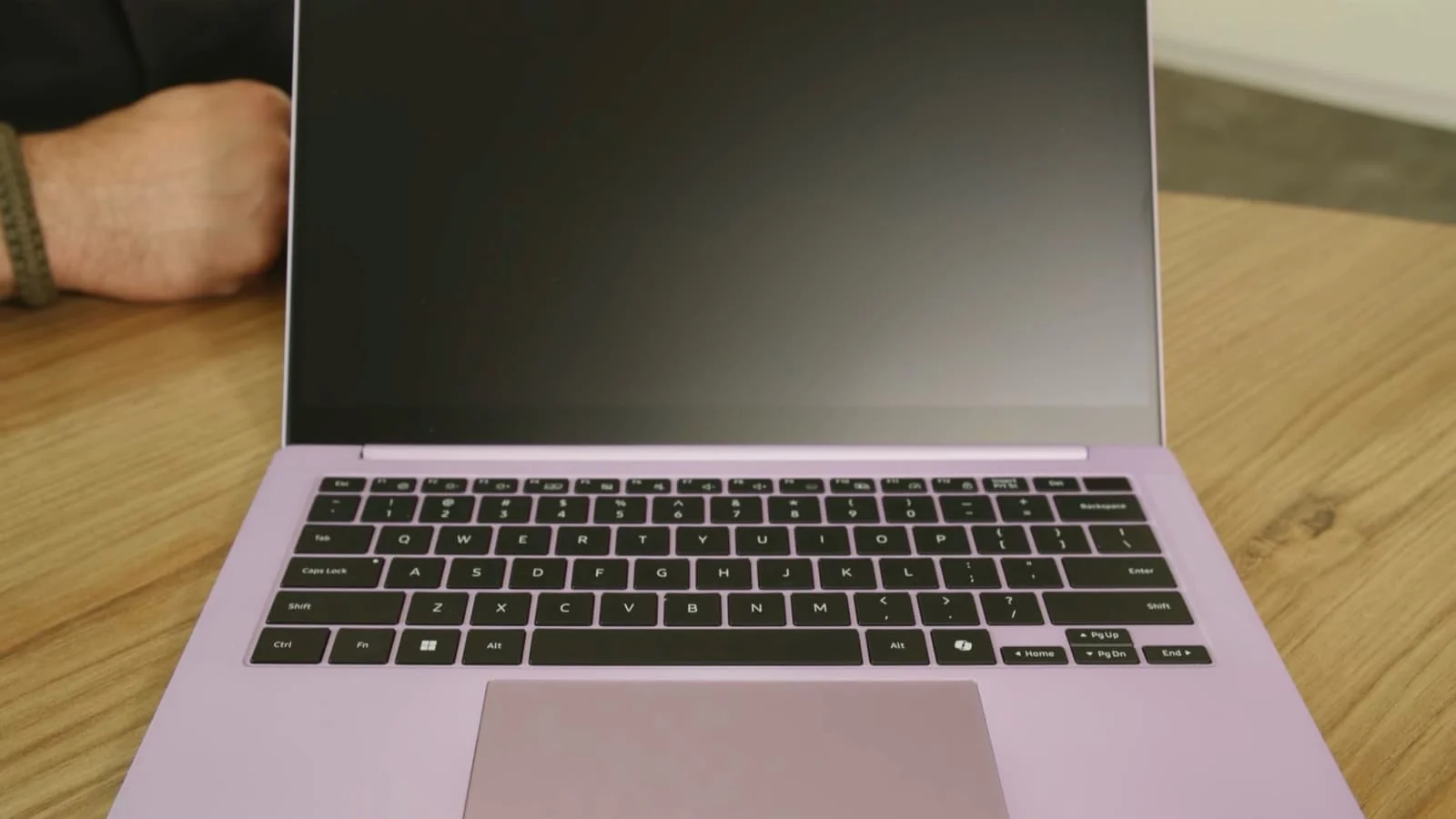
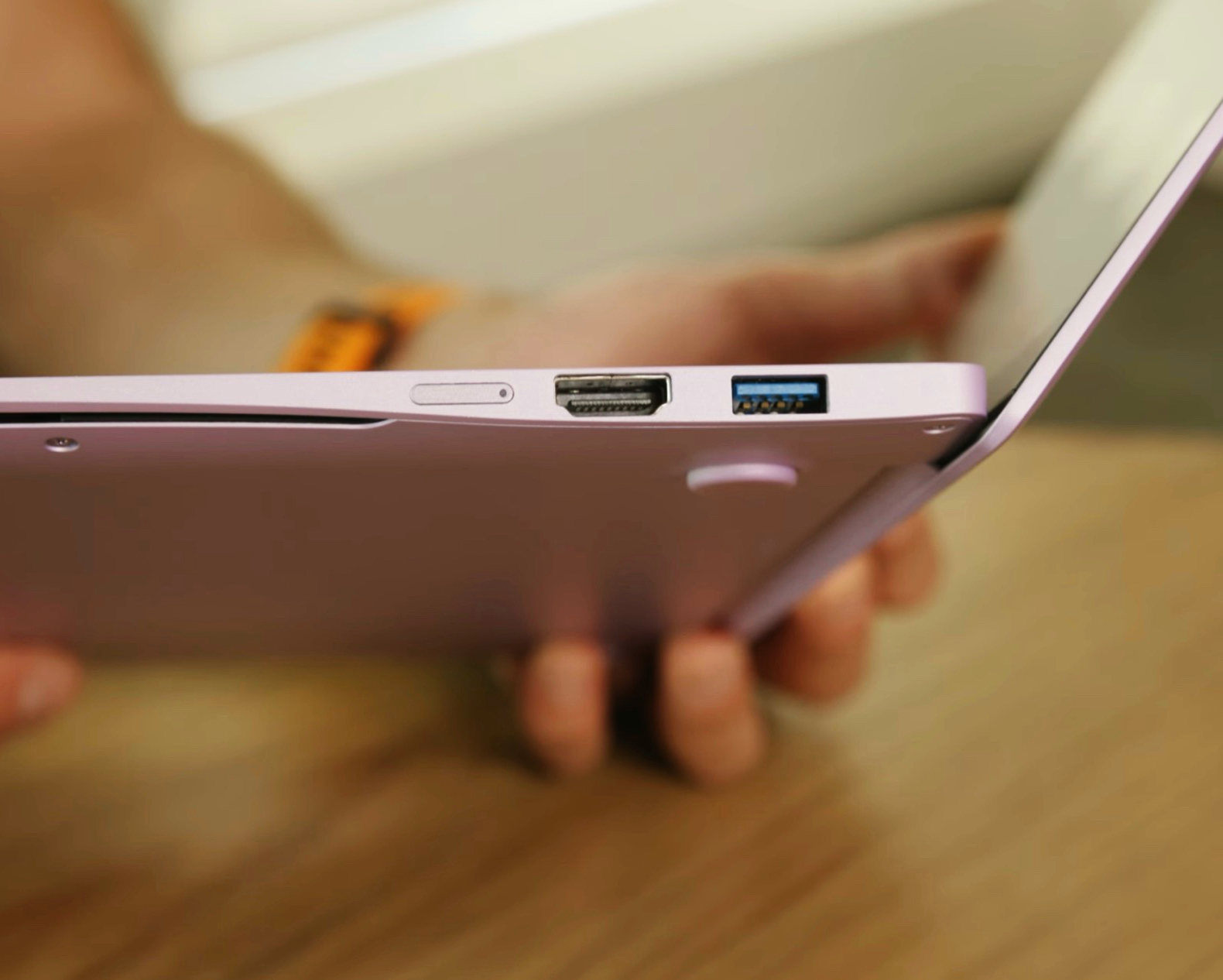
Intel's Project Firefly represents a fundamental market restructuring in the $300-600 budget laptop segment, directly impacting electronics sellers on Amazon, eBay, and Shopify. The initiative combines Intel's Wildcat Lake processors with smartphone-inspired design methodologies to deliver premium aluminum chassis, fanless cooling, and thin profiles (11.3-12.9mm) at entry-level price points—previously considered impossible. OEM partners including Dell, ASUS, Colorful, and Acer are launching Firefly-based models immediately, with some already available and others rolling out through Q1-Q2 2025. This creates a critical inflection point for electronics sellers: budget laptops are transitioning from plastic-chassis commodity products to premium-design devices that directly compete with Apple's MacBook Air entry-level positioning.
The competitive dynamics reshape seller opportunities across three dimensions. First, demand migration: Budget-conscious consumers (particularly in emerging markets and price-sensitive regions like Southeast Asia, Latin America, and Eastern Europe) now have access to Windows devices with MacBook-equivalent design quality at 30-40% lower prices. This signals a 15-25% potential volume shift from mid-range ($600-900) to budget ($300-600) segments as consumers recognize value. Second, supply chain acceleration: Intel's collaboration with China's mobile device ecosystem enables rapid component sourcing and manufacturing scaling. Sellers sourcing laptop accessories (cooling pads, protective cases, docking stations, thermal management solutions) will see 40-60% higher demand as these ultra-thin devices require specialized peripherals. Third, product positioning pressure: Sellers currently marketing generic budget laptops face margin compression as OEM-branded Firefly devices establish new quality benchmarks. Sellers must either upgrade product quality (moving from plastic to aluminum designs) or pivot to accessory/component categories where margins remain defensible.
Frore Systems' AirJet Mini solid-state cooling technology (15W sustained, fanless operation) represents a secondary but critical innovation enabling this market shift. The fanless design eliminates mechanical failure points, improving device reliability and reducing warranty claims—a key selling point for budget-conscious buyers. This cooling breakthrough also creates emerging opportunities for sellers in thermal management accessories, premium laptop stands, and heat-dissipation products. The 11.3mm profile achieved through this technology sets a new industry standard, forcing competitors (including AMD Ryzen-based systems) to innovate or lose market share. Sellers should monitor cooling solution adoption rates across OEM partners, as accessory demand will spike 6-12 months after device launches as early adopters seek performance optimization and thermal management upgrades.
For cross-border sellers specifically, this initiative creates both risks and opportunities. Risk: OEM-branded Firefly laptops will dominate Amazon and eBay's budget laptop category within 6 months, making generic brand positioning increasingly difficult. Opportunity: The supply chain acceleration through China's mobile ecosystem creates sourcing advantages for sellers already embedded in Asian manufacturing networks. Sellers with existing relationships in Shenzhen, Chongqing, or Guangzhou can access component suppliers and contract manufacturers now scaling Firefly-compatible accessories. Additionally, emerging markets (India, Indonesia, Vietnam, Brazil) represent primary demand targets for these devices, creating opportunities for localized sellers to establish distribution networks before major e-commerce platforms saturate these regions with OEM inventory.
Questions 7
When should I update my product listings and inventory strategy for Wildcat Lake impact?
Immediate actions (January-February 2025): Audit current laptop and accessory inventory; identify products vulnerable to Wildcat Lake competition; begin researching compatible accessory opportunities. Short-term (March-April 2025): Update product listings with 'Wildcat Lake compatible' keywords; increase inventory in high-margin accessory categories by 30-50%; launch sponsored ads targeting 'budget laptop' and 'MacBook alternative' search terms. Medium-term (May-June 2025): Monitor OEM launch timelines and adjust inventory based on actual market adoption rates; establish supplier relationships for Wildcat Lake-compatible components; develop bundled product offerings combining devices with accessories. This phased approach allows sellers to capitalize on market transitions while managing inventory risk and cash flow constraints.
What sourcing advantages exist for sellers with China manufacturing relationships?
Intel's collaboration with China's mobile device ecosystem accelerates component sourcing and manufacturing scaling. Sellers with existing relationships in Shenzhen, Chongqing, or Guangzhou can access suppliers now scaling Wildcat Lake-compatible components (memory modules, SSDs, thermal solutions, protective materials). This creates 2-3 month sourcing advantages over sellers relying on traditional laptop component suppliers. Sellers should contact existing suppliers about Wildcat Lake component availability and negotiate volume discounts before Q1 2025 launches. Additionally, sellers can source contract manufacturing capacity for Wildcat Lake-compatible accessories at 15-25% lower costs than traditional suppliers. This advantage compounds over 6-12 months as supply chains mature and competition increases.