


SEC IPO Governance Rules Shift | Retail Investor Protection Precedent Impacts Tech Valuations
- Warren's $1.77T SpaceX IPO challenge signals stricter regulatory scrutiny on billionaire-controlled companies; establishes precedent for dual-class share structure reviews affecting future tech IPOs and passive index fund exposure policies





















Overview
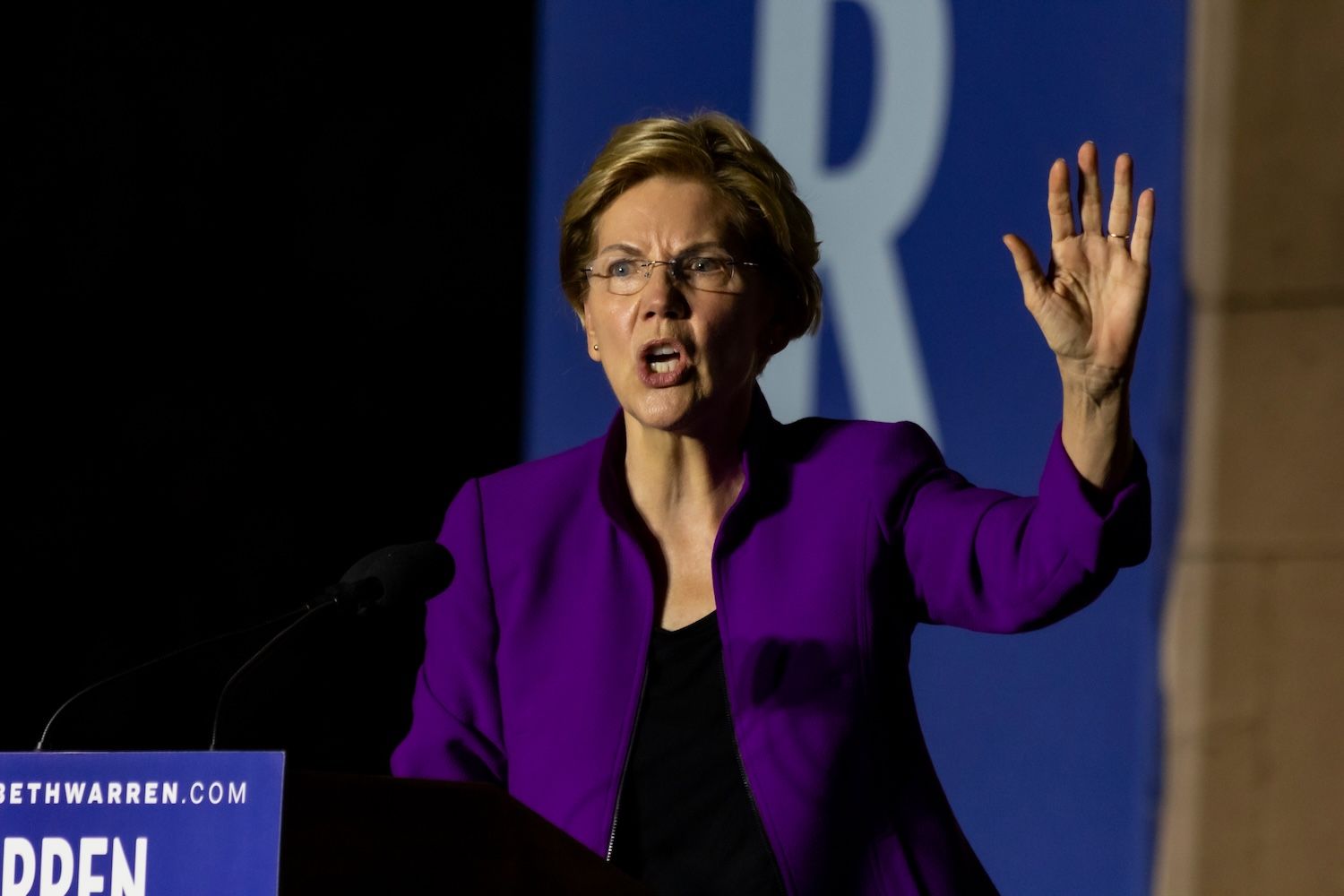
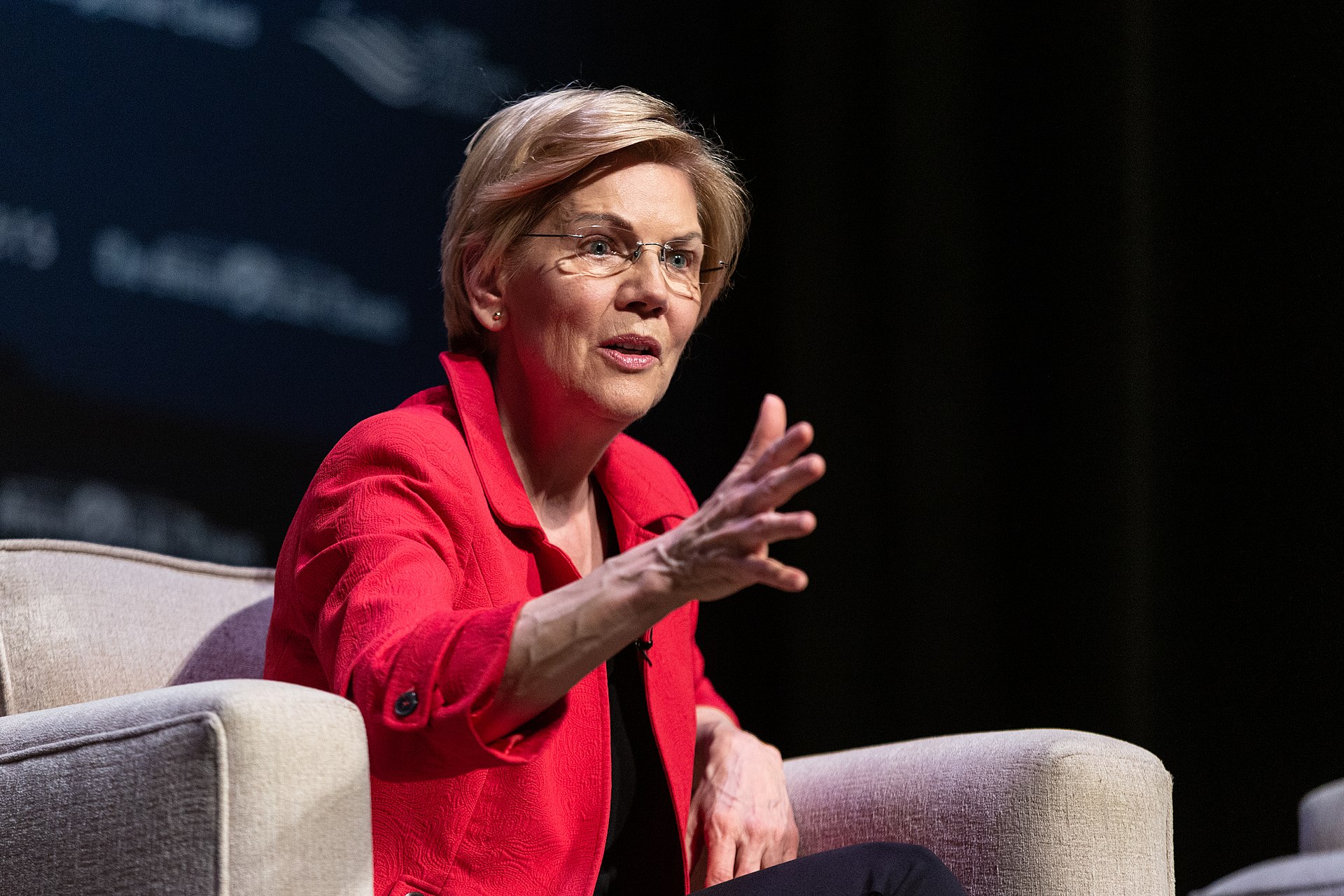
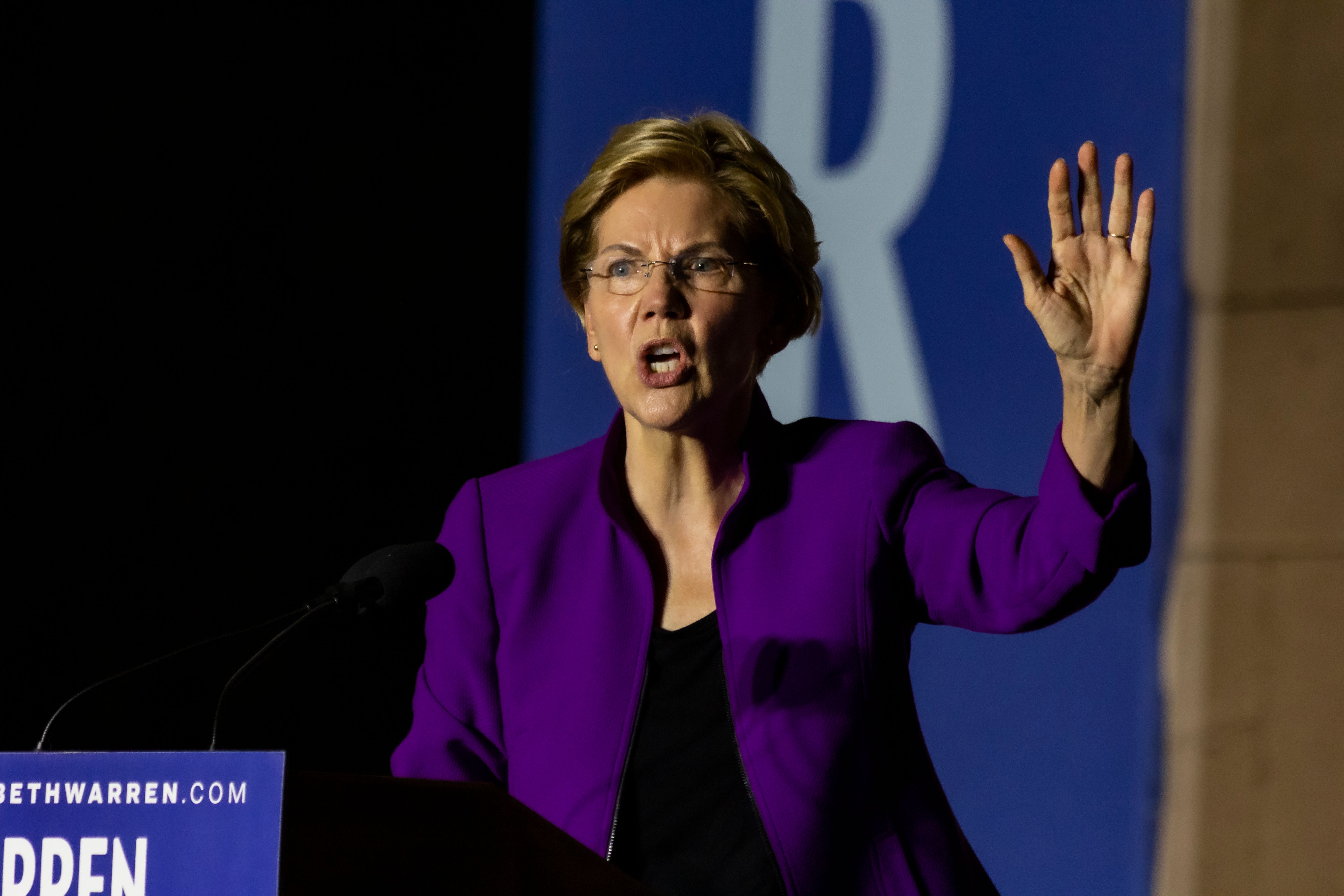
Senator Elizabeth Warren's formal request to delay SpaceX's $1.77 trillion Nasdaq IPO (scheduled June 2026) represents a watershed moment in SEC regulatory intervention on tech company valuations and governance structures. Warren's 12-page letter to SEC Chairman Paul Atkins flagged three critical concerns: (1) valuation accuracy following SpaceX's acquisition of Elon Musk's xAI company, (2) dual-class share structure granting Musk "unprecedented power" with disproportionate voting control, and (3) risks of rapid index inclusion forcing passive investors into involuntary SpaceX exposure via index funds and retirement accounts.
The regulatory precedent matters for e-commerce sellers because it signals tightening scrutiny on billionaire-controlled companies' IPO structures. Warren's intervention—rare for major tech IPOs—challenges the Nasdaq 100's May 1 "fast entry" rules that automatically fast-track large IPOs into major indices. SpaceX's unconventional $135 fixed share price and 30% retail allocation ($22.5B) bypassed traditional demand-based pricing, creating structural risks for retail investors. The S&P 500 and Dow Jones committees declined fast-tracking, but other indices had already implemented similar rules, indicating fragmented regulatory response.
For e-commerce sellers, this precedent affects investment capital flows and market sentiment. If Warren's petition succeeds, it could delay or modify SpaceX's IPO terms, potentially reducing speculative capital available for tech investments. This tightens venture funding for e-commerce infrastructure companies (3PL providers, logistics platforms, payment processors) that depend on tech IPO exit strategies. Conversely, stricter governance reviews could increase investor confidence in retail-focused platforms like Amazon, Shopify, and eBay by signaling SEC commitment to investor protection—potentially boosting these platforms' valuations and their ability to fund seller-support initiatives.
The dual-class governance concern directly parallels e-commerce platform structures. Amazon, Shopify, and other platforms operate with founder/CEO control mechanisms. Warren's challenge to SpaceX's structure could trigger similar scrutiny of e-commerce platform IPO terms if they pursue secondary offerings or index inclusion changes. Sellers should monitor whether SEC guidance on governance transparency extends to marketplace policies, fee structures, and seller dispute resolution—areas where concentrated founder control has historically limited seller recourse.
Market timing is critical: June 2026 IPO date suggests imminent decision. SEC Chairman Paul Atkins (Trump appointee) stated his goal is "Make IPOs Great Again," suggesting limited receptiveness to delay requests. However, Warren's Democratic position on the Senate Banking Committee and the rare nature of such pushback indicate genuine regulatory concern. The outcome will establish precedent for future IPOs involving concentrated ownership, potentially affecting how Anthropic and OpenAI structure their public listings.
Questions 8
What happens if the SEC delays SpaceX's IPO, and how does it affect e-commerce capital markets?
If delayed, SpaceX would need to revise IPO terms (pricing, governance structure, or index inclusion strategy) to address SEC concerns. This could reduce speculative tech capital available for e-commerce infrastructure investments, potentially slowing 3PL expansion, logistics innovation, and payment processor development. However, a successful delay would signal SEC commitment to investor protection, potentially increasing institutional investor confidence in e-commerce platforms and their governance structures. For sellers, a delay could mean slower platform feature development but potentially more stable, investor-friendly marketplace policies. Monitor competing AI companies (Anthropic, OpenAI) IPO timelines—if they proceed without governance changes, it signals SEC selectivity rather than broad tech IPO restrictions.
How does this regulatory intervention compare to typical SEC IPO review procedures?
Warren's petition represents a 'rare regulatory intervention' into major tech IPO procedures, according to industry observers. Typical SEC review focuses on financial disclosure accuracy and investor protection mechanisms. Warren's letter goes beyond standard procedures by challenging valuation methodology, governance structure, and index inclusion rules—areas normally left to market mechanisms. This precedent could expand SEC authority over IPO terms for billionaire-controlled companies. For e-commerce sellers, expanded SEC authority could eventually extend to marketplace governance, potentially requiring platforms to disclose fee-setting methodologies, algorithm changes, and seller dispute resolution processes. Sellers should advocate for similar transparency requirements through industry associations.