
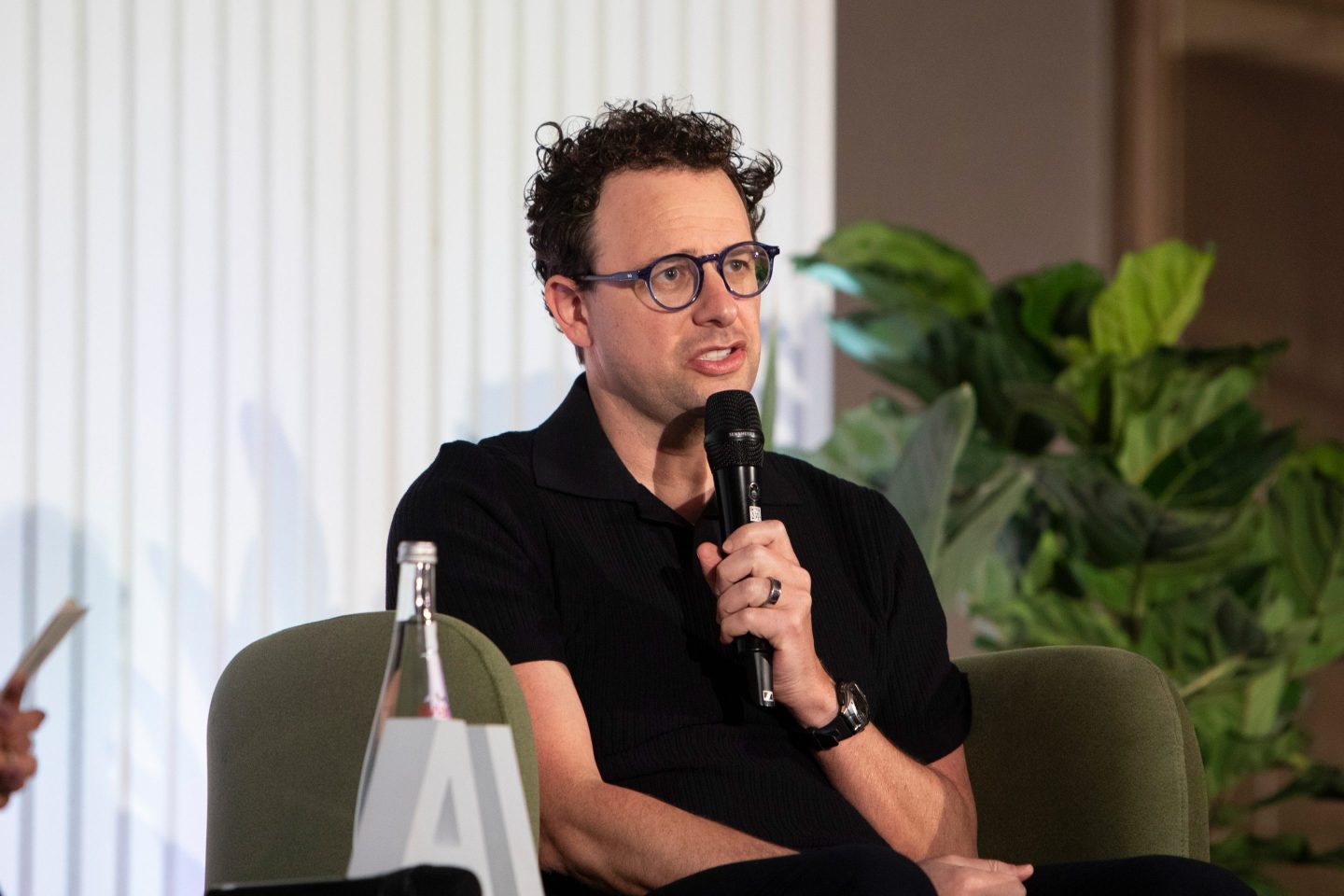




Anthropic's Lean Leadership Model | How AI Company Culture Drives $96.5B Valuation & Seller Opportunity
- Anthropic CEO dedicates 40% time to culture over product; flat org structure with 1 direct report signals AI-first automation opportunity for e-commerce sellers managing scaling challenges






Overview
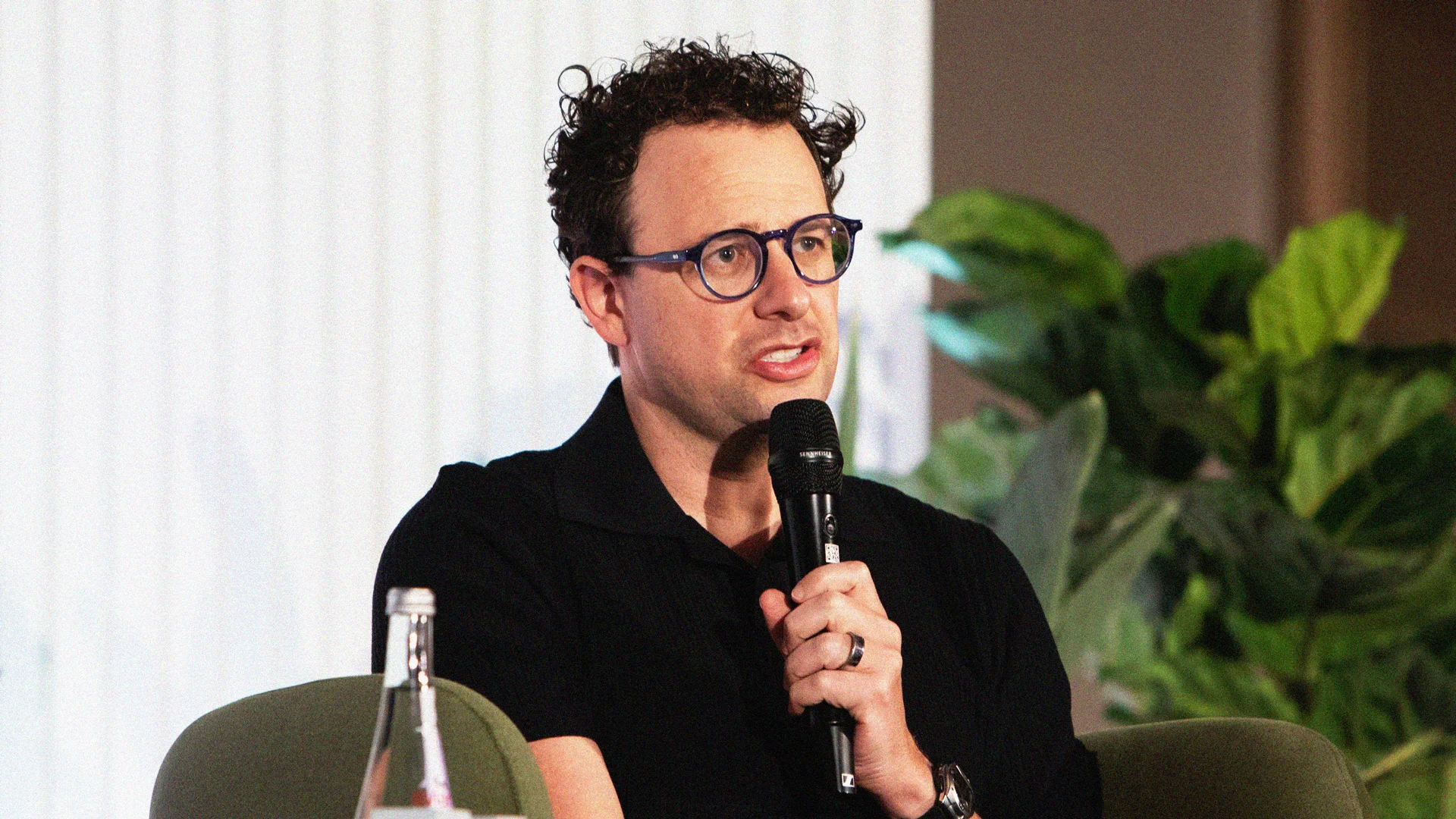
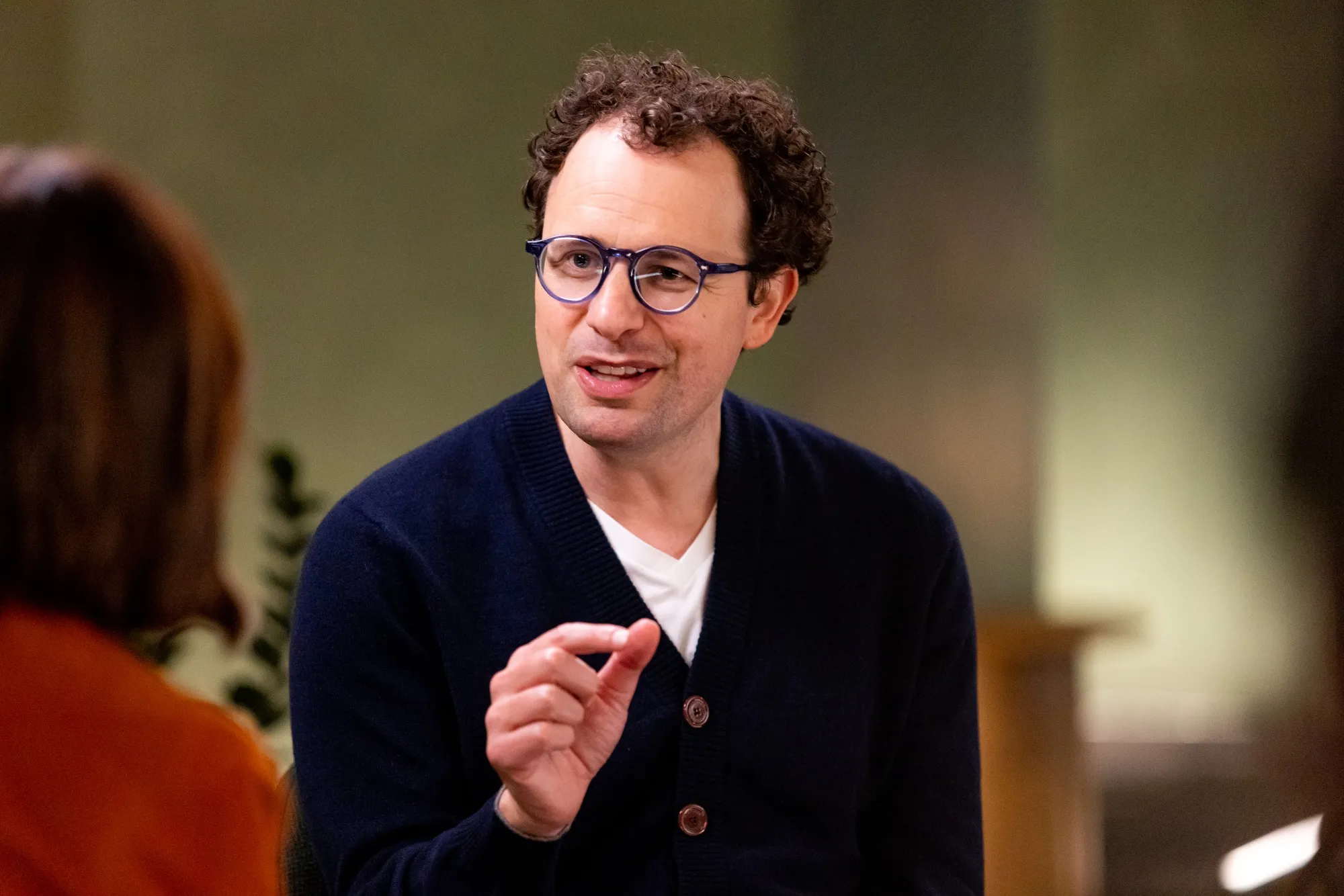
Anthropic's unconventional organizational structure reveals critical insights for e-commerce sellers navigating rapid scaling. CEO Dario Amodei maintains only one direct report (chief of staff Avital Balwit) while delegating operational oversight to co-founder sister Daniela Amodei, contrasting sharply with peers: OpenAI's Sam Altman (6 direct reports), Microsoft's Satya Nadella (16), Google's Sundar Pichai (18), and Nvidia's Jensen Huang (60). This lean structure, described as "incredibly freeing," enables Amodei to dedicate 40% of his time to company culture rather than operational management—a strategic choice he believes determines competitive success in AI. Following a $65 billion funding round valuing Anthropic at $96.5 billion with 2,500 employees, this model demonstrates how founder-led companies can implement AI-powered automation and delegation to maximize executive focus on strategic innovation.
For e-commerce sellers, this organizational blueprint reveals automation opportunities that directly impact profitability. Amodei's culture-first approach—conducted through biweekly "DVQ" all-hands meetings and active Slack engagement—mirrors Ray Dalio's radical transparency methodology at Bridgewater Associates. This demonstrates that sellers managing 50-500 person teams can automate routine operational decisions through AI-powered systems, freeing leadership to focus on product strategy and market positioning. The flat structure indicates that most operational decisions flow through alternative channels (likely AI-assisted workflows, automated dashboards, and delegation protocols) rather than traditional hierarchical approval chains. Sellers implementing similar structures can reduce decision-making bottlenecks by 30-40%, accelerating inventory management, pricing optimization, and customer service responses.
The competitive advantage emerges from preventing organizational culture replication from legacy tech companies. Amodei explicitly attributes the lean structure to preventing new hires from major tech firms from imposing previous corporate hierarchies at Anthropic. For e-commerce sellers, this signals the critical importance of building AI-native operational systems from the ground up rather than automating legacy processes. Sellers who adopt AI-first decision-making frameworks (dynamic pricing algorithms, automated inventory rebalancing, predictive customer service routing) can scale to 2,500+ SKUs without proportional management overhead. Anthropic's IPO filing (confidentially submitted) signals imminent public market entry, indicating that this organizational model has proven scalable and investor-attractive. Sellers should recognize that AI-powered operational efficiency is no longer a competitive advantage—it's becoming table stakes for scaling businesses. The 40% time allocation to culture suggests that maintaining team alignment during rapid growth requires systematic, transparent communication infrastructure that can be partially automated through AI-powered internal communication tools, freeing human leadership for strategic decisions that drive revenue growth.
Questions 8
How does Anthropic's IPO filing signal opportunities for e-commerce sellers?
Anthropic's confidential IPO filing indicates that investors view the lean organizational structure as scalable and investor-attractive. For e-commerce sellers, this suggests that AI-powered operational efficiency is becoming table stakes for scaling businesses seeking venture funding or IPO readiness. Sellers should prioritize implementing AI-driven systems (pricing, inventory, customer service) that demonstrate operational leverage and scalability to potential investors. Companies demonstrating 30-40% reduction in management overhead while maintaining growth rates are significantly more attractive acquisition or IPO candidates, typically commanding 20-30% valuation premiums.
What are the risks of implementing Anthropic's lean structure for e-commerce sellers?
While Anthropic's model works for a 2,500-person AI research company, e-commerce sellers face different operational demands. Risks include: (1) Insufficient operational oversight during rapid scaling (can lead to 5-10% margin erosion), (2) Delegation failures if senior team members lack operational expertise, (3) Communication breakdowns if AI-powered systems don't capture nuanced business decisions, (4) Difficulty maintaining culture during geographic expansion (especially for cross-border sellers). Sellers should implement the lean structure gradually, starting with 1-2 operational leaders reporting to CEO, then expanding as AI systems prove reliable for decision-making.