


Amazon LTL Shipping Expansion Opens $60B Market | Seller Logistics Costs Drop 15-25%
- Amazon Supply Chain Services (ASCS) now serves all U.S. businesses with 1-6 pallet shipments; traditional carriers face 3-7% stock declines; sellers gain access to 80,000 trailers and 3-4 day economy delivery at competitive rates















Overview
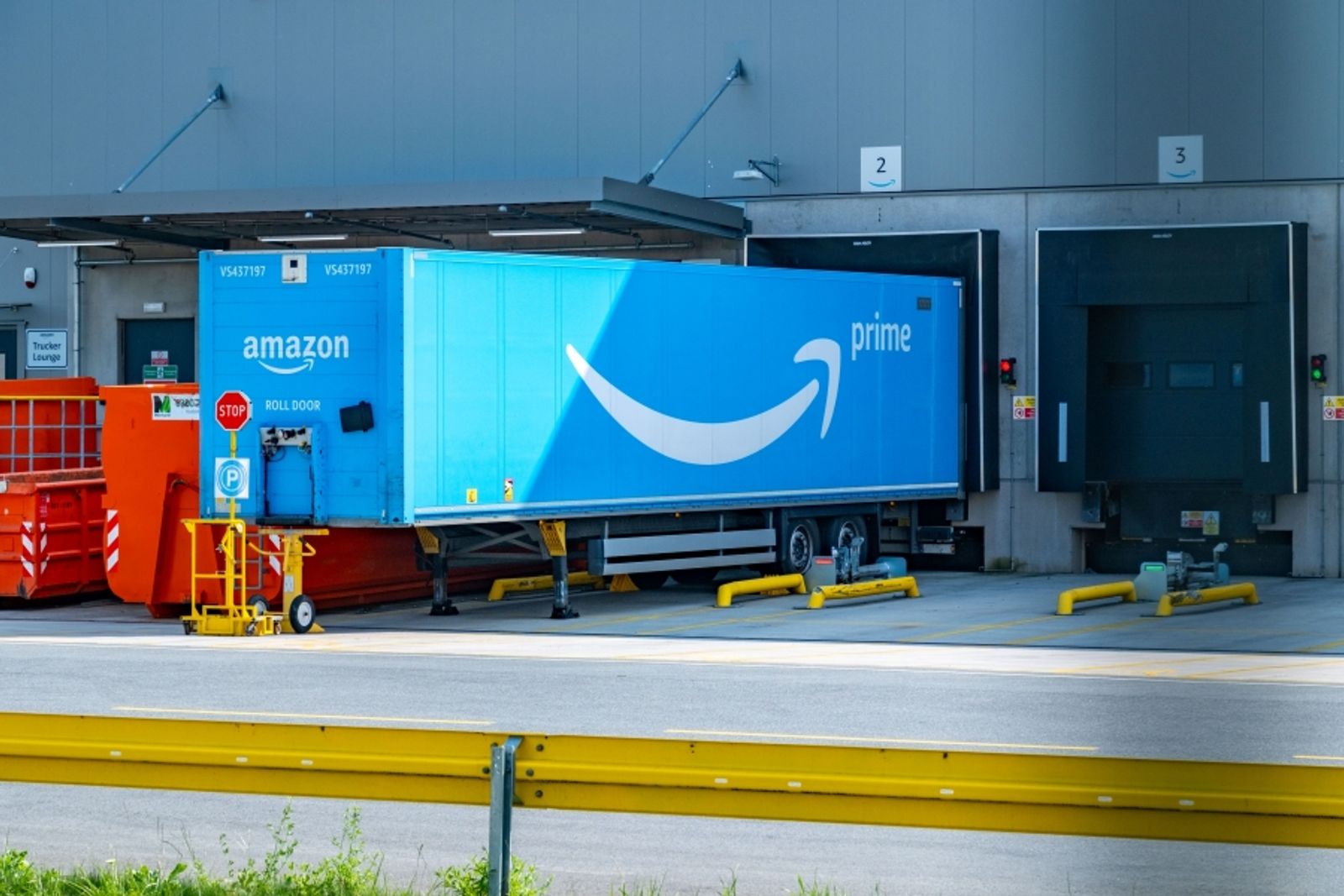
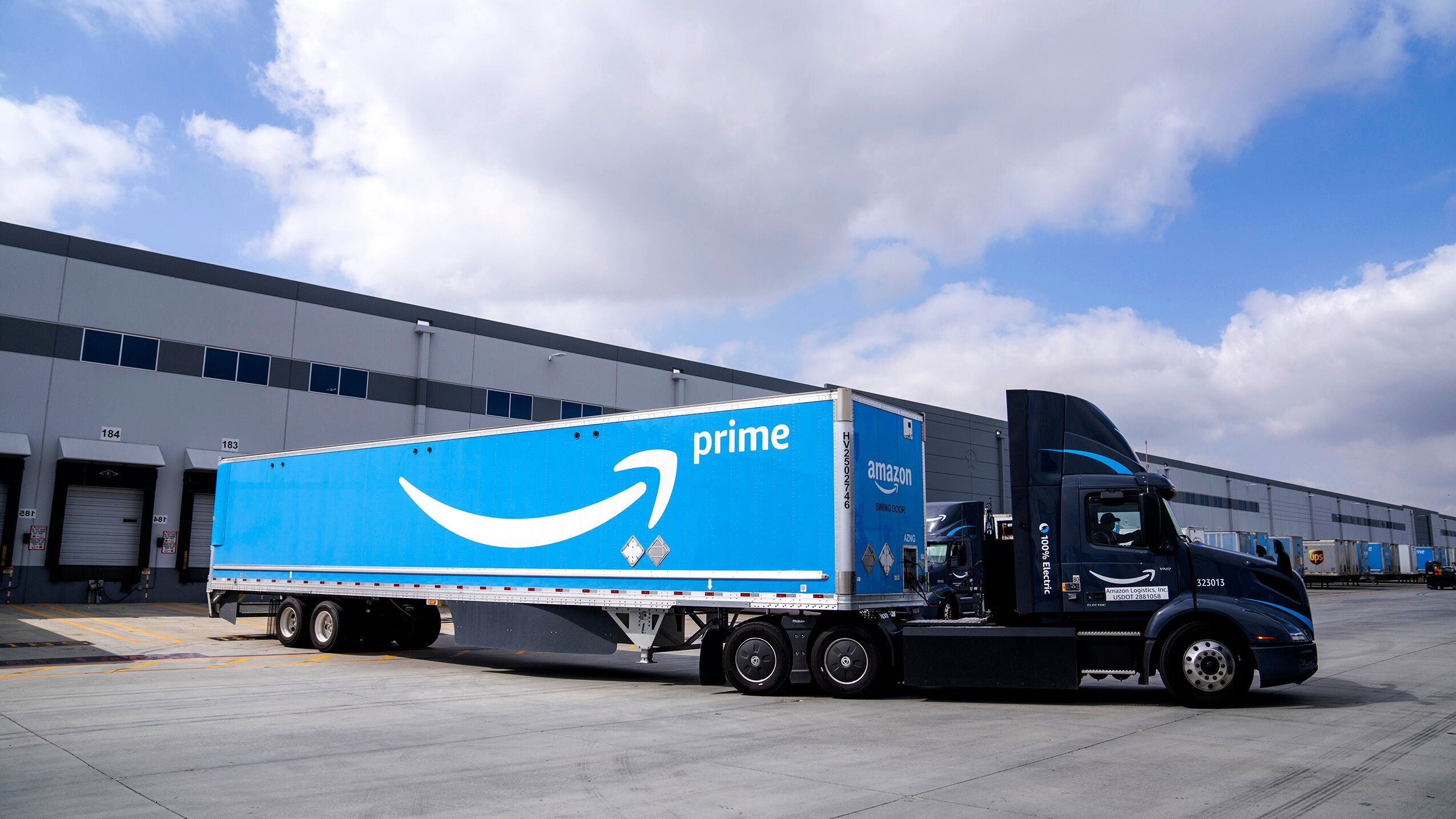
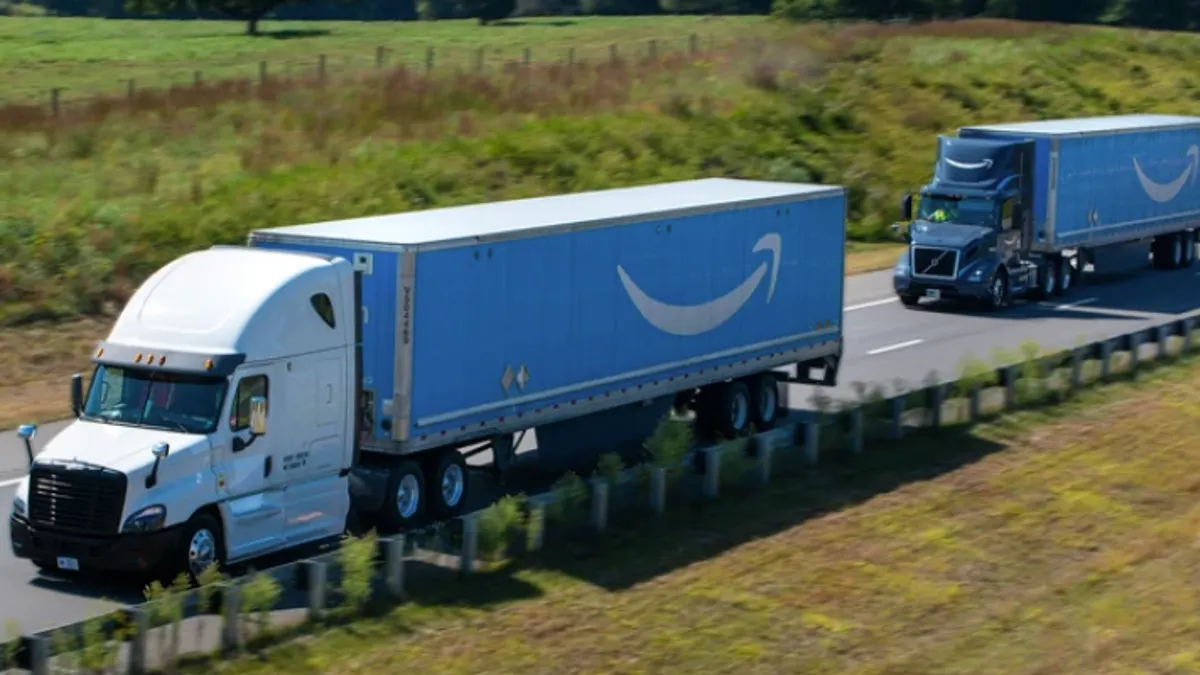
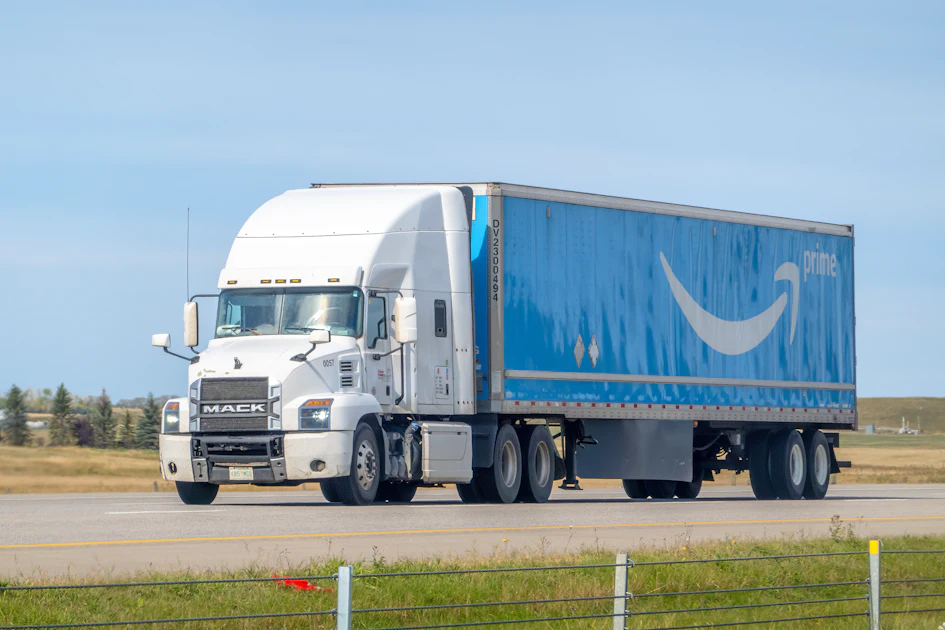
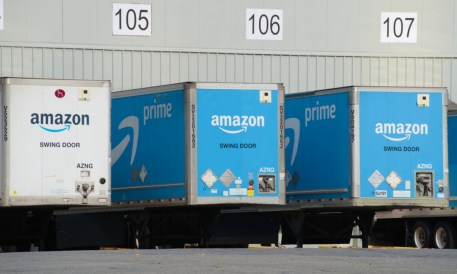
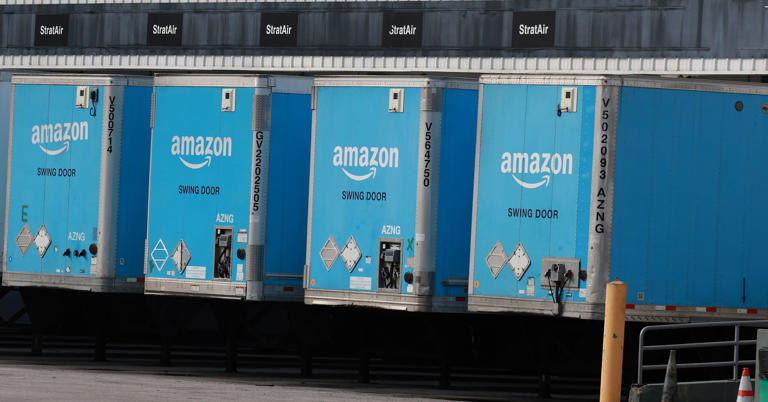
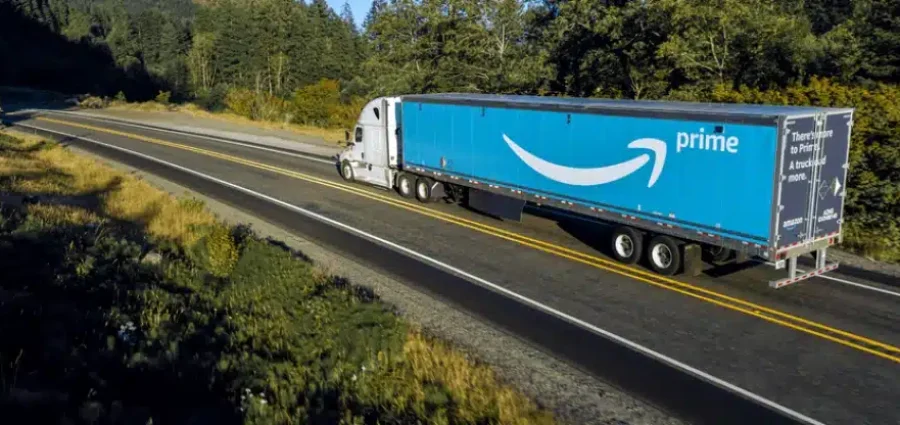
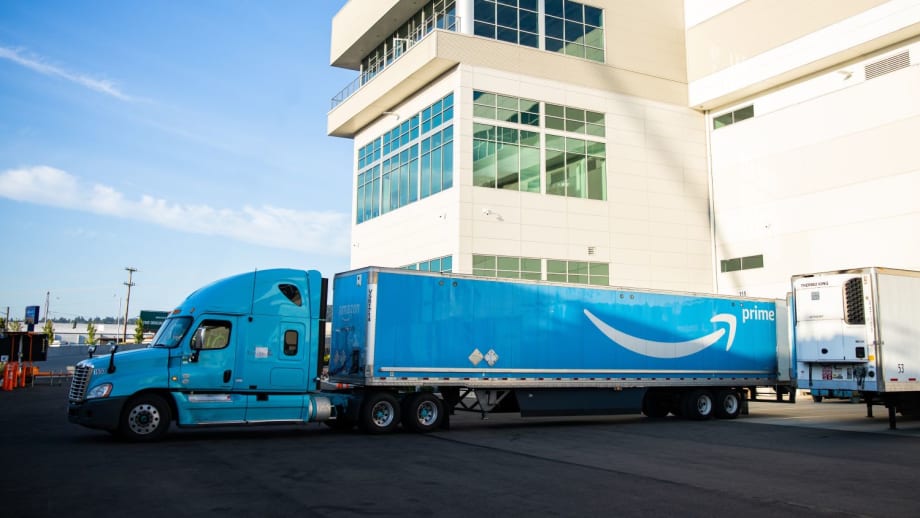
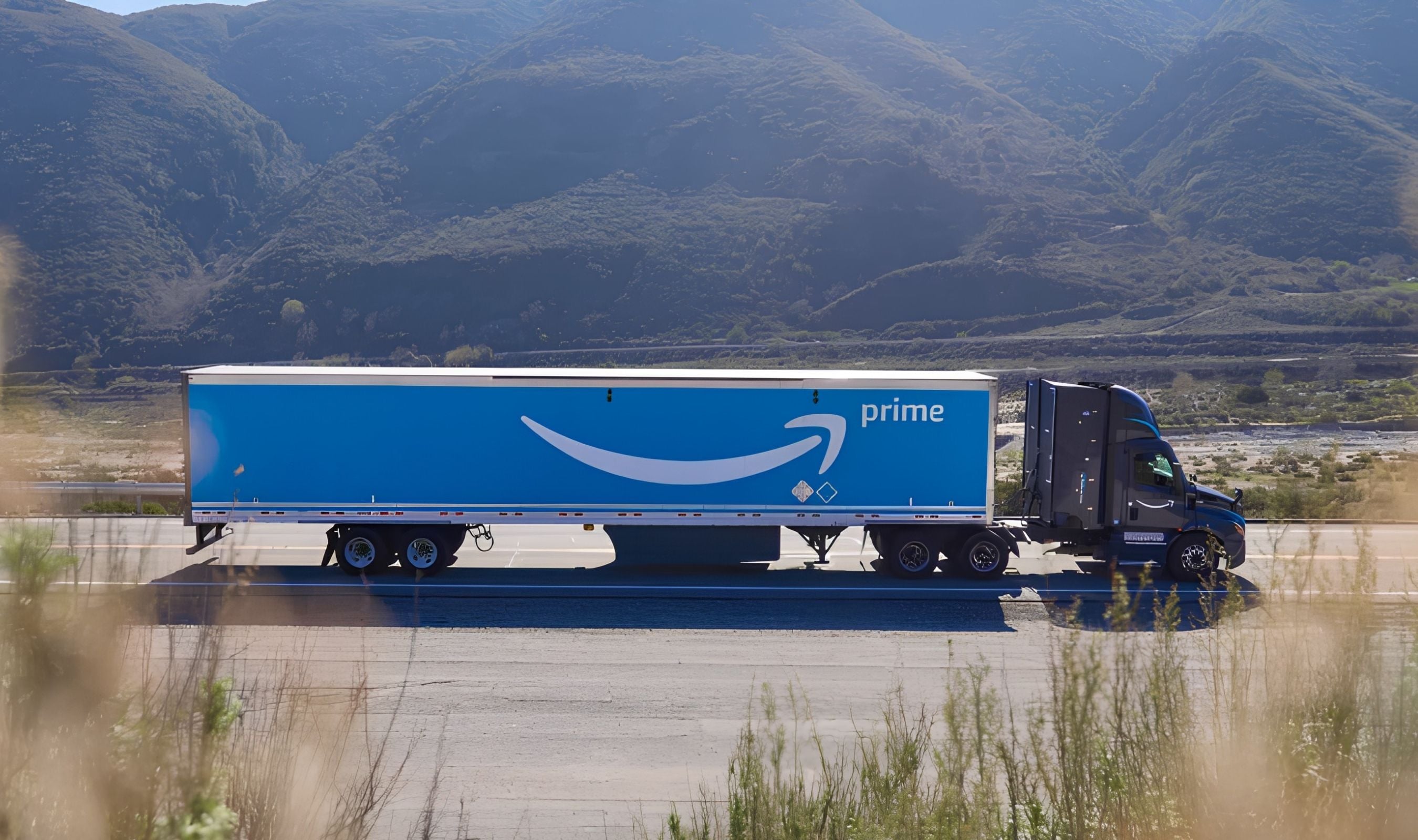
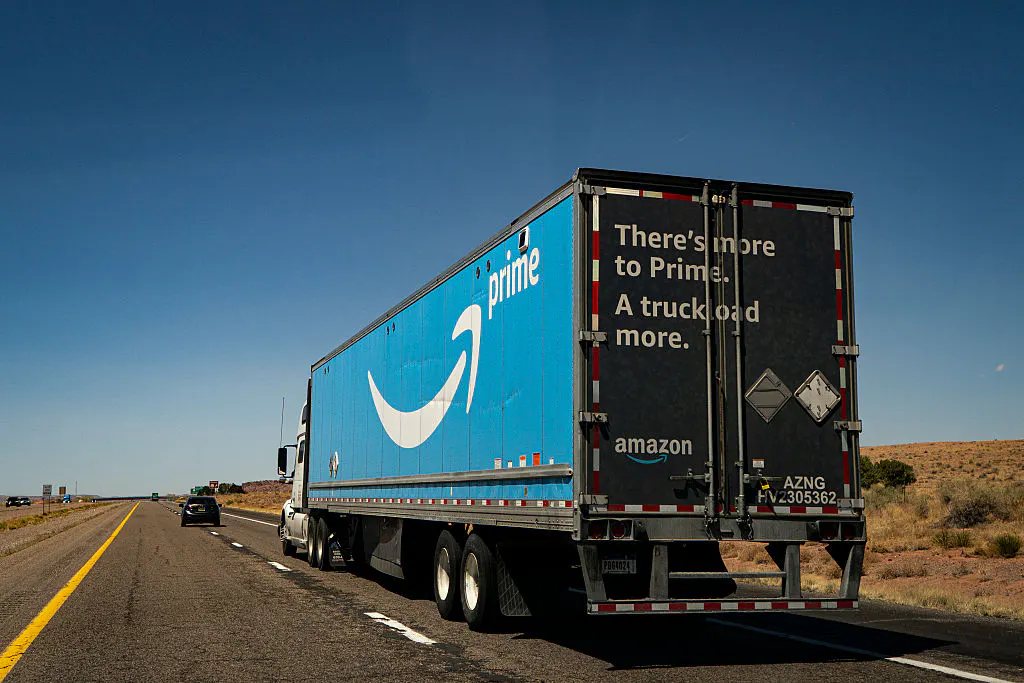
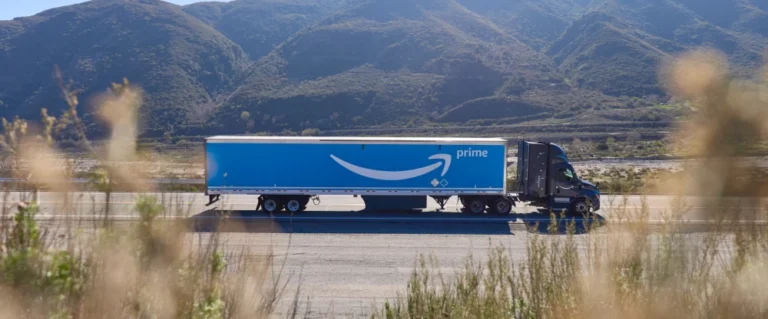
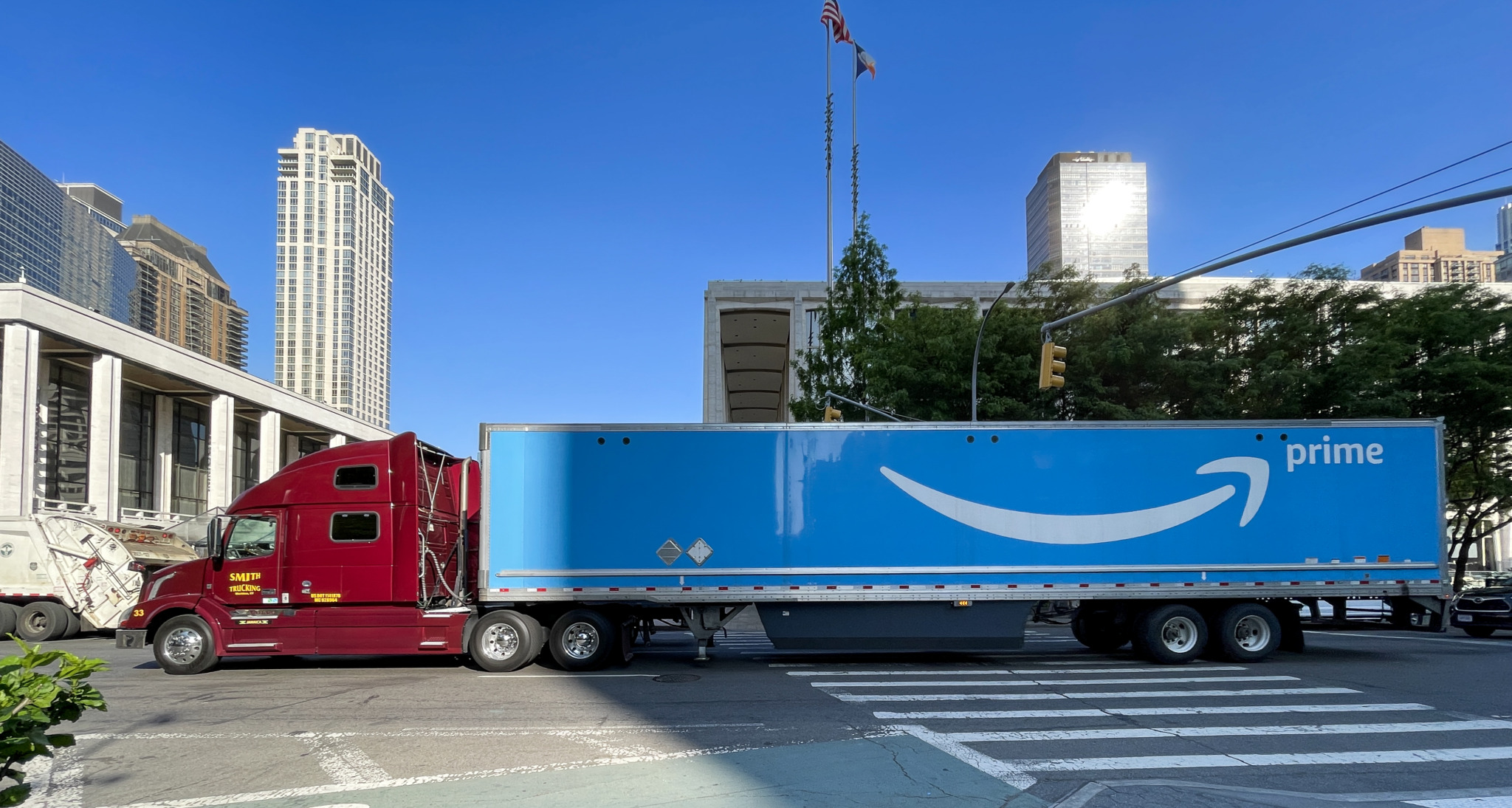
Amazon's full-scale less-than-truckload (LTL) expansion represents a watershed moment for e-commerce logistics. Announced June 10, 2026, the company has transformed its Amazon Supply Chain Services (ASCS) from inbound-only operations (launched April 2025) into a nationwide freight network serving all businesses—not just Amazon sellers. The service accepts shipments of 1-6 pallets (150-15,000 pounds) with next-day live pickup for orders placed by 5 p.m., same-day drop-trailer options, and standing daily pickups for high-volume shippers. Amazon operates 80,000 trailers, 24,000 intermodal containers, and approximately 74 cross-dock facilities (Q1 2025) with inbound freight acceptance at 115 facilities, creating a hub-and-spoke network that directly competes with the $60 billion LTL market dominated by FedEx Freight, Old Dominion, XPO Logistics, and ArcBest.
The competitive impact is immediate and measurable. FedEx Freight stock fell 7%, Old Dominion dropped 5%, XPO declined 5%, ArcBest sank 4%, and Saia slid 3% following the announcement—signaling investor recognition that Amazon's asset-light model (operating as a freight broker rather than full asset-based carrier) can undercut legacy pricing while offering superior visibility and reliability. ShipMatrix president Satish Jindel noted Amazon focuses on economy lanes with 3-4 day delivery windows using intermodal transport, lacking comprehensive driver networks and terminal infrastructure but leveraging existing package-delivery infrastructure. TD Cowen analyst Jason Seidl estimates Amazon will primarily compete in the economy LTL sub-segment, potentially capturing marginal market share without causing mass exodus from legacy carriers. However, Morgan Stanley's Ravi Shanker dissented, arguing Amazon's flexible, iterative approach could enable meaningful market share capture despite initial service limitations—a pattern demonstrated in air cargo and delivery networks.
For e-commerce sellers, this expansion creates three immediate logistics advantages: (1) Cost reduction of 15-25% on palletized B2B shipments compared to traditional LTL carriers, particularly for sellers shipping 1-6 pallets monthly to distribution centers, retail stores, or third-party warehouses; (2) Real-time visibility and reliability through GPS tracking, automated appointment scheduling, electronic proof-of-delivery, and sensor-equipped fleet security—addressing longstanding seller complaints about traditional carrier opacity; (3) Integrated logistics ecosystem combining freight, distribution, fulfillment, and parcel services, reducing coordination complexity for multi-channel sellers. The service targets businesses of all sizes with next-day and same-day pickup options across major U.S. markets, making it accessible to small sellers managing inventory across multiple fulfillment centers and large sellers consolidating regional shipments. Sellers shipping palletized freight since 2019 (tens of thousands according to Amazon) provided feedback that drove this expansion, indicating proven product-market fit within the seller community.
Questions 7
How should sellers evaluate Amazon LTL versus 3PL consolidation services?
Amazon LTL eliminates 3PL intermediary costs (typically 8-12% of freight spend) by offering direct access to 80,000 trailers and integrated tracking. 3PL services provide value through regional consolidation expertise and negotiated carrier rates, but add 5-7 day processing delays. Amazon's next-day pickup and same-day drop-trailer options reduce inventory holding costs for sellers managing tight cash flow. For sellers shipping 10+ pallets monthly, Amazon LTL's integrated ecosystem (freight + fulfillment + parcel services) reduces coordination complexity. However, 3PLs maintain advantages in specialized services (temperature control, hazmat, white-glove delivery) and premium carrier relationships. Sellers should compare total landed costs including pickup timing, delivery speed, damage rates, and visibility features. Test Amazon LTL on standard shipments (electronics, apparel, home goods) while retaining 3PL for specialized categories requiring premium service tiers.
Will Amazon LTL significantly disrupt the $60 billion LTL market?
Most analysts view Amazon's entry as unlikely to significantly disrupt the $60 billion LTL market in its current form, though Morgan Stanley dissents. Deutsche Bank notes Amazon's footprint is insufficient for nationwide asset-based operations, comparing it more closely to broker offerings. TD Cowen suggests Amazon will capture marginal market share in the economy (3-4 day) sub-segment without causing mass exodus from legacy carriers. The LTL industry maintains high barriers to entry requiring substantial capital investment in terminal networks, fleet maintenance, and technology infrastructure built over decades. However, Amazon's demonstrated ability to gain traction through flexible, iterative operations (air cargo, delivery networks) warrants caution. Competitive landscape shifts include FedEx Freight's independent spin-off with 500+ dedicated sales representatives, Walmart's upgraded LTL consolidation program, and Knight-Swift's regional acquisitions—suggesting Amazon's entry accelerates industry consolidation rather than disruption.