





Strait of Hormuz Conflict Escalates | Critical Supply Chain & Energy Price Risks for Cross-Border Sellers
- US-Iran military strikes threaten 21% of global oil transit; inflation at 4.2% annually; shipping delays and cost increases expected for sellers in electronics, apparel, and home goods categories across US, EU, and Middle East markets














Overview
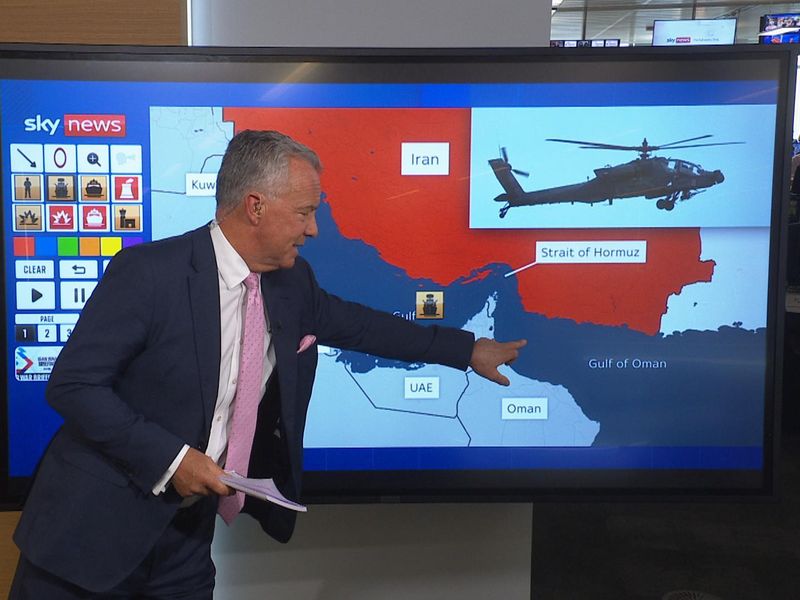
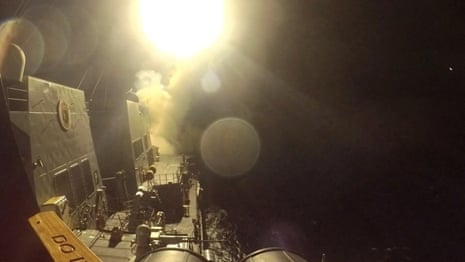
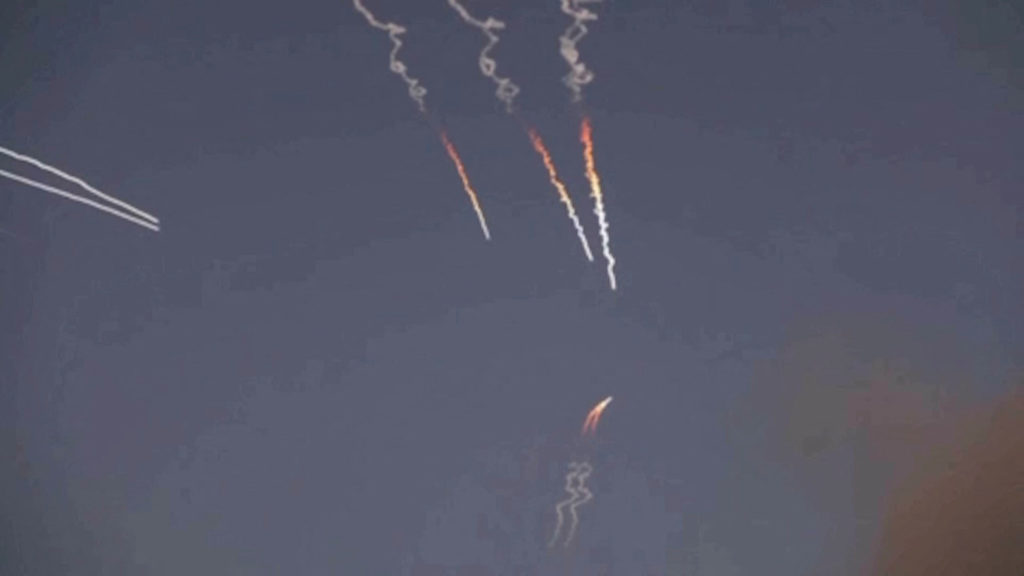
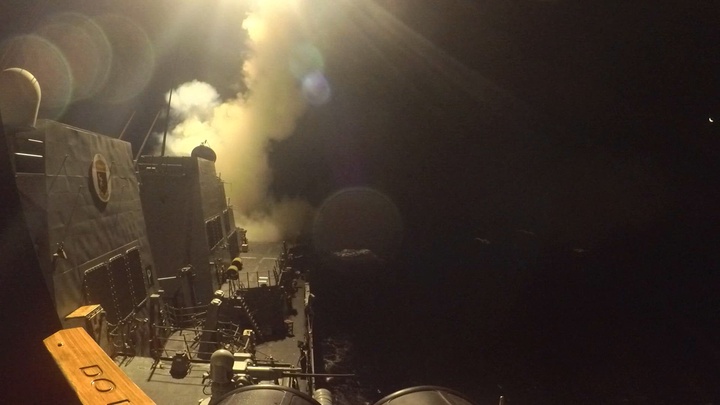
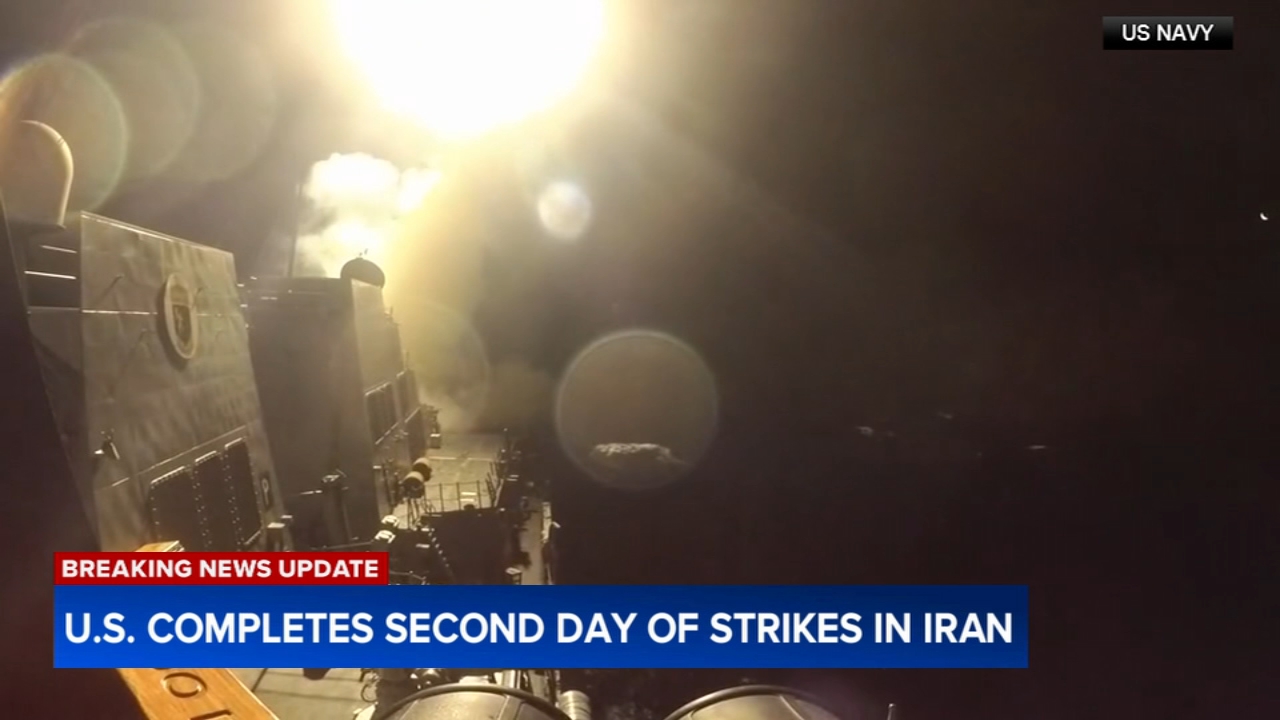
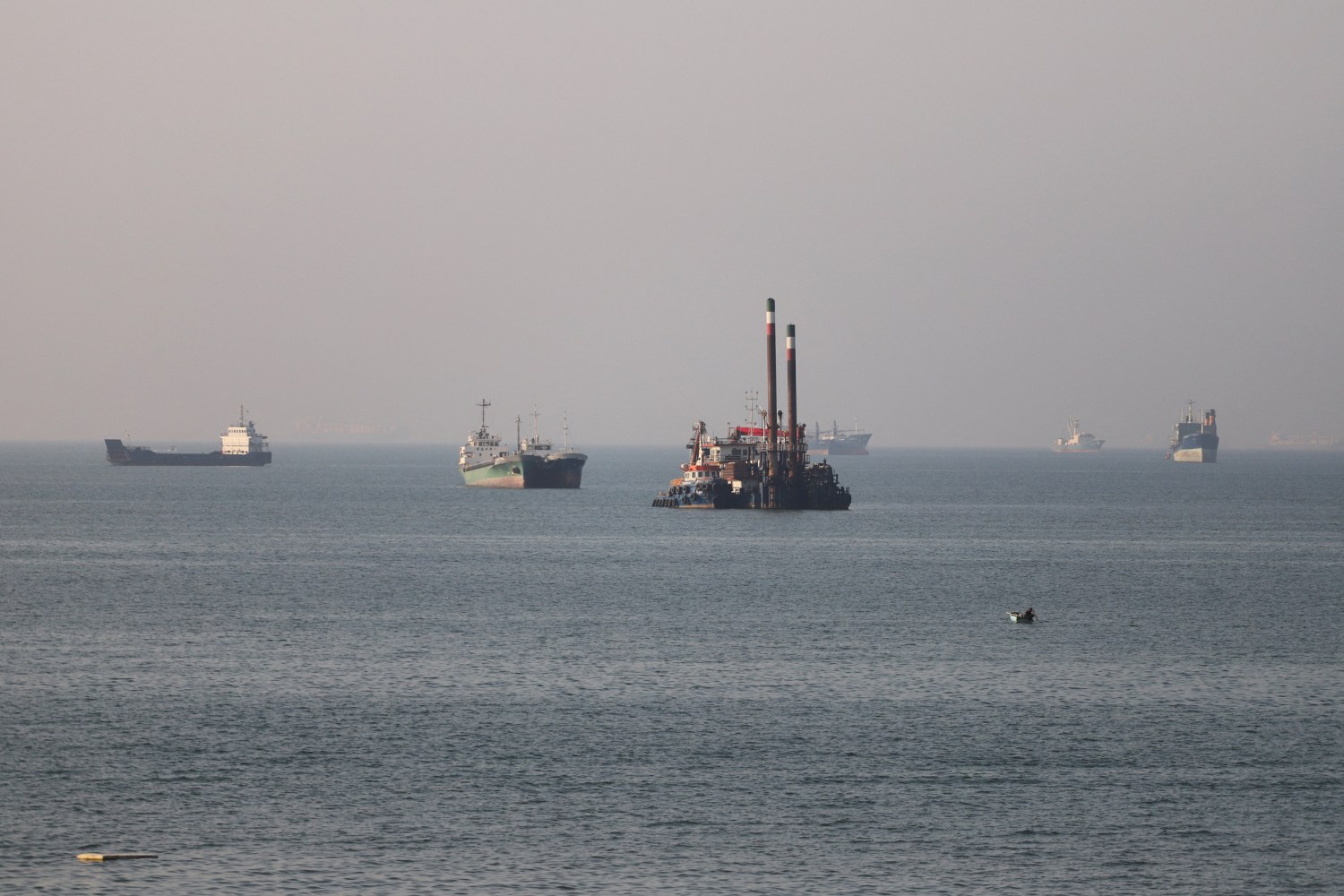
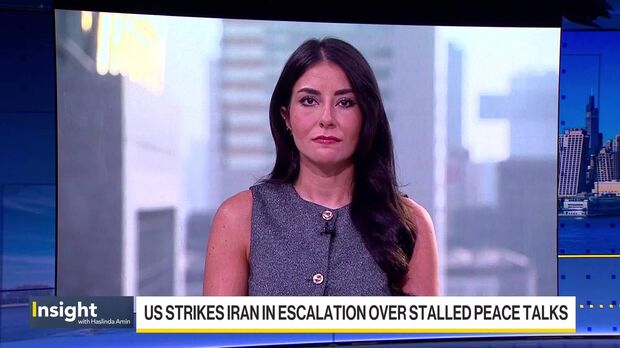
The escalating US-Iran military conflict centered on the Strait of Hormuz represents a critical supply chain and cost-inflation risk for cross-border e-commerce sellers. President Trump ordered intensified airstrikes on Iranian military infrastructure (surveillance, communications, air defense systems) on Wednesday, with Iran retaliating against Bahrain, Kuwait, and Jordan. The April 8 ceasefire has effectively collapsed, with both sides conducting sustained military operations despite failed diplomatic channels. This geopolitical crisis directly impacts sellers through three mechanisms: (1) Energy Price Volatility: The Strait of Hormuz handles 21% of global petroleum transit. Rep. Jim Himes warned that Iranian retaliatory capacity—including potential Houthi-coordinated Red Sea disruptions and attacks on UAE/Qatar energy infrastructure—could "dramatically increase global oil prices." US inflation already jumped to 4.2% annually in May, marking the third consecutive monthly increase since the Iran war began and reaching a three-year high. (2) Shipping Route Disruption: Houthi attacks on Red Sea shipping (coordinated with Iran) have already forced carriers to reroute around Africa, adding 10-14 days to transit times and increasing freight costs 20-40% for sellers shipping to Europe and Asia. (3) Supply Chain Delays: Strikes on Iranian water facilities and infrastructure signal potential disruption to manufacturing hubs in the region, affecting electronics components, textiles, and petrochemical-dependent products.
For sellers, the operational impact is immediate and quantifiable. Sellers shipping electronics, apparel, and home goods via Red Sea routes face 15-25% freight cost increases and 2-3 week delivery delays. FBA sellers with inventory in transit experience extended fulfillment times, risking IPI score penalties and Buy Box loss. Inflation at 4.2% compresses margins across all categories—sellers with 15-20% net margins see effective profit reduction of 0.6-0.8 percentage points monthly. The mixed messaging from the Trump administration ("final throes of a deal" vs. intensified strikes) creates planning uncertainty; analysts warn the military pressure strategy appears counterproductive, suggesting prolonged conflict without near-term resolution.
Strategic implications vary by seller segment. Small sellers (under $100K annual revenue) with just-in-time inventory models face acute risk from shipping delays and cost spikes. Mid-market sellers ($100K-$1M) should diversify shipping routes and consider air freight for high-margin items despite 3-5x cost premiums. Enterprise sellers can absorb short-term cost increases but face margin compression if unable to raise prices without losing Buy Box position. The conflict also creates product opportunity: military-adjacent categories (tactical gear, emergency supplies, fuel containers, water filtration systems) typically see 30-50% demand spikes during geopolitical crises, with sellers reporting 2-3x inventory turnover during conflict periods.
Questions 8
What is the connection between Middle East conflict and US inflation affecting my margins?
US inflation jumped to 4.2% annually in May, marking the third consecutive monthly increase since the Iran war began and reaching a three-year high. This inflation is directly linked to oil price volatility caused by Strait of Hormuz disruption risk. Higher energy costs cascade through supply chains—affecting manufacturing, transportation, and warehousing costs. For sellers with 15-20% net margins, 4.2% inflation effectively reduces profit by 0.6-0.8 percentage points monthly. Rep. Jim Himes warned that Iranian retaliatory capacity could 'dramatically increase global oil prices,' potentially pushing inflation to 5%+ within 90 days. Sellers should model price elasticity for their categories and consider 3-5% price increases on high-margin items to maintain profitability.
How does the Strait of Hormuz conflict affect my shipping costs and delivery times?
The escalating US-Iran military conflict directly impacts Red Sea shipping routes, which handle approximately 21% of global petroleum transit and are critical for cross-border e-commerce logistics. Houthi attacks coordinated with Iran have forced carriers to reroute around Africa, adding 10-14 days to transit times and increasing freight costs 20-40% for sellers shipping to Europe and Asia. For FBA sellers, this translates to extended fulfillment times that risk IPI score penalties and Buy Box loss. Immediate action: contact your 3PL provider to confirm route contingencies and obtain updated freight quotes for alternative routing (Suez Canal vs. Cape of Good Hope). Monitor carrier announcements weekly for route changes.