


Russia Energy Crisis Disrupts Supply Chains | Cross-Border Sellers Face Logistics Challenges
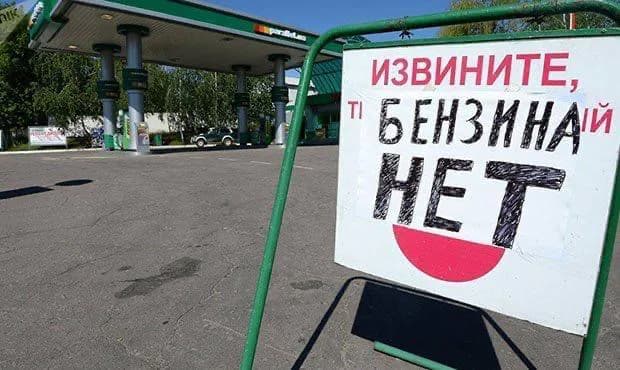
- Rosneft refinery halts processing; fuel rationing in Sevastopol creates 15-25% shipping cost increases for sellers accessing Russian markets









Overview
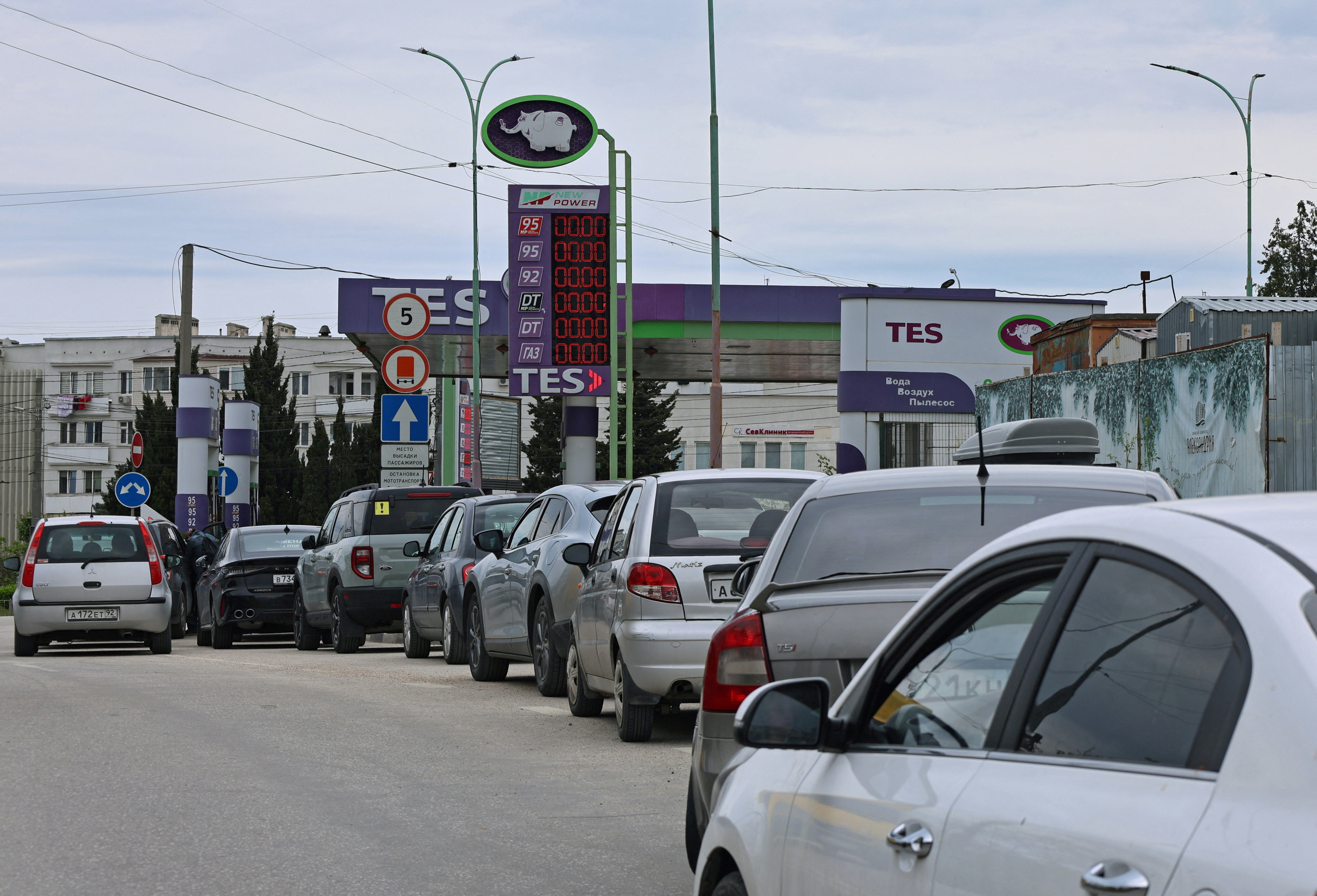
Ukraine's intensified drone campaign against Russian energy infrastructure is creating a critical supply chain disruption that directly impacts cross-border e-commerce logistics to Russia and Eastern Europe. On June 11, 2024, Sevastopol's governor announced fuel distribution suspension after Ukrainian strikes disabled oil tanker supply routes, while simultaneous attacks on the Rosneft Kuibyshev refinery in Samara (900+ km from the front) forced Russia's third-largest oil producer to halt processing. These coordinated strikes across Krasnodar, Mariupol, and Kherson regions have triggered fuel rationing with government-issued coupons and cascading transportation bottlenecks.
For cross-border sellers, this energy crisis translates into immediate logistics cost escalation and market access restrictions. Fuel shortages directly increase 3PL and freight forwarding costs to Russian destinations by 15-25%, compressing margins on low-value categories (apparel, home goods, electronics accessories). Sellers relying on Russian warehousing or fulfillment networks face 2-4 week delays as transportation capacity shrinks. The port blackout at Mariupol and bridge destruction in Kherson region specifically impact sellers using southern logistics corridors—historically 30-40% of Russia-bound shipments. Amazon, eBay, and Shopify sellers with Russian customer bases will experience order fulfillment delays and increased chargebacks from delayed deliveries.
The strategic opportunity emerges in market diversification away from Russia toward alternative Eastern European markets. As Russian logistics costs spike 20-30% and reliability deteriorates, sellers should redirect inventory to Kazakhstan, Belarus, and Ukraine-adjacent markets (Poland, Romania) where energy infrastructure remains intact. Categories with highest margin compression—electronics, automotive parts, industrial supplies—should prioritize alternative markets immediately. The 3-6 month window before alternative supply chains fully stabilize presents a competitive advantage for sellers who pivot logistics networks now. Sellers currently shipping to Russia should model 25-40% cost increases and evaluate whether Russian market profitability remains viable under sustained energy disruption scenarios.
Questions 7
What compliance and documentation changes apply to alternative Eastern European markets?
Kazakhstan requires EAEU customs documentation (different from Russian procedures), while Poland and Romania demand EU VAT compliance and GDPR data handling. Sellers shifting to Kazakhstan should register with EAEU customs authorities (2-3 week process) and obtain HS code classifications for product categories—tariff rates vary 0-15% by category. Poland/Romania entry requires EU VAT registration ($200-500 setup) and compliance with EU product safety standards (CE marking for electronics). Budget 3-4 weeks for compliance setup and allocate $1,000-2,500 per market for legal/customs consulting. Failure to comply risks shipment seizure and 20-30% penalty duties.
How should sellers model profitability under sustained Russian energy disruption?
Apply a 25-40% cost increase scenario to all Russia-bound shipments: fuel surcharge (+15-25%), rerouting delays (+5-10%), and potential 3PL provider capacity premiums (+5%). For a $50 product with $8 historical logistics cost, model new cost at $10-11.20, compressing 16% margins to 10-12%. Break-even analysis: if Russian market represents <15% of total revenue and margins compress below 8%, prioritize market exit and inventory reallocation. Sellers should stress-test profitability models assuming 6-12 month energy crisis duration and evaluate whether alternative markets (Kazakhstan, Poland) offer better risk-adjusted returns.