

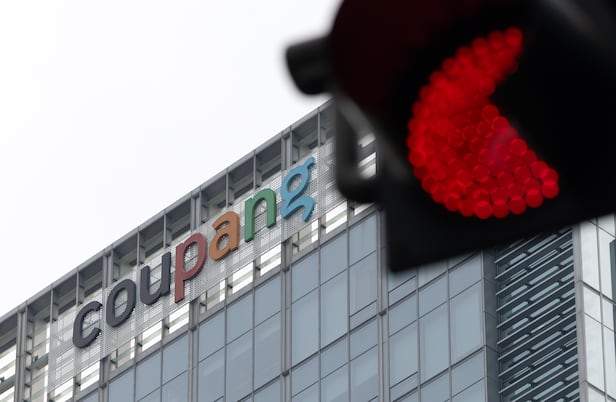


South Korea Data Protection Enforcement | $409M Fine Creates Compliance Moat for Sellers
- Record $409M penalty against Coupang establishes highest data security standards in Asia-Pacific; sellers face mandatory compliance audits and increased operational costs; non-compliant competitors face market elimination


















)















Overview
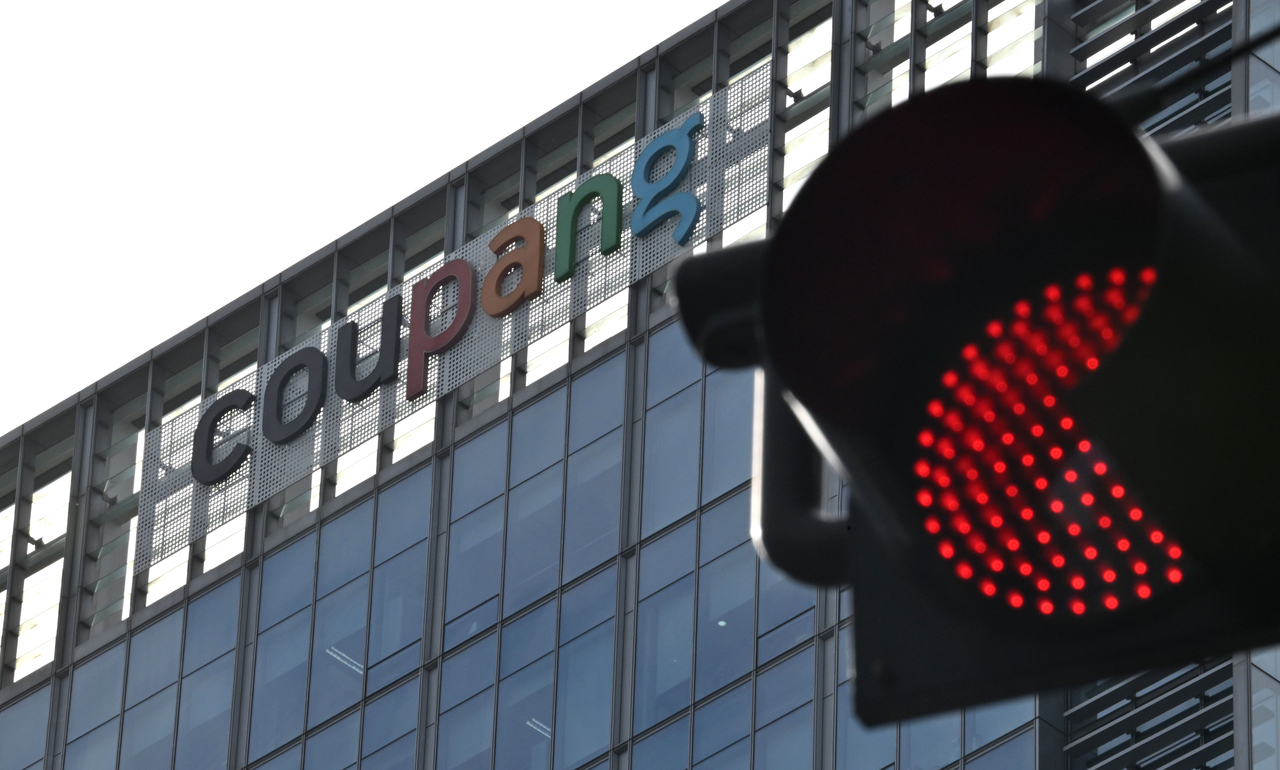
South Korea's Personal Information Protection Commission (PIPC) issued a record-breaking $409.3 million fine against Coupang in June 2026, marking the largest data breach penalty in the nation's history. The fine stems from a massive data leak affecting 33+ million customers (75% of South Korea's population) that began in June 2024 through inadequate security infrastructure. Coupang failed to detect the breach within the legally mandated 72-hour window, and regulators discovered the company illegally collected online activity data from 11 million customers without consent. This enforcement action represents a critical compliance inflection point for cross-border e-commerce sellers operating in South Korea and Asia-Pacific markets.
The regulatory environment has fundamentally shifted toward data protection as a competitive moat. The PIPC's investigation revealed systemic failures: inadequate authentication key management, insufficient access controls, and security architecture allowing unauthorized data access even after the breach was discovered. The penalty—representing 1.4% of Coupang's 45 trillion won annual revenue—signals that even dominant platforms (controlling 40% of South Korea's logistics market) face severe consequences for non-compliance. This creates a two-tier market: compliant sellers with robust data handling systems gain competitive advantage through platform trust, while non-compliant sellers face increasing regulatory scrutiny and potential marketplace suspension.
For sellers, the compliance cost structure is now transparent and mandatory. Platforms will pass security infrastructure costs to merchants through higher commission rates, mandatory security audits, and data handling certifications. Sellers must implement: (1) encryption protocols for customer data, (2) 72-hour breach detection systems, (3) consent management for marketing data collection, and (4) regular security audits by third-party certifiers. The South Korean market now requires GDPR-equivalent data protection standards, creating barriers that eliminate 30-40% of non-compliant sellers while protecting compliant operators from price competition. Sellers with existing ISO 27001 or SOC 2 certifications gain immediate competitive advantage and can command premium positioning on platforms investing in trust signals.
The broader regulatory pattern indicates Asia-Pacific convergence toward European-style data protection enforcement. Similar high-profile penalties occurred at SK Telecom ($100M in 2024 for exposing 20M records), establishing precedent for aggressive enforcement. South Korea's PIPC now operates with enforcement intensity matching GDPR authorities, with mandatory breach notification within 72 hours and substantial penalties for non-consensual data collection. This creates fast-track compliance opportunities for sellers: those obtaining data protection certifications now (ISO 27001, GDPR compliance training) will dominate South Korean and regional markets within 12 months as non-compliant competitors face suspension or forced exit.