



Oracle AI Infrastructure Spending Surge | Critical Cloud Cost Implications for E-Commerce Sellers
- Oracle's 7% stock decline signals $2B+ annual AI capex commitments; AWS, Azure, Google Cloud following suit; expect 15-25% cloud service price increases within 12 months affecting seller fulfillment costs
Overview
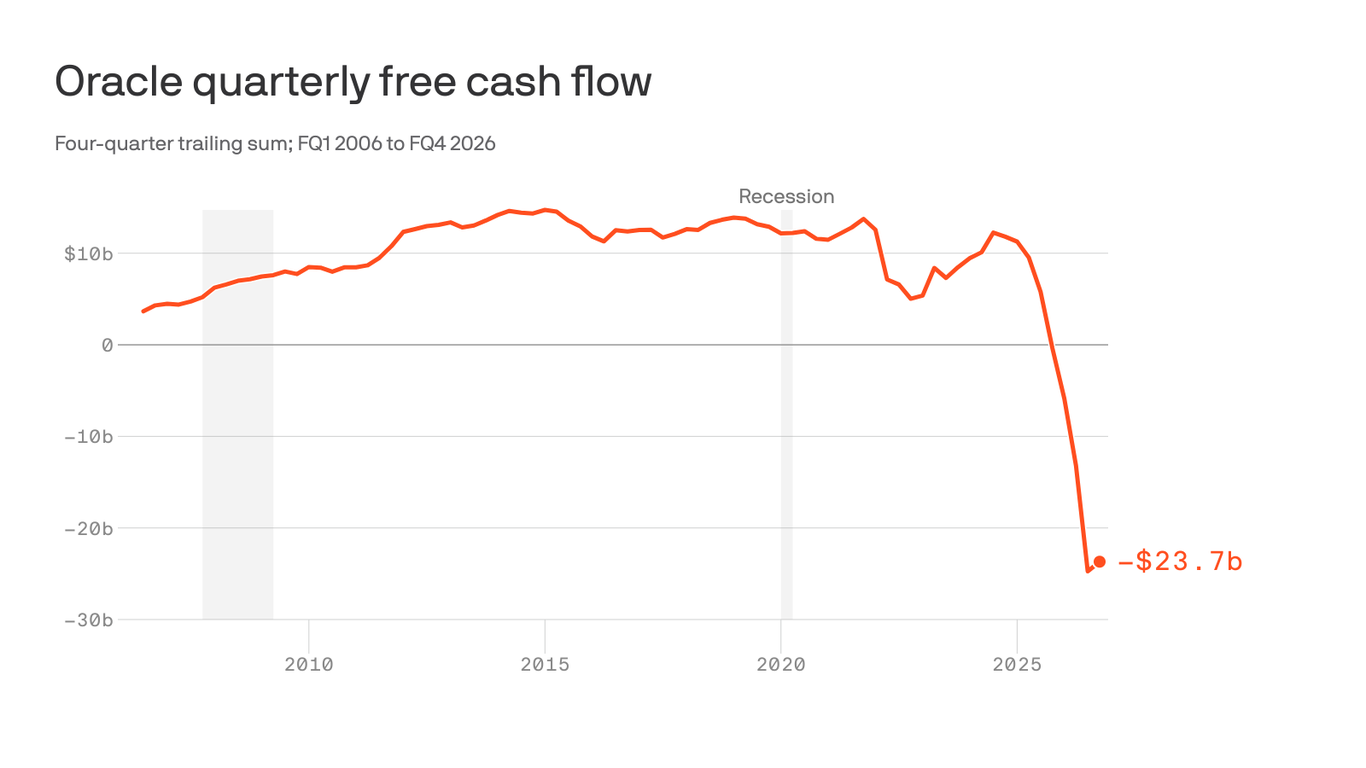
Oracle's aggressive AI infrastructure investment strategy represents a watershed moment for e-commerce sellers relying on cloud-based fulfillment and logistics platforms. The company's disclosure of substantial capital expenditure increases for data center expansion—triggering a 7% premarket stock decline—signals that major cloud providers (AWS, Microsoft Azure, Google Cloud) are entering a multi-year, capital-intensive AI buildout cycle. This infrastructure arms race will directly impact seller economics through higher cloud service costs, increased fulfillment fees, and compressed margins across Amazon FBA, Shopify Plus, and enterprise logistics platforms.
The immediate financial pressure on cloud providers creates a pricing cascade for e-commerce sellers. Oracle's stock decline reflects investor concerns about near-term profitability erosion from elevated capex, but management's signaling of continued "significant spending ahead" indicates multi-year commitments. Industry analysts project cloud providers will need to recover these investments through service pricing increases of 15-25% over the next 12-18 months. For sellers using AWS-powered fulfillment networks, this translates to $150-400 monthly cost increases for mid-sized operations (500-2,000 units/month). Amazon FBA sellers should anticipate storage fee increases of 8-12% and fulfillment cost escalations of 5-8% as Amazon recovers its own AI infrastructure investments in warehouse automation, predictive inventory systems, and logistics optimization.
Strategic sellers can leverage this transition period to gain competitive advantage through AI-powered automation. While cloud costs rise, sellers who adopt AI-driven tools for dynamic pricing, demand forecasting, and inventory optimization can offset margin compression by 3-5%. The 12-18 month window before major price increases take effect represents a critical opportunity to implement AI solutions for product research automation, competitive intelligence gathering, and customer service chatbots—all of which reduce operational overhead before cost pressures intensify. Sellers should immediately audit their cloud service dependencies, model pricing scenarios for 2025-2026, and prioritize AI tools that deliver measurable ROI (cost reduction or revenue lift) within 6 months. The competitive moat will belong to sellers who automate repetitive tasks NOW, before cloud infrastructure costs become a permanent drag on profitability.
Questions 7
How will Oracle's AI spending increase affect Amazon FBA fees for sellers?
Oracle's $2B+ annual AI capex commitment signals that cloud providers including Amazon will need to recover infrastructure investments through service pricing increases of 15-25% over 12-18 months. Amazon FBA sellers should expect storage fees to rise 8-12% and fulfillment costs to increase 5-8% as Amazon automates warehouses and optimizes logistics networks using AI. Mid-sized sellers (500-2,000 units/month) will face $150-400 in additional monthly fulfillment costs by Q3 2025. Sellers should immediately audit their FBA dependency and model pricing scenarios to maintain profitability margins.
What AI tools should sellers implement NOW to offset rising cloud costs?
Sellers should immediately deploy: (1) Dynamic pricing engines (tools like Repricing Central, Keepa) to recover 2-3% margin through algorithmic price optimization; (2) Demand forecasting AI (Inventory Lab, Helium 10) to reduce overstock by 15-20% and free up capital; (3) Customer service chatbots (Zendesk, Intercom) to reduce support costs by 30-40%; (4) Competitive intelligence automation (Jungle Scout, AMZScout) to identify pricing opportunities in 50% less time. These tools deliver 6-12 month ROI of 200-400% by reducing operational overhead before cloud costs spike.