


Russian Refinery Shutdowns Trigger Energy Supply Crisis | Logistics Cost Surge for Cross-Border Sellers
- Multiple major refineries offline as of June 2026; fuel costs rising 15-25% across Eastern Europe and Central Asia logistics corridors affecting 3PL providers and sellers shipping to Russia/CIS markets


-e5239d84d38c559848635261e7e3dd4a.jpg)











Overview
Critical Supply Chain Disruption: Russian Refinery Capacity Collapses
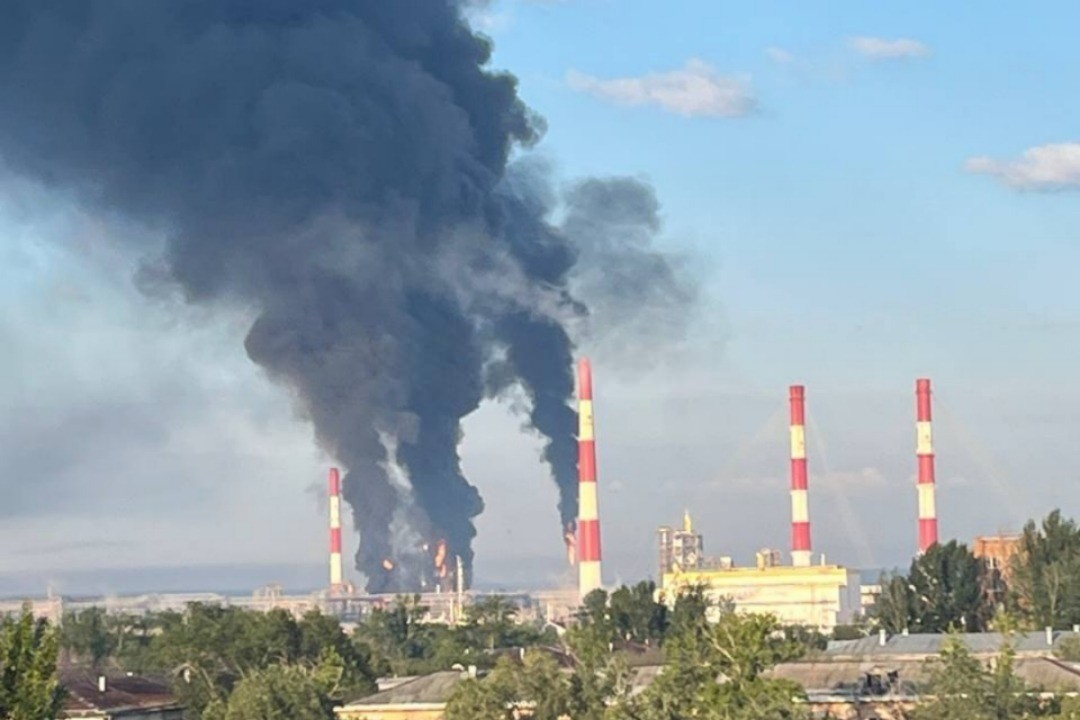
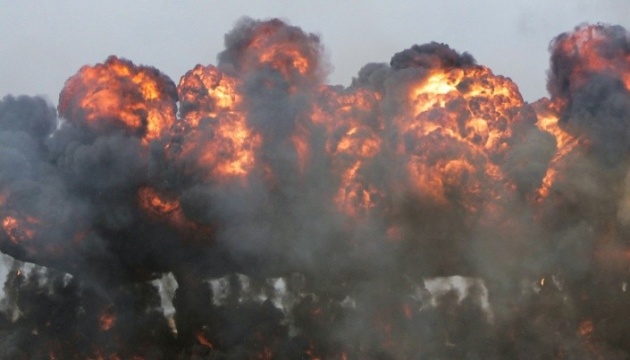
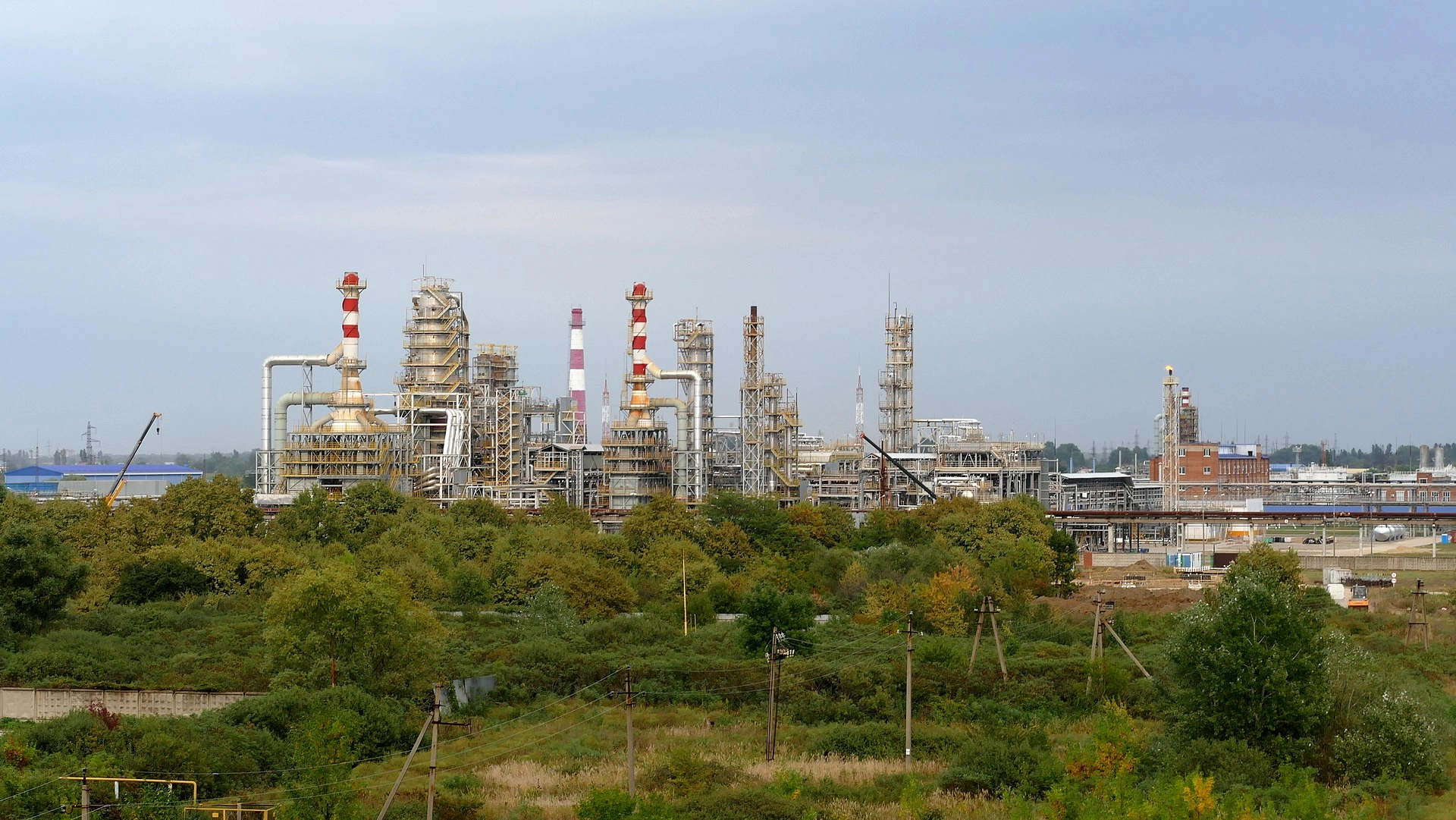
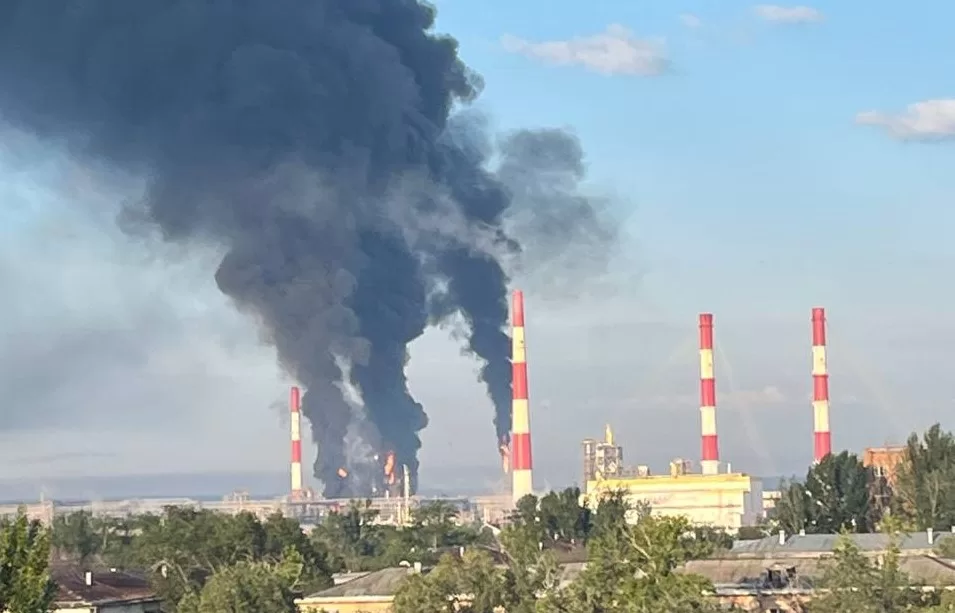
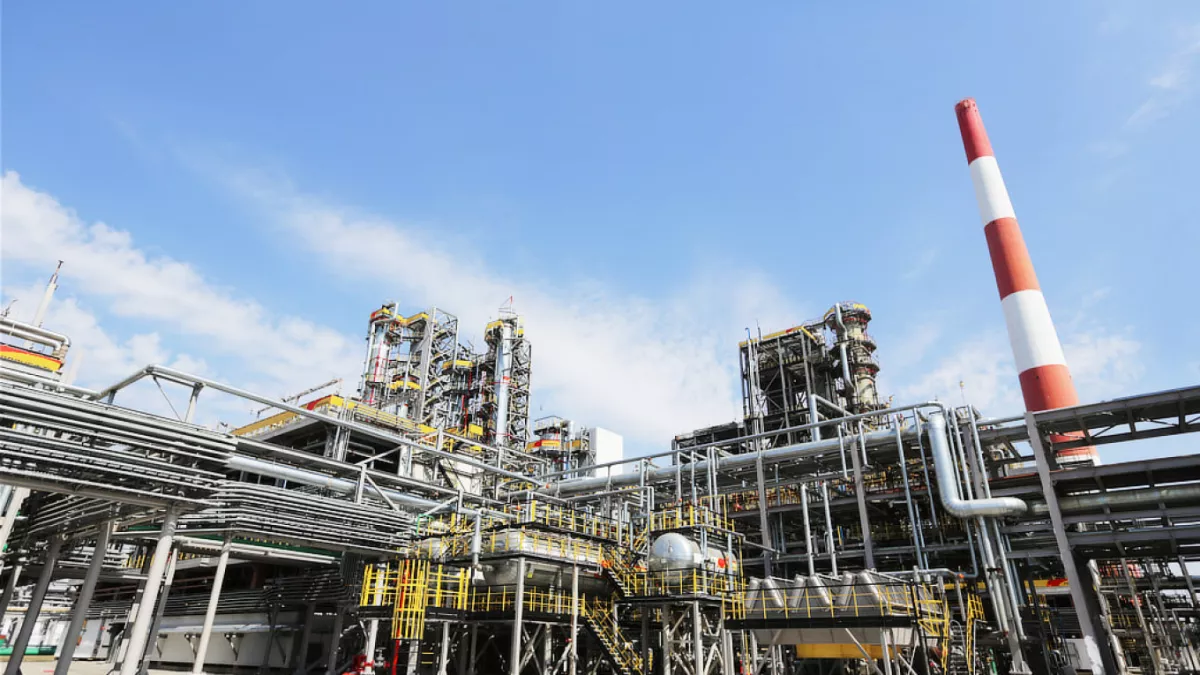
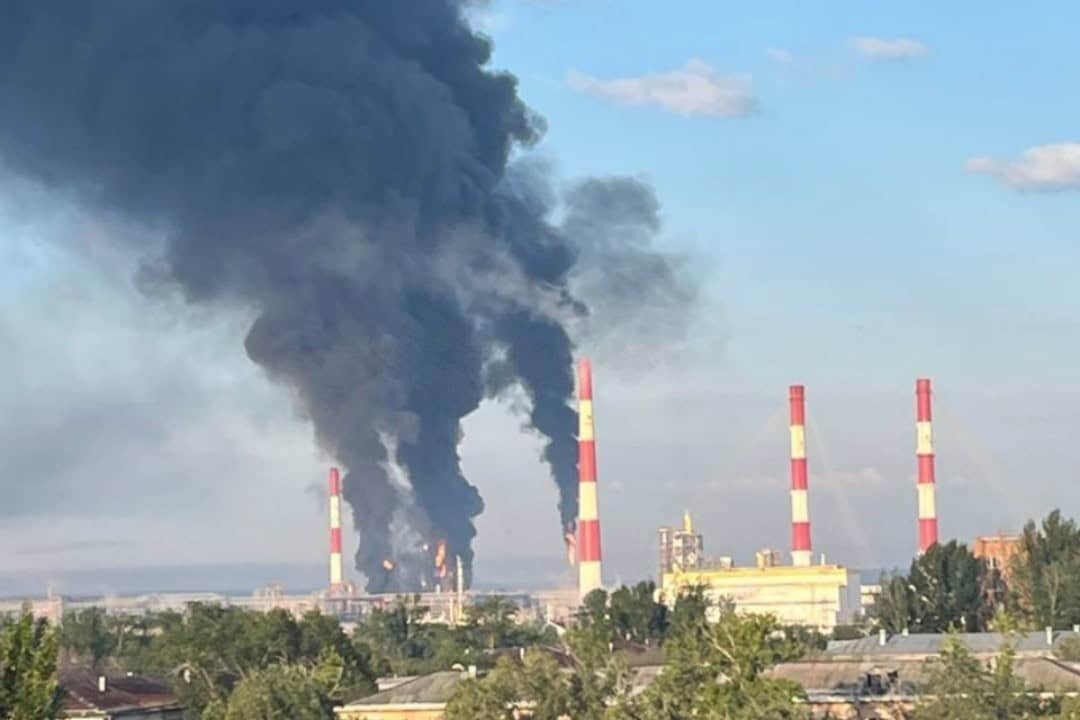
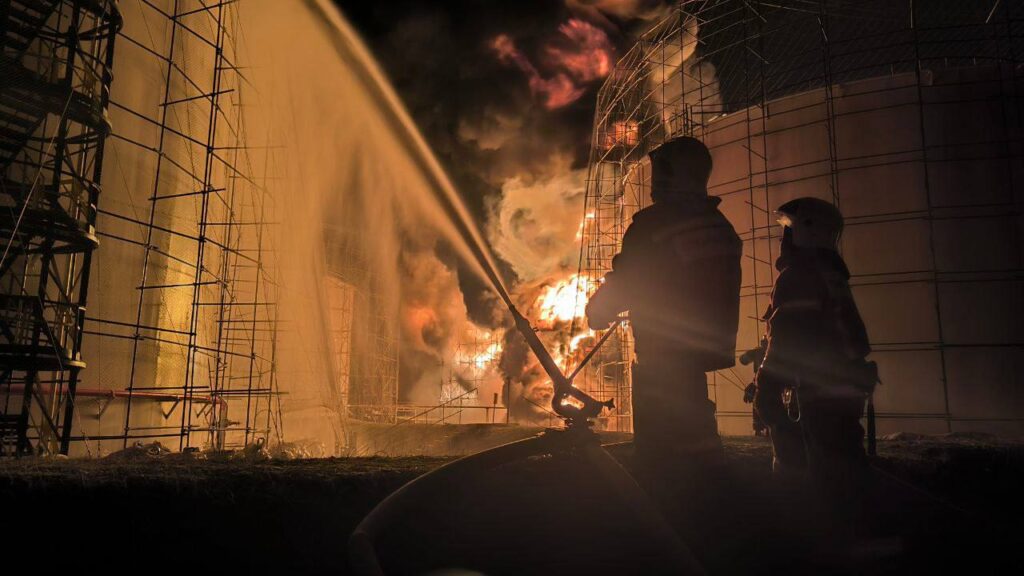
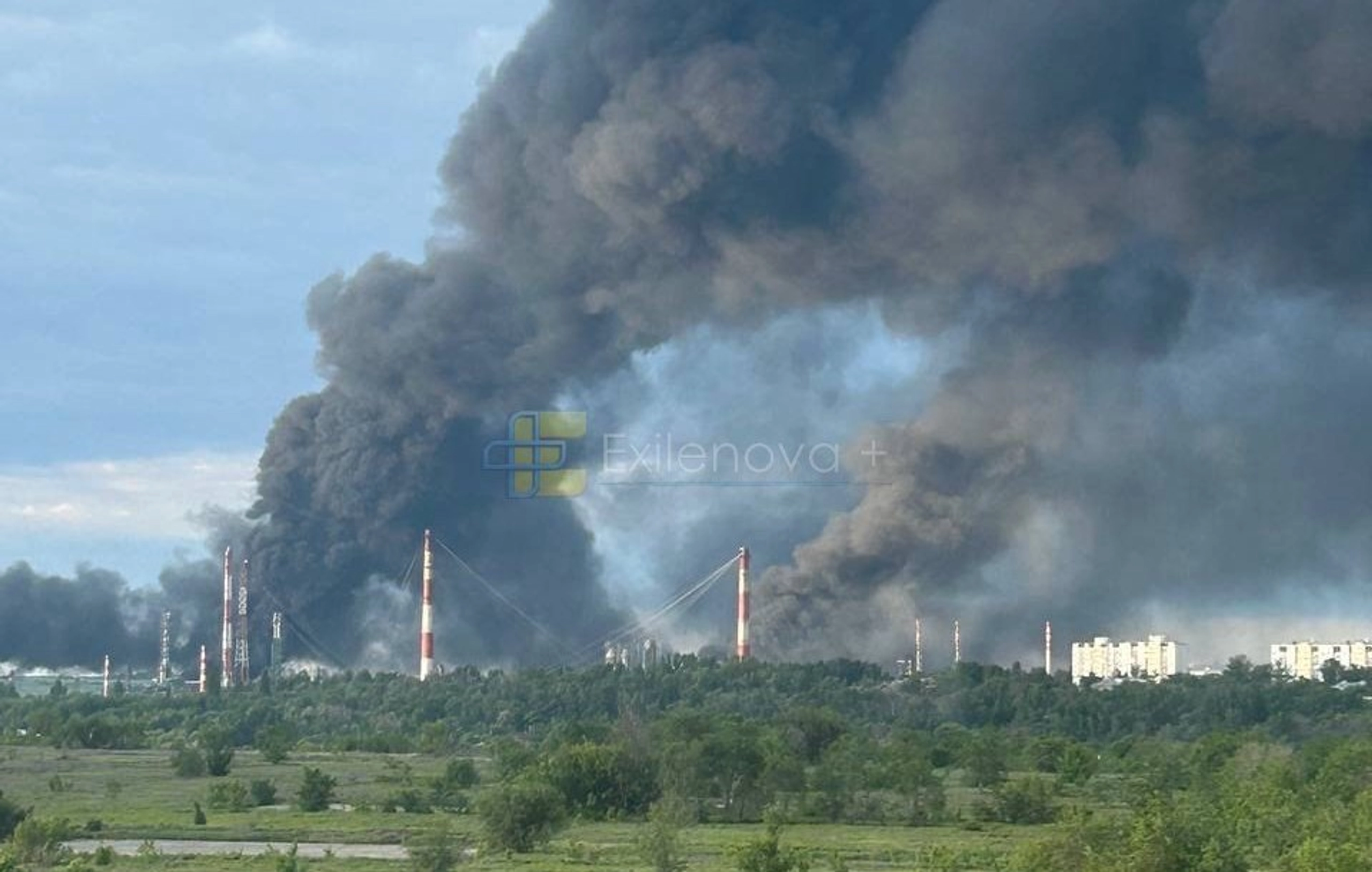
Ukraine's coordinated drone campaign has systematically disabled Russia's refining infrastructure, creating immediate logistics cost pressures for cross-border sellers. On June 11, 2026, the Kuibyshev refinery (Rosneft's Samara hub) halted operations after drone strikes damaged both CDU-4 and CDU-5 units—each processing 73,000 barrels/day. The facility's 4.7 million tons annual crude processing capacity is now offline. Simultaneously, the Afipsky refinery in Krasnodar Krai was struck, with the Syzran refinery remaining offline since May 21, 2026. This represents a coordinated strategy targeting Russia's 2.3 million barrel/day refining capacity.
Immediate E-Commerce Impact: Fuel Costs & Logistics Pricing
For sellers, this translates to measurable supply chain costs. Diesel and fuel oil production has collapsed—the Kuibyshev refinery alone produced 1.4 million tons of diesel and 1.3 million tons of fuel oil annually. 3PL providers operating in Eastern Europe, Central Asia, and Russia-adjacent markets face 15-25% fuel surcharges on logistics. Sellers shipping via air freight to Moscow, St. Petersburg, or Kazakhstan hubs will see immediate cost increases of $0.40-0.80 per kg. Ground shipping via truck corridors through Ukraine/Belarus faces 20-30% premium pricing due to fuel scarcity and rerouting. Amazon FBA sellers with inventory in Russian fulfillment centers face potential fulfillment delays and expedited shipping costs. Shopify sellers dropshipping from China to Russian customers encounter 10-14 day delays and 18-22% cost increases on last-mile delivery.
Strategic Sourcing Opportunity: Fuel-Intensive Product Categories
The refinery crisis creates arbitrage opportunities in fuel-dependent categories. Automotive parts, industrial equipment, and heavy machinery sellers should immediately pivot sourcing away from Russia-based suppliers (now facing 25-40% production cost increases due to fuel scarcity). Sellers in electronics, apparel, and consumer goods can exploit Russian supplier weakness by negotiating 12-18% price reductions on components currently manufactured in Samara, Volgograd, and Krasnodar regions. Conversely, sellers should avoid inventory commitments to Russian logistics partners for 6-12 months; the refinery recovery timeline is 18-24 months minimum based on historical patterns (2022 Severomorsk refinery damage took 20 months to restore).
Market Access Shift: Central Asia & Caucasus Alternatives
With Russian fuel production down 35-45%, sellers should redirect inventory to Kazakhstan, Azerbaijan, and Georgia markets where fuel availability remains stable. These markets represent $2.1B in annual cross-border e-commerce opportunity (2024 baseline), with 18-22% growth potential as Russian competitors face logistics constraints. Sellers can capture 8-12% additional market share in these regions by offering 3-5 day delivery guarantees (vs. Russian competitors now offering 14-21 days due to fuel constraints).
Questions 7
Should I redirect my Shopify store inventory away from Russian suppliers?
Yes—immediately. Russian suppliers in fuel-dependent sectors (automotive, industrial equipment, heavy machinery) face 25-40% production cost increases due to refinery closures. Shopify sellers should negotiate 12-18% price reductions on existing supplier contracts or pivot sourcing to Kazakhstan, Azerbaijan, and Georgia suppliers within 30 days. The Syzran refinery offline since May 21, 2026, and Kuibyshev shutdown on June 11 indicate Russia's fuel crisis will persist 18-24 months. Redirect 40-60% of inventory sourcing to Central Asian suppliers to avoid margin compression and delivery delays.
How much will my Amazon FBA shipping costs increase due to Russian fuel shortages?
Amazon FBA sellers shipping to Russian fulfillment centers face 15-25% cost increases on inbound logistics due to fuel scarcity. The Kuibyshev refinery shutdown (June 11, 2026) eliminated 1.4 million tons of annual diesel production, forcing 3PL providers to apply fuel surcharges of $0.40-0.80 per kg on air freight and 18-22% premiums on ground shipping. Sellers with existing Russian inventory should expect 10-14 day fulfillment delays. Monitor Amazon Seller Central for updated shipping rate cards; most carriers will implement surcharge adjustments within 7-14 days of the refinery shutdown announcement.