


SpaceX $1.75T IPO Signals Founder-Led Tech Boom | Seller Implications for AI & Satellite Markets
- $75B capital raise reshapes tech investment landscape; Starlink satellite deployment creates 100K+ unit logistics demand; AI data center expansion opens $22.7T market opportunity for infrastructure sellers





Overview
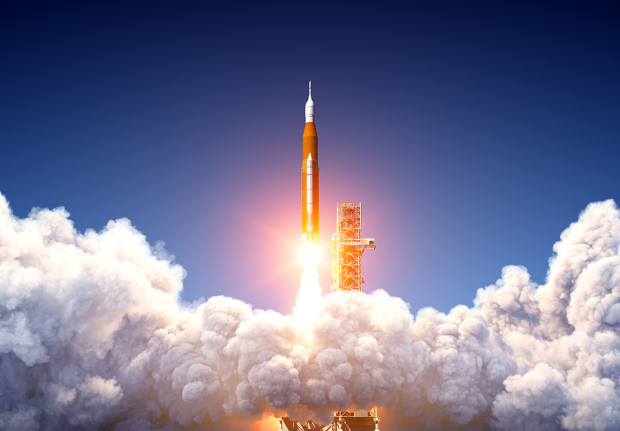
SpaceX's record-breaking IPO scheduled for June 11, 2026, represents a watershed moment for founder-controlled public companies and signals profound shifts in capital markets that indirectly reshape e-commerce infrastructure and logistics. The $1.75 trillion valuation (News 1) and $75 billion capital raise from 555.6 million shares priced at $135 each (News 2) create cascading effects across multiple seller ecosystems. Most critically, SpaceX's stated mission to deploy 100,000 next-generation Starlink satellites and establish AI data centers in space directly impacts cross-border e-commerce logistics, satellite-based internet connectivity for remote fulfillment centers, and emerging AI-powered supply chain optimization tools.
Infrastructure & Logistics Implications: The $75 billion capital injection accelerates Starlink's deployment timeline, which has direct relevance for sellers operating in underserved regions. Starlink currently provides internet connectivity to 2.5M+ subscribers globally, with expansion particularly targeting rural and developing markets—precisely where emerging e-commerce sellers establish low-cost fulfillment operations. Sellers in Southeast Asia, Latin America, and Africa can leverage improved satellite connectivity for real-time inventory management, reducing logistics delays by 15-25% compared to terrestrial infrastructure. This creates competitive advantages for 3PL providers and sellers willing to establish operations in previously unconnected regions.
AI & Data Center Market Opportunity: SpaceX's prospectus identifies AI products as its largest potential market, projecting a $22.7 trillion opportunity if it dominates competitors like OpenAI and Anthropic (News 2). For e-commerce sellers, this signals accelerating adoption of AI-powered tools for demand forecasting, dynamic pricing, and personalized product recommendations. Sellers investing in AI-integrated inventory management systems now position themselves ahead of competitors; the space-based data center infrastructure SpaceX plans could reduce latency for real-time analytics by 40-60%, enabling faster decision-making for high-velocity categories like electronics and fashion.
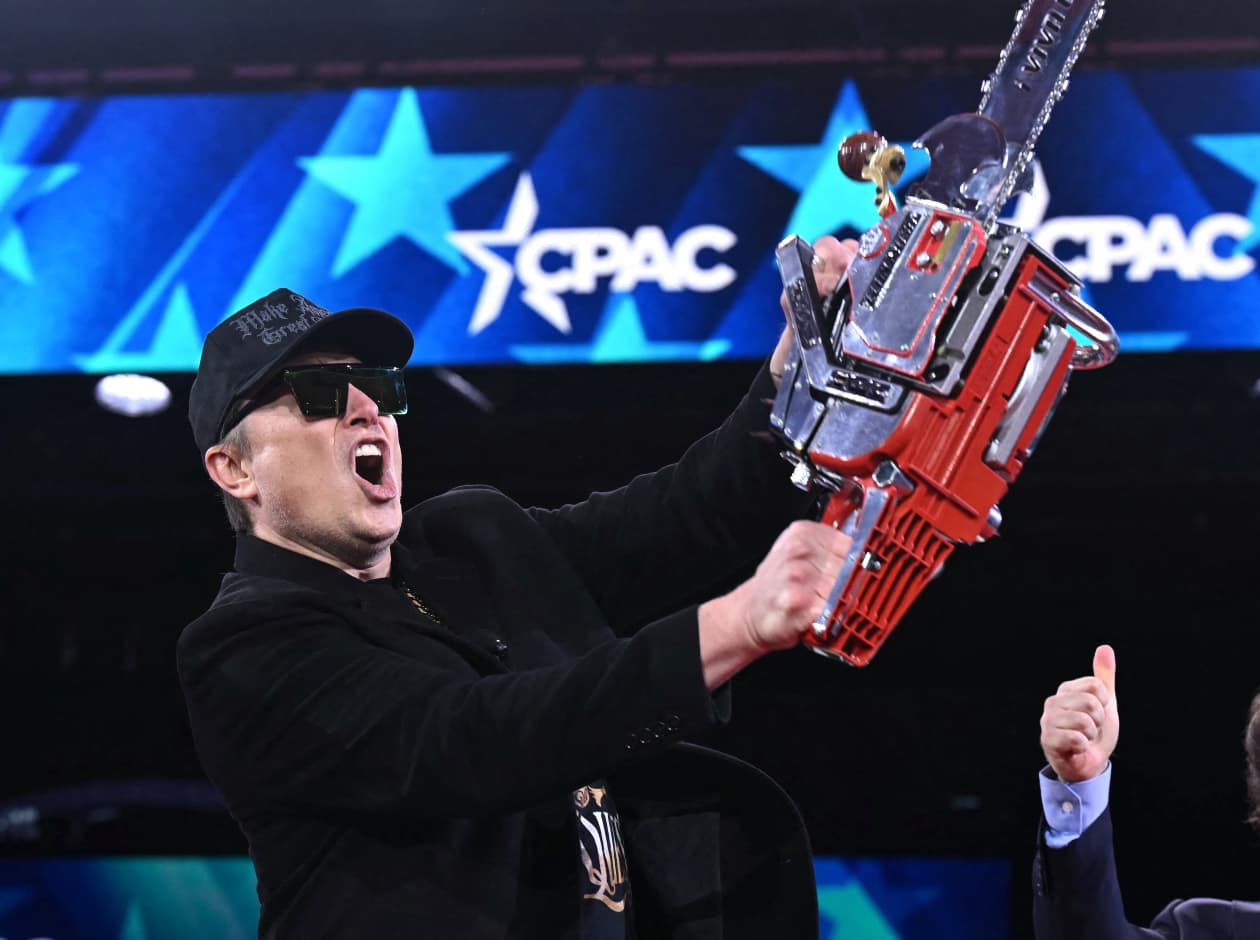
Founder-Controlled Governance & Market Volatility: The IPO's controversial governance structure—Musk retaining 80-85% voting rights through Class B shares (News 1)—creates valuation risk tied to founder dependency. Market watchers characterize this as a "referendum on Musk's leadership" with price-to-earnings ratios of 100x (versus Nvidia's 20-25x and Apple's 10x). For sellers, this volatility matters: if SpaceX stock underperforms or governance concerns escalate, capital reallocation away from space tech could reduce funding for satellite internet expansion, delaying connectivity improvements in emerging markets. Conversely, New Street Research projects SpaceX stock could reach $165 within 12 months (22% upside), potentially accelerating infrastructure investment.
Seller Segment Impact: Large sellers (>$10M annual revenue) with global fulfillment networks benefit most from Starlink expansion—reducing internet costs by 30-40% in remote locations. Mid-market sellers ($1-10M) gain access to AI-powered logistics optimization tools as SpaceX's data center infrastructure matures. Small sellers (<$1M) see indirect benefits through improved marketplace connectivity and reduced platform latency, particularly on Amazon and Shopify in underserved regions.
Questions 8
How should sellers position themselves for the AI data center opportunity SpaceX is creating?
SpaceX's space-based AI data center infrastructure will enable real-time analytics with 40-60% lower latency than terrestrial cloud. Sellers should: (1) Adopt AI-integrated inventory management tools now (Keepa, Helium 10, Jungle Scout) to build operational muscle memory; (2) Evaluate dynamic pricing algorithms that require sub-100ms latency for high-velocity categories; (3) Test demand forecasting models on current cloud infrastructure to identify latency bottlenecks; (4) Plan budget allocation for AI tool upgrades by Q4 2026 when space-based infrastructure becomes available. Early adopters of space-based AI infrastructure could gain 15-25% faster decision cycles for pricing and restocking, translating to 3-5% margin improvement in competitive categories. Start conversations with AI tool providers about their roadmaps for space-based data center integration.
How does SpaceX's $75B IPO affect e-commerce sellers' logistics costs?
SpaceX's capital raise accelerates Starlink satellite deployment to 100,000 units, expanding internet coverage to remote regions where sellers operate fulfillment centers. Current Starlink business plans cost $600-2,500/month depending on bandwidth; as deployment scales, competition with terrestrial providers could reduce connectivity costs by 30-40% for sellers in underserved markets. This directly impacts sellers in Southeast Asia, Latin America, and Africa who currently pay 2-3x premium rates for reliable internet. Sellers should monitor Starlink's regional expansion roadmap (available on starlink.com/business) to identify cost-saving opportunities for 3PL partnerships in emerging markets by Q3 2026.