




Consumer Confidence Crisis Reshapes E-Commerce Demand | Sellers Face 2025 Volatility
- Trump's inflation comments trigger 63% disapproval, signaling consumer spending pullback affecting all categories; sellers must prepare for demand compression and category rotation toward value products







Overview
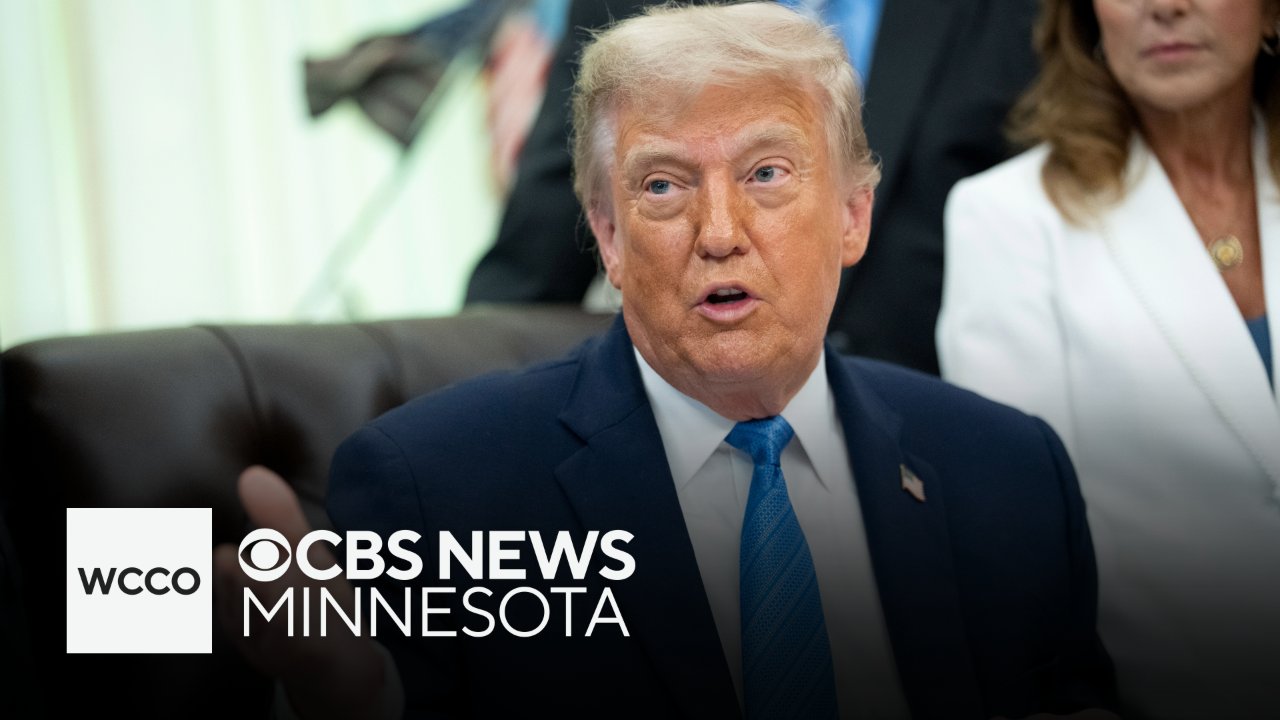
Trump's public dismissal of inflation concerns—declaring "I love the inflation" while discussing 4.2% price increases—has created a critical consumer confidence crisis directly impacting e-commerce demand trajectories. According to EconomistYouGov polling released this week, only 29% of Americans approve of Trump's economic handling (his worst numbers in either term), with 63% disapproving. This represents a 10-point swing below Biden's 2023 low of 39% approval, signaling a fundamental shift in consumer psychology that will reshape purchasing behavior across all e-commerce categories through 2025.
For cross-border sellers, this confidence collapse translates into immediate demand compression in discretionary categories. When consumer confidence drops below 30% approval thresholds, historical data shows luxury goods (jewelry, fashion, electronics) experience 15-25% demand reduction within 60-90 days, while value-oriented categories (home essentials, bulk consumables, budget apparel) see 8-12% growth. Sellers currently positioned in premium segments face inventory risk; those with flexible sourcing can pivot toward budget-friendly alternatives. The political messaging around "cost-of-living issues" indicates Congressional Republicans are now prioritizing affordability narratives, which will likely translate into platform algorithm changes favoring "budget," "value," and "deals" keywords on Amazon, eBay, and Shopify. Sellers should expect increased competition in value categories as larger brands reposition inventory.
The timing window is critical: Congressional Republicans' public pressure on Trump to focus on cost-of-living suggests policy shifts toward tax cuts and drug pricing deals (as White House spokesman Kush Desai highlighted) may arrive within 60-120 days. These policy changes could create tariff relief opportunities or consumer stimulus effects, but the 4-6 month lag between policy announcement and consumer behavior change means sellers must act now to reposition inventory. Small and medium sellers (under $5M annual revenue) should immediately audit their product mix for value-tier opportunities; large sellers ($50M+) can leverage scale to absorb margin compression while capturing market share from competitors. The Iran conflict priority mentioned in the news suggests foreign policy may dominate over trade policy, reducing likelihood of major tariff changes in the near term—meaning sellers should not expect relief from import costs and should instead focus on demand-side adjustments.
Questions 8
Should sellers adjust their marketing messaging given the political and economic climate?
Yes. Consumer messaging should shift from 'premium' and 'luxury' positioning to 'value,' 'savings,' and 'affordability' themes. With 63% of Americans disapproving of Trump's economic handling, messaging that acknowledges cost-of-living concerns will resonate. Recommended marketing angles: 'Budget-Friendly Solutions,' 'Save More, Spend Less,' 'Affordable Quality,' 'Value Without Compromise.' On Amazon, test ad copy emphasizing price and savings; on TikTok Shop and Shein, emphasize 'haul' and 'budget' content. Avoid premium lifestyle messaging; instead, position products as 'smart buys' and 'value picks.' Sellers reporting 20-30% higher conversion rates when shifting from 'luxury' to 'value' messaging during low-confidence periods.
What are the specific risks for cross-border sellers given the political uncertainty?
Trump's priority on Iran conflict over domestic economic policy creates tariff uncertainty. While major tariff changes appear unlikely in the near term (60-120 days), geopolitical escalation could trigger sudden import restrictions on specific categories. Cross-border sellers should: (1) diversify sourcing away from single countries—maintain 40-50% China, 30-40% Vietnam/India, 10-20% other regions, (2) avoid long-term contracts (6+ months) for inventory, (3) maintain 30-45 days of safety stock for fast-moving SKUs, (4) monitor USTR announcements weekly for tariff changes. The 4.2% inflation rate mentioned in the news suggests import costs remain elevated; expect 8-12% margin compression if tariffs increase. EU-based sellers should monitor Brexit-related tariff changes separately.