



Germany's €153B Defense Expansion Creates Supply Chain Opportunities for Industrial Tech Sellers
- Germany projects €153B annual defense spending by 2029 (3.5% GDP), driving demand for precision components, electronics, and industrial equipment across EU markets





















Overview
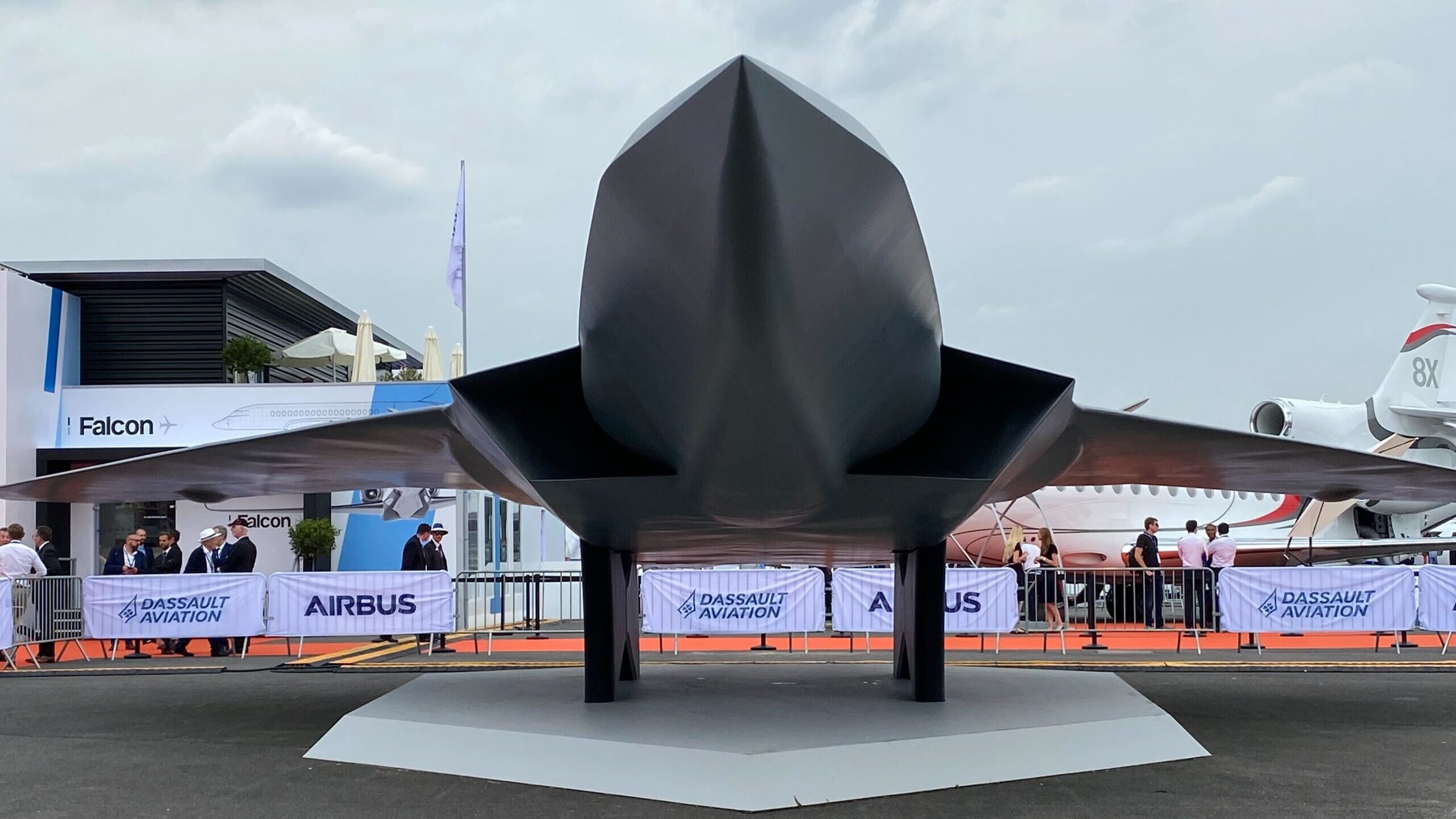
Germany's announcement of a €153 billion annual defense budget by 2029—representing a 3.5% GDP allocation and the country's most ambitious military expansion since reunification—signals a fundamental shift in European procurement patterns with direct implications for cross-border sellers of industrial components, electronics, and specialized equipment. The collapse of the €100 billion Franco-German FCAS fighter jet program has fragmented European defense procurement, creating opportunities for suppliers to serve multiple national programs rather than consolidated multinational contracts. Germany's superior fiscal position (63.5% debt-to-GDP versus France's 115.6%) enables sustained procurement spending, while France's budget constraints (€72.8B by 2029 versus Germany's €153B) indicate a competitive advantage shift toward German-based supply chains and suppliers with German manufacturing partnerships.
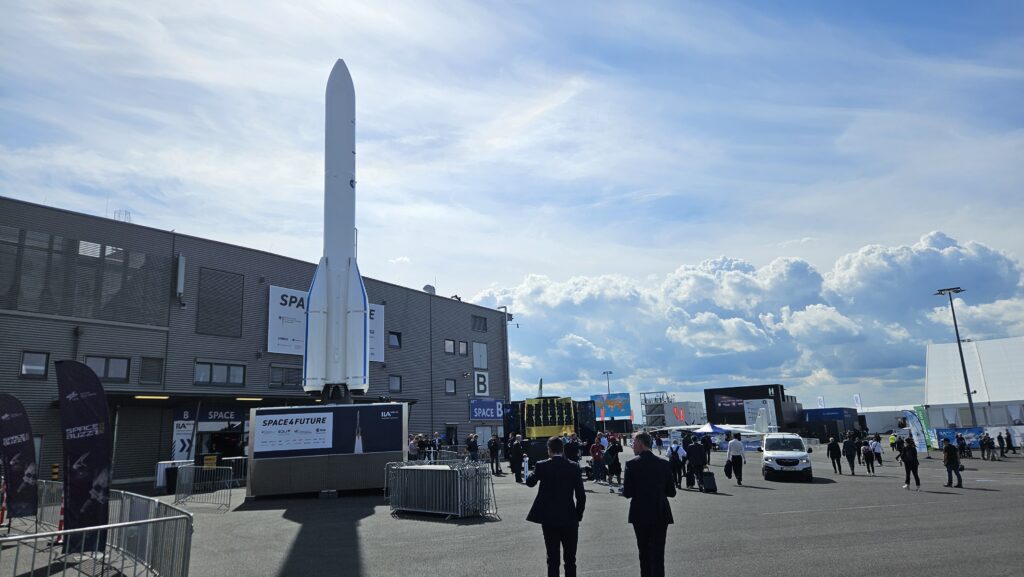
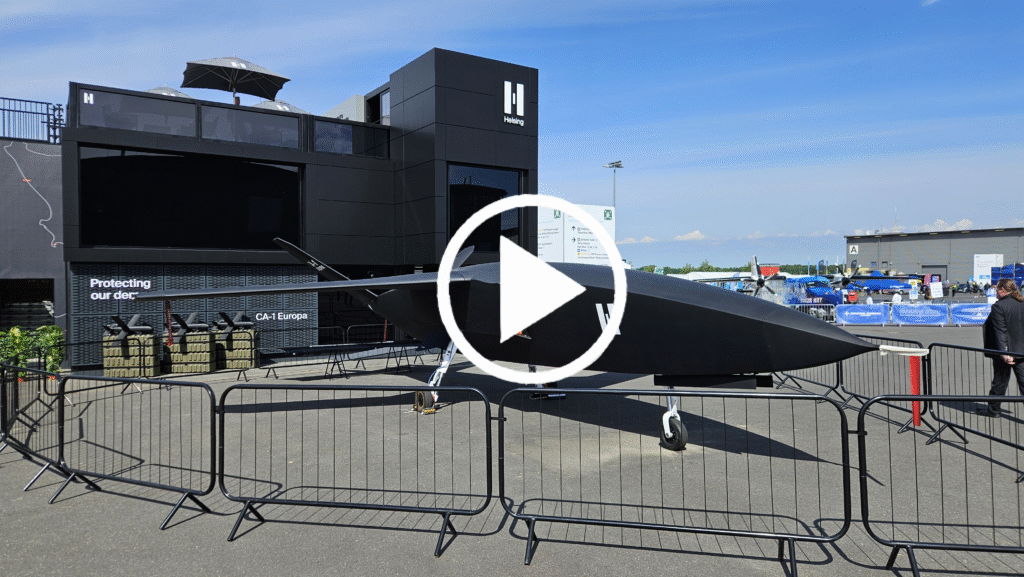
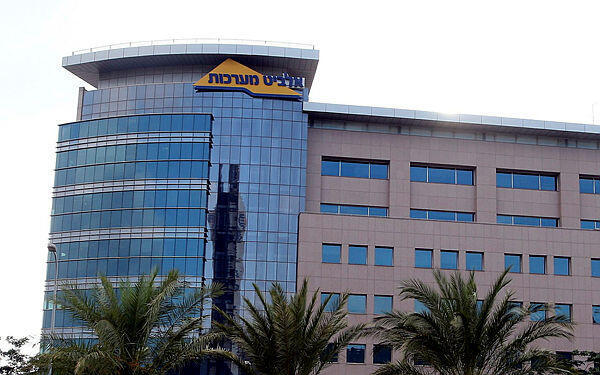
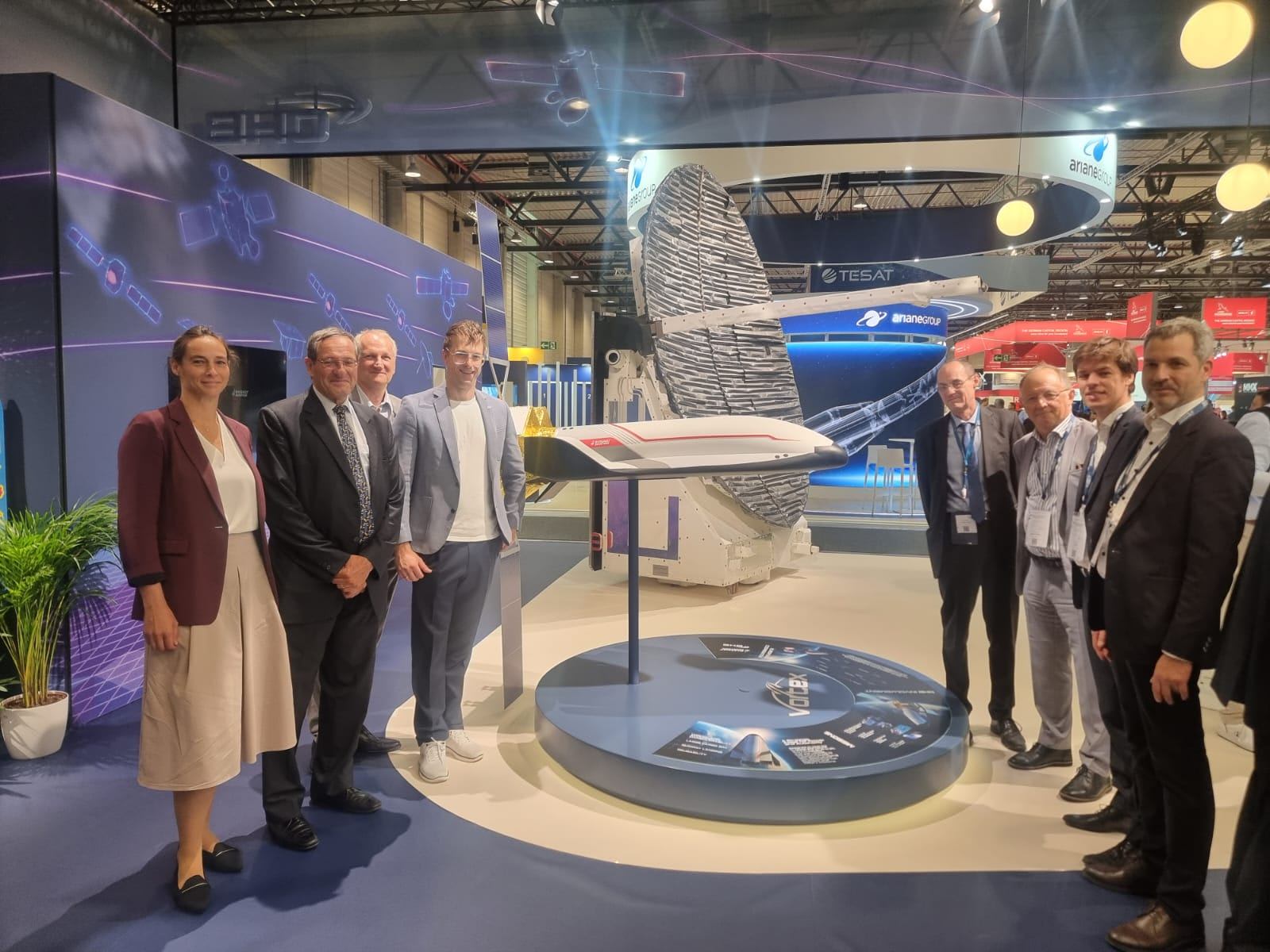
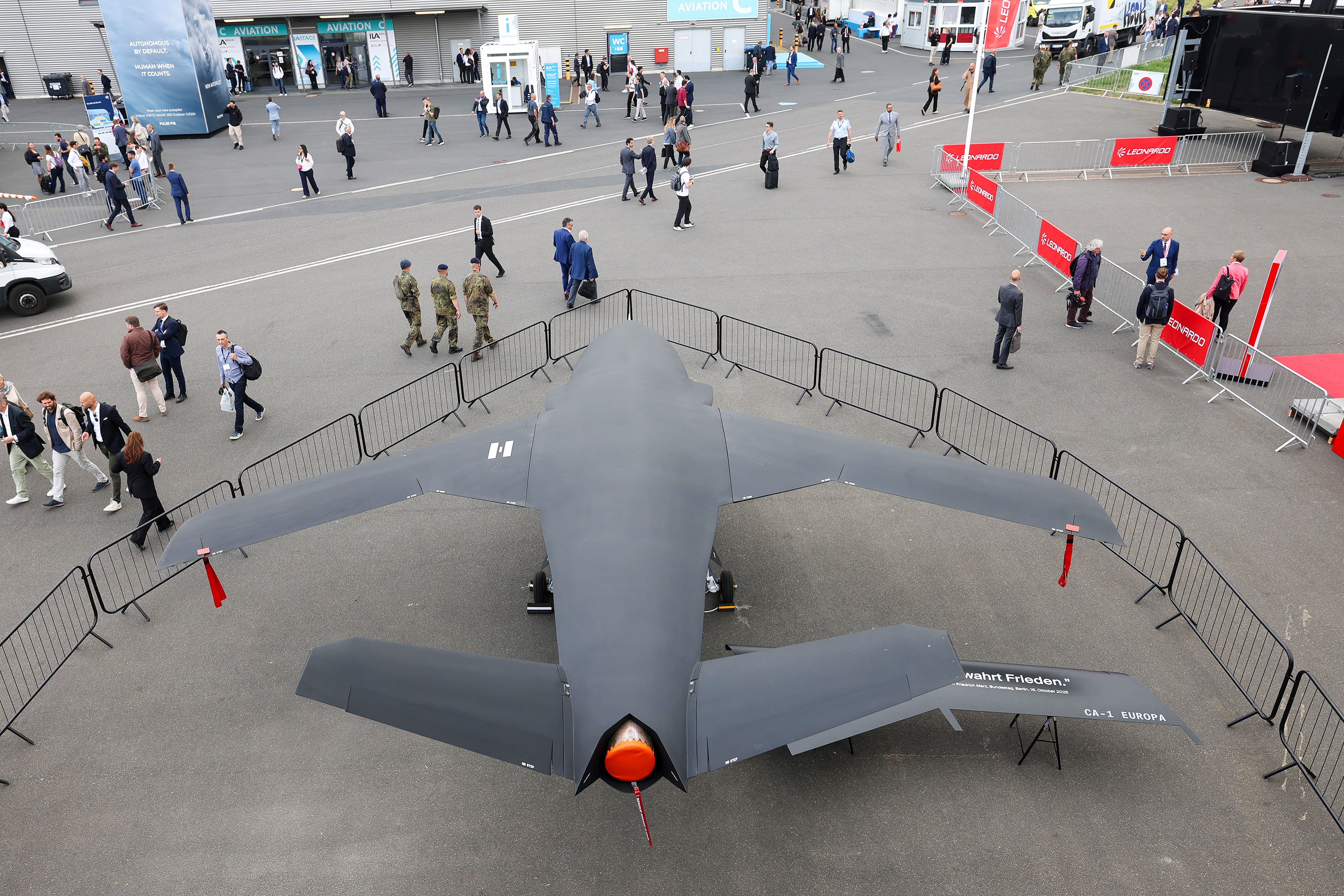
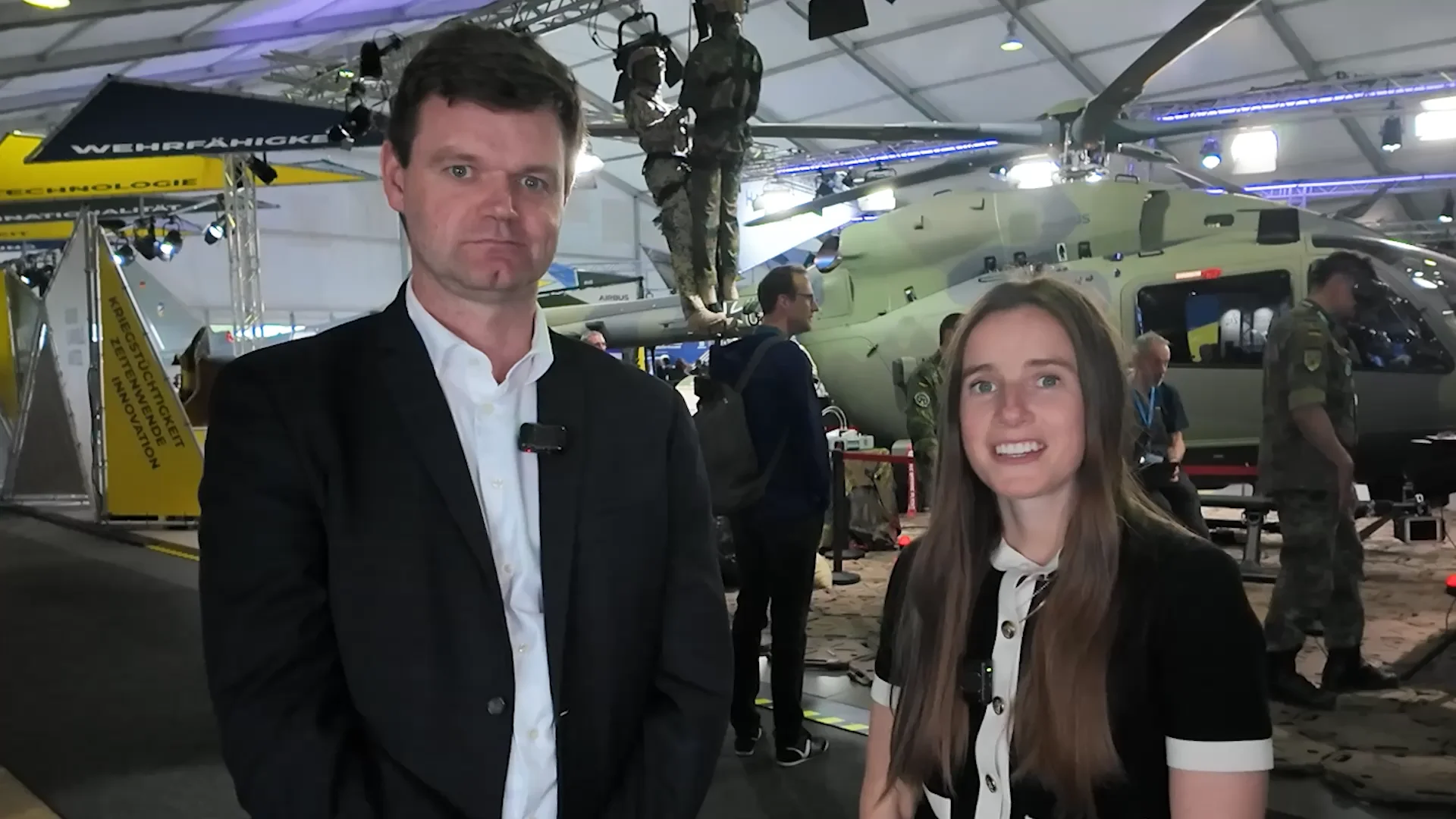
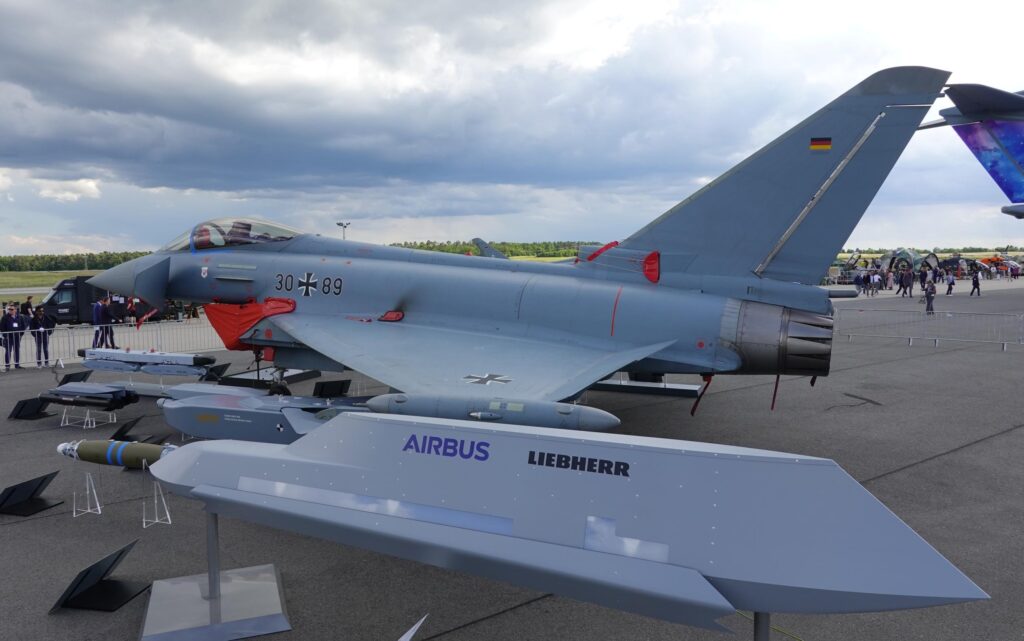
The Berlin Air Show 2026 (June 10-14) demonstrated this market consolidation through 750+ exhibitors from 37 countries competing for German procurement contracts. Key procurement categories emerging include: collaborative combat aircraft systems, drone wingman technology, satellite systems, AI-driven command platforms, and advanced electronics. Israeli defense exports surpassed $19 billion in 2025, with Germany as a primary growth market, indicating that non-traditional suppliers are successfully penetrating European defense procurement. Elbit Systems' partnership with Diehl Defense for local German manufacturing of the SkyStriker system exemplifies the trend toward localized production—a critical insight for sellers considering German manufacturing partnerships or supply chain positioning.
For cross-border sellers, this defense spending surge creates three distinct opportunity vectors: (1) Component suppliers to aerospace and defense contractors (electronics, precision machining, materials science products) can target German Tier-1 suppliers like Airbus Defence and Space, MTU Aero Engines, Hensoldt, and MBDA through B2B channels; (2) Industrial equipment sellers can capitalize on Germany's 15-year aviation strategy emphasizing cost reduction and research investment, creating demand for manufacturing optimization tools, testing equipment, and software solutions; (3) Specialized electronics and sensor manufacturers can position products for integration into the "combat cloud" digital backbone initiative, which requires advanced data exchange systems. The timeframe is critical: Germany's cabinet approved the 15-year strategy in June 2026, with procurement decisions accelerating through 2027-2029, creating a 12-18 month window for suppliers to establish relationships with prime contractors before major contract awards.
Questions 8
What is the timeline for sellers to establish German defense procurement relationships?
Germany's cabinet approved the 15-year aviation strategy in June 2026, with major procurement decisions expected through 2027-2029. The critical window for sellers is 2026-2027, when prime contractors finalize supply chain decisions for programs launching 2027-2029. The Berlin Air Show 2026 (June 10-14) served as the primary venue for contractor-supplier networking. Sellers should initiate contact with German Tier-1 contractors and distributors immediately, as relationship-building typically requires 6-12 months before contract awards. Missing this window means competing for secondary contracts or supplier positions rather than primary relationships.
How can sellers leverage the German-Israeli defense partnership for market access?
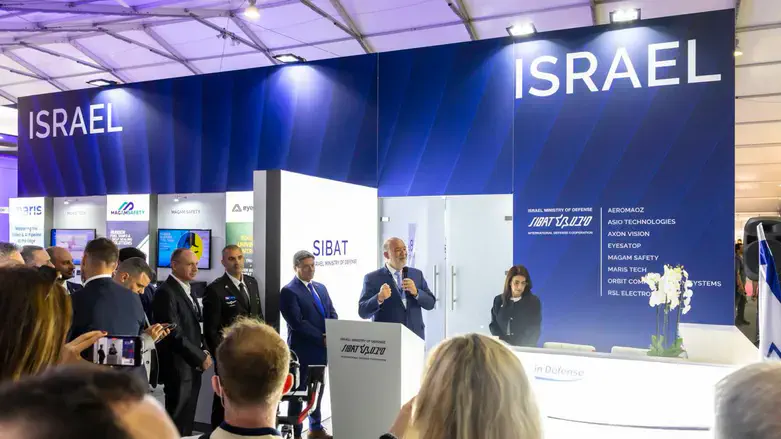
Israel's defense exports surpassed $19 billion in 2025, with Germany as a primary growth market. Elbit Systems' partnership with Diehl Defense for local German manufacturing of the SkyStriker system demonstrates the model: Israeli technology + German manufacturing = market access. Sellers can position themselves as enablers of this partnership model by offering manufacturing services, component supply, or logistics solutions. The ILA Berlin Air Show featured 15 Israeli defense companies, indicating strong market openness. Sellers with Israeli technology or partnerships should target German manufacturing and distribution channels, as Germany increasingly sources from Israel while maintaining European manufacturing sovereignty.