



Strait of Hormuz Blockade Escalates | Critical Supply Chain Risk for Cross-Border Sellers
- US military enforcement kills 3 Indian sailors, strands 18,000+ seafarers, disrupts 13+ vessels; global shipping costs and insurance premiums surge amid geopolitical tensions affecting 40%+ of world's seaborne oil trade











Overview
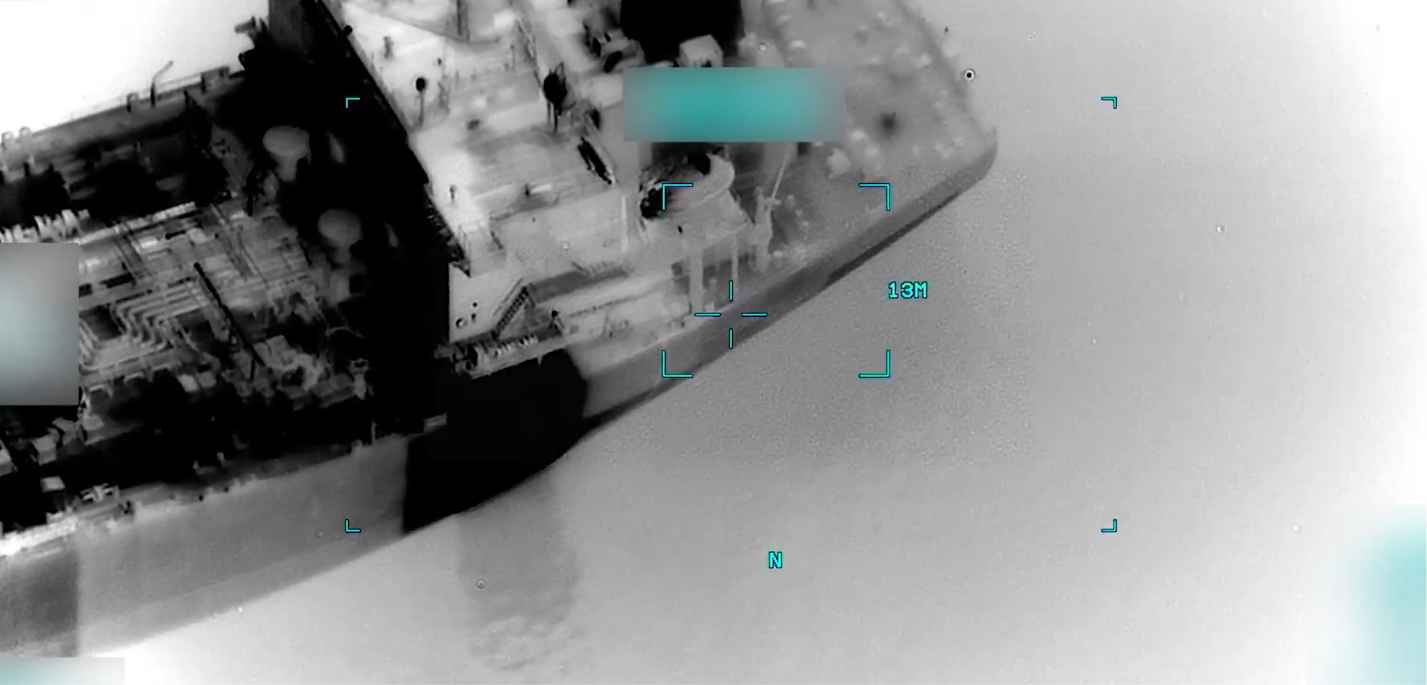
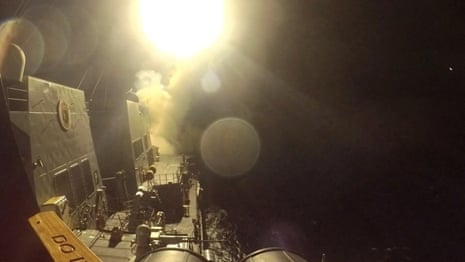
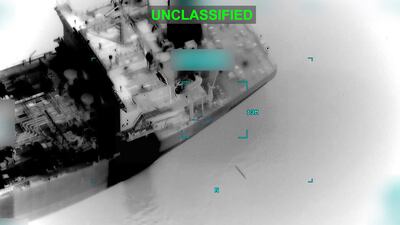
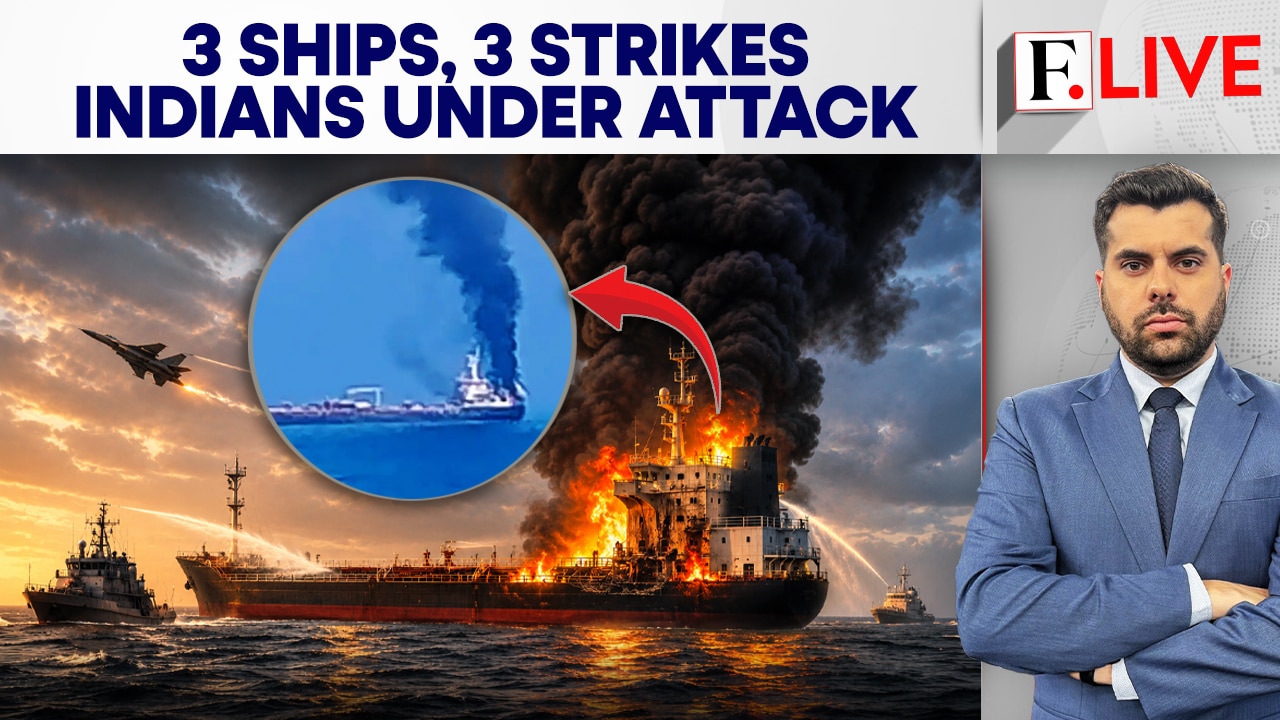
The escalating US-Iran military conflict in the Strait of Hormuz represents a critical supply chain disruption for cross-border e-commerce sellers, particularly those importing goods from Asia or exporting to Middle Eastern markets. On June 11, 2026, US Central Command struck the Palau-flagged tanker Settebello, killing three Indian sailors and marking the third vessel attacked within one week. The incident has stranded 13 Indian-flagged vessels and over 18,000 seafarers in the Gulf region, with the US blockade (established April 13) claiming to have disabled 8 non-compliant vessels while allowing 134 compliant ships and 42 humanitarian vessels through the Strait of Hormuz.
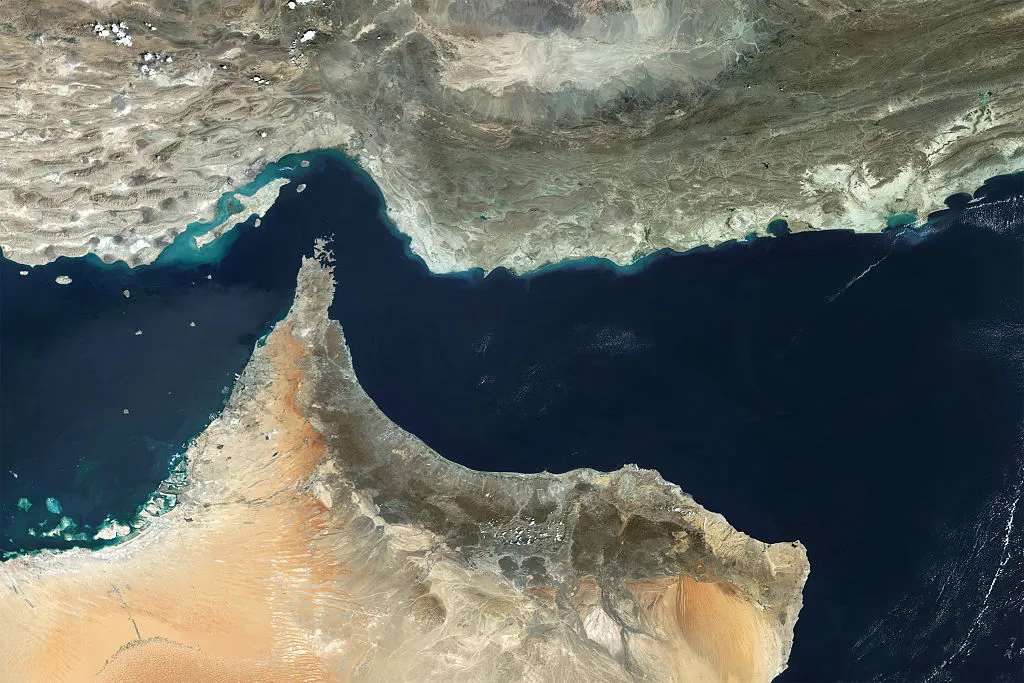
For e-commerce sellers, this crisis directly impacts logistics costs and delivery timelines. The Strait of Hormuz handles approximately 40% of the world's seaborne oil trade, making it the planet's most critical shipping chokepoint. Shipping companies are actively reassessing routes and crew assignments for high-risk areas, which translates to: (1) Increased freight costs of 8-15% for sellers using ocean freight from Asia-Pacific to Europe/Americas, (2) Extended transit times of 2-4 weeks as vessels reroute around the Arabian Peninsula via the Cape of Good Hope, and (3) Rising insurance premiums of 5-12% for cargo transiting contested waters. Sellers importing electronics, apparel, home goods, and consumer products from India, China, and Southeast Asia face immediate pressure on margins and inventory planning.
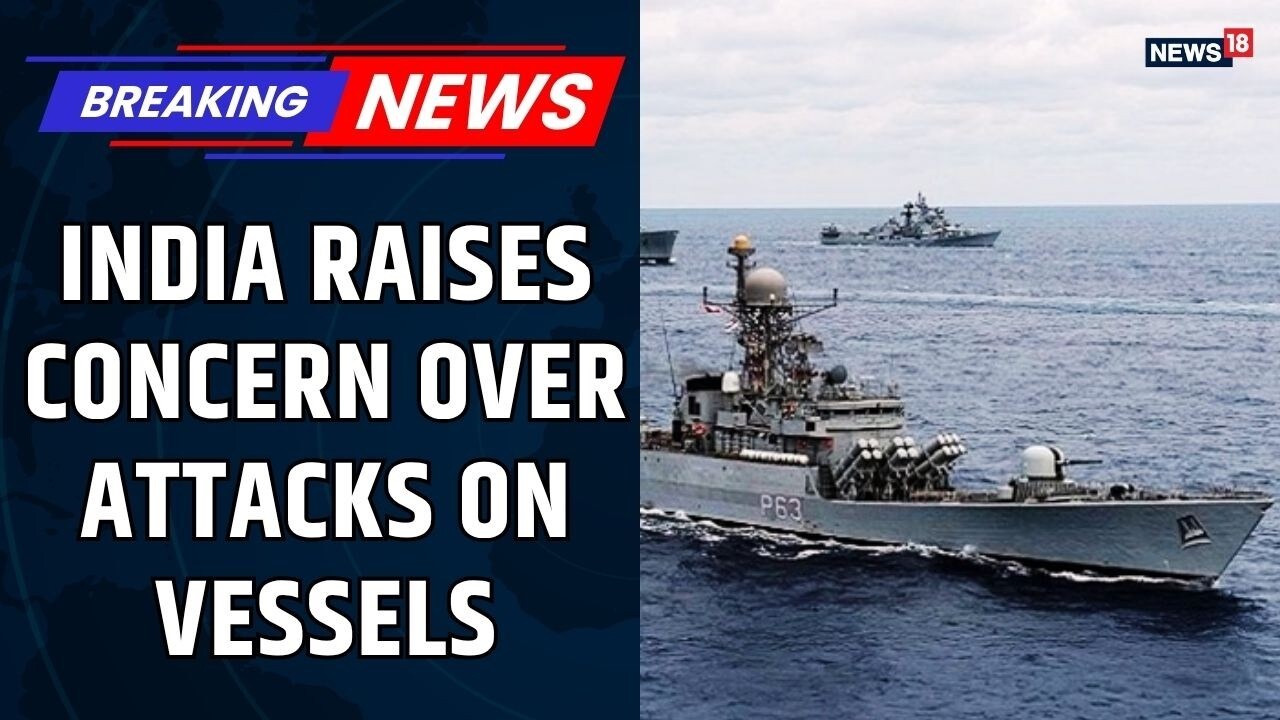
The diplomatic fallout amplifies uncertainty. India's formal protest to the US Embassy, combined with international calls for de-escalation from Russia, China, Turkey, and Saudi Arabia, signals prolonged geopolitical tension. Russia warned that continued strikes would harm the global economy, while China stated military action cannot resolve underlying issues. This diplomatic gridlock suggests the blockade may persist for 3-6 months, creating a structural cost increase for sellers relying on just-in-time inventory models. Sellers with inventory in transit face potential delays, spoilage risks for perishables, and working capital strain. Additionally, Indian-origin suppliers (a major source for apparel, electronics components, and home goods) face operational disruptions, potentially creating supply shortages and price increases for dependent sellers.
Strategic implications for seller operations: Sellers should immediately audit their supply chain exposure to Strait of Hormuz routes, diversify sourcing to reduce single-region dependency, and consider air freight for time-sensitive SKUs despite 3-5x higher costs. Inventory buffers should increase by 20-30% for critical categories. Sellers with Indian suppliers or customers should monitor diplomatic developments closely and prepare contingency logistics plans. The incident underscores how geopolitical conflicts directly translate to operational costs and competitive disadvantage for unprepared sellers.
Questions 8
How long will the Strait of Hormuz blockade likely persist and affect my business?
The blockade, now in its second month with three vessels attacked within one week, shows no signs of immediate resolution. International calls for de-escalation from Russia, China, Turkey, and Saudi Arabia have been unsuccessful, and diplomatic tensions between the US and India (following the deaths of three Indian sailors) suggest prolonged geopolitical gridlock. Industry analysts expect the blockade to persist 3-6 months minimum, creating a structural cost increase for sellers. Plan for sustained 8-15% freight cost premiums, extended inventory holding periods, and potential supply shortages. Sellers should implement contingency logistics plans, diversify supplier bases, and communicate transparently with customers about potential delivery delays.
Should I switch to air freight to avoid Strait of Hormuz delays?
Air freight costs 3-5x more than ocean freight but eliminates Strait of Hormuz routing risks and reduces transit time from 4-6 weeks to 3-5 days. For high-margin products (electronics, luxury goods, time-sensitive inventory), air freight may be justified despite cost increases of $2,000-5,000 per shipment. For low-margin categories (apparel, home goods), air freight typically erodes profitability. Optimal strategy: use air freight for 10-20% of inventory (fast-moving SKUs, seasonal items) while maintaining ocean freight for bulk, slower-moving products. Calculate break-even points based on your category margins and customer willingness to pay for faster delivery.