



Frasers €2B Hugo Boss Acquisition | Premium Retail Consolidation Reshapes Distribution & O2O Strategy
- Consolidates €4.3B luxury menswear brand into integrated retail empire; impacts 3PL partnerships, affiliate programs, and offline-online channel strategies for cross-border sellers















Overview
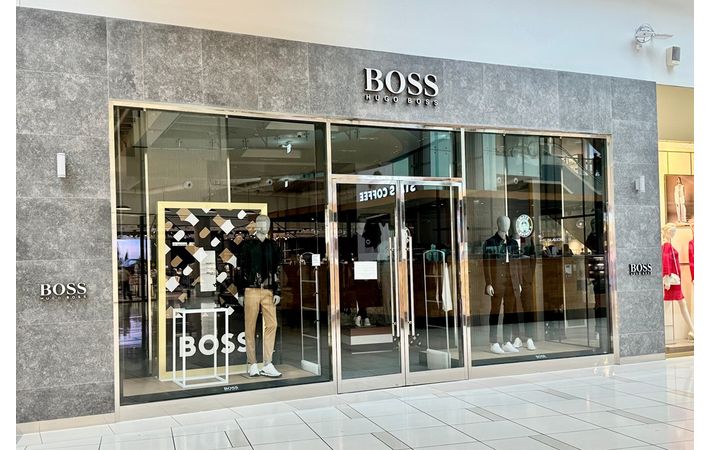
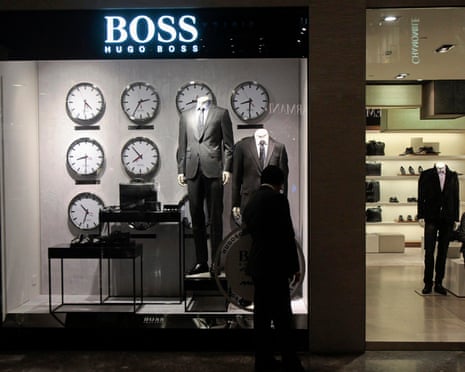
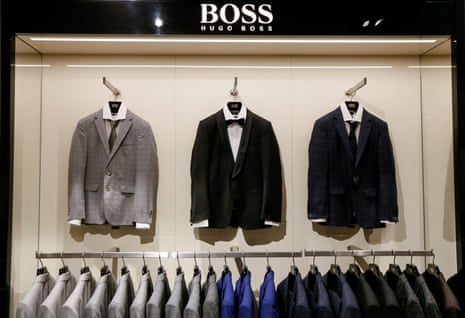
Frasers Group's €1.98 billion (£1.73B / $2.29B USD) unsolicited takeover offer for Hugo Boss, announced June 11, 2026, signals a major consolidation in premium retail that directly impacts cross-border e-commerce sellers and O2O strategies. The acquisition—valued at €38 per share with a 4.3% premium—consolidates Germany's largest luxury fashion group (€4.3B annual sales) into Frasers' integrated retail portfolio, which includes Sports Direct, House of Fraser, Flannels, and Gieves & Hawkes. Hugo Boss shares surged 6.5-8% on the announcement, reflecting market confidence in the transaction, while Frasers shares fell 2.5%, indicating investor concerns about integration complexity.
For cross-border sellers, this consolidation creates immediate operational risks and medium-term opportunities. The acquisition fundamentally restructures Hugo Boss's distribution strategy from independent brand management to integrated Frasers control. Sellers currently partnering with Hugo Boss through affiliate programs, marketplace relationships, or distribution agreements face potential commission rate changes, payment term renegotiations, and promotional opportunity shifts. Frasers' track record with acquisitions (Sports Direct, House of Fraser) shows aggressive margin optimization and centralized vendor management—typically resulting in 5-15% commission increases for third-party sellers and stricter payment terms (net-60 to net-90 days). The transaction requires regulatory approval and is expected to close by year-end 2026, creating a 6-9 month window of operational uncertainty.
The strategic shift toward integrated O2O (Online-to-Offline) retail creates both threats and opportunities for sellers. Frasers' acquisition strategy emphasizes unified control over online channels, physical retail presence, and brand presentation—reducing reliance on third-party marketplace sellers. Hugo Boss operates substantial online sales channels across multiple markets (EU, US, Asia-Pacific), and Frasers' integration will likely prioritize first-party direct-to-consumer sales over marketplace partnerships. However, Frasers simultaneously operates 2,000+ retail locations globally (Sports Direct, House of Fraser, Flannels), creating opportunities for sellers to establish pop-up partnerships, showroom collaborations, and in-store merchandising agreements. Sellers in complementary categories (accessories, fragrances, premium menswear) can leverage Frasers' retail footprint for offline brand presence while maintaining online channels. The acquisition also signals Frasers' commitment to premium positioning—moving away from discount retail toward affluent consumer targeting—which creates opportunities for sellers offering luxury-adjacent products (designer accessories, premium grooming, luxury lifestyle goods).
Immediate seller actions should focus on partnership clarification and channel diversification. Sellers with existing Hugo Boss relationships must contact their account managers by July 2026 to clarify post-acquisition terms, commission structures, and payment schedules. Those dependent on Hugo Boss affiliate programs or marketplace relationships should begin diversifying to alternative premium brands (ASOS, Boohoo, Farfetch) and direct-to-consumer channels. Sellers in menswear, fragrances, and accessories categories should monitor Frasers' retail expansion plans—particularly in UK, EU, and US markets—to identify pop-up and showroom partnership opportunities. The 6-9 month integration window presents a unique opportunity to negotiate favorable terms before Frasers implements standardized vendor policies across its portfolio.
Questions 7
Should sellers diversify away from Hugo Boss partnerships immediately or wait for post-acquisition clarity?
Begin diversification immediately while maintaining current Hugo Boss relationships. The 6-9 month integration window creates uncertainty—waiting until post-acquisition policies are announced risks losing alternative partnership opportunities. Simultaneously pursue: (1) alternative premium brand partnerships (ASOS, Boohoo, Farfetch), (2) direct-to-consumer channel development, (3) pop-up and showroom negotiations with Frasers' retail locations. This parallel approach hedges risk while preserving existing revenue. By Q1 2027, you'll have established alternative channels and can negotiate Hugo Boss terms from a position of reduced dependency.
What is Frasers' strategic rationale for acquiring Hugo Boss and how does it affect seller positioning?
Frasers is consolidating Hugo Boss to strengthen premium menswear market access and integrate online-offline channels under unified control. The acquisition aligns with Frasers' repositioning toward affluent consumers—moving away from discount retail. This creates opportunities for sellers offering luxury-adjacent products to position themselves as premium partners. However, it also signals Frasers' intent to reduce third-party marketplace dependency and prioritize first-party sales. Sellers should emphasize premium positioning, brand alignment, and omnichannel capabilities in partnership negotiations. The acquisition reflects broader retail consolidation trends where integrated ownership of online and offline channels becomes strategically critical.