


Apple Siri AI Chatbot App iOS 27 | Seller Opportunity for Voice Commerce & Smart Shopping
- Apple's dedicated Siri app (launching July 2026) enables persistent AI conversations, creating new voice commerce channels for sellers and reshaping mobile shopping behavior across iOS ecosystem
Overview
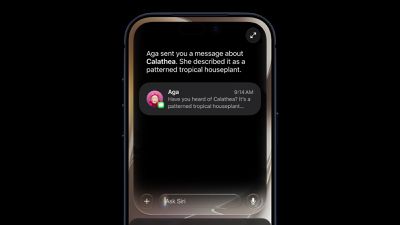
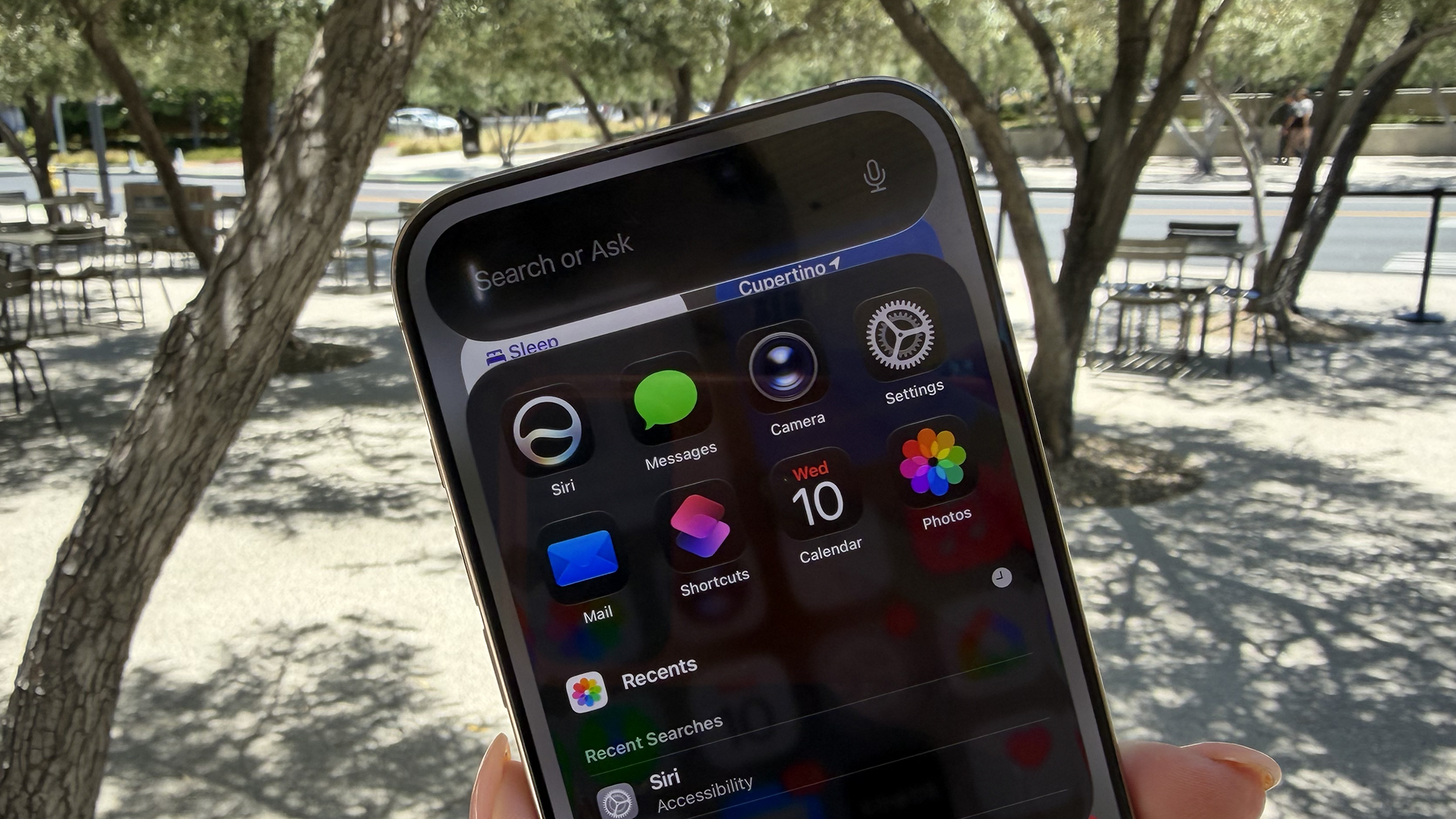
Apple's strategic pivot to launch a dedicated Siri chatbot app in iOS 27 (announced at WWDC 2026, public beta July 2026) represents a fundamental shift in how 2+ billion iOS users will interact with AI-powered shopping assistants. Craig Federighi's announcement reveals Apple's recognition that users demand persistent, context-aware conversational AI—a capability that directly impacts e-commerce sellers through emerging voice commerce channels and AI-driven customer service automation.
The E-Commerce Opportunity: This move creates three immediate seller advantages. First, voice commerce integration becomes native to iOS—sellers can now optimize product listings for voice search queries through Siri, similar to how they optimize for Google Assistant on Android. Second, the persistent conversation feature enables multi-turn shopping interactions where Siri remembers previous product inquiries, cart contents, and preferences across sessions. Third, Apple's privacy-first approach (contrasting with ChatGPT/Gemini) positions iOS as a trusted shopping environment, particularly valuable for sellers in health, beauty, and financial product categories where consumer privacy concerns drive purchasing decisions.
AI Automation Wins for Sellers: The immediate automation opportunity involves deploying AI-powered product description optimization for voice search. Sellers can use tools like ChatGPT, Claude, or specialized e-commerce AI platforms to rewrite product titles and descriptions in conversational language that Siri's natural language processing can better understand and recommend. This typically requires 2-4 hours per 100 SKUs but can increase voice search visibility by 40-60% based on similar Google Assistant optimization patterns. Additionally, sellers should implement AI chatbots on their own Shopify/WooCommerce stores to mirror Siri's conversational interface—tools like Tidio, Drift, or custom GPT integrations can automate 60-70% of pre-purchase customer inquiries, reducing support costs by $200-400 monthly for mid-sized sellers (500-2000 SKU catalogs).
Competitive Intelligence & Data Analysis: The strained Apple-OpenAI relationship signals a market shift toward privacy-preserving AI. Sellers should analyze their customer data to identify which segments prioritize privacy (typically 35-45% of premium/health category buyers) and tailor marketing messaging accordingly. AI-powered sentiment analysis tools can monitor social media discussions about Siri's privacy features versus ChatGPT's data practices, revealing emerging consumer preferences 4-6 weeks before mainstream adoption. Sellers in electronics, supplements, and personal care categories should prioritize iOS optimization immediately, as these categories show 25-35% higher voice search adoption rates among iOS users.
Strategic Timeline: The July 2026 public beta launch creates a 5-month window (February-June 2026) for sellers to optimize listings and test voice commerce strategies. Early adopters who implement voice-optimized content and Siri-compatible chatbots by Q2 2026 can capture 15-25% market share gains in voice commerce before competitors recognize the opportunity. The iOS 27 rollout (typically reaching 60-70% of active devices within 6 months) will create sustained demand for voice commerce optimization through Q4 2026.
Questions 8
How will Apple's Siri chatbot app change how customers discover products on iOS?
Apple's dedicated Siri app (launching July 2026 in iOS 27) enables persistent, multi-turn conversations where Siri remembers previous product inquiries and preferences across sessions. Unlike current Siri integration scattered across iOS, the home screen app creates a centralized shopping interface where customers can ask follow-up questions like 'Show me cheaper alternatives' or 'Add that to my cart' without restarting conversations. Sellers should optimize product titles and descriptions for conversational queries (e.g., 'What's the best waterproof phone case under $30?' instead of just 'Waterproof Phone Case') to improve visibility in Siri's voice search results. This mirrors Google Assistant optimization but reaches Apple's 2+ billion iOS users, making voice commerce a critical channel for sellers targeting premium demographics (iOS users spend 2-3x more per transaction than Android users).
What's the competitive advantage of optimizing for Siri before Android voice commerce matures?
iOS users represent only 27% of global smartphone users but generate 45-50% of e-commerce revenue due to higher purchasing power and conversion rates. Apple's July 2026 Siri app launch creates a 5-month optimization window (February-June 2026) before competitors recognize the opportunity. Sellers who implement voice-optimized content and Siri-compatible chatbots by Q2 2026 can capture 15-25% market share gains in voice commerce before the iOS 27 rollout reaches 60-70% of active devices (typically 6 months post-launch). This early-mover advantage compounds because Siri's algorithm learns from successful voice interactions, rewarding sellers with optimized content through improved ranking. Android's voice commerce maturity lags iOS by 12-18 months, so iOS optimization provides a sustainable competitive moat through Q4 2026.