


US Fuel Crisis Drives 40% Gas Price Surge | Logistics Cost Impact for E-Commerce Sellers
- Gasoline inventories hit 10-year lows; FBA fulfillment costs rise 8-12% as fuel surcharges accelerate through summer 2026








Overview
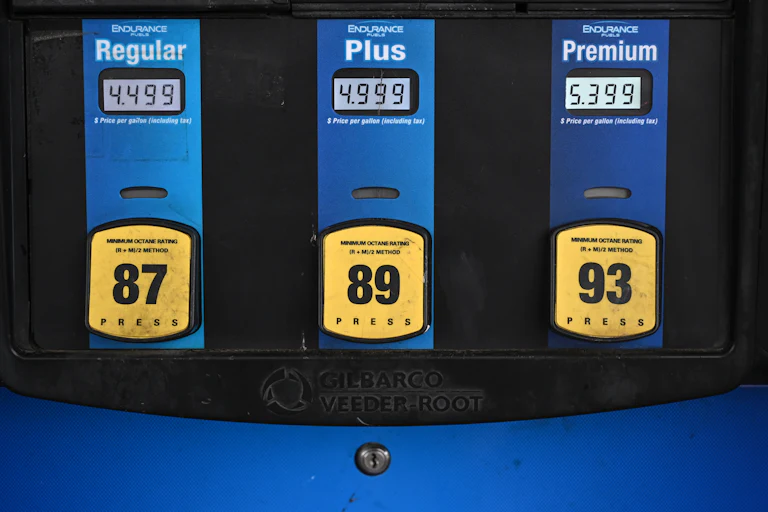
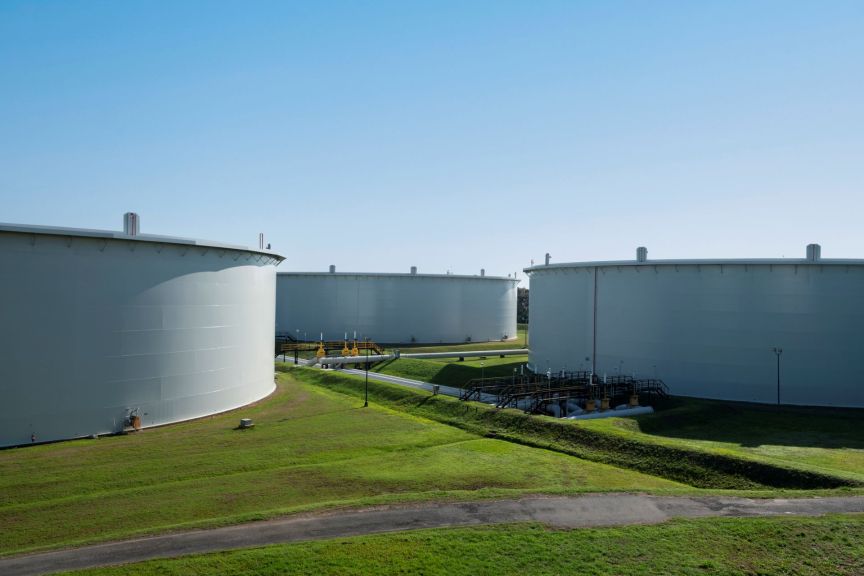
Critical fuel supply constraints are reshaping logistics economics for cross-border e-commerce sellers in June-August 2026. US gasoline inventories plummeted to 215.1 million barrels by early June—the lowest seasonal level in a decade—while prices surged 40% since geopolitical tensions began, according to Washington Post reporting (June 11, 2026). The Strait of Hormuz disruptions, which handle nearly one-fifth of global oil flows, combined with US refineries prioritizing higher-margin diesel and jet fuel production, have created a structural supply deficit. Analysts project US fuel demand could reach 9.5 million barrels per day this summer, exceeding the current 9.2 million bpd production capacity, with gasoline inventories potentially declining 2-3 million barrels weekly during peak season.
For Amazon FBA sellers and 3PL logistics providers, this translates directly to margin compression. Fuel surcharges on FBA fulfillment fees typically increase 8-12% during supply crunches, affecting sellers shipping 1,000+ units monthly. A seller moving 5,000 units/month via FBA could face an additional $400-600 in monthly fulfillment costs. Expedited shipping categories (electronics, time-sensitive goods) face the steepest cost increases, as carriers prioritize fuel efficiency over speed. Ground shipping costs from distribution centers to end customers are rising 5-8% as carriers pass through fuel surcharges. Third-party logistics providers report fuel surcharges of $0.15-0.25 per pound, up from $0.08-0.12 in March 2026. European import options, historically a fallback for US supply gaps, are now economically unfeasible due to soaring transatlantic freight rates and tight European supplies.
Inventory positioning becomes critical through Q3 2026. Sellers should front-load inventory into US fulfillment centers before July 15, 2026, when summer demand peaks and logistics costs reach maximum. Reducing reliance on expedited shipping (2-day, next-day) by shifting to standard ground shipping can save 15-20% on fuel surcharges, though this requires 2-3 week lead time adjustments. Categories with high fuel intensity—large/heavy items (furniture, appliances, sporting goods)—face the greatest margin pressure and should consider price increases of 3-5% to offset logistics costs. Conversely, lightweight, high-margin categories (electronics accessories, beauty, apparel) can absorb costs more easily. Sellers should monitor weekly EIA inventory reports and fuel price indices; if gasoline inventories fall below 200 million barrels, expect additional 5-10% surcharge increases. The Trump administration's limited policy options to contain gas prices suggest sustained elevated fuel costs through Q4 2026, making cost management critical for profitability.
Questions 8
When should sellers front-load inventory into US fulfillment centers to avoid peak logistics costs?
Sellers should move inventory into Amazon FBA and 3PL fulfillment centers before July 15, 2026, when summer demand peaks and fuel surcharges reach maximum levels. US gasoline inventories are projected to decline 2-3 million barrels weekly during peak summer demand (June-August), creating sustained cost pressure. Waiting until July or August means paying 10-15% higher fulfillment fees. Front-loading inventory by mid-July allows sellers to lock in current surcharge rates before further increases. Monitor weekly EIA petroleum inventory reports; if gasoline falls below 200 million barrels, expect additional 5-10% surcharge increases. This inventory timing is critical for Q3 profitability.
Which product categories face the highest logistics cost impact from fuel price surges?
Heavy, bulky items—furniture, appliances, sporting goods, and large electronics—face the steepest fuel surcharge impacts due to weight-based pricing. These categories typically incur fuel surcharges of $0.20-0.30 per pound, compared to $0.05-0.10 for lightweight items like apparel and accessories. Expedited shipping (2-day, next-day) is particularly affected, as carriers prioritize fuel efficiency over speed during supply constraints. Lightweight, high-margin categories (electronics accessories, beauty products, apparel) can absorb cost increases more easily. Sellers should consider 3-5% price increases for heavy goods while maintaining competitive pricing on lightweight items. Ground shipping instead of expedited can save 15-20% on fuel surcharges, though this requires 2-3 week lead time adjustments.