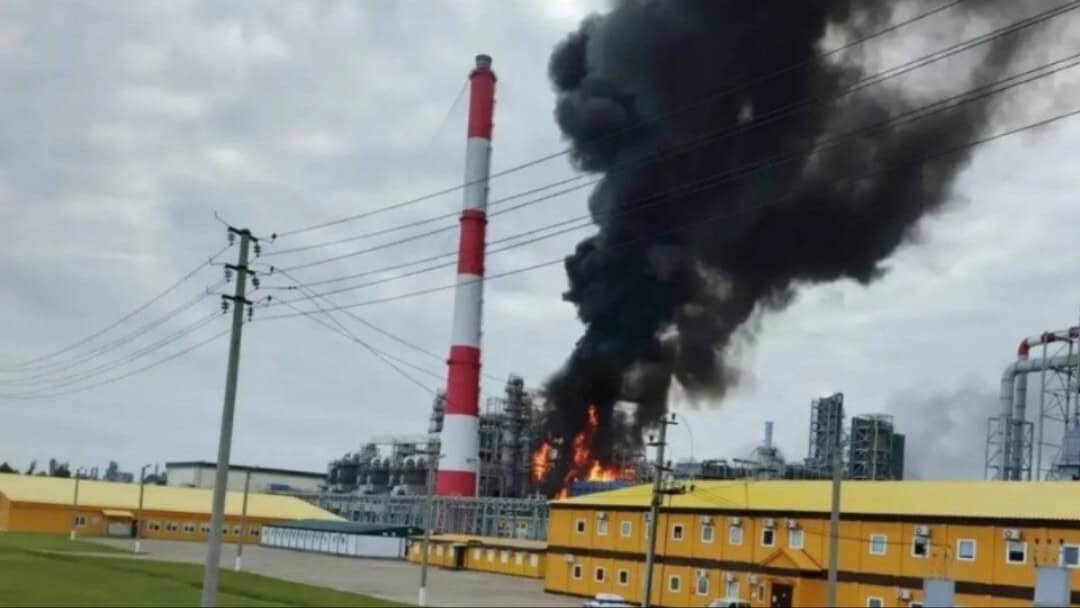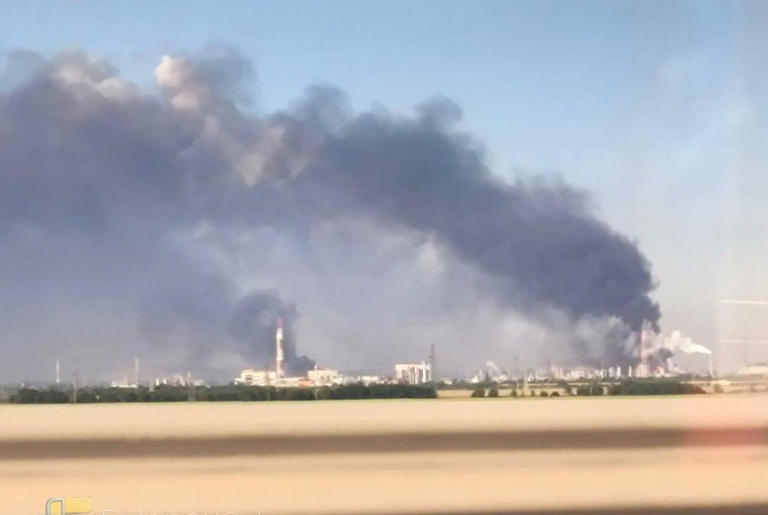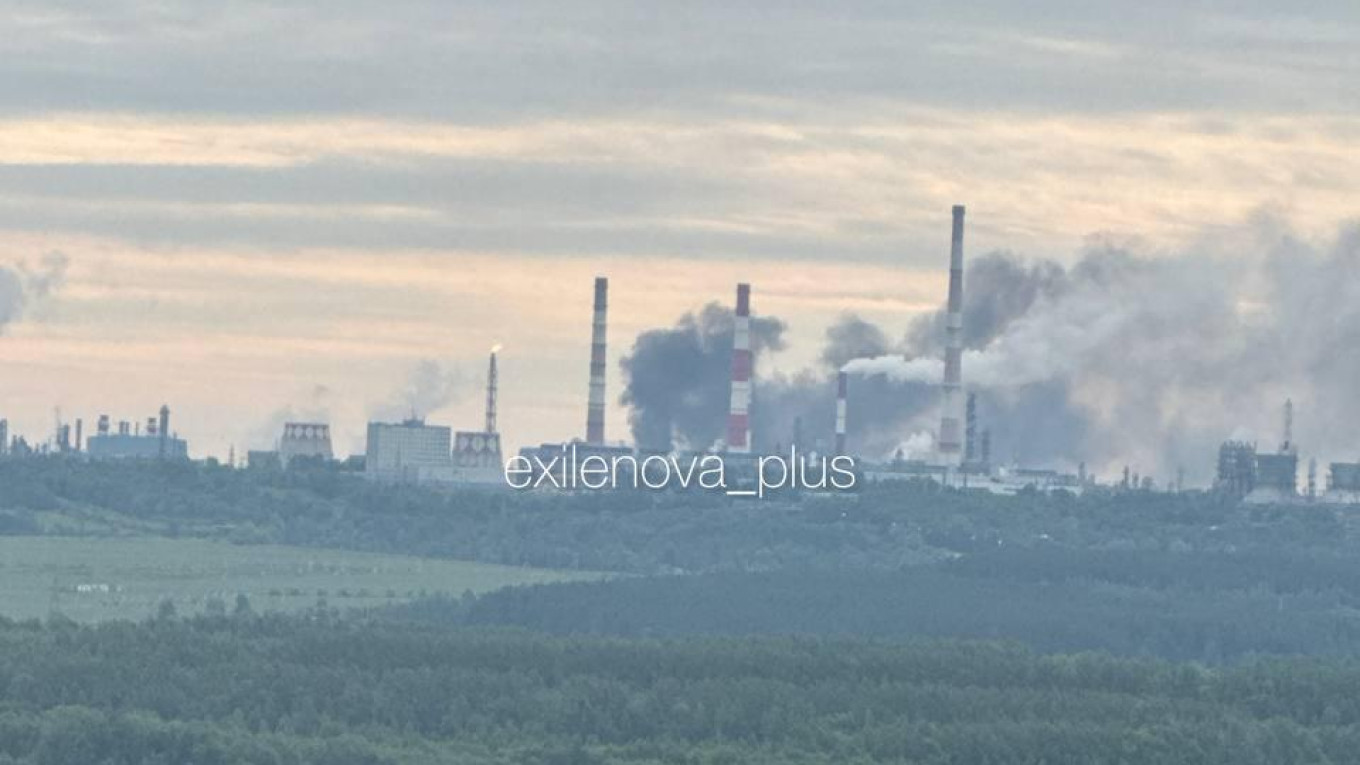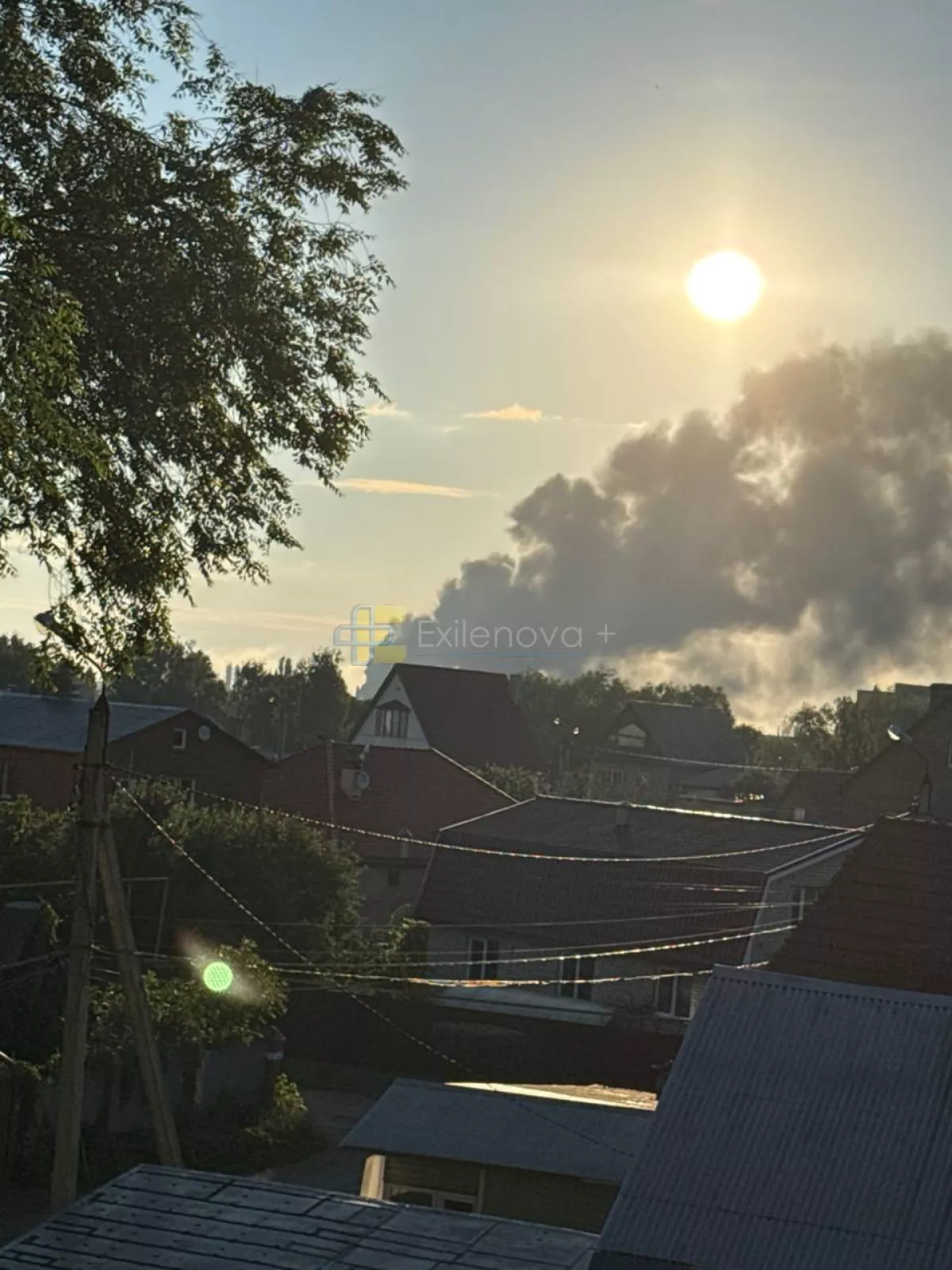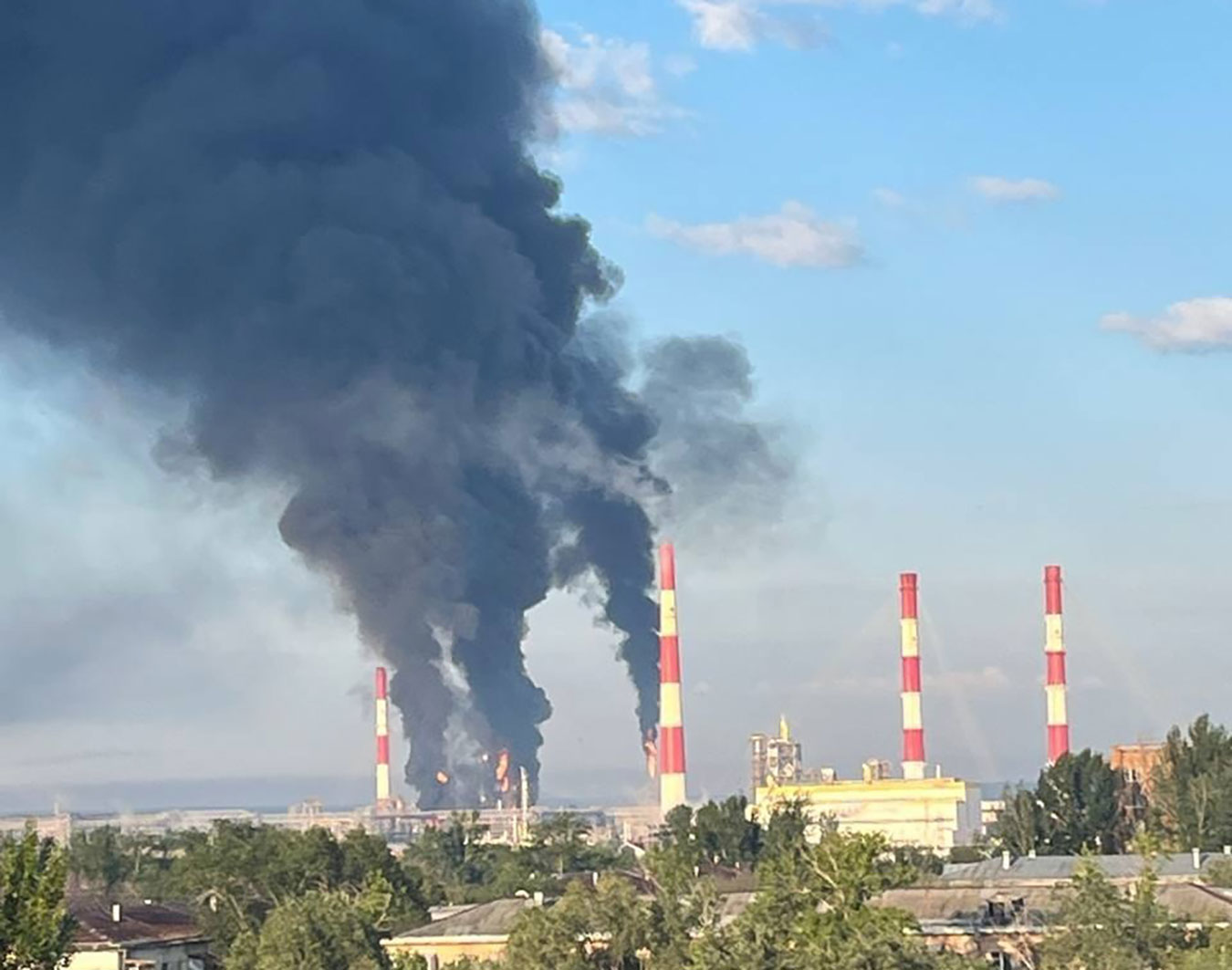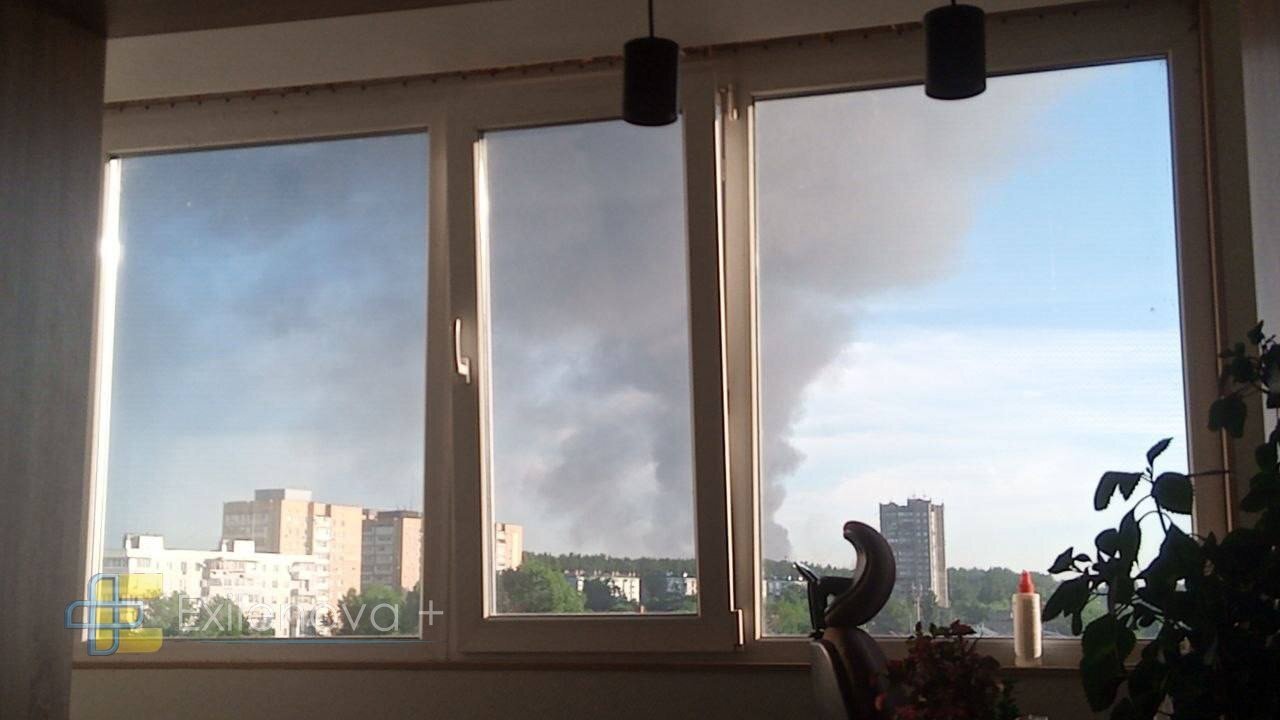

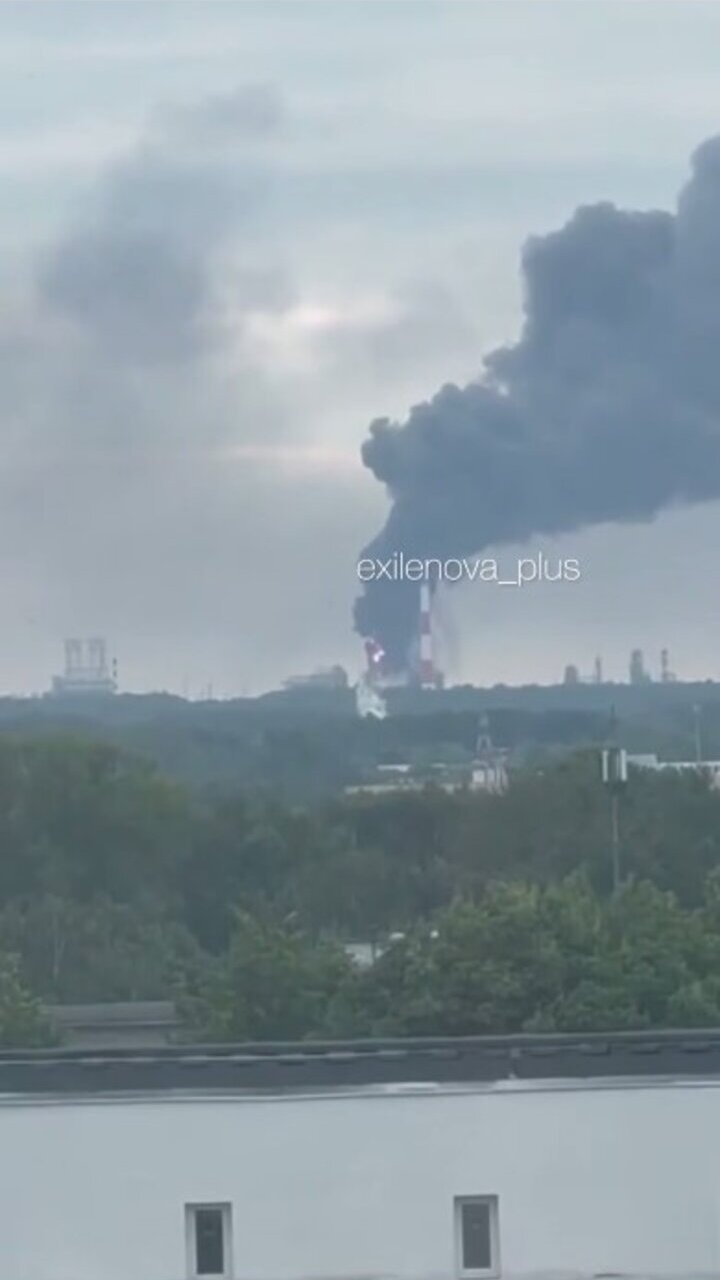
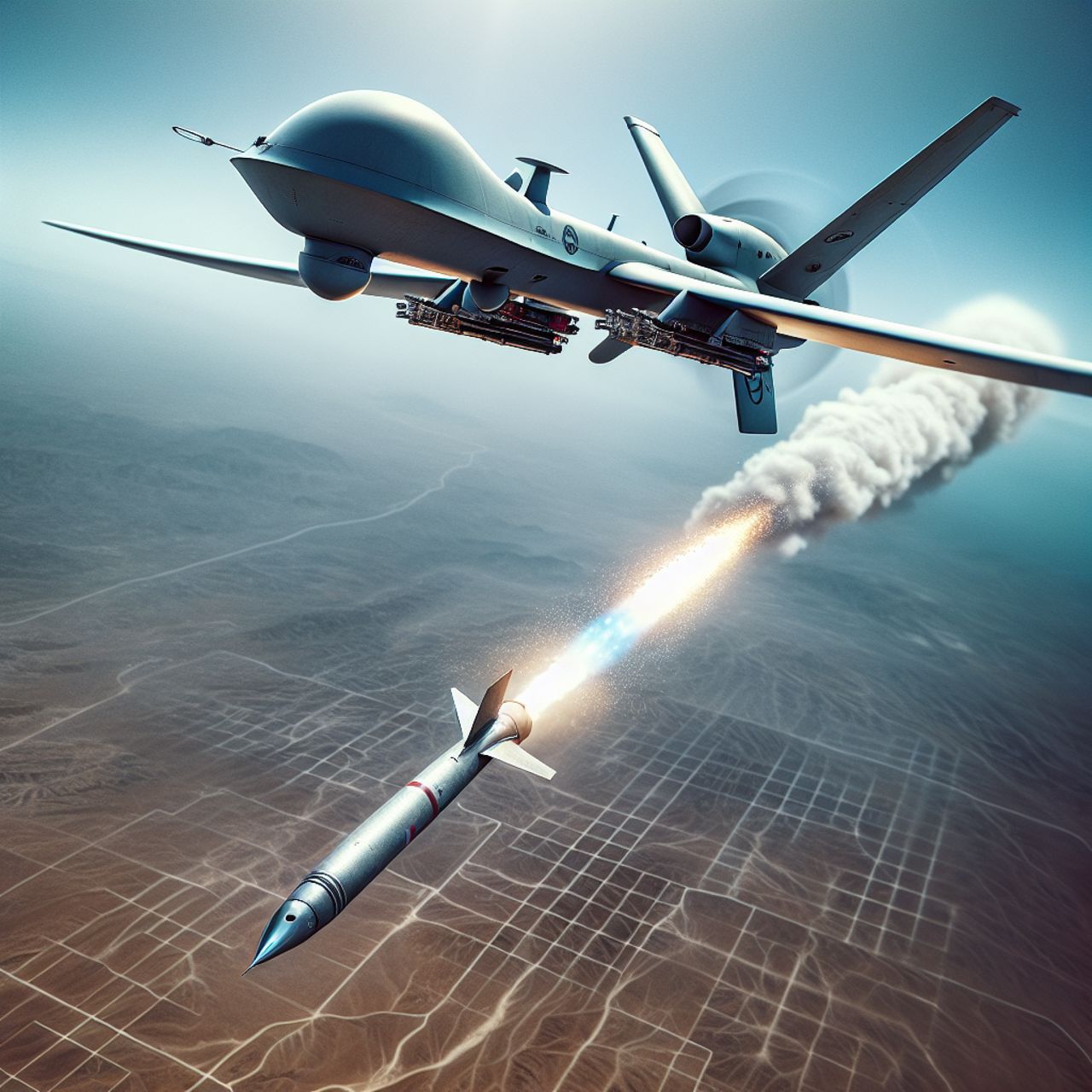


The June 11-12, 2024 Ukrainian drone strikes on Russian energy and chemical infrastructure represent a critical supply chain inflection point for cross-border sellers. Ukraine's coordinated attacks destroyed or severely damaged three strategic facilities: TANECO refinery (16+ million tonnes annual capacity), TAIF-NK refinery (95%+ processing depth), and Tolyattikauchuk synthetic rubber plant. These strikes follow a pattern of escalating precision targeting that has reduced Russia's oil output to annual lows, creating immediate supply shocks in synthetic rubber, tire additives, and petroleum products—categories representing $8-12B in global trade annually.
For cross-border sellers, this geopolitical disruption creates immediate tariff arbitrage opportunities. Russian synthetic rubber (HS code 4002) previously competed with Vietnamese, Indian, and Thai suppliers through lower pricing. With Russian refining capacity degraded by 20-30% and synthetic rubber production disrupted, sellers sourcing from Vietnam (Dung Quat refinery), India (Reliance Industries), or Thailand (PTT) can now command 15-25% price premiums while maintaining competitive positioning. Tire manufacturers and automotive suppliers dependent on Russian synthetic rubber will shift sourcing immediately—creating a 6-12 month window before supply chains fully rebalance. Sellers with existing relationships in Vietnam, India, or Middle Eastern suppliers (Saudi Aramco, Kuwait Petroleum) can capture this demand surge before competitors establish alternative sourcing.
The operational impact extends to logistics and compliance costs. Russian fuel exports face 40-50% delivery delays as refineries operate at reduced capacity. This increases shipping costs for sellers using Russian-origin products by $200-400 per container (20-foot equivalent unit). Simultaneously, sellers pivoting to non-Russian suppliers face 2-4 week sourcing delays and potential 8-12% higher input costs initially, but gain competitive advantage through supply security. The window for action is immediate (0-30 days) as major automotive and tire manufacturers are already renegotiating supplier contracts. Sellers who establish alternative sourcing relationships before July 2024 will secure preferred pricing and allocation before supply constraints fully materialize across the industry.
Strategic market access shifts favor sellers with Southeast Asian and Middle Eastern supplier networks. Vietnam's refining capacity (Dung Quat: 6.5M tonnes/year) and India's synthetic rubber production (Reliance: 2M+ tonnes/year) represent the primary beneficiaries of Russian supply loss. Sellers with existing FBA networks in APAC regions can reduce sourcing lead times by 40-50% compared to competitors still dependent on Russian suppliers. The compliance angle is minimal—synthetic rubber and petroleum products face standard HS code classification (4002, 2710) with no new tariff changes, but sellers should monitor EU and US sanctions expansion which could further restrict Russian energy imports and accelerate the supply shift timeline.
The June 2024 strikes represent an escalation in Ukraine's targeting of Russian military-industrial infrastructure, with TANECO and TAIF-NK representing 25-30% of Russia's total refining capacity. Historical patterns suggest Russian refinery reconstruction will take 12-24 months, during which synthetic rubber and petroleum product exports will remain constrained at 20-30% below pre-strike levels. Sellers should expect Russian energy exports to remain disrupted through 2025, creating a sustained 12-24 month window for alternative suppliers to establish market share. Long-term, sellers should diversify sourcing across Vietnam, India, Middle East, and potentially new suppliers (Kazakhstan, Azerbaijan) to reduce geopolitical risk. The strategic implication is that Russian energy suppliers will face structural competitive disadvantage for 2-3 years, making non-Russian sourcing the default strategy for risk-averse sellers. Sellers should monitor reconstruction timelines at TANECO and TAIF-NK (typically 18-24 months for major refinery damage) and plan sourcing transitions accordingly. The geopolitical risk premium suggests sellers should maintain 20-30% higher inventory buffers for synthetic rubber and petroleum products through 2025 to ensure supply security and avoid stockouts during peak demand periods.
Europe and North America represent the highest-demand markets, as automotive manufacturers (Germany, France, US) are most dependent on Russian synthetic rubber and face immediate supply constraints. European sellers can source from Vietnam (Dung Quat refinery) or India (Reliance Industries) and capture 30-40% margin improvements by serving EU automotive suppliers. US sellers should prioritize Middle Eastern suppliers (Saudi Aramco, Kuwait Petroleum) to reduce shipping times and costs compared to APAC sourcing. Southeast Asian markets (Thailand, Indonesia, Malaysia) see moderate demand as local suppliers (PTT Thailand, Pertamina Indonesia) can partially offset Russian supply loss. China represents a secondary market, as Chinese suppliers have existing relationships with Russian refineries and face less immediate supply pressure. Sellers targeting EU markets should establish sourcing relationships with Vietnam suppliers by July 2024 to capture demand from German and French automotive manufacturers. US sellers should prioritize Middle Eastern suppliers to reduce lead times and shipping costs. The geographic arbitrage opportunity is highest for sellers with existing networks in Vietnam, India, or Middle East who can serve European and North American markets during the 6-12 month supply shortage window.
The action window is immediate (0-30 days) as major automotive OEMs and tire manufacturers are already renegotiating supplier contracts following the June 11-12 strikes. Sellers who establish alternative sourcing relationships with Vietnam, India, or Middle Eastern suppliers (Saudi Aramco, Kuwait Petroleum) before July 2024 will secure preferred pricing and allocation before supply constraints fully materialize. Sourcing lead times from Vietnam increase by 2-4 weeks compared to Russian suppliers, but sellers gain supply security and competitive advantage. Shipping costs increase $200-400 per 20-foot container due to longer transit routes, but this is offset by 15-25% higher selling prices for synthetic rubber products during the supply shortage period. Sellers delaying action beyond July risk losing allocation to competitors and facing 40-50% delivery delays on Russian-origin products.
The destruction of TANECO (16M+ tonnes annual capacity) and TAIF-NK refineries creates a 20-30% supply gap in Russian synthetic rubber production, historically priced 15-20% below Vietnamese and Indian competitors. Sellers sourcing from Vietnam (Dung Quat refinery, 6.5M tonnes/year) or India (Reliance Industries, 2M+ tonnes/year) can now command 15-25% price premiums while maintaining competitive positioning against Russian suppliers. This supply disruption typically lasts 6-12 months as facilities rebuild, creating a critical window for sellers to establish alternative sourcing relationships before competitors catch on. Input costs for tire manufacturers and automotive suppliers will increase 8-12% initially, but sellers with pre-established APAC supplier networks can absorb these costs and gain market share from competitors still dependent on Russian sources.
Sellers can establish 'supply security' as a key marketing differentiator, highlighting non-Russian sourcing and reliable inventory availability during the shortage period. On Amazon, sellers should update product listings to emphasize 'in-stock' status and fast shipping (Prime eligible) to capture demand from competitors facing supply constraints. Sponsored Products campaigns targeting competitor ASINs (Amazon Standard Identification Numbers) for synthetic rubber and tire products can capture high-intent buyers searching for alternatives to Russian-sourced products. Sellers with established APAC supplier relationships can offer 15-25% price premiums while maintaining competitive positioning, as buyers prioritize supply security over price during shortage periods. On Shopify and other platforms, sellers should emphasize supply chain transparency and non-Russian sourcing in product descriptions and marketing copy. The competitive advantage window is 6-12 months before supply chains fully rebalance—sellers who establish market share during this period will retain customers even after Russian supply recovers. Sellers should also consider launching new product lines (specialty tire additives, industrial elastomers) targeting automotive OEMs and Tier-1 suppliers who are actively seeking alternative suppliers.
Synthetic rubber (HS code 4002) and petroleum products (HS code 2710) face no immediate tariff changes, but sellers should monitor EU and US sanctions expansion which could further restrict Russian energy imports and accelerate the supply shift timeline. Current tariff rates remain stable: synthetic rubber typically faces 0-6.5% tariffs depending on destination market, and petroleum products face 0-10% tariffs. However, sellers should expect potential tariff increases on Russian-origin products if sanctions escalate, making non-Russian sourcing increasingly cost-competitive. Compliance complexity is minimal for standard synthetic rubber and petroleum products, but sellers should verify HS code classification (4002 for synthetic rubber, 2710 for petroleum products) to avoid customs delays. The primary compliance risk is sanctions violations if sellers continue sourcing from Russian suppliers after potential new restrictions—sellers should monitor OFAC (Office of Foreign Assets Control) and EU sanctions lists weekly during the next 3-6 months. No new VAT or customs documentation requirements are anticipated, but sellers should maintain detailed sourcing records to demonstrate non-Russian origin if audited.
Sellers sourcing from Russian suppliers face 40-50% delivery delays and $200-400 per container cost increases due to reduced refining capacity and shipping route disruptions. Sellers pivoting to Vietnam or India suppliers experience 2-4 week longer sourcing lead times but gain supply security and can maintain FBA inventory levels. For sellers using Fulfillment by Amazon in APAC regions (India, Southeast Asia), the supply disruption reduces sourcing costs by 40-50% compared to competitors shipping from Russia. Storage fees in Amazon Seller Central remain unchanged, but sellers should monitor inventory velocity as supply constraints may reduce product availability and increase BSR (Best Seller Rank) volatility. Sellers with existing 3PL relationships in Vietnam or India can negotiate better rates during this supply shortage period, as logistics providers have excess capacity from reduced Russian trade flows. The operational impact suggests sellers should increase FBA inventory by 15-20% during the next 6-12 months to capture demand from competitors facing supply constraints.
Synthetic rubber (HS code 4002) and tire manufacturing inputs represent the primary beneficiaries, with global trade volume of $8-12B annually. Automotive suppliers, tire manufacturers, and industrial rubber product sellers see immediate demand spikes as they source alternatives. High-octane fuel additives (HS code 2710) used in military and civilian applications face 20-30% supply reduction from Tolyattikauchuk plant destruction. Sellers in automotive aftermarket (tires, seals, gaskets), industrial equipment, and specialty chemicals categories can capture 30-40% margin improvements by sourcing from non-Russian suppliers. The supply disruption affects approximately 120+ product types manufactured at Nizhnekamskneftekhim, creating opportunities across plastics, elastomers, and chemical intermediate categories. Sellers with existing FBA networks in APAC regions can reduce sourcing lead times by 40-50% and capture market share before competitors establish alternative supply chains.
The June 2024 strikes represent an escalation in Ukraine's targeting of Russian military-industrial infrastructure, with TANECO and TAIF-NK representing 25-30% of Russia's total refining capacity. Historical patterns suggest Russian refinery reconstruction will take 12-24 months, during which synthetic rubber and petroleum product exports will remain constrained at 20-30% below pre-strike levels. Sellers should expect Russian energy exports to remain disrupted through 2025, creating a sustained 12-24 month window for alternative suppliers to establish market share. Long-term, sellers should diversify sourcing across Vietnam, India, Middle East, and potentially new suppliers (Kazakhstan, Azerbaijan) to reduce geopolitical risk. The strategic implication is that Russian energy suppliers will face structural competitive disadvantage for 2-3 years, making non-Russian sourcing the default strategy for risk-averse sellers. Sellers should monitor reconstruction timelines at TANECO and TAIF-NK (typically 18-24 months for major refinery damage) and plan sourcing transitions accordingly. The geopolitical risk premium suggests sellers should maintain 20-30% higher inventory buffers for synthetic rubber and petroleum products through 2025 to ensure supply security and avoid stockouts during peak demand periods.
Europe and North America represent the highest-demand markets, as automotive manufacturers (Germany, France, US) are most dependent on Russian synthetic rubber and face immediate supply constraints. European sellers can source from Vietnam (Dung Quat refinery) or India (Reliance Industries) and capture 30-40% margin improvements by serving EU automotive suppliers. US sellers should prioritize Middle Eastern suppliers (Saudi Aramco, Kuwait Petroleum) to reduce shipping times and costs compared to APAC sourcing. Southeast Asian markets (Thailand, Indonesia, Malaysia) see moderate demand as local suppliers (PTT Thailand, Pertamina Indonesia) can partially offset Russian supply loss. China represents a secondary market, as Chinese suppliers have existing relationships with Russian refineries and face less immediate supply pressure. Sellers targeting EU markets should establish sourcing relationships with Vietnam suppliers by July 2024 to capture demand from German and French automotive manufacturers. US sellers should prioritize Middle Eastern suppliers to reduce lead times and shipping costs. The geographic arbitrage opportunity is highest for sellers with existing networks in Vietnam, India, or Middle East who can serve European and North American markets during the 6-12 month supply shortage window.
The action window is immediate (0-30 days) as major automotive OEMs and tire manufacturers are already renegotiating supplier contracts following the June 11-12 strikes. Sellers who establish alternative sourcing relationships with Vietnam, India, or Middle Eastern suppliers (Saudi Aramco, Kuwait Petroleum) before July 2024 will secure preferred pricing and allocation before supply constraints fully materialize. Sourcing lead times from Vietnam increase by 2-4 weeks compared to Russian suppliers, but sellers gain supply security and competitive advantage. Shipping costs increase $200-400 per 20-foot container due to longer transit routes, but this is offset by 15-25% higher selling prices for synthetic rubber products during the supply shortage period. Sellers delaying action beyond July risk losing allocation to competitors and facing 40-50% delivery delays on Russian-origin products.
The destruction of TANECO (16M+ tonnes annual capacity) and TAIF-NK refineries creates a 20-30% supply gap in Russian synthetic rubber production, historically priced 15-20% below Vietnamese and Indian competitors. Sellers sourcing from Vietnam (Dung Quat refinery, 6.5M tonnes/year) or India (Reliance Industries, 2M+ tonnes/year) can now command 15-25% price premiums while maintaining competitive positioning against Russian suppliers. This supply disruption typically lasts 6-12 months as facilities rebuild, creating a critical window for sellers to establish alternative sourcing relationships before competitors catch on. Input costs for tire manufacturers and automotive suppliers will increase 8-12% initially, but sellers with pre-established APAC supplier networks can absorb these costs and gain market share from competitors still dependent on Russian sources.
Sellers can establish 'supply security' as a key marketing differentiator, highlighting non-Russian sourcing and reliable inventory availability during the shortage period. On Amazon, sellers should update product listings to emphasize 'in-stock' status and fast shipping (Prime eligible) to capture demand from competitors facing supply constraints. Sponsored Products campaigns targeting competitor ASINs (Amazon Standard Identification Numbers) for synthetic rubber and tire products can capture high-intent buyers searching for alternatives to Russian-sourced products. Sellers with established APAC supplier relationships can offer 15-25% price premiums while maintaining competitive positioning, as buyers prioritize supply security over price during shortage periods. On Shopify and other platforms, sellers should emphasize supply chain transparency and non-Russian sourcing in product descriptions and marketing copy. The competitive advantage window is 6-12 months before supply chains fully rebalance—sellers who establish market share during this period will retain customers even after Russian supply recovers. Sellers should also consider launching new product lines (specialty tire additives, industrial elastomers) targeting automotive OEMs and Tier-1 suppliers who are actively seeking alternative suppliers.
Synthetic rubber (HS code 4002) and petroleum products (HS code 2710) face no immediate tariff changes, but sellers should monitor EU and US sanctions expansion which could further restrict Russian energy imports and accelerate the supply shift timeline. Current tariff rates remain stable: synthetic rubber typically faces 0-6.5% tariffs depending on destination market, and petroleum products face 0-10% tariffs. However, sellers should expect potential tariff increases on Russian-origin products if sanctions escalate, making non-Russian sourcing increasingly cost-competitive. Compliance complexity is minimal for standard synthetic rubber and petroleum products, but sellers should verify HS code classification (4002 for synthetic rubber, 2710 for petroleum products) to avoid customs delays. The primary compliance risk is sanctions violations if sellers continue sourcing from Russian suppliers after potential new restrictions—sellers should monitor OFAC (Office of Foreign Assets Control) and EU sanctions lists weekly during the next 3-6 months. No new VAT or customs documentation requirements are anticipated, but sellers should maintain detailed sourcing records to demonstrate non-Russian origin if audited.
Sellers sourcing from Russian suppliers face 40-50% delivery delays and $200-400 per container cost increases due to reduced refining capacity and shipping route disruptions. Sellers pivoting to Vietnam or India suppliers experience 2-4 week longer sourcing lead times but gain supply security and can maintain FBA inventory levels. For sellers using Fulfillment by Amazon in APAC regions (India, Southeast Asia), the supply disruption reduces sourcing costs by 40-50% compared to competitors shipping from Russia. Storage fees in Amazon Seller Central remain unchanged, but sellers should monitor inventory velocity as supply constraints may reduce product availability and increase BSR (Best Seller Rank) volatility. Sellers with existing 3PL relationships in Vietnam or India can negotiate better rates during this supply shortage period, as logistics providers have excess capacity from reduced Russian trade flows. The operational impact suggests sellers should increase FBA inventory by 15-20% during the next 6-12 months to capture demand from competitors facing supply constraints.
Synthetic rubber (HS code 4002) and tire manufacturing inputs represent the primary beneficiaries, with global trade volume of $8-12B annually. Automotive suppliers, tire manufacturers, and industrial rubber product sellers see immediate demand spikes as they source alternatives. High-octane fuel additives (HS code 2710) used in military and civilian applications face 20-30% supply reduction from Tolyattikauchuk plant destruction. Sellers in automotive aftermarket (tires, seals, gaskets), industrial equipment, and specialty chemicals categories can capture 30-40% margin improvements by sourcing from non-Russian suppliers. The supply disruption affects approximately 120+ product types manufactured at Nizhnekamskneftekhim, creating opportunities across plastics, elastomers, and chemical intermediate categories. Sellers with existing FBA networks in APAC regions can reduce sourcing lead times by 40-50% and capture market share before competitors establish alternative supply chains.
The June 2024 strikes represent an escalation in Ukraine's targeting of Russian military-industrial infrastructure, with TANECO and TAIF-NK representing 25-30% of Russia's total refining capacity. Historical patterns suggest Russian refinery reconstruction will take 12-24 months, during which synthetic rubber and petroleum product exports will remain constrained at 20-30% below pre-strike levels. Sellers should expect Russian energy exports to remain disrupted through 2025, creating a sustained 12-24 month window for alternative suppliers to establish market share. Long-term, sellers should diversify sourcing across Vietnam, India, Middle East, and potentially new suppliers (Kazakhstan, Azerbaijan) to reduce geopolitical risk. The strategic implication is that Russian energy suppliers will face structural competitive disadvantage for 2-3 years, making non-Russian sourcing the default strategy for risk-averse sellers. Sellers should monitor reconstruction timelines at TANECO and TAIF-NK (typically 18-24 months for major refinery damage) and plan sourcing transitions accordingly. The geopolitical risk premium suggests sellers should maintain 20-30% higher inventory buffers for synthetic rubber and petroleum products through 2025 to ensure supply security and avoid stockouts during peak demand periods.
Europe and North America represent the highest-demand markets, as automotive manufacturers (Germany, France, US) are most dependent on Russian synthetic rubber and face immediate supply constraints. European sellers can source from Vietnam (Dung Quat refinery) or India (Reliance Industries) and capture 30-40% margin improvements by serving EU automotive suppliers. US sellers should prioritize Middle Eastern suppliers (Saudi Aramco, Kuwait Petroleum) to reduce shipping times and costs compared to APAC sourcing. Southeast Asian markets (Thailand, Indonesia, Malaysia) see moderate demand as local suppliers (PTT Thailand, Pertamina Indonesia) can partially offset Russian supply loss. China represents a secondary market, as Chinese suppliers have existing relationships with Russian refineries and face less immediate supply pressure. Sellers targeting EU markets should establish sourcing relationships with Vietnam suppliers by July 2024 to capture demand from German and French automotive manufacturers. US sellers should prioritize Middle Eastern suppliers to reduce lead times and shipping costs. The geographic arbitrage opportunity is highest for sellers with existing networks in Vietnam, India, or Middle East who can serve European and North American markets during the 6-12 month supply shortage window.