


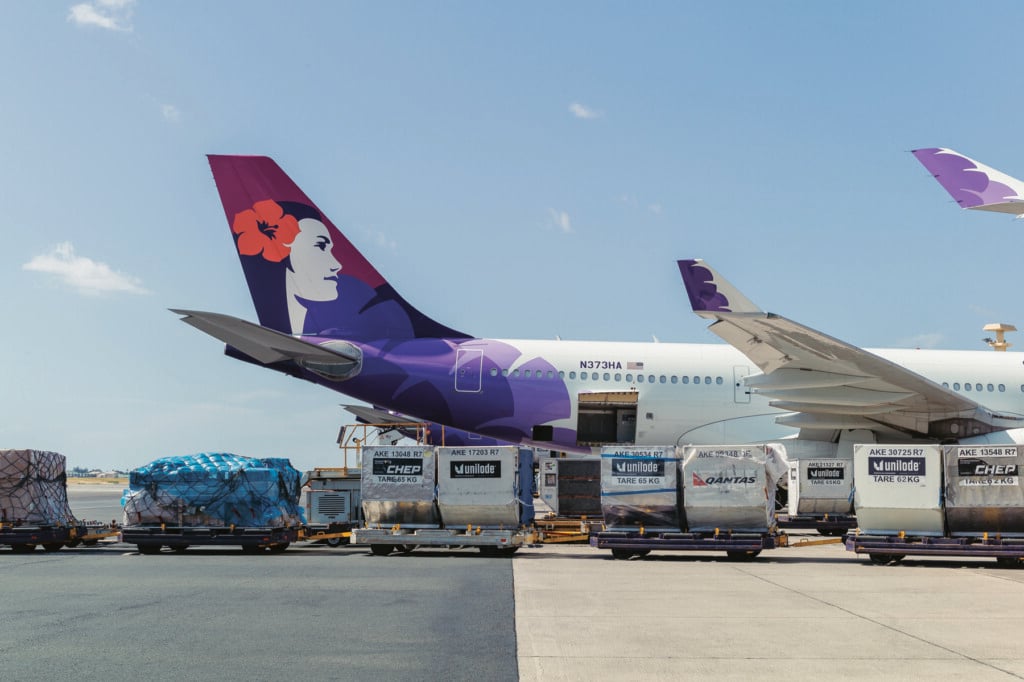

Airfare Surge 26.7% YoY | Domestic Travel Boom Creates $2B+ Merchandise Opportunity for Sellers
- Airline costs up 30% in 5 months; consumers shift from international to domestic travel; sellers gain opportunities in travel accessories, outdoor gear, and regional tourism merchandise


























Overview
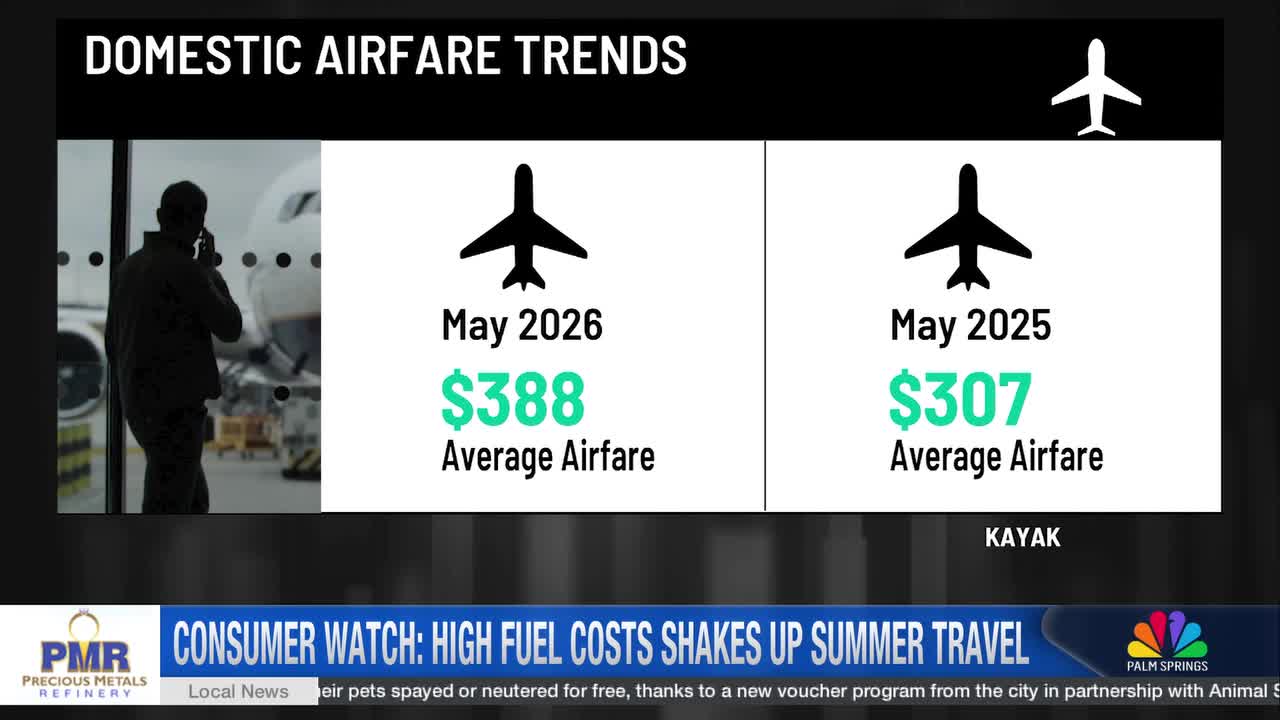
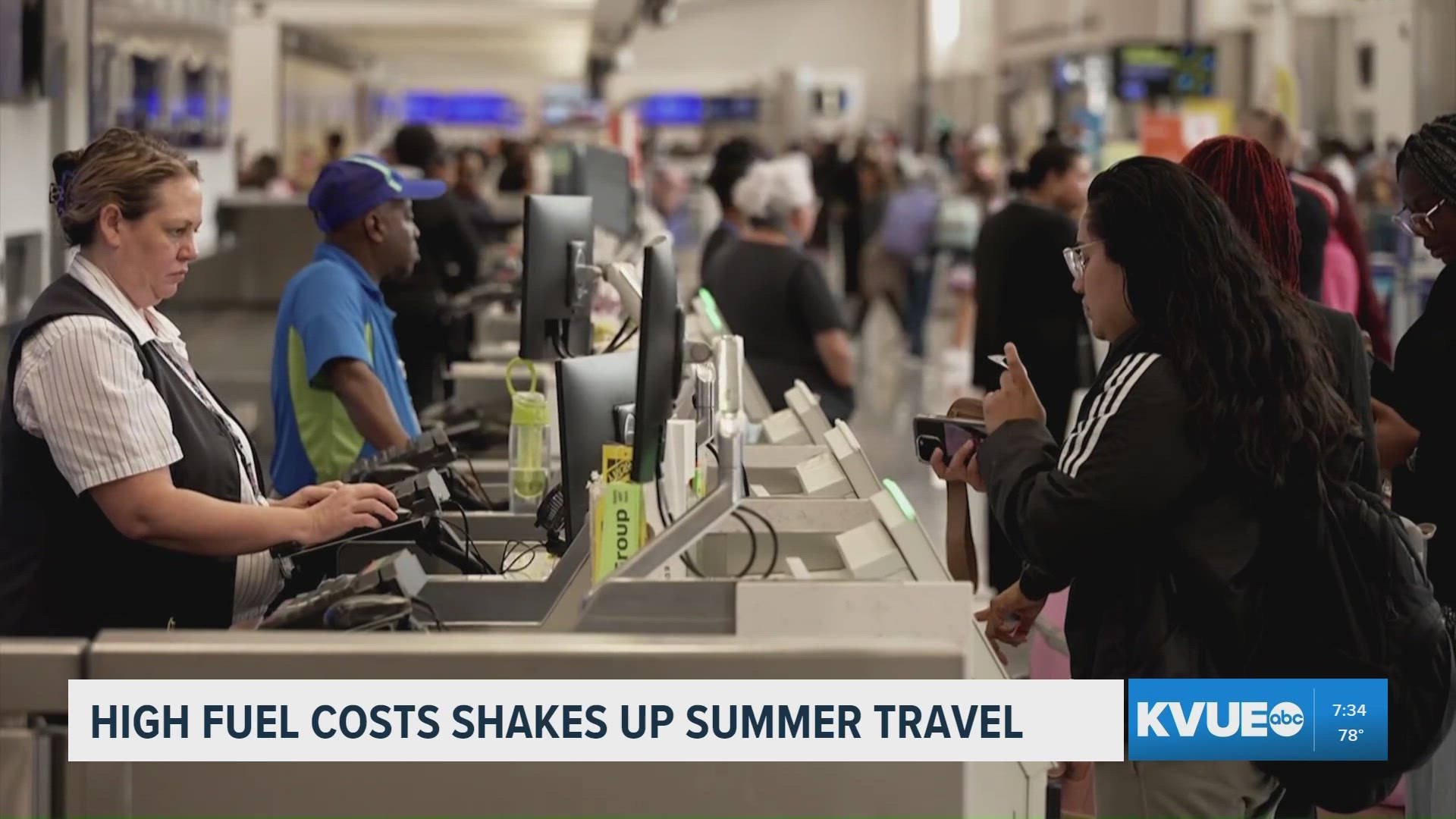
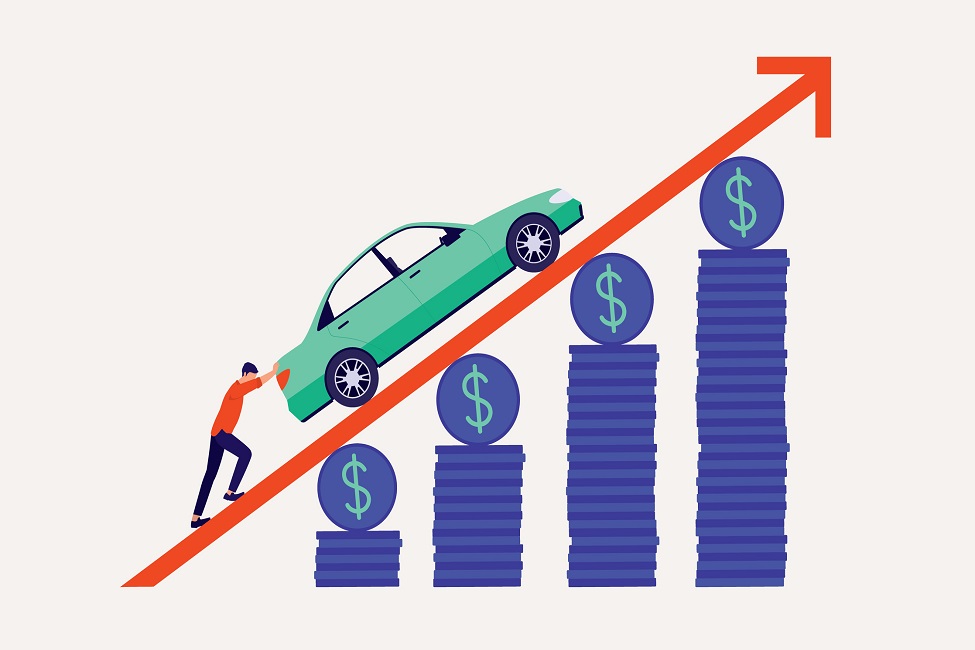
U.S. airfare costs have surged 26.7% year-over-year through May 2026, with the Consumer Price Index rising from 253.714 in December 2025 to 329.824 in May 2026—the largest single-month jump in four years. This 30% increase over five months, driven partly by geopolitical tensions with Iran elevating jet fuel prices, is fundamentally reshaping consumer travel patterns and creating significant e-commerce opportunities. Critically, United Airlines CEO Scott Kirby has publicly committed to retaining approximately 80% of current price increases long-term, even after oil prices normalize, signaling sustained high airfare pricing. The liquidation of Spirit Airlines has further reduced low-cost competition, entrenching premium pricing across the industry.
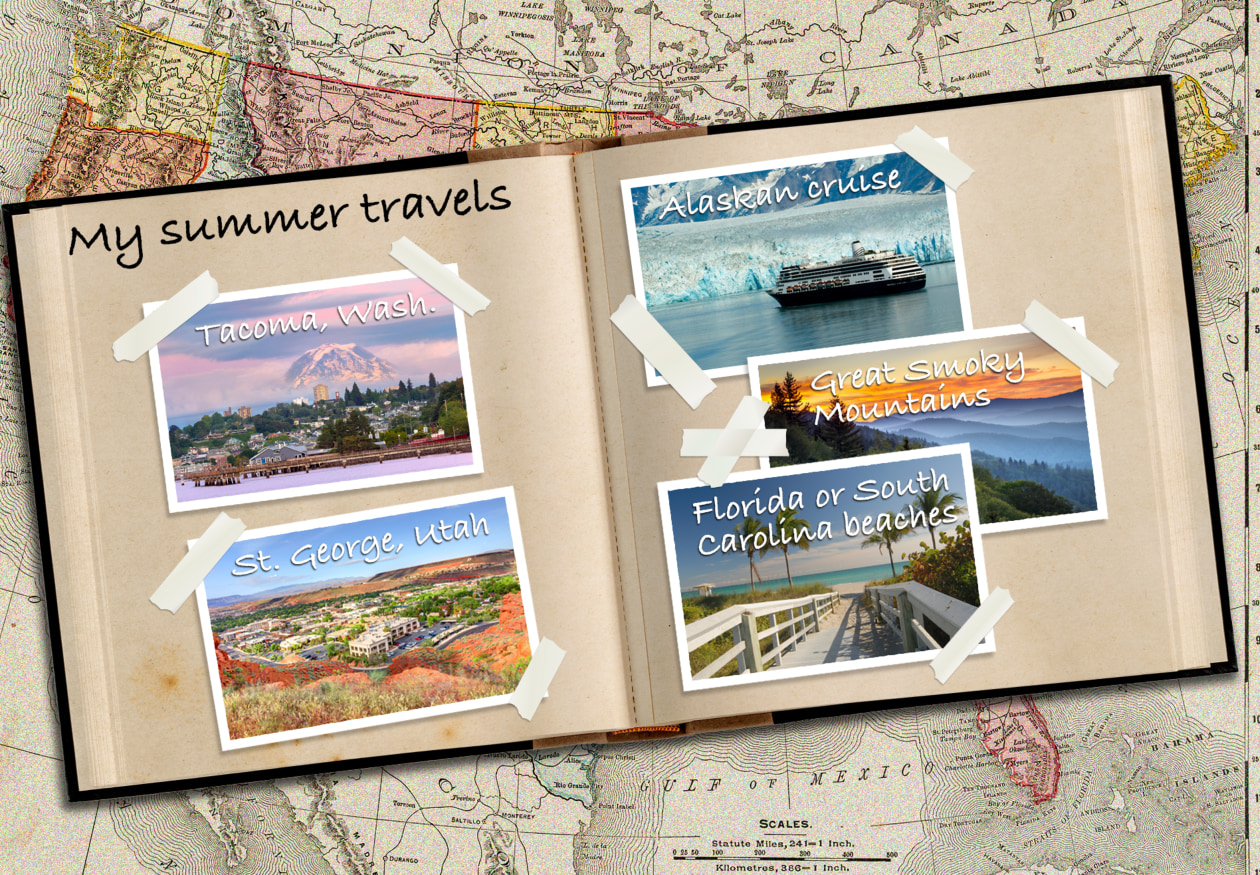
The immediate consumer response reveals a massive shift toward domestic travel. According to Expedia's summer travel report, searches for Florida and California beaches increased 50%, while interest in American lakes, mountains, and national parks jumped 65%. Airbnb reports one-third of U.S. customers are staying domestically, with luxury rental company Wander experiencing a 26% rise in North American bookings. Top trending destinations include St. George, Utah (125% search increase), Tacoma, Washington (searches more than doubled), and Alaska cruises ($500-$900 per person). This represents a fundamental demand shift: affluent travelers are now choosing U.S. destinations to manage expenses, with larger families gravitating domestically. The FIFA World Cup co-hosted across 11 American cities is amplifying this trend, driving hotel rate increases of approximately 5%.
For cross-border e-commerce sellers, this creates a dual-impact opportunity. First, the 27% increase in airline ticket prices directly correlates with rising air cargo costs for time-sensitive shipments and international logistics—sellers managing just-in-time inventory or fulfilling orders across continents face significant operational expense increases. News 3 explicitly warns that "this trend has direct implications for cross-border e-commerce sellers who rely on air freight and expedited shipping services." Sellers should immediately shift 20-30% of inventory from air freight to ocean freight alternatives to mitigate cost pressures. Second, and more strategically, the domestic travel boom creates explosive demand for travel-related merchandise: outdoor gear (tents, camping equipment, hiking boots), travel accessories (luggage, packing cubes, travel pillows), regional tourism merchandise (national park apparel, destination-specific souvenirs), and budget travel solutions (portable coolers, camping cookware, national park guides). The 65% jump in national parks interest alone signals a multi-billion-dollar merchandise opportunity across Amazon, Shopify, and eBay. Sellers should immediately audit inventory in these categories and increase listings targeting high-growth destinations (St. George, Tacoma, Alaska, Great Smoky Mountains, Myrtle Beach). The FIFA World Cup across 11 U.S. cities creates additional merchandise opportunities in sports apparel, team merchandise, and event-related collectibles. Fuel prices surged 40%—the highest increase among travel categories—making road-trip planning attractive, which benefits sellers of vehicle accessories, portable power solutions, and road-trip entertainment products. The K-shaped economy pattern in airlines (premium cabin demand strong, economy seats struggling) indicates affluent consumers retain spending power, supporting premium outdoor gear and luxury travel accessories categories.
Questions 8
How much have airline prices increased and what's driving the surge?
Airline ticket prices have increased 26.7% year-over-year through May 2026, with a 30% surge over five months (December 2025 to May 2026), according to U.S. Bureau of Labor Statistics data. The spike is partly driven by elevated jet fuel prices resulting from geopolitical tensions with Iran, though airfare increases began before the conflict escalated. Critically, United Airlines CEO Scott Kirby has publicly committed to retaining approximately 80% of current price increases long-term, even after oil prices normalize. The liquidation of Spirit Airlines has further reduced low-cost competition, entrenching premium pricing. This sustained pricing indicates sellers should expect elevated air freight costs to persist through 2026-2027.
How should sellers adjust pricing and inventory strategies in response?
Sellers should implement a two-pronged strategy: (1) Immediately shift 20-30% of inventory from air freight to ocean freight to mitigate rising air cargo costs, accepting longer lead times for non-urgent shipments. (2) Increase inventory and pricing in travel-related categories, particularly outdoor gear and travel accessories targeting high-growth destinations. Monitor air freight costs weekly and adjust pricing to maintain 25-35% gross margins. Consider offering slower, cheaper shipping options to price-sensitive customers while maintaining premium air freight for time-sensitive orders. Update product listings with destination-specific keywords (St. George, Tacoma, national parks) to capture the 65% surge in parks-related searches. The K-shaped economy pattern indicates affluent consumers retain spending power, supporting premium product positioning.