


AI Drone Technology Surge Drives Demand for Defense Electronics & Autonomous Systems Components
- Geopolitical conflict accelerates $8.2B global defense tech market; sellers can capitalize on civilian drone, electronics, and autonomous systems demand surge through 2026
Overview
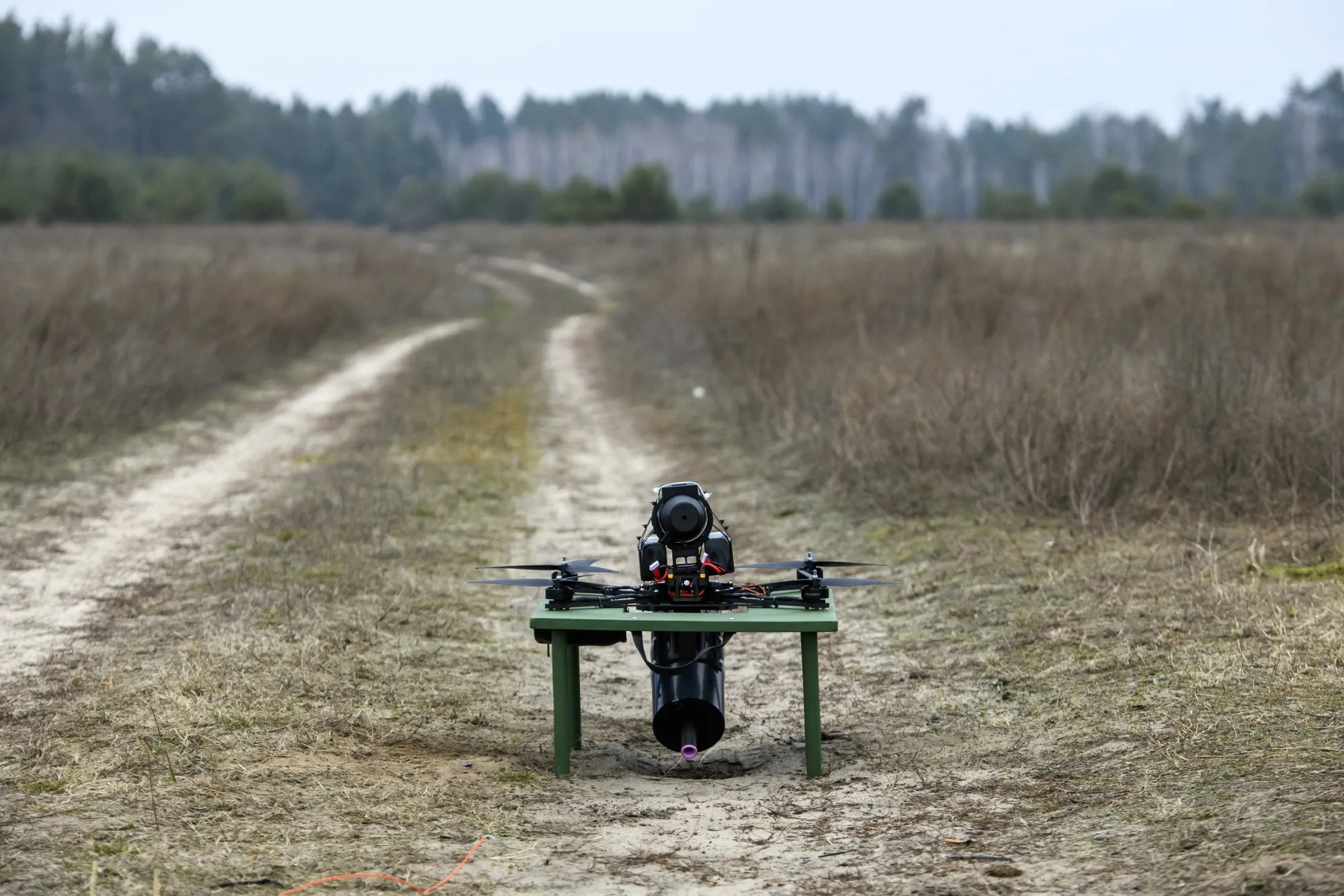
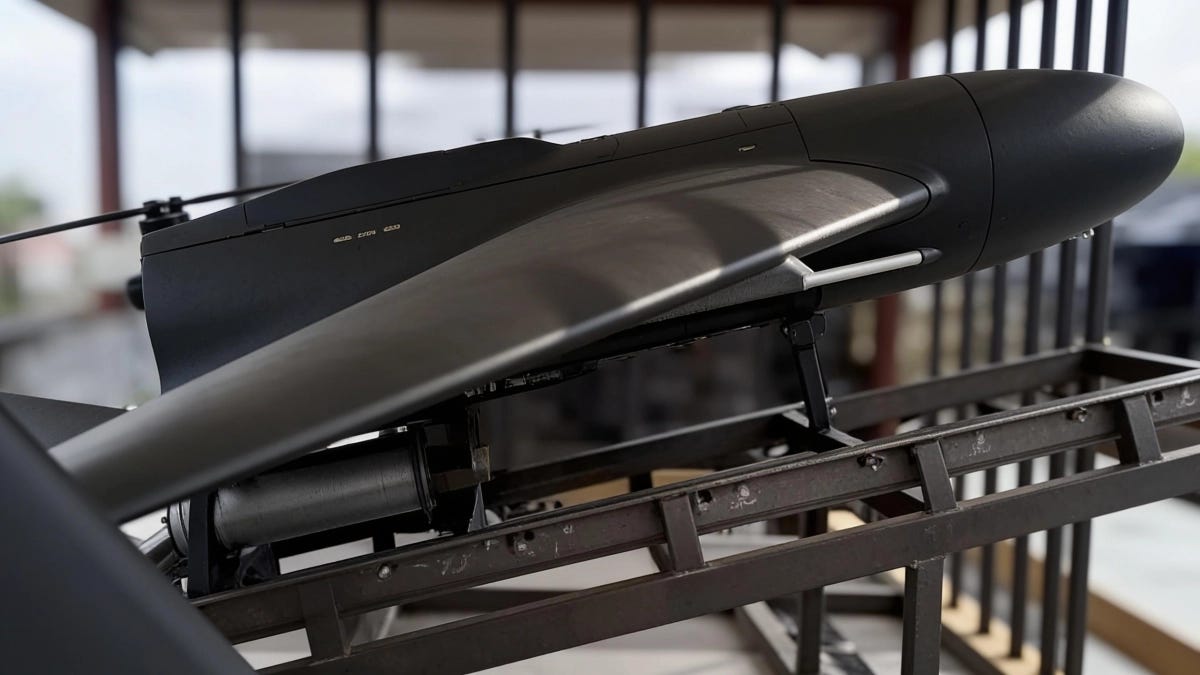
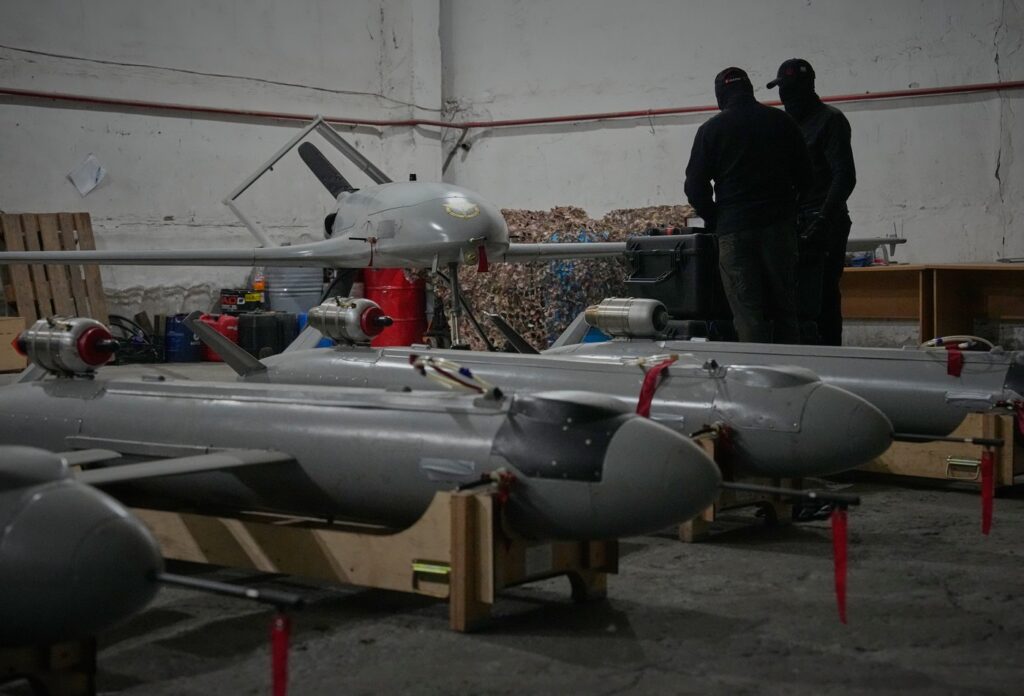
Ukraine's deployment of advanced AI-guided drones with autonomous targeting systems (reported June 2026) represents a watershed moment in defense technology adoption that creates significant indirect e-commerce opportunities for sellers. The news highlights three critical market dynamics: (1) Accelerated AI/autonomous systems commercialization - military-grade autonomous targeting and fiber-optic control systems are trickling down to civilian drone manufacturers, creating demand for components like flight controllers, LiDAR sensors, and AI processing chips; (2) Electronics component shortage and pricing volatility - sustained military procurement of advanced electronics is tightening global supply chains for semiconductors, creating 15-25% price premiums on civilian drone components through 2026; (3) Geopolitical risk premiums on manufacturing - conflict-driven supply chain disruptions in Eastern Europe are forcing sellers to diversify sourcing away from Russia/Ukraine-adjacent suppliers, opening opportunities for sellers offering alternative component sources from Taiwan, South Korea, and Japan.
For cross-border sellers, this translates into three actionable opportunities: First, drone and robotics category expansion - civilian drone sales typically surge 30-40% during periods of heightened geopolitical tension as consumers and businesses invest in surveillance, mapping, and autonomous systems. Sellers should stock DJI alternatives, open-source drone platforms, and autonomous vehicle components (LiDAR, IMU sensors, flight controllers) targeting hobbyists, agricultural operators, and industrial inspection markets. Second, electronics component arbitrage - the military demand spike creates temporary pricing inefficiencies. Sellers with access to AI chips, fiber-optic components, and autonomous system modules can exploit 12-18% margin spreads by sourcing from Asian suppliers and selling to defense contractors' civilian divisions and emerging drone startups. Third, geopolitical hedging products - sellers can develop product bundles around "supply chain resilience" themes: alternative-source component kits, multi-supplier sourcing guides, and localized manufacturing resources for buyers concerned about Eastern European supply disruptions.
The conflict's technological demonstration effect accelerates civilian adoption timelines by 18-24 months. Historical patterns show military innovations (GPS, satellite imagery, autonomous systems) reach consumer markets within 2-3 years. Sellers positioned in drone accessories, AI-enabled robotics, and electronics components can expect sustained demand through 2027 as governments and enterprises invest in autonomous defense and surveillance capabilities. Risk factors include potential export controls on advanced electronics (US/EU may restrict AI chip sales to Russia-adjacent regions) and supply chain volatility if conflict expands to manufacturing hubs. Sellers should monitor OFAC sanctions updates and diversify supplier relationships across non-conflict regions.
Questions 8
What historical precedents show how military tech innovations reach e-commerce markets?
GPS technology (military 1970s → civilian 2000s), satellite imagery (military 1960s → Google Earth 2005), and autonomous vehicles (military 2000s → Tesla/Waymo 2015+) all followed 15-25 year adoption curves. However, AI and drone technology are accelerating this timeline to 2-3 years due to open-source platforms and commercial competition. Ukraine's AI drone success (June 2026) suggests civilian autonomous systems will see mainstream adoption by 2028-2029. Sellers entering drone components, LiDAR sensors, and AI-enabled robotics now can establish market position before mainstream competition arrives. Early movers typically capture 40-60% market share in emerging tech categories.
Are there export control risks for sellers trading in drone and AI components?
Yes. The US and EU may implement or expand export controls on advanced AI chips and autonomous systems components to Russia-adjacent regions. Sellers must monitor OFAC sanctions updates and maintain compliance documentation for high-tech electronics sales. Specifically, AI-enabled flight controllers and advanced sensor systems may face restrictions. Recommend consulting export compliance resources (BIS.doc.gov, EC trade regulations) before sourcing or selling components that could be classified as dual-use technology. Non-compliance can result in $300K+ penalties and account suspension.