




US-China Tech Bifurcation Reshapes Cross-Border Seller Access to Payment & Logistics Infrastructure
- Geopolitical investment barriers signal tightening tech restrictions affecting payment systems, logistics platforms, and seller tools for Chinese and international sellers


















Overview
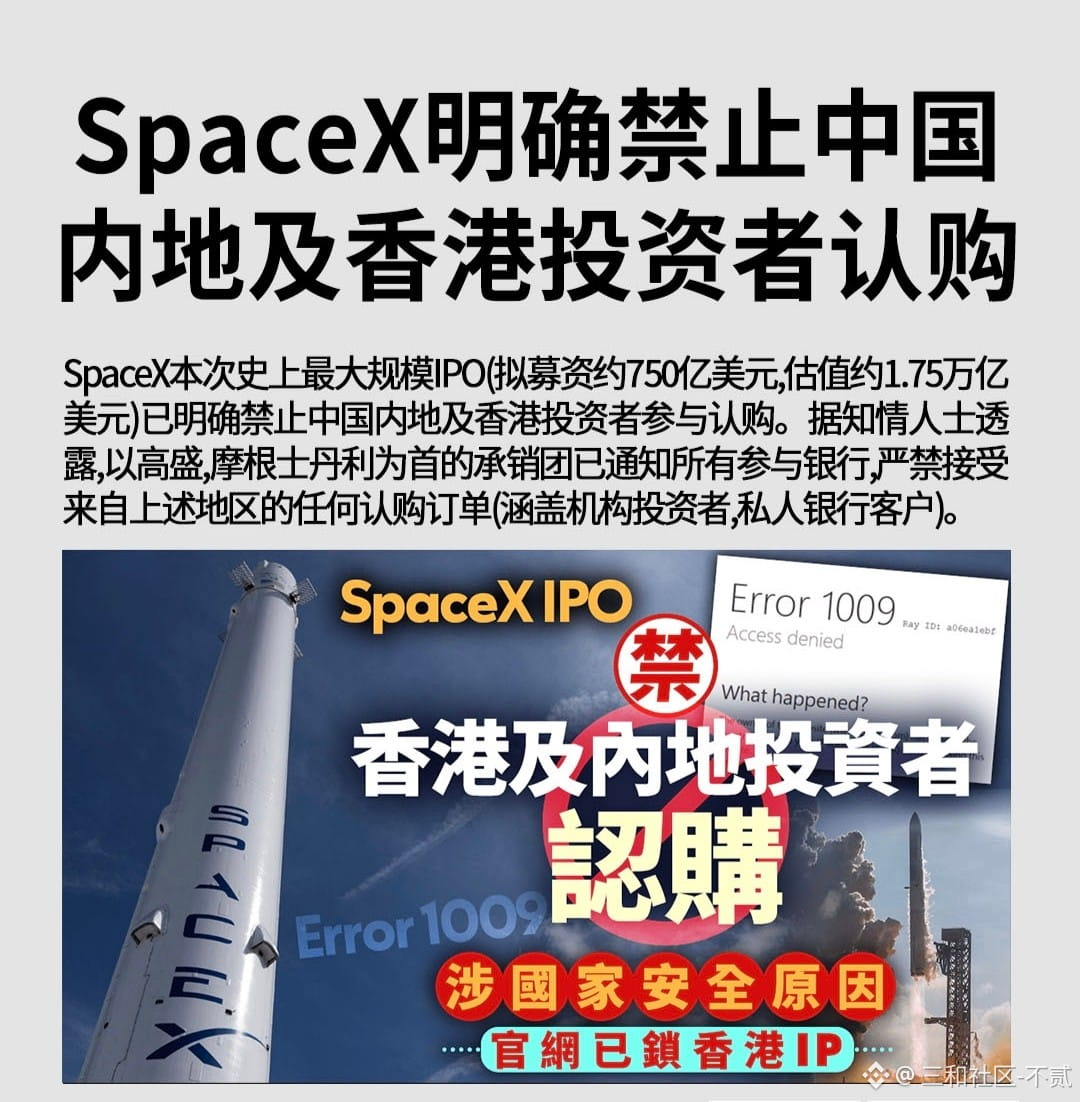
The exclusion of Chinese investors from SpaceX's $75 billion IPO and anticipated OpenAI offerings signals a critical bifurcation in global technology ecosystems that extends far beyond capital markets into cross-border e-commerce infrastructure. While the immediate impact appears limited to investment restrictions, the underlying geopolitical tensions—rooted in U.S. national security concerns around AI, space technology, and advanced computing—are creating cascading regulatory pressures that will reshape how Chinese sellers access payment processors, logistics platforms, and business intelligence tools operating internationally.
The regulatory environment increasingly favors domestic technology ecosystems, creating separate innovation tracks for Chinese and Western markets. China's accelerated response—with LandSpace, Qianfan, and ADA Space preparing IPOs on Chinese and Hong Kong exchanges—demonstrates Beijing's commitment to building indigenous technology infrastructure independent of U.S. platforms. This competitive dynamic directly impacts cross-border sellers: Chinese e-commerce platforms and sellers operating internationally face mounting barriers to accessing cutting-edge Western logistics technology, AI-powered fulfillment tools, and payment infrastructure. Simultaneously, Western sellers face potential restrictions on sourcing from Chinese technology providers for critical business functions. The bifurcation creates two distinct operational ecosystems—one centered on U.S./Western technology standards, another on Chinese alternatives—forcing sellers to choose compliance pathways and technology stacks accordingly.
Chinese investors' pivot toward digital derivatives and structured products to circumvent investment restrictions signals a broader pattern: financial innovation in response to regulatory constraints. This same dynamic will likely accelerate in e-commerce infrastructure. Chinese financial institutions developing "compliant pathways" for capital allocation mirror how Chinese sellers are developing workarounds for payment processing and logistics access. For sellers, this means: (1) Chinese sellers will increasingly rely on domestic payment processors and logistics networks rather than Western platforms; (2) Western sellers may face new compliance requirements when using Chinese-origin technology or logistics partners; (3) Platform policies around data residency, payment processing, and seller tool access will likely tighten along geopolitical lines. The timeframe is critical—KPMG predicts specialist tech firms, particularly AI-related space businesses, will dominate Hong Kong and mainland Chinese IPO markets in 2026, suggesting regulatory frameworks will solidify within 12 months.
Questions 7
How does Starlink's satellite internet expansion affect cross-border seller logistics?
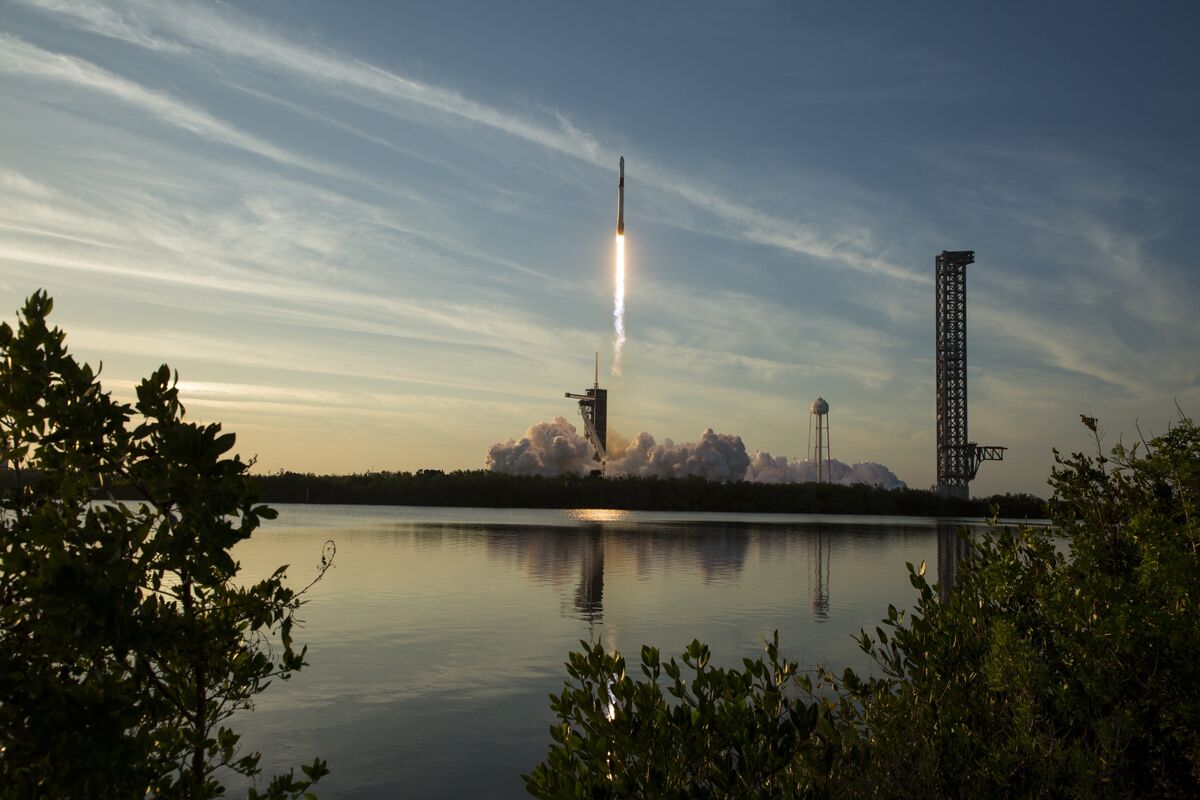
SpaceX's record 94th Starlink batch deployment (November 2024) and China's simultaneous satellite internet initiatives (ADA Space's AI-powered networks) signal a race for satellite-based logistics infrastructure. Starlink's global coverage expansion creates new last-mile delivery possibilities for Western sellers in underserved regions, potentially reducing logistics costs 10-20% in remote areas. However, Chinese sellers face restrictions accessing Starlink in many jurisdictions due to U.S. export controls. China's ADA Space alternative using AI-powered satellite networks may offer cost advantages ($250K per satellite vs. SpaceX's lower costs) but face adoption barriers in Western markets. Sellers should monitor satellite internet adoption in their target markets and evaluate whether satellite-based logistics tracking offers competitive advantages. The technology will likely be commercially viable for e-commerce by 2026-2027.
What are the cost implications of tech bifurcation for sellers?
The bifurcation creates distinct cost structures for Chinese and Western sellers. Chinese sellers shifting to domestic payment processors and logistics platforms may see 5-15% cost reductions due to lower domestic transaction fees and integrated ecosystem benefits (Alipay + Cainiao + Alibaba logistics). However, they face higher costs accessing Western markets due to compliance overhead and restricted technology access. Western sellers using Chinese-origin logistics or fulfillment technology may face 10-20% cost increases due to compliance requirements, enhanced due diligence, and potential restrictions. Sellers should model cost scenarios for both ecosystems and evaluate whether to specialize in one market or maintain dual-ecosystem operations. The strategic decision point is Q2-Q3 2025, before regulatory frameworks solidify.