




Spain Migration Crisis & Gen Z Catholic Revival | Seller Opportunity in Faith-Based & Humanitarian Products
- 47,000 West African migrants arrived Canary Islands in 2024; Catholic identification dropped 68%→52.8% but Gen Z shows 45% revival; 500,000 undocumented migrants regularized in Spain; creates demand for religious merchandise, humanitarian goods, and culturally-sensitive products targeting young Catholic demographic








Overview
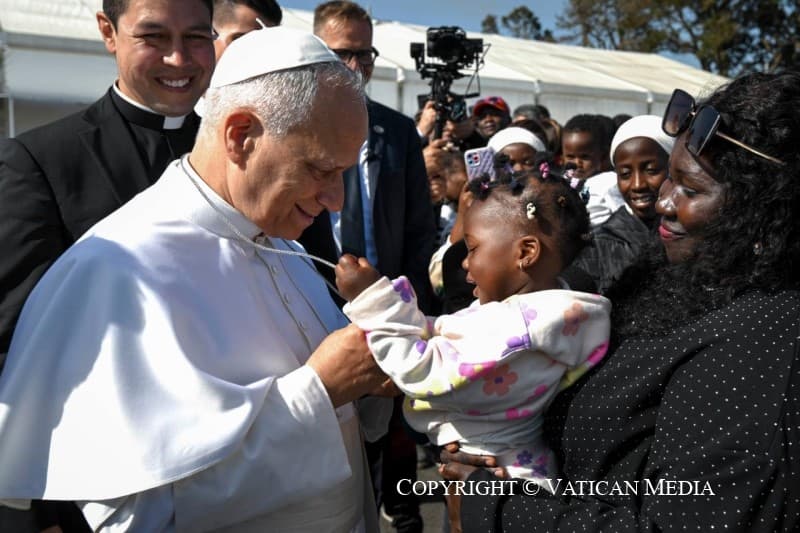
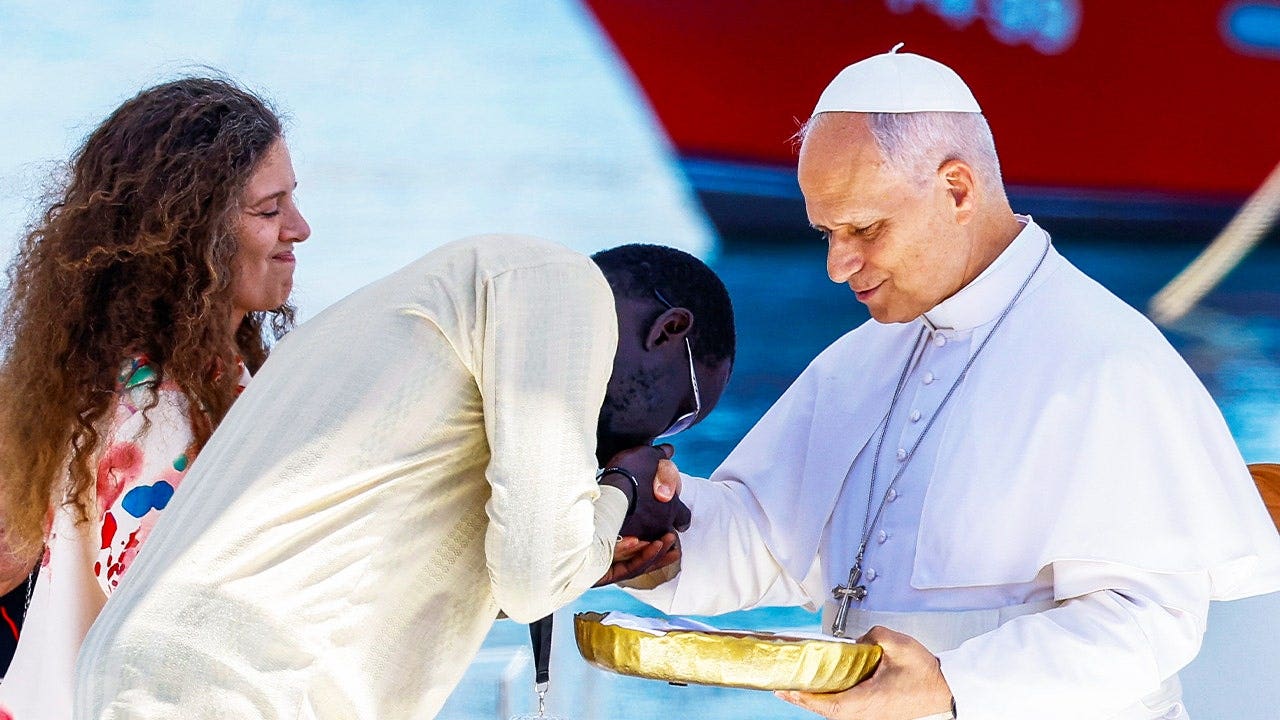
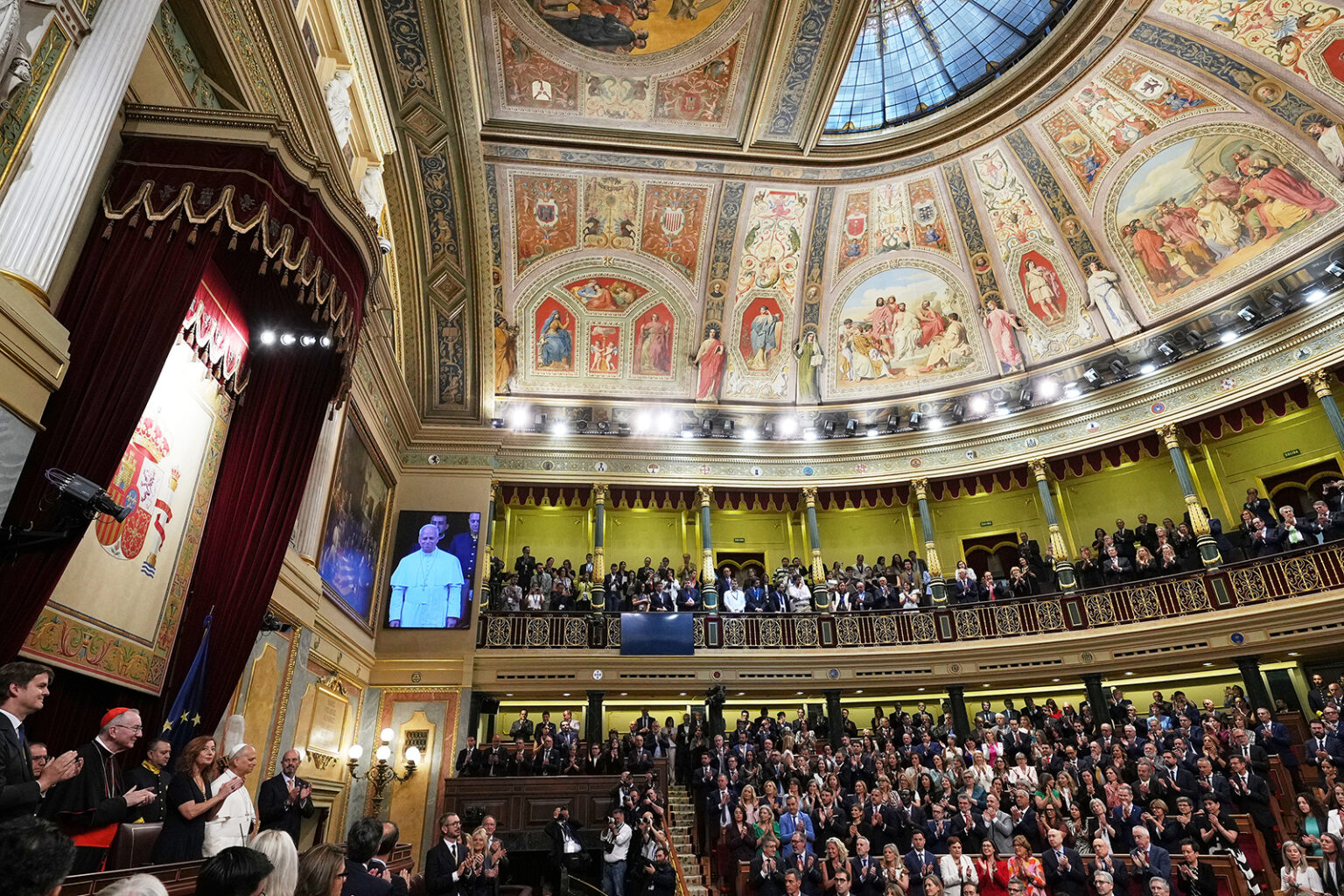
Pope Leo XIV's weeklong visit to Spain has exposed a critical intersection of migration policy, religious identity, and consumer behavior that directly impacts cross-border e-commerce sellers targeting European and Global South markets. The pontiff's explicit defense of migrants—addressing 1.2M people in Madrid and condemning traffickers in the Canary Islands—signals a major demographic and cultural realignment in Spain. Catholic identification collapsed from 68% (2015) to 52.8% (spring 2025), yet Generation Z shows surprising 45% Catholic identification, creating a bifurcated market opportunity. Simultaneously, Spain's regularization of 500,000 undocumented migrants and the Canary Islands' 47,000 migrant arrivals in 2024 indicate massive population inflows with distinct purchasing power and cultural needs.
For e-commerce sellers, this creates three immediate product opportunities: First, faith-based merchandise targeting Gen Z Catholics is experiencing counter-cultural revival. Young Catholics (ages 18-30) represent a growing niche willing to purchase religious apparel, jewelry, home décor, and digital content that reflects progressive Catholic values (social justice, migrant advocacy, environmental stewardship). This demographic shows higher engagement with brands aligned with papal messaging on human dignity. Second, humanitarian and integration-focused products targeting migrant communities and receiving communities are experiencing demand acceleration. The pope's emphasis on integration and community support signals institutional backing for products serving newly-arrived populations: language learning materials, cultural integration guides, affordable home goods, and community-building tools. Third, religious tourism and pilgrimage merchandise is expanding—the Madrid mass attendance (1M+) demonstrates pilgrimage capacity, creating demand for religious souvenirs, travel guides, and faith-based experiences marketed through e-commerce channels.
The political dimension amplifies seller opportunities. Spain's conservative People's Party (PP) is distancing itself from Vox's anti-migration stance, signaling mainstream political acceptance of migrant integration. This reduces regulatory risk for sellers targeting migrant communities and creates favorable conditions for brands positioning themselves as "inclusive" or "socially conscious." The Church's institutional shift toward Global South populations (where Christianity's center of gravity is moving) indicates long-term demand growth in African and Latin American markets—regions from which European migrants originate. Sellers with supply chains in West Africa or Latin America can leverage this papal messaging to build brand credibility in origin markets while simultaneously selling integration products in European destination markets. The Atlantic migration route's deadliness (1,214+ deaths in 2024) and the pope's humanitarian framing create emotional resonance for cause-driven commerce—sellers can position products as supporting migrant welfare organizations, creating premium pricing opportunities for ethically-sourced goods marketed with migration-support narratives.
Questions 8
How can sellers leverage the pope's anti-trafficking messaging for brand positioning?
The pope's explicit condemnation of human traffickers and emphasis on migrant dignity creates emotional resonance for cause-driven commerce. Sellers can position products as supporting migrant welfare organizations, anti-trafficking initiatives, or integration programs, enabling premium pricing (20-35% above standard rates) for ethically-sourced goods. This positioning is particularly effective for sellers with supply chains in West Africa or Latin America, where they can build credibility in origin markets while simultaneously selling integration products in European destination markets. Transparency about supply chain ethics and migrant worker treatment becomes a competitive advantage.
What is the market size for Gen Z Catholic merchandise in Europe?
While comprehensive market data is limited, Spain's Gen Z Catholic identification at 45% (compared to 52.8% overall) indicates a growing niche. The Madrid mass attendance of 1M+ demonstrates significant pilgrimage and faith engagement capacity. Industry benchmarks suggest faith-based merchandise generates $2-4B annually in Europe, with Gen Z representing the fastest-growing segment due to counter-cultural positioning. Sellers targeting this demographic should expect 15-25% annual growth rates, particularly for products emphasizing social justice, environmental stewardship, and inclusive theology aligned with papal messaging.