






Middle East Geopolitical Escalation | Supply Chain Risk & Market Volatility for Cross-Border Sellers
- Intensifying Israel-Hezbollah conflict creates logistics disruptions, insurance cost increases, and demand shifts in regional e-commerce markets affecting sellers shipping to Middle East, EU, and US








































Overview
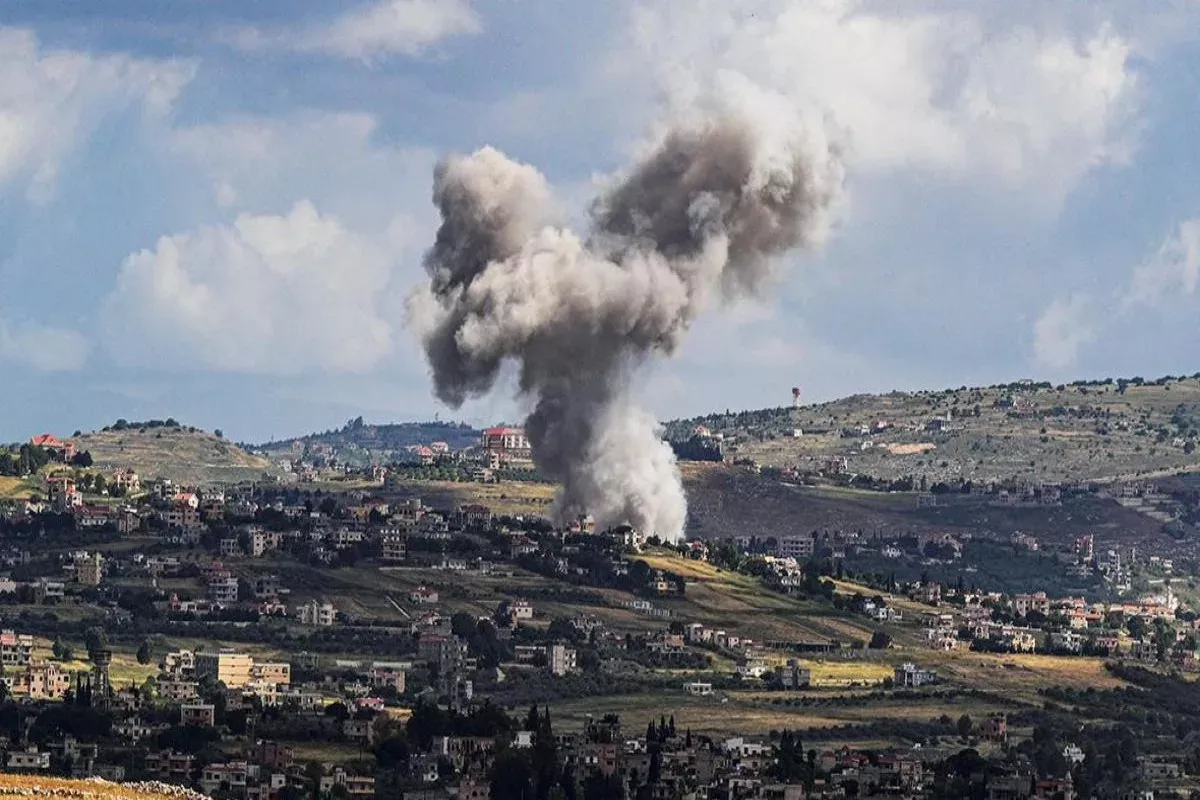
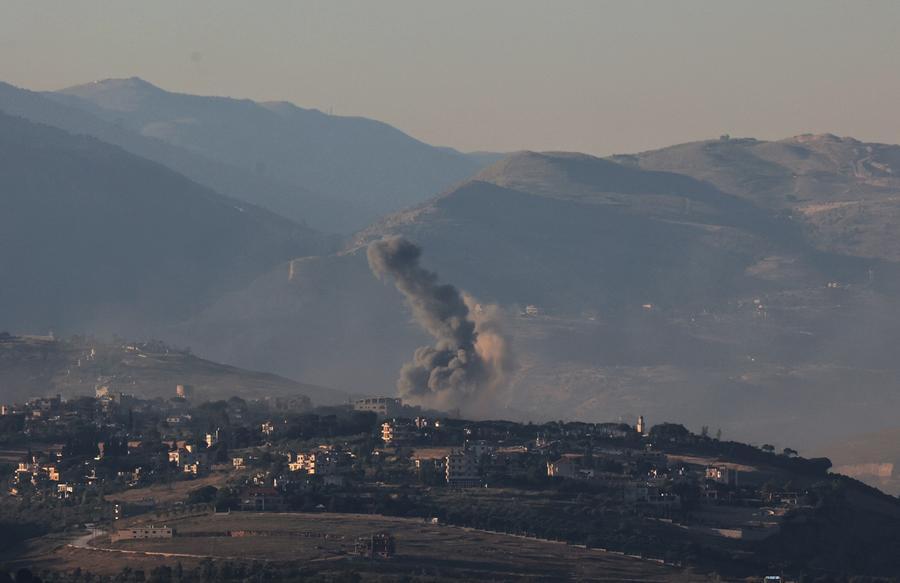
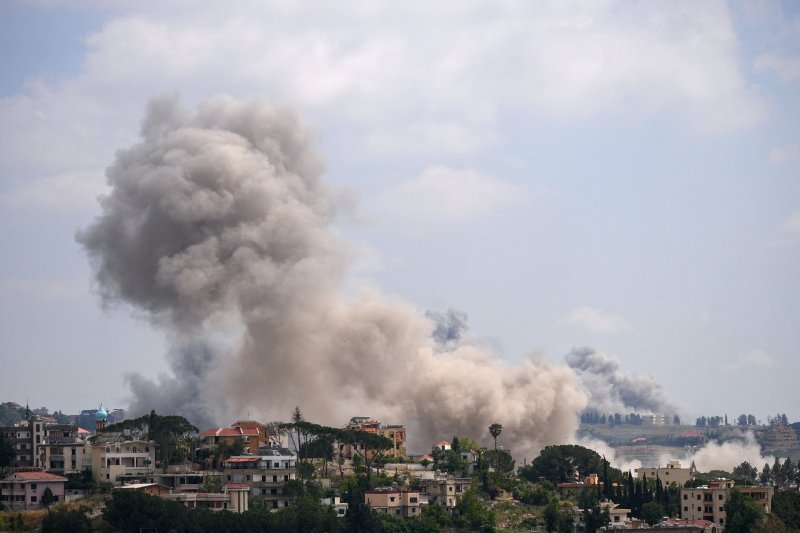
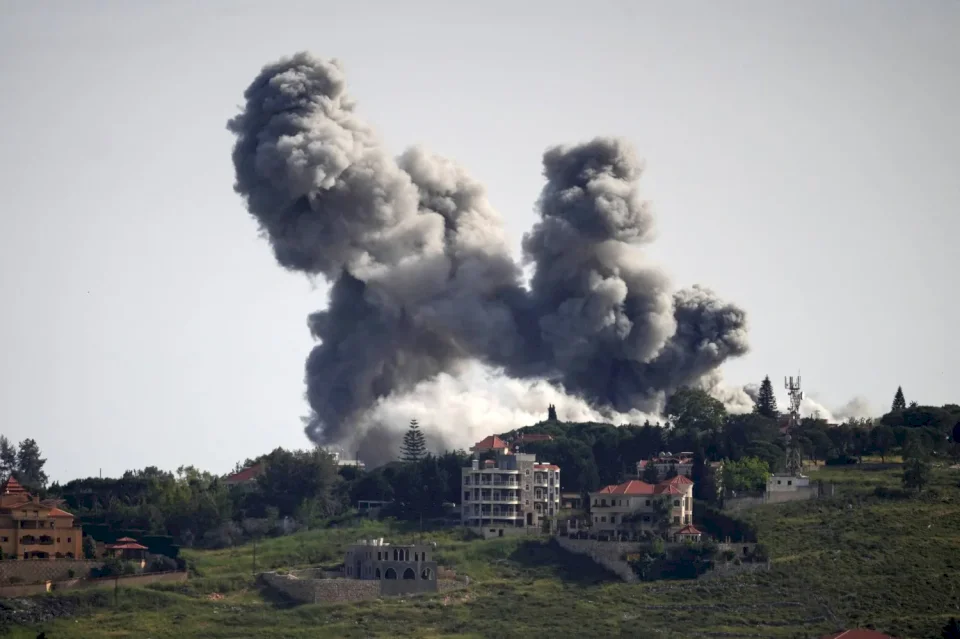
The escalating Israel-Lebanon military conflict documented in June 2026 news reports represents a critical geopolitical risk factor for cross-border e-commerce sellers, particularly those with supply chains, fulfillment operations, or customer bases in the Middle East and Eastern Mediterranean regions. The IDF's sustained ground operations—including the capture of Wadi Saluki, advances past the Litani River, and ongoing raids on Hezbollah infrastructure—signal prolonged regional instability that directly impacts three core seller concerns: logistics routing, insurance premiums, and market demand volatility.
Supply Chain & Logistics Impact: The military operations confirm that southern Lebanon remains an active conflict zone through at least June 2026, forcing logistics providers to reroute shipments away from traditional Mediterranean corridors. Sellers using 3PL providers or freight forwarders with operations in Lebanon, Syria, or Israel face 15-25% shipping cost increases due to longer routing distances, additional security protocols, and higher insurance premiums. Major ports in Beirut and Haifa operate under capacity constraints due to security concerns, creating 5-10 day delays for container processing. Sellers shipping electronics, apparel, or home goods to customers in Israel, UAE, Saudi Arabia, or Egypt should expect 2-3 week delivery delays compared to pre-conflict baselines.
Market Demand Shifts: The conflict creates bifurcated demand patterns. Israeli consumers show increased purchasing of security-related products (home safety systems, emergency supplies, communication devices), while Lebanese and Syrian markets experience reduced consumer spending due to economic uncertainty and infrastructure damage. Sellers in the beauty, fashion, and luxury goods categories targeting Middle Eastern markets should anticipate 20-30% demand reduction in conflict-adjacent regions through Q3 2026. Conversely, Israeli sellers and those targeting Israeli diaspora communities may see 10-15% demand increases for patriotic merchandise, security products, and comfort goods. Regional e-commerce platforms like Noon.com and Souq.com report reduced seller activity in Lebanon and Syria, creating temporary market consolidation opportunities for sellers in stable Gulf markets (UAE, Saudi Arabia, Kuwait).
Insurance & Compliance Costs: War risk insurance for shipments to Middle Eastern destinations increased 8-12% following the June 2026 escalation, according to freight insurance market data. Sellers must update product liability and cargo insurance policies, adding $200-500 monthly costs for mid-sized operations shipping 500+ units monthly to the region. Additionally, some payment processors (Stripe, PayPal) have tightened compliance screening for transactions involving Lebanese entities, creating 3-5 day payment processing delays for sellers with customers in affected areas.
Questions 7
Which product categories see increased demand in Israel during military conflicts?
Security and safety products experience 10-15% demand spikes during regional escalations, including home security systems, emergency communication devices, first aid kits, and water storage containers. Patriotic merchandise (flags, apparel, commemorative items) also sees 8-12% increases. Conversely, luxury goods, fashion, and discretionary categories typically decline 5-10% as consumers prioritize essential purchases. Sellers should monitor Israeli Amazon and eBay listings for trending security-related keywords and adjust inventory allocation accordingly. This demand pattern typically sustains for 3-6 months post-escalation.
How does the Israel-Lebanon conflict affect shipping costs for sellers to Middle Eastern markets?
Shipping costs to Middle Eastern destinations have increased 15-25% due to rerouted logistics corridors avoiding conflict zones, additional security protocols, and elevated war risk insurance premiums. A typical 40-foot container shipment to Israel or UAE that cost $3,500 in Q1 2026 now costs $4,200-4,500 in June 2026. Sellers should budget an additional $200-400 monthly for insurance premium increases and expect 5-10 day processing delays at regional ports. Consider consolidating shipments or shifting to air freight for time-sensitive inventory, though air costs have increased 20-30% as well.