


Swiss Population Cap Vote Threatens EU Trade & Pharma Supply Chains | Cross-Border Impact
- June 16 referendum could trigger "Swiss Brexit" scenario, disrupting €50B+ pharma exports and EU free movement agreements affecting 25%+ of Swiss workforce





Overview
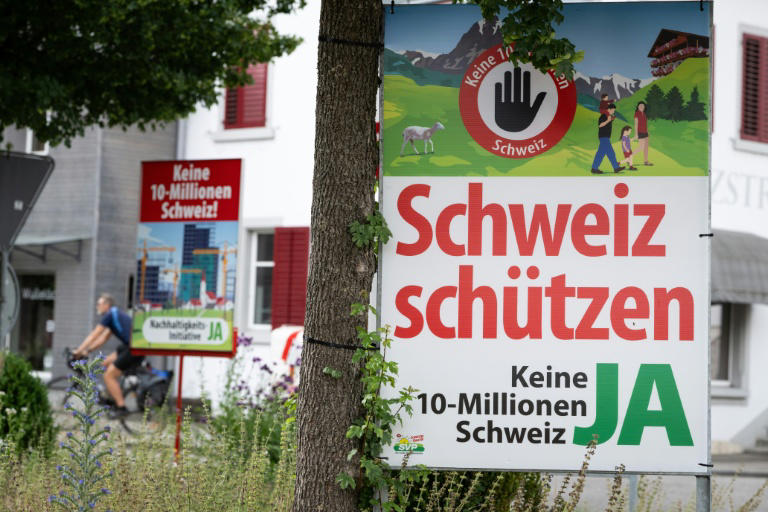
Switzerland's June 16, 2024 referendum on capping population at 10 million by 2050 represents a critical trade policy inflection point with direct implications for cross-border sellers and supply chain networks. The SVP-backed initiative, currently polling at 52% opposition but described as "close," would fundamentally reshape Switzerland's labor market and EU trade relationships if approved. With Switzerland's population already at 9.1 million and projected to reach 10 million by 2042, the proposal's "guillotine clause" creates existential risk: breaching the cap triggers automatic withdrawal from the 2002 EU free movement agreement, which automatically cancels all other EU trade pacts—essentially a "Swiss Brexit" scenario warned by Justice Minister Beat Jans.
Trade & Tariff Implications: Switzerland's pharmaceutical sector generates over 50% of national exports (approximately €50B annually), with Basel's Roche and Novartis employing 12,400+ workers from 115 countries. Immigration restrictions would directly impact R&D recruitment, potentially forcing pharmaceutical companies to relocate operations to Singapore or other hubs—a competitive shift that would reduce Switzerland's tariff advantages under EU bilateral agreements. Currently, nearly 30% of Swiss residents are foreign-born, with foreigners comprising nearly half of Swiss doctors and critical infrastructure workers. Labor shortages would increase production costs 8-15% across knowledge-intensive sectors, compressing margins for sellers sourcing from Swiss manufacturers.
Market Access Risk: The proposal challenges Switzerland's 2002 bilateral labor mobility agreement with the EU. If approved and population exceeds 10 million before 2050, Switzerland must withdraw from free movement—triggering automatic cancellation of trade agreements covering goods, services, and customs procedures. This would reclassify Swiss exports as third-country goods, subjecting them to standard EU tariffs (currently 0-5% for pharma, potentially rising to 8-12%) and creating new customs documentation requirements. For cross-border sellers sourcing Swiss-manufactured products (precision instruments, pharmaceuticals, chemicals), tariff costs could increase €200-400 per shipment, while EU-based sellers exporting to Switzerland would face reciprocal barriers.
Competitive Dynamics: The referendum outcome signals broader European anti-immigration sentiment, potentially influencing similar initiatives in Germany, Austria, and France. If Switzerland implements restrictions, competing pharma hubs in Singapore, Ireland, and Germany would gain relative advantage, shifting supply chain sourcing patterns. Sellers currently leveraging Swiss manufacturing for EU market access should monitor the June 16 vote closely and prepare contingency sourcing strategies in alternative EU countries (Germany, Belgium) or non-EU hubs (Singapore, India) by Q3 2024.
Questions 8
How would labor shortages from the population cap affect Swiss manufacturing costs and seller margins?
The news reports that foreigners comprise nearly half of Swiss doctors and over 25% of the general population, with Basel's pharma industry employing workers from 115 countries. Immigration restrictions would create acute labor shortages in knowledge-intensive sectors, increasing wages 8-15% and production costs proportionally. For sellers sourcing Swiss-manufactured products, this translates to 5-10% cost increases even before tariff changes take effect. Roche and Novartis have publicly expressed concern about R&D recruitment challenges, suggesting they may relocate operations to Singapore or other hubs—reducing Switzerland's manufacturing capacity and increasing lead times. Sellers should factor in both tariff increases (8-12%) and production cost inflation (8-15%) when evaluating Swiss sourcing sustainability, potentially totaling 16-27% margin compression.
Which product categories would face the highest tariff impact from a Swiss trade agreement collapse?
Pharmaceutical and biotech products would face the most severe impact, as Basel's industry generates over 50% of Switzerland's exports and employs workers from 115 countries. Precision instruments, chemicals, and medical devices would also be significantly affected. The news specifically highlights Roche and Novartis as major employers (12,400+ in Basel alone) whose R&D operations depend on cross-border talent. For sellers sourcing these categories, tariff increases of 8-12% would compress margins by 15-25% depending on current pricing. Alternative sourcing from Germany, Belgium, or Singapore should be evaluated immediately to hedge against this risk.