


Terafab Semiconductor Plant Signals Tech Supply Chain Consolidation | Seller Implications
- $55-119B Texas chip factory aims to vertically integrate semiconductor production for SpaceX, Tesla, and xAI; SpaceX IPO raises $75B, largest on record; impacts long-term device costs and AI infrastructure availability for e-commerce sellers
















Overview
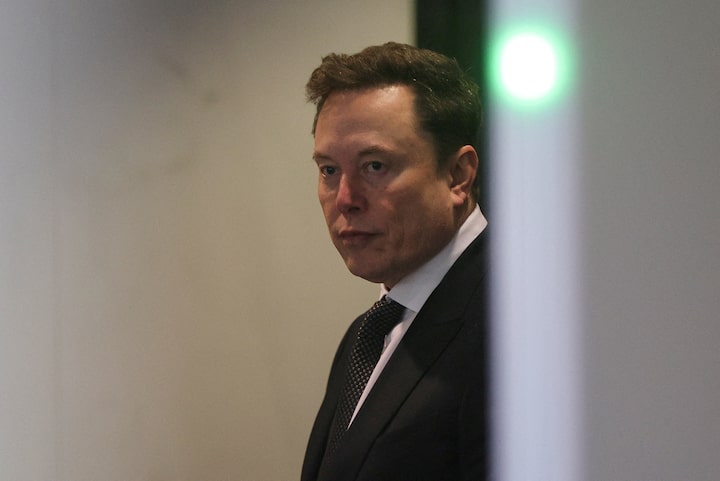
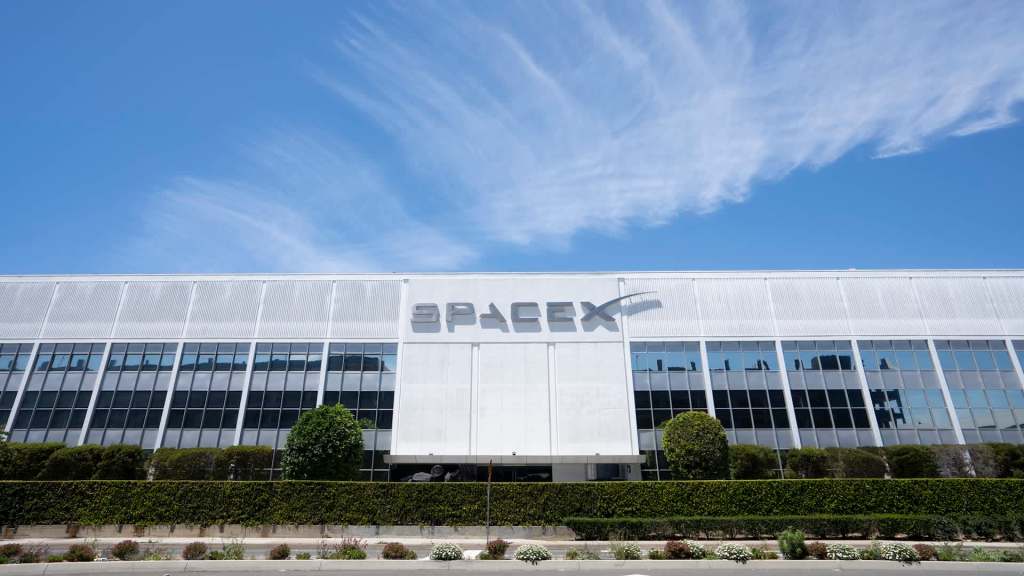
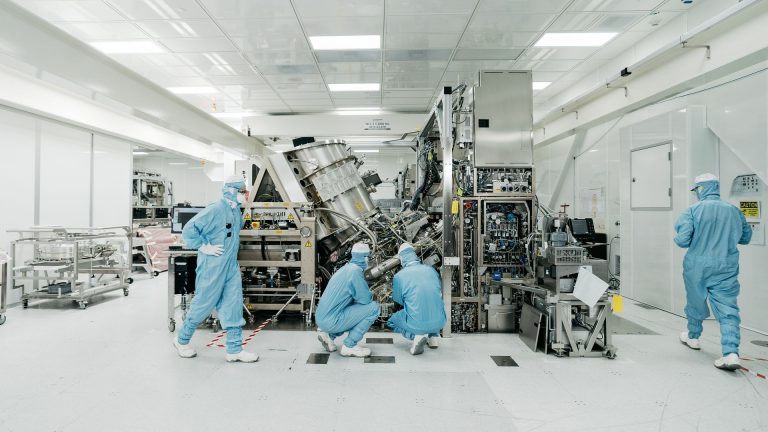
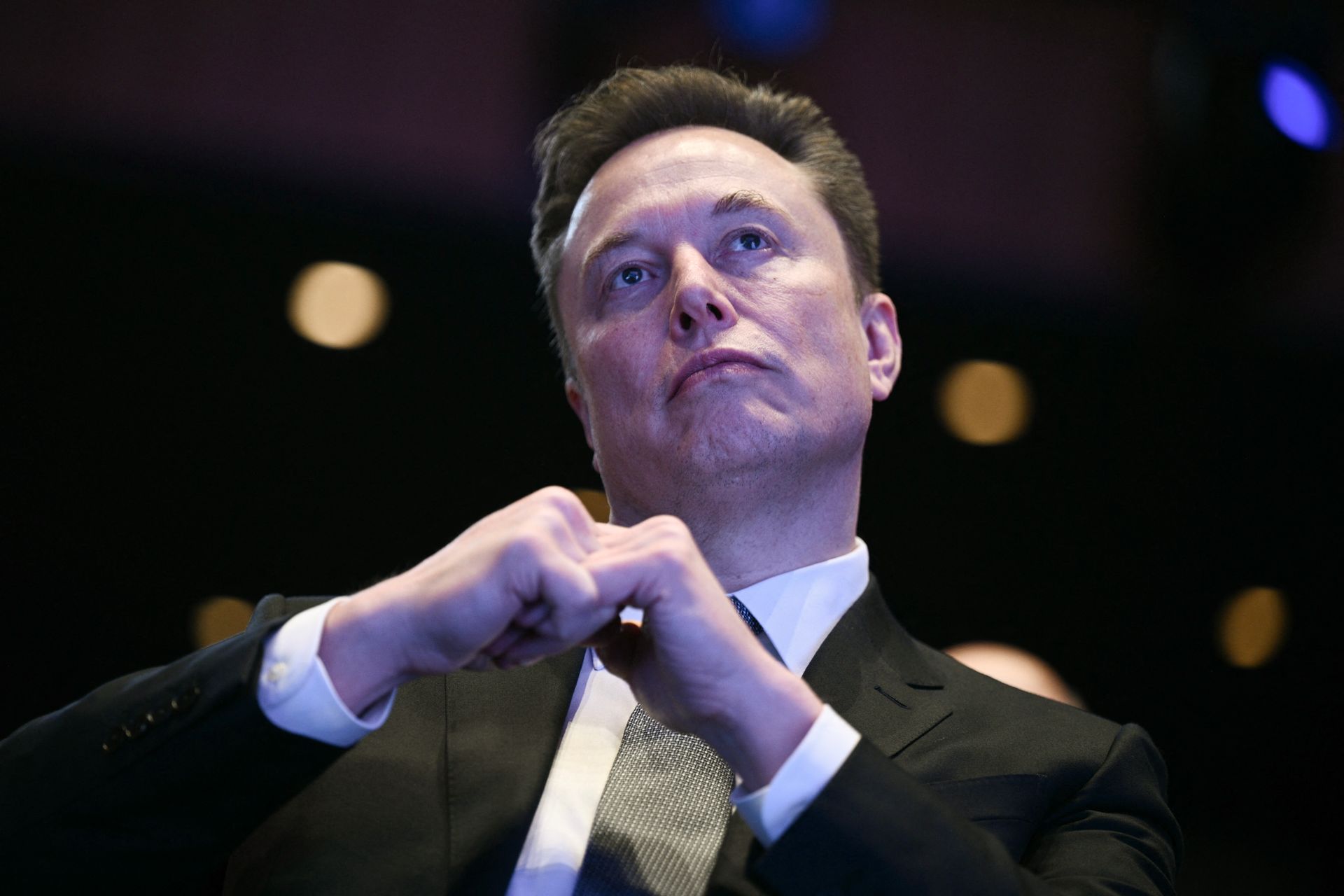
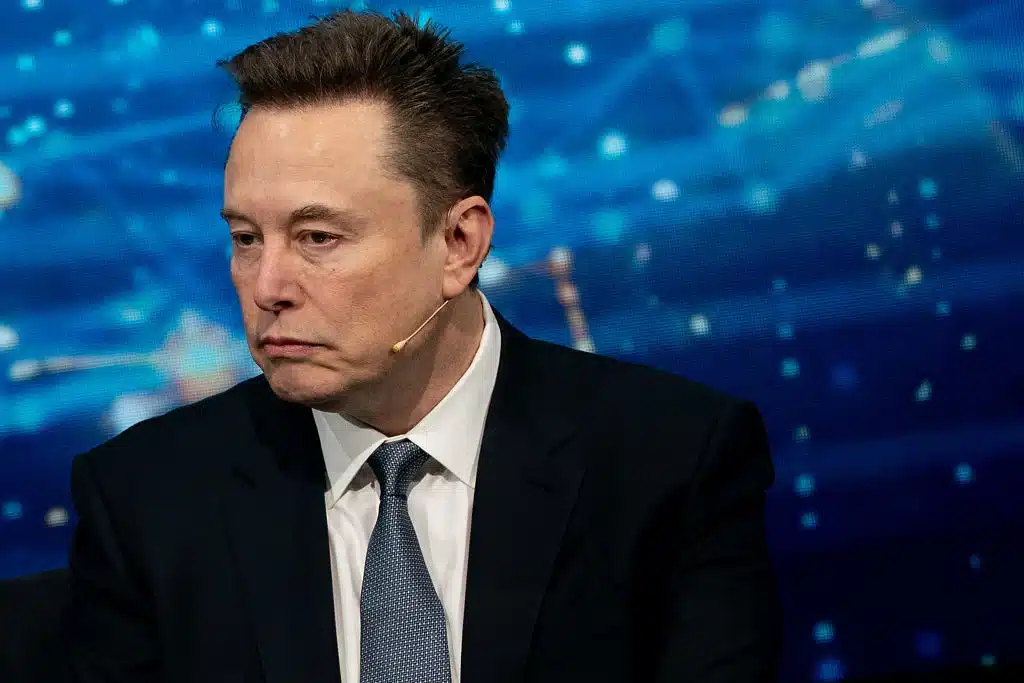
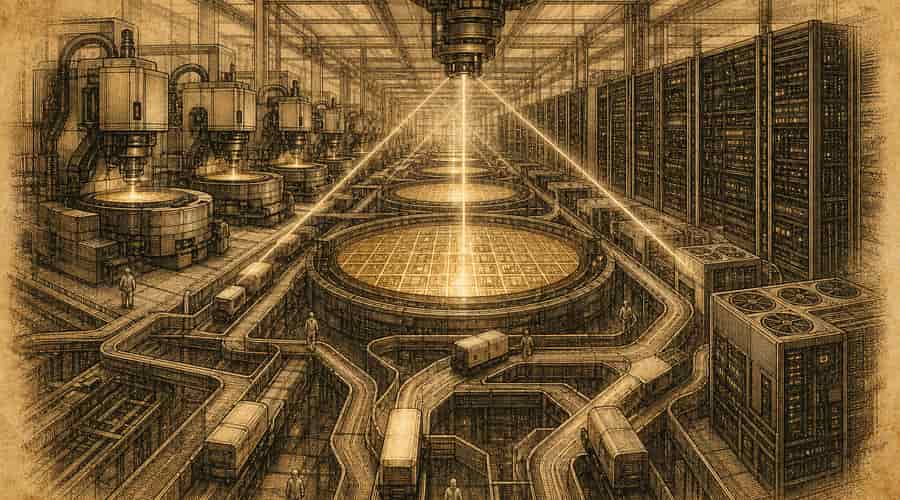
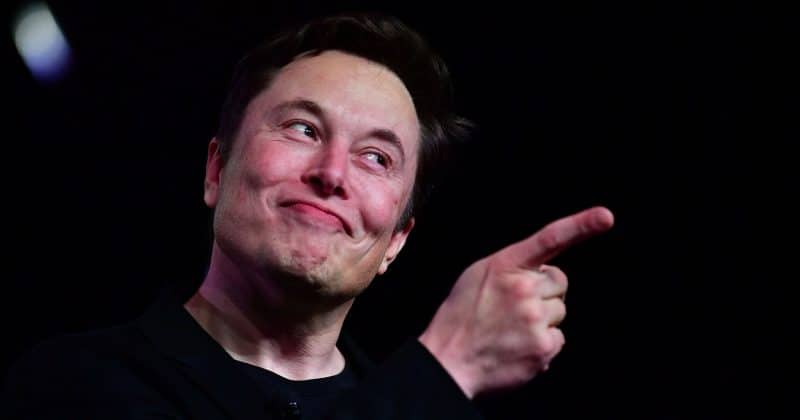
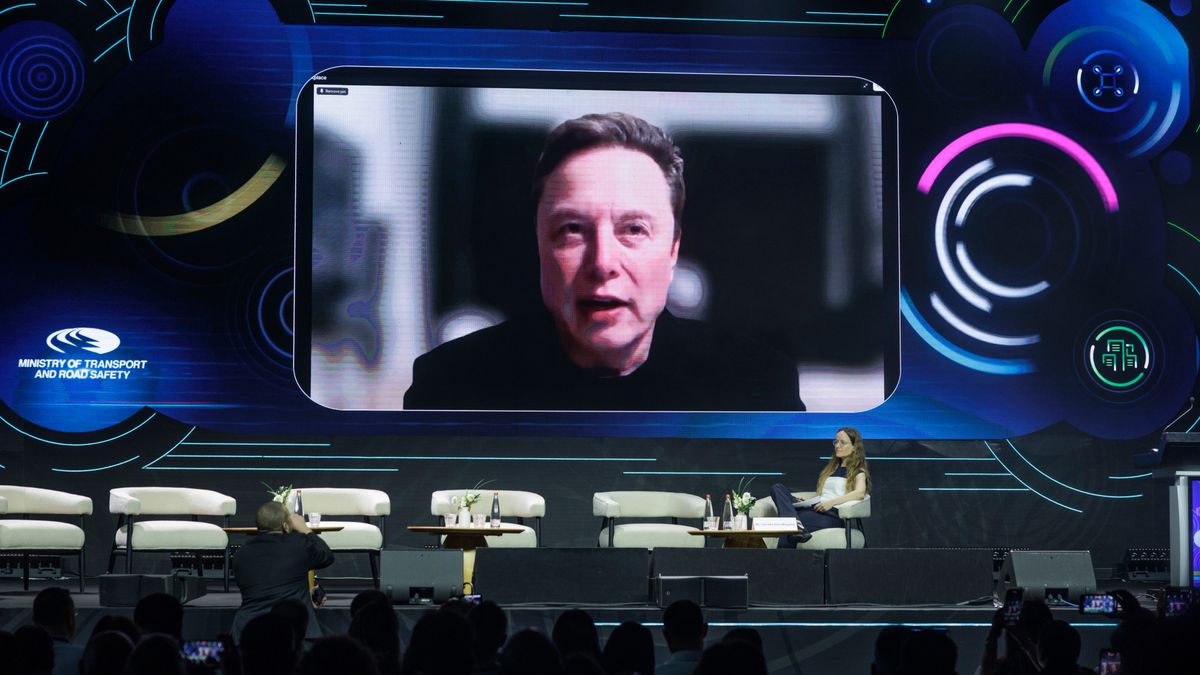
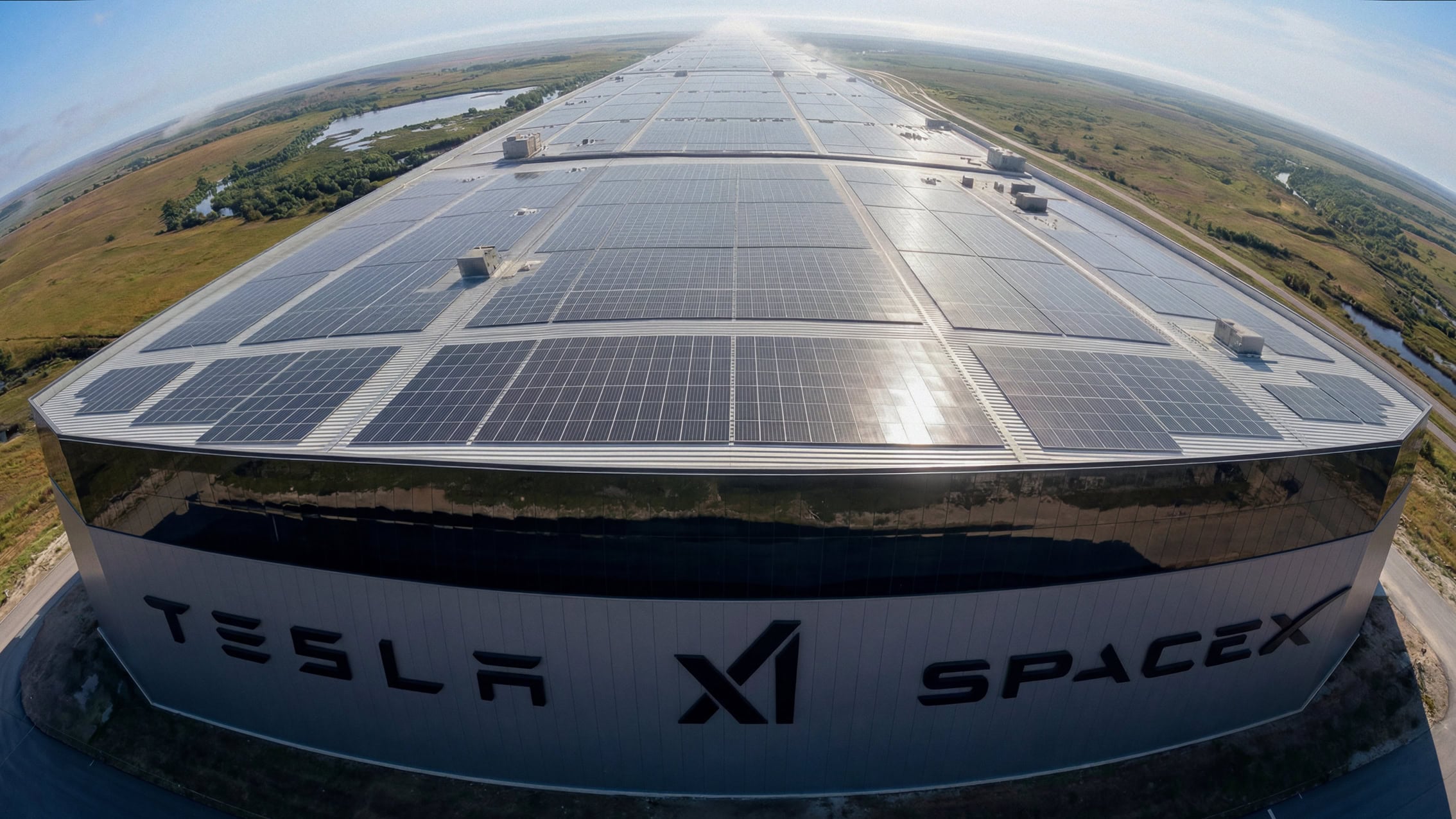
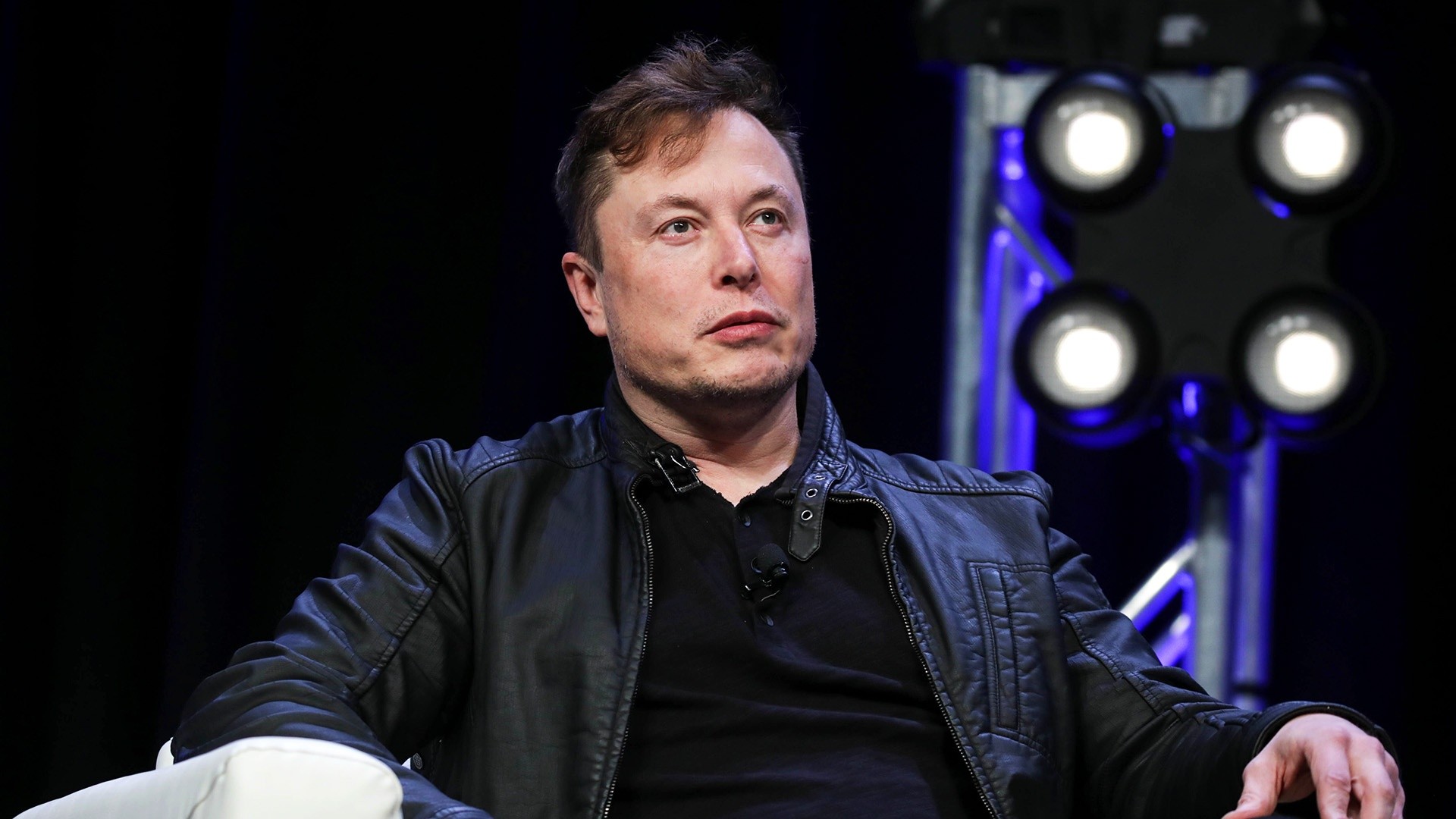
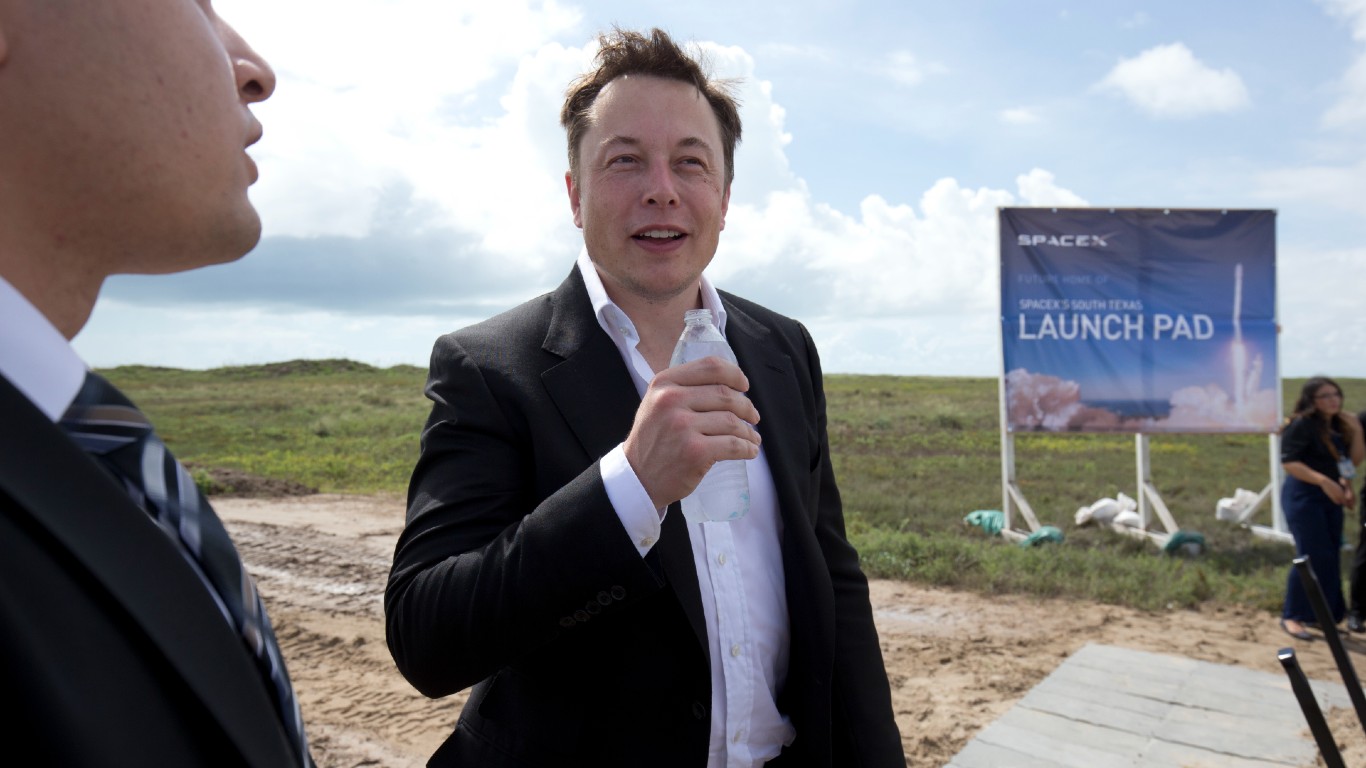
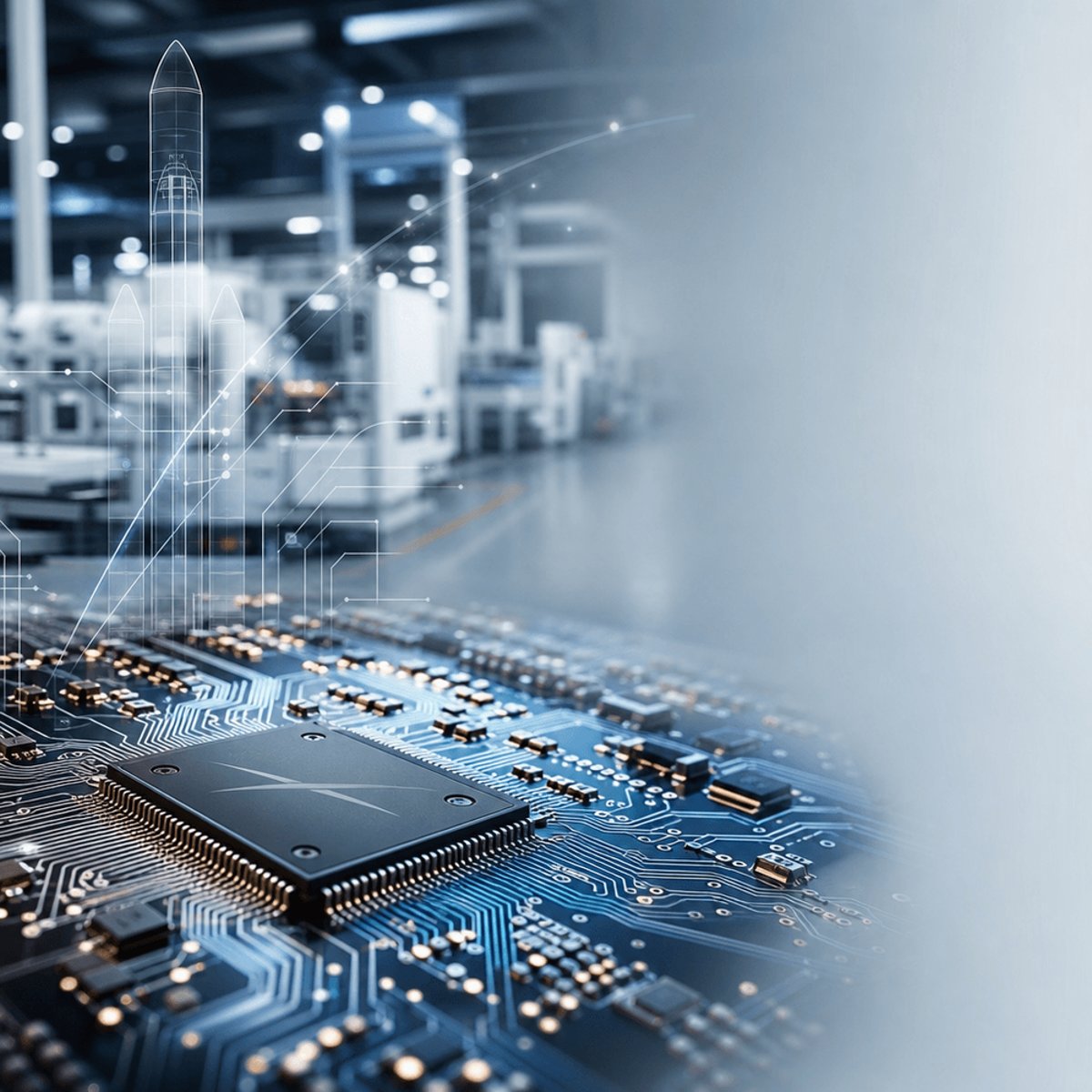
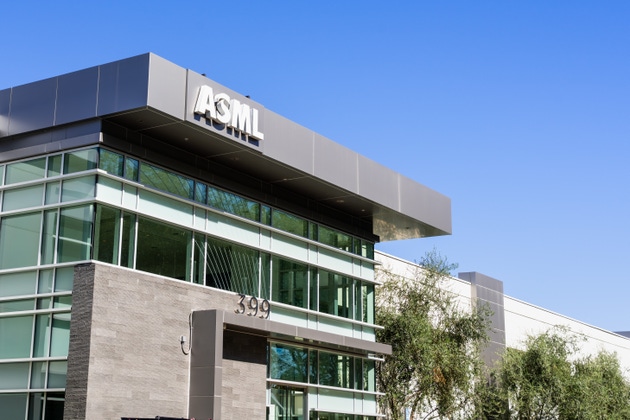
Elon Musk's Terafab project represents a strategic shift toward vertical integration in semiconductor manufacturing, with direct implications for e-commerce supply chains and technology infrastructure costs. Announced in March as a joint venture between SpaceX and Tesla, Terafab plans to establish an advanced chip fabrication facility near Gibbons Creek Reservoir in Grimes County, Texas, with initial construction costs estimated at $55 billion and total investment potentially reaching $119 billion across multiple phases. The facility will manufacture chips for SpaceX, Tesla, and xAI, with additional demand from SpaceX's expanding data center operations following agreements to supply computing power to Google and Anthropic. Musk's recent virtual address to ASML employees at the Dutch semiconductor equipment manufacturer's annual technology conference underscores the strategic importance of this initiative, as ASML holds a monopoly on extreme ultraviolet (EUV) lithography machines—critical equipment costing approximately $400 million each that are essential for advanced chip fabrication.
The consolidation of semiconductor manufacturing capacity signals a fundamental restructuring of the tech supply chain that will affect device pricing and AI infrastructure availability for e-commerce sellers. SpaceX's $75 billion IPO (the largest on record, with trading under ticker SPCX on Nasdaq) provides capital to accelerate Terafab's development, while the company secured a 100-year property tax abatement from Grimes County, agreeing to pay a $10 million lump sum upfront and $20 million annually over 35 years. This vertical integration strategy—where Musk's companies reduce dependency on external chip suppliers while establishing partnerships with industry leaders like Intel and ASML—mirrors broader trends in tech where companies seek to control critical components. For e-commerce sellers, this development carries multi-layered implications: (1) Device cost trajectory: As Terafab ramps production, chip costs may stabilize or decline for Tesla vehicles, SpaceX satellites, and AI infrastructure, potentially reducing downstream costs for sellers using these technologies; (2) AI infrastructure access: SpaceX's data center agreements with Google and Anthropic suggest increased competition for computing capacity, which could affect cloud costs and AI tool pricing for sellers; (3) Supply chain resilience: Domestic semiconductor manufacturing reduces geopolitical risks associated with Taiwan-dependent supply chains, benefiting sellers reliant on consistent device availability.
The internal controversy at ASML—where some employees expressed concerns about Musk's involvement in U.S. politics—highlights the geopolitical tensions surrounding semiconductor manufacturing and supply chain nationalism. Dutch newspaper Eindhovens Dagblad reported that ASML workers circulated internal messages expressing concern that hosting Musk conflicted with the company's stated values. ASML maintains a traditionally neutral corporate profile to preserve relationships across its complex global customer network of advanced chip manufacturers. This tension reflects broader concerns about semiconductor supply chain fragmentation, where Western companies (ASML, Intel, TSMC) face pressure to support domestic manufacturing initiatives while maintaining global relationships. For sellers, this geopolitical dimension matters because it signals potential supply chain bifurcation—where U.S.-based semiconductor manufacturing may prioritize domestic customers (SpaceX, Tesla, xAI) over international markets, potentially creating regional pricing disparities and availability constraints for sellers in non-U.S. markets.
Questions 8
How does the Grimes County tax abatement ($10M upfront, $20M annually) impact regional e-commerce logistics?
SpaceX's 100-year property tax abatement in Grimes County, Texas signals long-term commitment to the region and could attract additional tech manufacturing investments nearby. This regional concentration of semiconductor and space technology infrastructure may create logistics advantages for sellers shipping to/from Texas, including potential for specialized fulfillment networks serving tech companies. However, the news also reports 'significant local opposition regarding environmental concerns and resource strain,' which could lead to infrastructure bottlenecks (water, power, transportation) that affect regional logistics costs. Sellers with 3PL operations in Texas should monitor local infrastructure development and utility costs, as Terafab's massive power and water requirements could increase regional operating expenses by 5-15% over 3-5 years.
What are the geopolitical risks of Terafab for cross-border e-commerce sellers?
Terafab represents U.S. supply chain nationalism—reducing dependency on Taiwan's TSMC and creating domestic semiconductor capacity. This geopolitical shift could fragment global chip markets into U.S.-aligned and China-aligned supply chains, affecting cross-border sellers. The internal controversy at ASML (employees concerned about Musk's U.S. political involvement) reflects broader tensions about semiconductor supply chain control. For sellers, this means: (1) potential export restrictions on advanced chips to certain markets; (2) regional pricing disparities as U.S. manufacturers prioritize domestic customers; (3) increased compliance complexity for sellers shipping electronics to geopolitically sensitive regions. Sellers should diversify sourcing across multiple geographies and monitor U.S. export control regulations (EAR, OFAC) affecting semiconductor sales to ensure compliance with evolving restrictions.