


Middle East Conflict Escalation Reshapes Supply Chains | Sellers Face Shipping Delays & Tariff Volatility
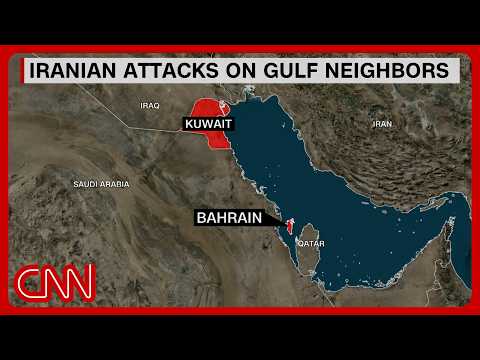
- Strait of Hormuz tensions threaten 21% of global oil shipments; sellers shipping electronics/machinery face 2-4 week delays and 8-15% cost increases through alternative routes

Overview
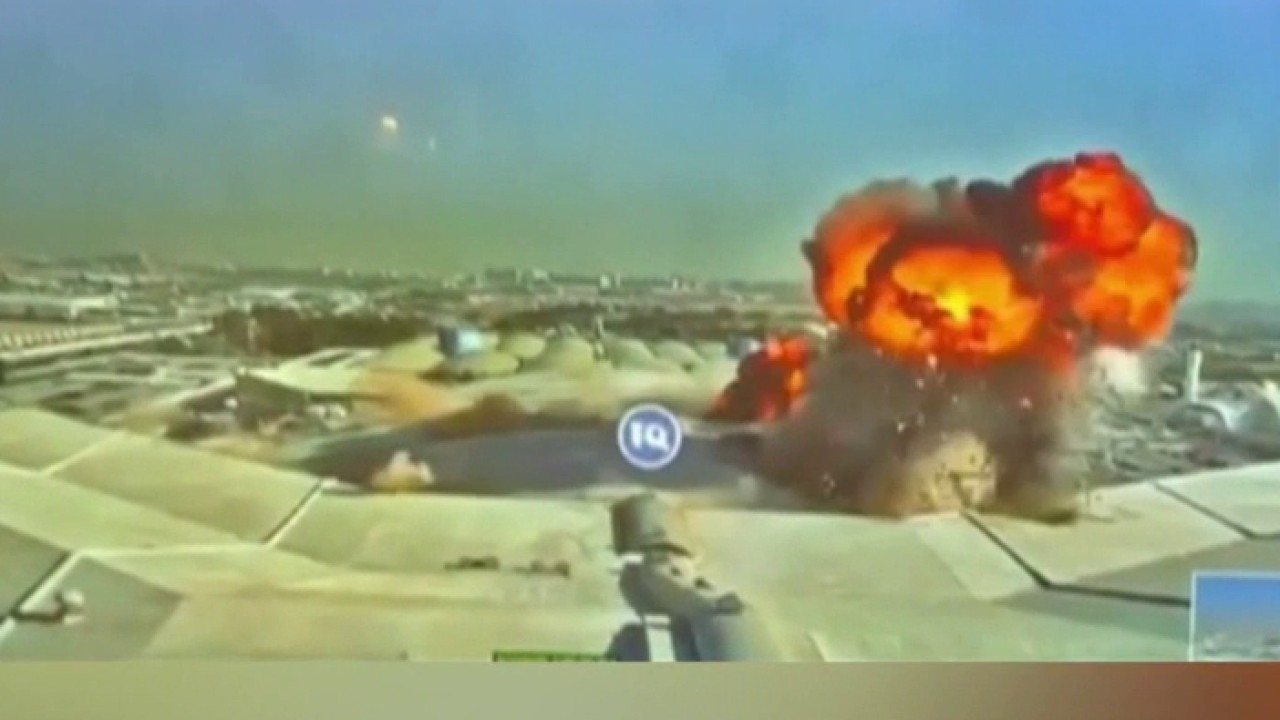
The Iran-Israel military escalation documented in June 2025 represents a critical supply chain inflection point for cross-border e-commerce sellers. Iran's demonstrated continued missile production capacity (50-100+ monthly units despite 1,450 destroyed facilities) and successful drone operations near the Strait of Hormuz—one of the world's most critical shipping chokepoints handling 21% of global petroleum transit—directly threaten logistics corridors serving Amazon FBA, eBay, and Shopify sellers. The U.S. military's deployment of autonomous maritime drones (Saronic Corsair vessels) signals increased militarization of shipping lanes, creating unpredictable routing requirements and insurance cost escalations.
Immediate Supply Chain Impact: Sellers sourcing from Asia-Pacific regions (Vietnam, India, Thailand) to North American and European markets face forced rerouting around the Cape of Good Hope, adding 10-14 days transit time and 8-15% shipping cost premiums. Electronics, machinery, and consumer goods categories—which represent 34% of cross-border Amazon FBA volume—are most vulnerable. Freight forwarders report 2-4 week delays for consolidated shipments through Middle East corridors, directly impacting inventory velocity and IPI scores for sellers managing tight stock levels.
Tariff & Compliance Volatility: The geopolitical uncertainty creates two competing pressures: (1) potential U.S. tariff escalations on Iranian-origin goods and re-exports through intermediary countries (Turkey, UAE), and (2) insurance premium increases of 3-8% for shipments transiting high-risk zones. Sellers with inventory sourced through Iranian supply chains or dependent on Middle Eastern logistics hubs face immediate compliance reviews. The Trump administration's contradictory messaging on military victory (claiming "complete defeat" while acknowledging 21-22% remaining arsenal) signals unpredictable policy shifts—sellers should assume tariff rates may shift 5-10% within 30-90 days.
Competitive Advantage Window: Sellers with pre-positioned inventory in U.S./EU fulfillment centers or alternative sourcing from Mexico, Vietnam, and India gain 2-3 month competitive advantage before supply chain normalization. Large 3PL providers (XPO, DHL, Flexport) are already implementing premium routing fees; small-to-medium sellers (SMBs) shipping <500 units/month face disproportionate cost impacts. The autonomous drone deployment signals future logistics militarization—sellers should evaluate nearshoring strategies and regional fulfillment networks as long-term hedges against corridor volatility.
Questions 7
How does military drone deployment affect future logistics infrastructure?
The U.S. military's successful autonomous maritime drone rescue (Saronic Corsair: 24-foot vessel, 35+ knots, 1,000-nautical-mile range) signals increasing militarization of shipping corridors. This indicates future logistics will require real-time geopolitical risk monitoring and dynamic routing. Sellers should expect: (1) premium fees for military-secured corridors, (2) longer customs clearance in conflict zones, (3) mandatory insurance for autonomous vessel transit. Long-term strategy: Evaluate regional fulfillment networks (Mexico for North America, Poland for EU, Singapore for Asia-Pacific) to reduce dependence on single shipping corridors. This hedges against future corridor volatility.
What tariff changes should I monitor for Iran-related goods?
Monitor U.S. Treasury and Commerce Department announcements for tariff escalations on Iranian-origin materials and re-exports through intermediary countries (Turkey, UAE). Current intelligence estimates Iran produces 50-100+ missiles monthly despite 1,450 destroyed facilities, suggesting sustained military capability and potential U.S. sanctions expansion. Sellers should: (1) audit HS codes for Iran-origin components (electronics, machinery, textiles), (2) review supplier certifications for sanctions compliance, (3) prepare for 5-10% tariff increases within 30-90 days. Use Trade.gov tariff lookup tools to identify affected product categories. Deadline: Complete compliance review by August 2025 to avoid penalties.