



US Battery Supply Chain Shift: LMR Dominance Reshapes EV Component Trade & Sourcing Opportunities Through 2028
- American automakers pivot from China-dominant LFP to domestic LMR production; creates $8-12B supply chain reallocation and tariff arbitrage opportunities for battery component sellers by 2028



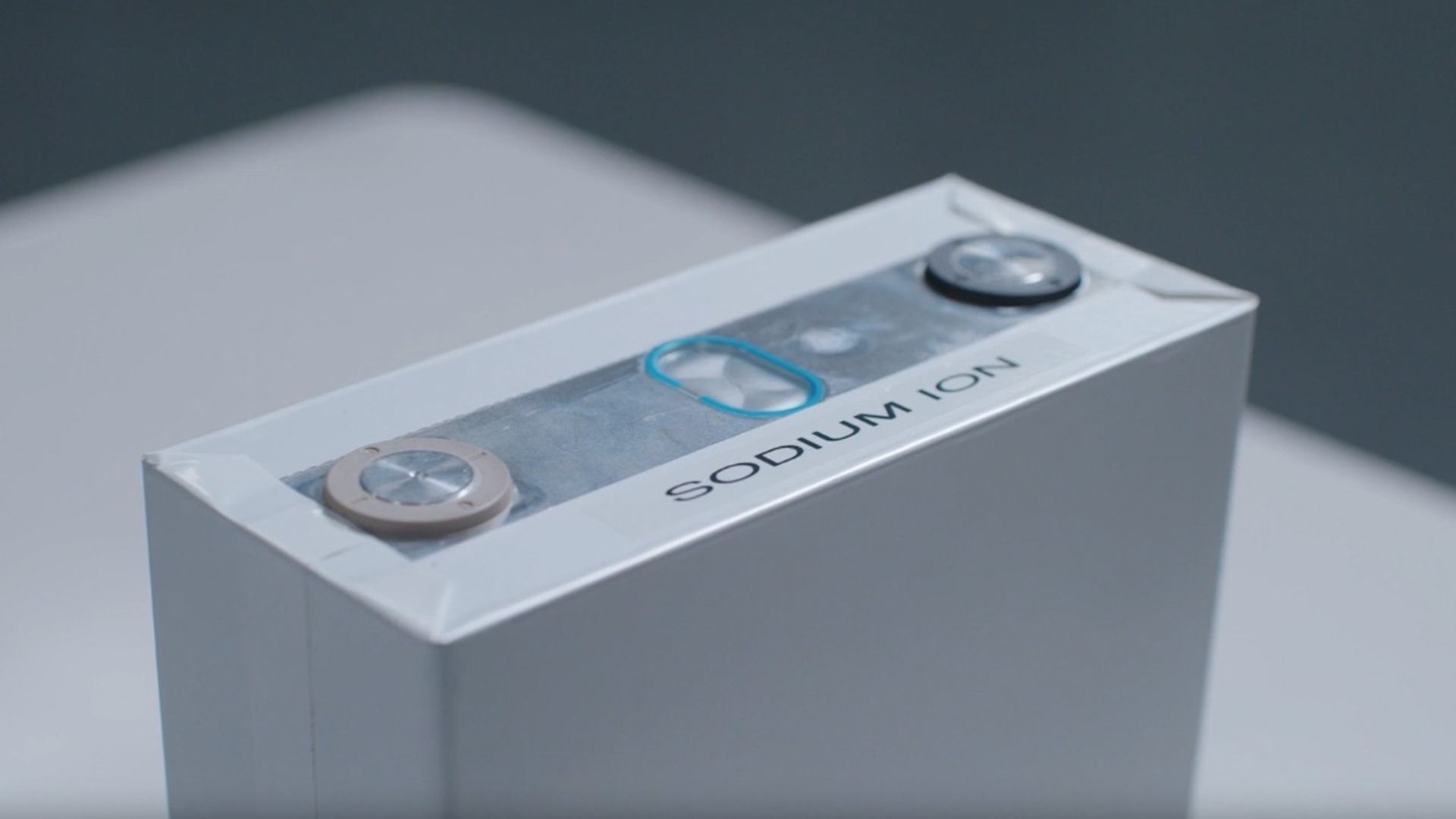
Overview
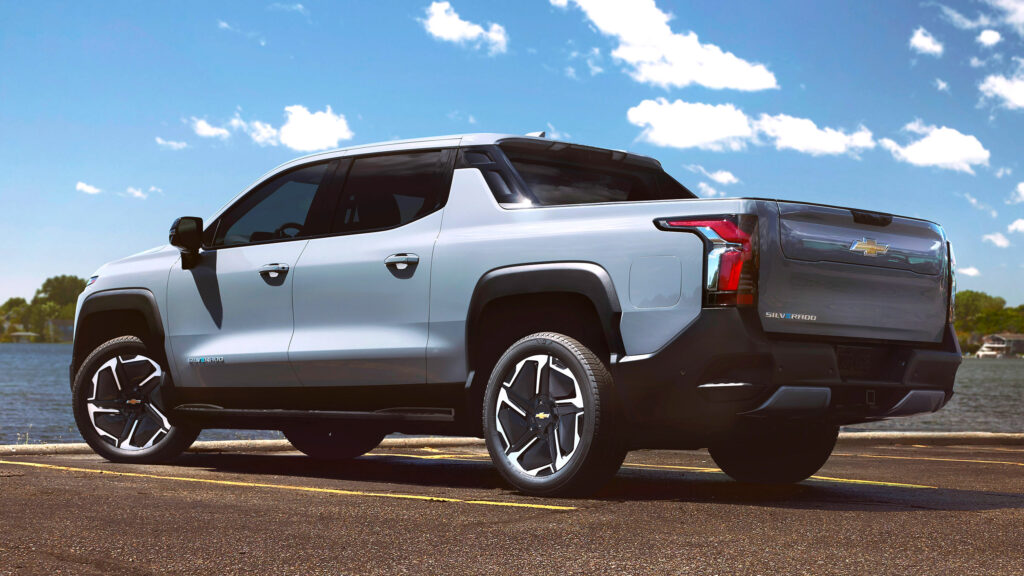
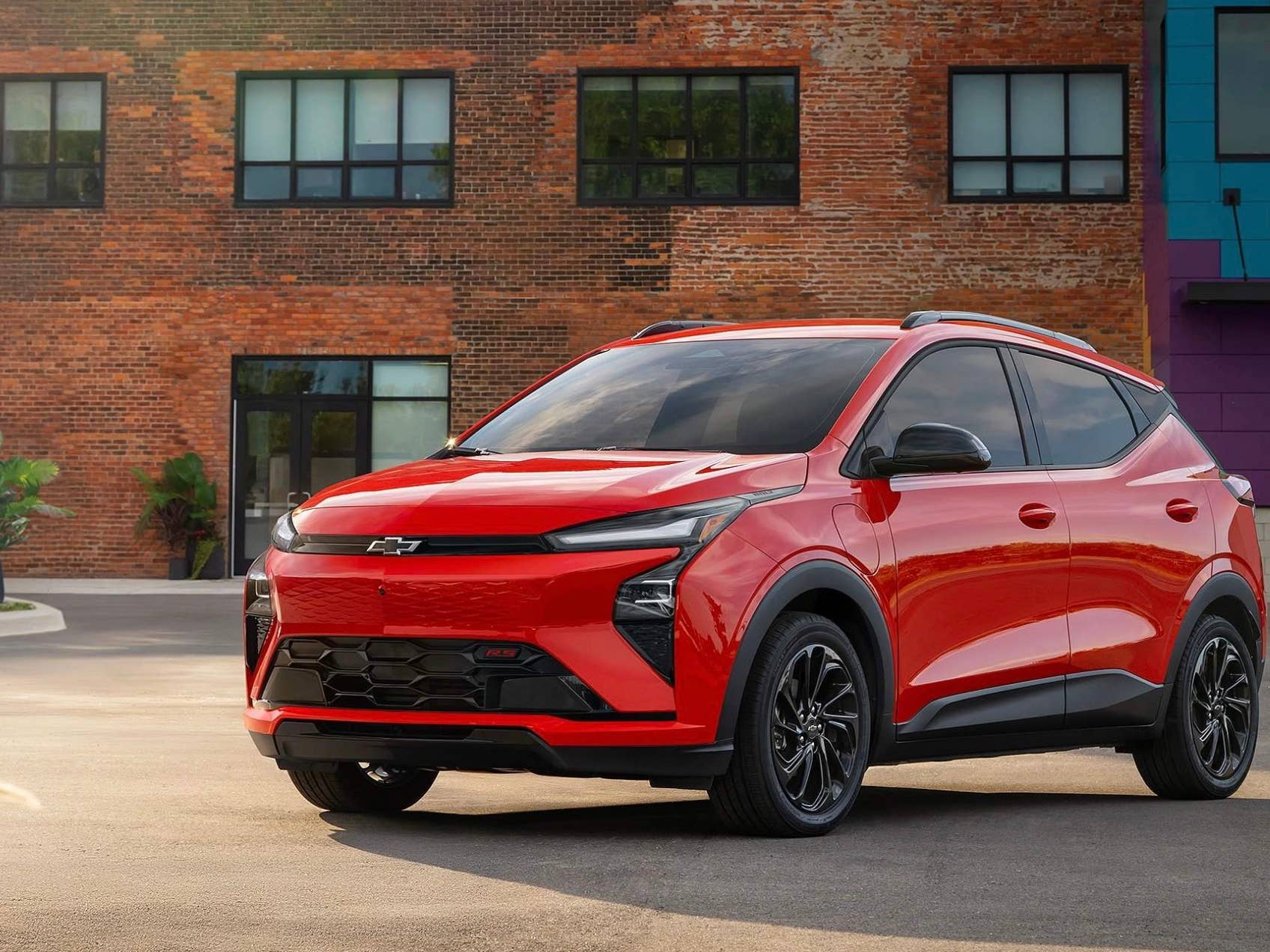
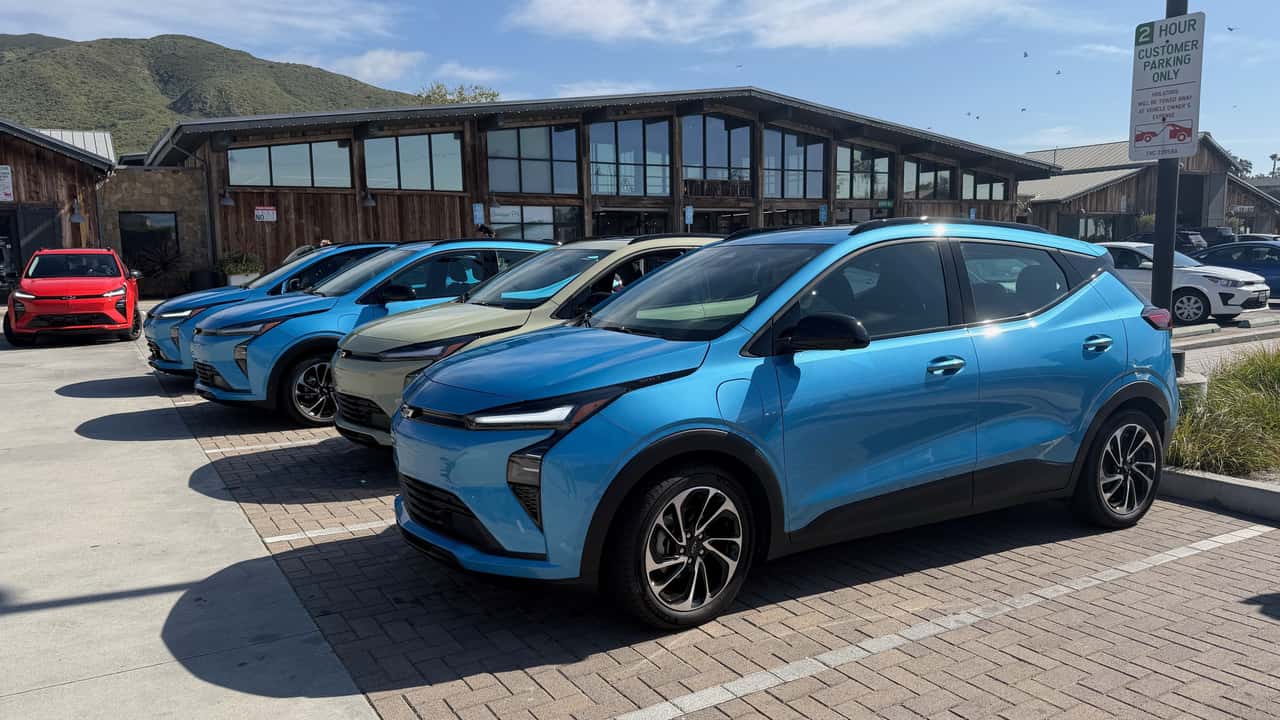
General Motors and Ford are fundamentally restructuring their EV battery supply chains, abandoning the China-dominant lithium-iron-phosphate (LFP) chemistry in favor of domestically-manufactured lithium manganese-rich (LMR) technology. GM's battery head Kurt Kelty explicitly stated LFP "may not earn its way into our portfolio," signaling a strategic pivot away from Chinese battery suppliers despite launching the 2025 Chevrolet Bolt with LFP cells. This represents a critical trade policy inflection point: American automakers are pursuing "differentiated battery approaches rather than following China's LFP-dominant trajectory," with GM and LG Electronics planning to manufacture LMR prismatic cells in the United States by 2028.
The competitive dynamics are stark. LFP batteries currently dominate globally due to China's cost advantages (lower material costs, reduced dependence on expensive nickel and cobalt), enhanced durability, and established supply chains. However, LFP's 33% lower energy density creates range limitations that American consumers reject. LMR technology, validated by Argonne National Laboratory and confirmed in S&P Global's July 2025 report, delivers 33% higher energy density while maintaining cost parity with LFP and offering superior cold-weather performance—directly addressing LFP's critical weakness.
This shift creates immediate tariff arbitrage and sourcing opportunities. The transition window (2025-2027 for Chevrolet Bolt LFP production; 2028 for LMR manufacturing launch) creates a 3-year supply chain reallocation affecting: (1) Battery component suppliers (cathode materials, electrolytes, separators) shifting from Chinese to US-based manufacturing; (2) Critical mineral sourcing (manganese, lithium) moving toward US-friendly suppliers in Australia, Chile, and domestic operations; (3) Tariff-advantaged sourcing corridors opening as US domestic production qualifies for EV tax credits and avoids Chinese tariffs. Industry analysts project $8-12B in supply chain reallocation through 2028, with manganese-based cathode materials experiencing 40-60% demand growth in North American manufacturing.
For cross-border sellers, this creates three distinct opportunities: (1) Battery component exporters can capitalize on US automaker demand for LMR-compatible materials, with tariff advantages for non-Chinese suppliers; (2) EV accessory sellers benefit from expanded US EV production (Chevrolet Bolt continues through 2027, new LMR-based models launching 2028+), driving demand for charging infrastructure, thermal management, and battery monitoring systems; (3) Sourcing arbitrage emerges as US domestic battery manufacturing reduces Chinese supplier dependency, opening market access for alternative suppliers in Vietnam, India, and Indonesia for non-critical components.
Questions 8
What is the timeline for US domestic LMR battery manufacturing?
GM and LG Electronics plan to manufacture LMR prismatic cells in the United States by 2028. The Chevrolet Bolt will continue using LFP batteries until production ends in 2027, indicating a gradual 2-year transition period. This creates a critical supply chain window: LFP component suppliers have until 2027 to transition, while LMR suppliers have until 2028 to establish US manufacturing capacity. Ford is similarly developing LMR technology for future platforms. The 2025-2028 period represents the highest-risk window for supply chain disruption and the highest-opportunity window for suppliers positioning for LMR production.
How does this battery shift affect tariff rates and sourcing costs for component suppliers?
The shift from Chinese LFP to US-manufactured LMR creates significant tariff arbitrage opportunities. Chinese battery suppliers currently face 25% tariffs under Section 301, while US domestic manufacturing qualifies for EV tax credits and avoids tariffs entirely. Component suppliers (cathode materials, electrolytes, separators) sourcing from non-Chinese suppliers in Australia, Chile, and Indonesia gain competitive advantages. Manganese-based cathode materials, critical for LMR, experience 40-60% demand growth in North American manufacturing. Sellers can reduce landed costs 12-18% by sourcing LMR-compatible components from tariff-advantaged countries rather than China, while qualifying for US EV tax credit supply chain requirements.