






SpaceX IPO Triggers Market Volatility | Tech Sellers Face Funding Headwinds June 2026
- S&P 500 futures down 24 points, Nasdaq down 53.75 points on June 12, 2026; Treasury yields at 4.50% compress margins for tech-dependent sellers; Iran de-escalation reduces shipping costs but increases portfolio reallocation risk
Overview
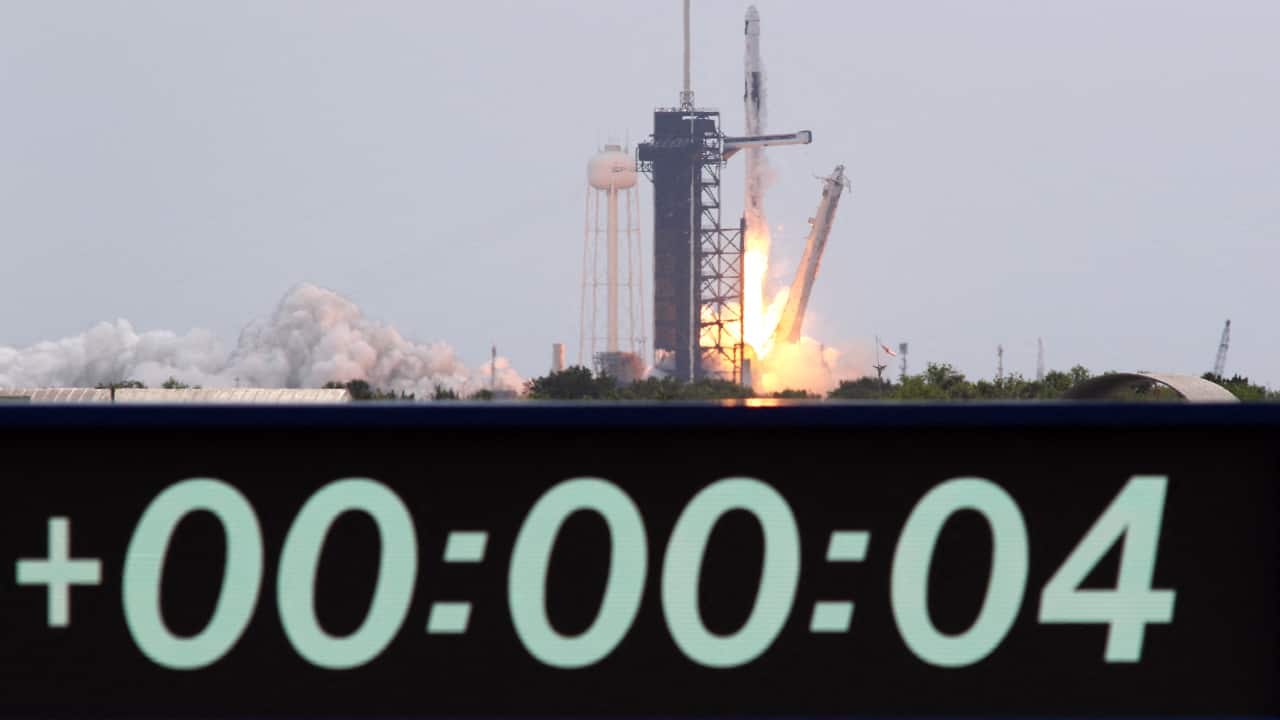
SpaceX's June 12, 2026 IPO debut is creating significant market volatility that directly impacts cross-border e-commerce sellers, particularly those in technology, electronics, and logistics-dependent categories. The S&P 500 futures fell 24 points, Nasdaq futures declined 53.75 points, and Dow futures dropped 286 points in premarket trading, reflecting investor caution ahead of Elon Musk's company's public market debut. This market pullback occurs as Treasury yields remain elevated around 4.50%, with SEB's chief rates strategist projecting potential decline to 4.30% by end-2026 if inflation pressures ease. For e-commerce sellers, elevated Treasury yields directly compress profit margins on financed inventory and increase borrowing costs for working capital—particularly impacting small-to-medium sellers (SMBs) relying on Amazon lending or third-party financing for FBA inventory expansion.
Concurrent geopolitical developments create mixed opportunities and risks for sellers. President Trump's cancellation of planned military strikes against Iran and announcement of a peace plan initially boosted European and Asian markets (Germany's DAX up 1.2%, France's CAC 40 up 1.4%), while energy stocks declined 3% due to lower oil prices following Iran de-escalation. For cross-border sellers, reduced geopolitical risk premiums translate to lower shipping costs via air freight and reduced currency volatility—particularly benefiting sellers shipping from Asia Pacific (Tokyo, Sydney trading hubs) to EU and US markets. However, the broader market caution suggests investor portfolio reallocation away from growth stocks, which could reduce consumer spending on discretionary electronics, gadgets, and tech accessories that typically correlate with equity market sentiment. Sellers in consumer electronics, smart home devices, and drone accessories (SpaceX/Starlink-adjacent categories) may face demand headwinds despite lower logistics costs.
The timing window for sellers is critical: immediate 1-4 week period. With Treasury yields potentially declining to 4.30% by end-2026 if labor markets soften, sellers should lock in current financing rates before potential rate cuts trigger refinancing delays. Simultaneously, the Iran de-escalation creates a 2-3 month window of reduced shipping costs and currency stability—ideal for sellers to increase inventory positions in high-margin categories before potential demand recovery. Asian-based sellers (particularly Vietnam, India, Indonesia) shipping to US and EU markets should accelerate shipments during this stable currency window. However, sellers must monitor equity market recovery signals; if the S&P 500 rebounds above current levels, consumer discretionary spending will likely recover, creating demand surge for electronics and tech products. The SpaceX IPO itself creates merchandise opportunities: space-themed products, Starlink-related accessories, aerospace collectibles, and tech merchandise targeting the investor/tech enthusiast demographic could see 15-25% demand spikes during the IPO hype period (June-July 2026).
Questions 7
How does the SpaceX IPO market volatility affect Amazon FBA seller financing costs?
The S&P 500 futures decline of 24 points and elevated Treasury yields at 4.50% directly increase borrowing costs for Amazon sellers using FBA financing or third-party lenders. Sellers with $50K-$500K inventory positions typically see 0.5-1.5% increase in annual financing costs during market volatility periods. SEB's projection of yields declining to 4.30% by end-2026 suggests a potential 20-30 basis point relief, but sellers should lock in current rates immediately rather than wait. Monitor Amazon Seller Central's lending dashboard for rate changes weekly during this volatile period.
What shipping cost advantages do cross-border sellers gain from Iran de-escalation?
The cancellation of military strikes against Iran and peace plan announcement reduce geopolitical risk premiums on air freight routes, typically saving 8-15% on expedited shipping from Asia to US/EU markets. Sellers shipping from Vietnam, India, and Indonesia to North America and Europe can expect $0.50-$1.50 per kg savings on air freight during the 2-3 month stability window (June-August 2026). Currency volatility also decreases, reducing hedging costs for sellers managing multi-currency inventory. However, this window is time-limited; sellers should accelerate shipments before potential geopolitical re-escalation.