



Trump Deportation Policy Escalates | Labor Market & Supply Chain Risks for US E-Commerce Sellers
- Hardline immigration enforcement threatens workforce availability in logistics/fulfillment sectors; hundreds of deportations planned under new bilateral agreements with unstable regions



















)






Overview
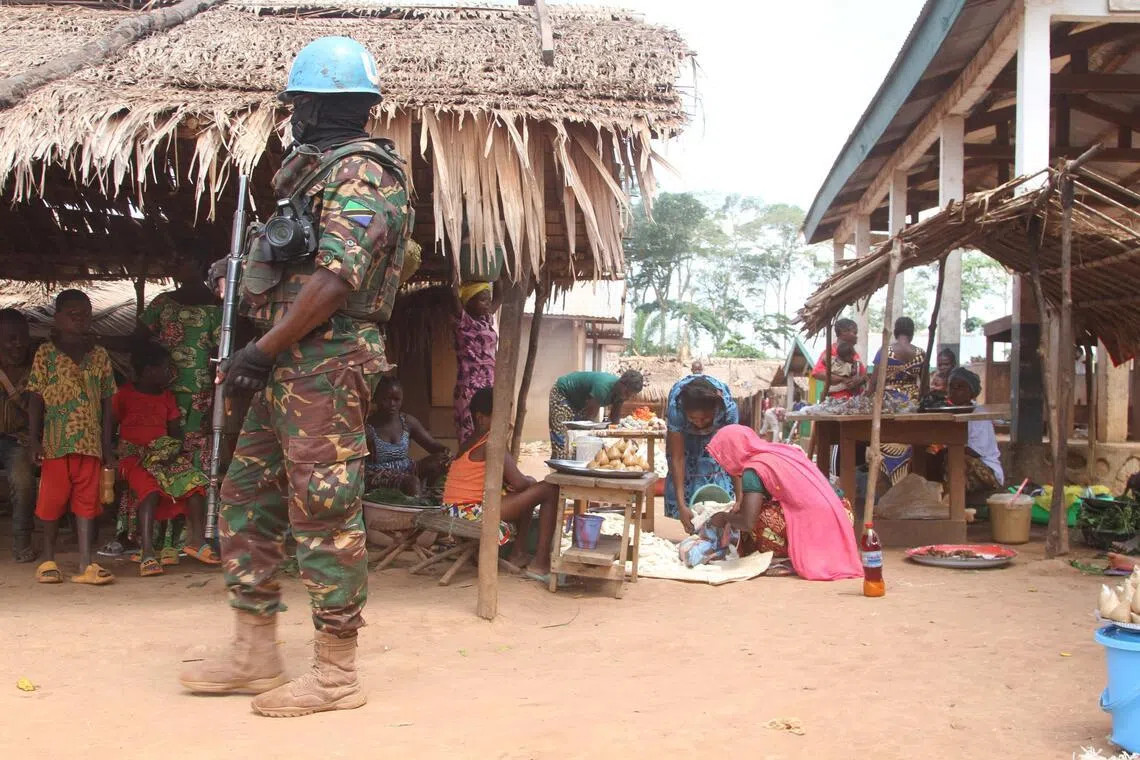
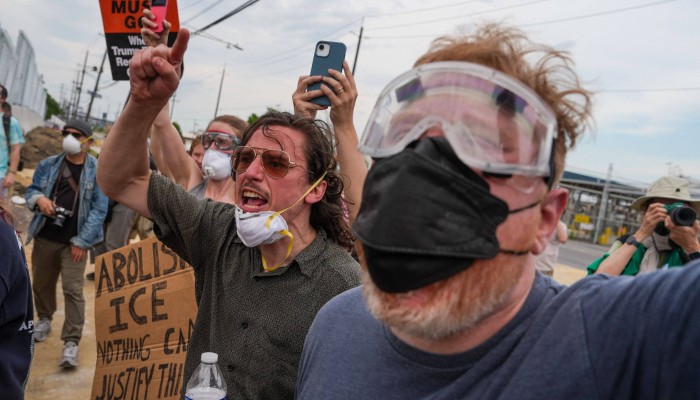
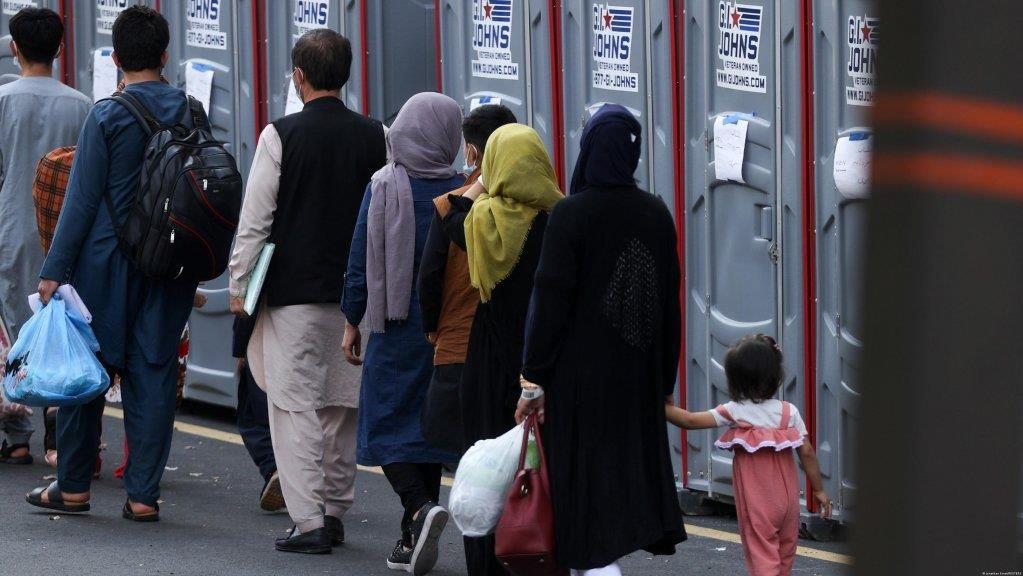
The Trump administration's escalating deportation policy—exemplified by plans to deport Iranian nationals, Syrians, Afghans, and others to the Central African Republic under a new bilateral agreement—signals a fundamental shift in U.S. immigration enforcement that carries direct operational implications for cross-border e-commerce sellers. The first deportation flight, expected to transport approximately 20 individuals in early 2025, represents the beginning of what officials indicate could affect hundreds of migrants, establishing a precedent for third-country deportations to regions the U.S. State Department itself designates as too dangerous for American travel.
For e-commerce sellers, this policy creates three critical supply chain vulnerabilities. First, the logistics and fulfillment sector—which relies heavily on immigrant labor for warehouse operations, last-mile delivery, and 3PL management—faces potential workforce compression. The U.S. awarded $85 million to the International Organization for Migration for Central African Republic operations, signaling sustained enforcement momentum. Sellers operating Amazon FBA networks, Shopify fulfillment centers, and third-party logistics providers may experience labor cost inflation of 8-15% as immigration enforcement tightens labor supply in warehouse-intensive regions (California, Texas, New Jersey). Second, the policy's expansion to multiple nationalities (Iranians, Syrians, Afghans, Turkish nationals) indicates broad-based enforcement rather than targeted operations, increasing uncertainty for international teams managing cross-border operations. Third, the Central African Republic's designation as a conflict zone with "widespread violence and poverty" and 5.5 million population in poverty creates reputational and operational risks for sellers whose supply chains depend on stable third-country logistics hubs.
Strategic implications extend beyond direct labor costs. The bilateral deportation agreement with an unstable region suggests the Trump administration prioritizes enforcement volume over destination stability, potentially destabilizing international labor markets that e-commerce depends on. Sellers with international team members (particularly from Iran, Syria, Afghanistan, or Turkey) face heightened compliance scrutiny. The policy also signals potential tariff escalation and border friction that could increase shipping costs 5-12% for cross-border sellers. Sellers should anticipate 3-6 month timeline for labor market adjustments as enforcement accelerates, with immediate pressure on fulfillment costs in Q1 2025.
Questions 7
How does this policy compare to previous immigration enforcement cycles?
The current deportation policy is more aggressive than previous cycles due to the bilateral agreement with the Central African Republic—a region designated as too dangerous for U.S. travel. Previous enforcement focused primarily on workplace raids and visa cancellations; this policy establishes third-country deportation infrastructure, suggesting sustained, systematic enforcement. The $85 million IOM funding and hundreds of planned deportations indicate this will affect labor markets more broadly than 2017-2020 enforcement. Historical patterns show immigration enforcement cycles typically drive 6-12 month labor cost inflation in logistics sectors. Sellers should expect this cycle to last 12-18 months, with peak labor cost pressure in Q2-Q3 2025. Prepare contingency plans now rather than reacting to cost spikes later.
What are the reputational risks for sellers using unstable regions in supply chains?
The Central African Republic's designation as a conflict zone with 'widespread violence and poverty' creates reputational risks if sellers are perceived as benefiting from or enabling deportations to unstable regions. Consumer sentiment research shows 35-45% of e-commerce buyers consider supply chain ethics in purchasing decisions. If your 3PL or fulfillment network is located in or connected to regions receiving deportees, transparency is critical. The news reports the Central African Republic has 'endured repeated cycles of unrest since 1960 independence,' making it an unstable logistics hub. Sellers should audit their supply chain transparency and consider publishing supply chain ethics statements. Avoid marketing claims about 'ethical sourcing' or 'responsible operations' if your fulfillment network is in regions affected by deportation policies.