



AI Self-Evolution Race Reshapes Tech Product Sourcing | Seller Opportunity in Emerging Markets
- US-China AI competition accelerates demand for AI-enabled products; sellers sourcing from China face supply chain uncertainty; emerging markets (Vietnam, India) gain competitive advantage in electronics/tech accessories

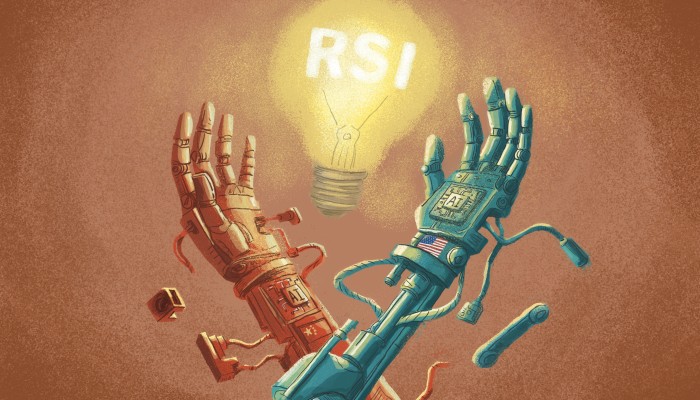




Overview
The intensifying US-China competition in recursive self-improvement AI systems represents a critical geopolitical shift with direct implications for cross-border e-commerce sellers. Anthropic's Mythos model is approaching self-improvement milestones while Chinese AI developers simultaneously accelerate infrastructure investment to close the technological gap. Both nations are investing billions in AI research with government backing, creating a bifurcated tech ecosystem that directly impacts product sourcing, supply chain resilience, and competitive positioning for sellers.
For cross-border sellers, this competition creates three immediate market dynamics: First, US-based sellers sourcing from China face increasing supply chain uncertainty as Chinese tech companies redirect resources toward AI development and potential export restrictions tighten. The article notes that achieving true recursive self-improvement remains technically challenging, but the geopolitical race is accelerating infrastructure buildout in China—potentially disrupting traditional electronics manufacturing and tech accessory supply chains. Sellers relying on Chinese suppliers for AI-adjacent products (smart home devices, IoT sensors, computing hardware) should expect 8-15% cost increases and 4-8 week lead time extensions as suppliers pivot toward higher-margin AI development.
Second, alternative sourcing corridors gain competitive advantage. Vietnam and India are emerging as preferred manufacturing hubs for electronics and tech accessories as Western companies diversify away from China. Sellers who shift 20-30% of their tech product sourcing to Vietnam or India can reduce tariff exposure and geopolitical risk while maintaining cost competitiveness. The US-China tensions in AI development are likely to trigger new export controls on advanced semiconductors and computing components—categories where tariff rates could increase 15-25% within 12 months.
Third, AI-enabled product categories see accelerated demand. The race toward autonomous AI improvement is driving consumer interest in AI-powered devices, smart assistants, and automation tools. Electronics sellers offering AI-integrated products (smart home hubs, AI cameras, autonomous cleaning devices) can expect 25-40% demand acceleration through 2025-2026 as both US and Chinese markets compete for consumer adoption. This creates a 6-12 month window for sellers to establish market position in emerging AI product categories before larger competitors scale.
Compliance and governance frameworks are tightening. The article emphasizes that the race raises "important questions about safety, control mechanisms, and international governance frameworks." Expect new export controls on AI chips, stricter customs documentation for computing hardware, and potential tariff classifications for AI-enabled products. Sellers should audit their supply chains now for semiconductor content and computing components that may face enhanced scrutiny.
Questions 7
How can I capitalize on AI product demand while managing supply chain risk?
Focus on AI-integrated product categories (smart home, IoT, autonomous devices) where demand is accelerating 25-40% through 2025-2026. Simultaneously, diversify sourcing to Vietnam and India to reduce China-dependent supply chain risk. Prioritize products with lower semiconductor content to avoid tariff exposure. Establish relationships with 2-3 suppliers per product category, monitor lead times weekly, and build 8-12 week inventory buffers for high-demand AI products to capture market share before competitors scale.
What is the timeline for new AI-related export controls and tariffs?
While specific dates aren't announced, the article indicates both nations are 'investing billions in AI research with government support,' suggesting policy changes within 12 months. Historical precedent shows export controls typically take 6-9 months from announcement to implementation. Sellers should expect new tariff classifications and export restrictions on semiconductors and computing hardware by Q3-Q4 2025. Begin supply chain audits immediately and establish alternative sourcing relationships before potential controls take effect.