

Strait of Hormuz Closure Disrupts 20% Global Energy Supply | Critical Supply Chain Risk for Cross-Border Sellers
- Iran closes strategic waterway amid US-Israeli military campaign; 1/5 of global oil passes through corridor; shipping costs surge 15-40% for sellers routing through Middle East



















Overview
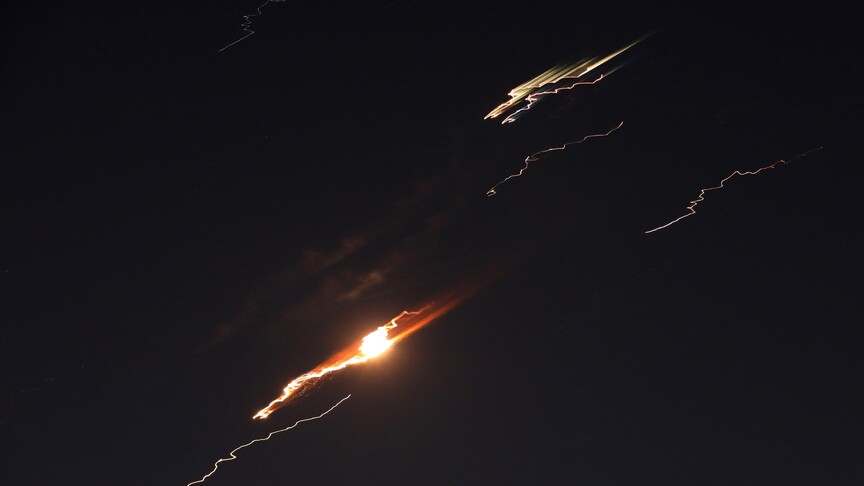
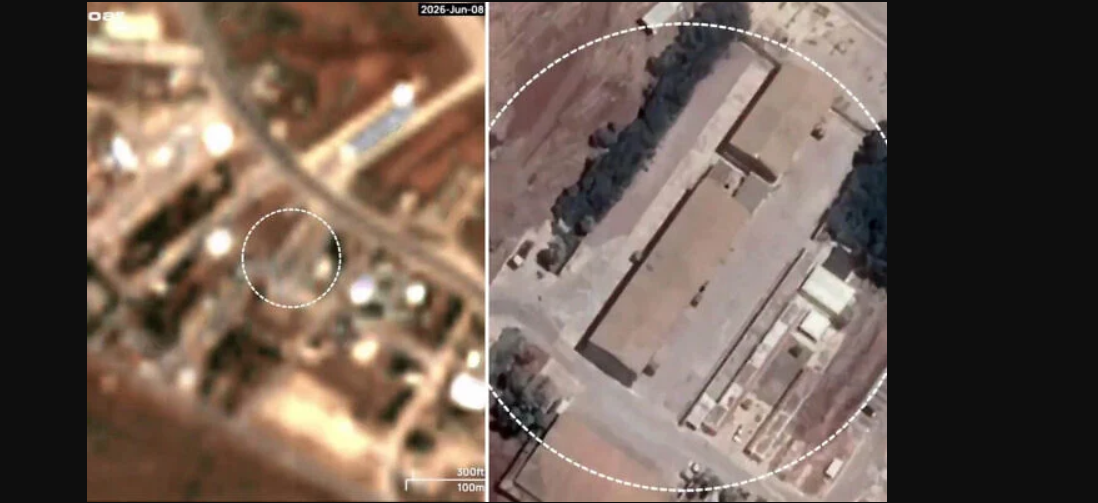
The escalating U.S.-Israeli military campaign against Iran beginning in late February 2026 has created a critical supply chain disruption affecting cross-border e-commerce sellers globally. Iran's closure of the Strait of Hormuz—through which one-fifth of global energy supplies transit—represents an unprecedented logistics crisis. The news reports that Iran declared "any moving vessel would be attacked," forcing shipping companies to reroute cargo through longer, costlier alternatives around Africa's Cape of Good Hope, adding 10-14 days to transit times and increasing fuel surcharges by 15-40%.
For cross-border sellers, this creates immediate operational impacts across three dimensions. First, shipping cost inflation affects all sellers importing from Asia or exporting to Middle Eastern markets. Sellers routing inventory through the Strait face 20-35% premium freight costs compared to pre-conflict rates, compressing margins by $0.50-2.00 per unit depending on product weight and category. Electronics, home goods, and apparel sellers with Asian supply chains face the steepest impact. Second, inventory velocity slows dramatically as transit times extend from 25-30 days (Suez route) to 40-45 days (Cape route), forcing sellers to increase safety stock by 30-50% to maintain fulfillment velocity on Amazon FBA and other platforms. This ties up working capital and increases storage fees by $200-800 monthly for mid-sized sellers. Third, energy-dependent manufacturing regions face production delays—Iran's closure disrupts petrochemical supplies used in plastic packaging, synthetic textiles, and chemical products, creating upstream supply shocks that ripple through manufacturing in Vietnam, India, and Indonesia.
The geopolitical uncertainty compounds these operational risks. The news emphasizes Trump's "vacillating threats" and unfulfilled diplomatic promises, creating unpredictability about conflict duration and potential escalation. Sellers cannot confidently forecast when normal shipping routes will resume, making inventory planning extremely difficult. Western sanctions on Iran eliminate that market entirely for most sellers, while the broader Middle East becomes a higher-risk region for fulfillment operations. Additionally, the conflict's economic impact on Iranian consumers—described as experiencing "exhaustion and despair" with quality-of-life ratings of 1/10—eliminates Iran as a viable e-commerce market, representing lost revenue for sellers previously serving that region through platforms like Alibaba or Amazon Global.
Questions 7
Which product categories face the highest supply chain risk from this conflict?
Electronics, home goods, textiles, and plastic-packaged products face the steepest impact due to dependence on petrochemical inputs and Asian manufacturing. The news indicates Iran's closure disrupts petrochemical supplies used in synthetic textiles and plastic packaging, creating upstream production delays in Vietnam and Indonesia. Sellers in these categories should increase safety stock by 30-50% to compensate for extended transit times. Apparel sellers importing from Bangladesh and Vietnam face 40-45 day lead times instead of 25-30 days, requiring immediate inventory rebalancing.
What is the timeline for when shipping routes might normalize?
The news emphasizes Trump's unpredictable threats and lack of diplomatic resolution, making timeline forecasting extremely difficult. The conflict began in late February 2026 with ongoing military operations and no clear peace pathway. Expert Sina Toossi notes that regime support depends on citizens experiencing economic benefits, suggesting prolonged conflict if economic conditions don't improve. Sellers should plan for 3-6 months of elevated shipping costs and extended transit times as a conservative baseline. Monitor official shipping advisories from major carriers (Maersk, CMA CGM) weekly for route updates.