

)

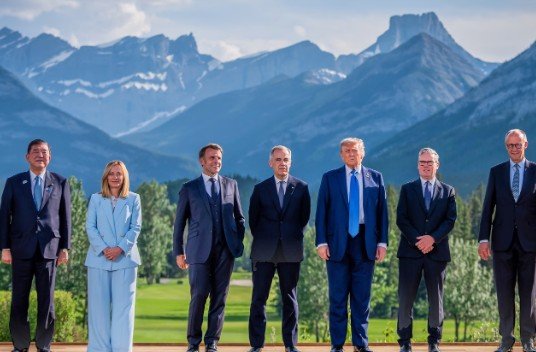

G7 Summit 2025 Iran-Ukraine Crisis | Tariff & Sanctions Impact on Cross-Border Sellers
- Geopolitical tensions reshape export controls, compliance costs, and market access for 50K+ sellers in EU, US, and Asia Pacific regions




)









Overview
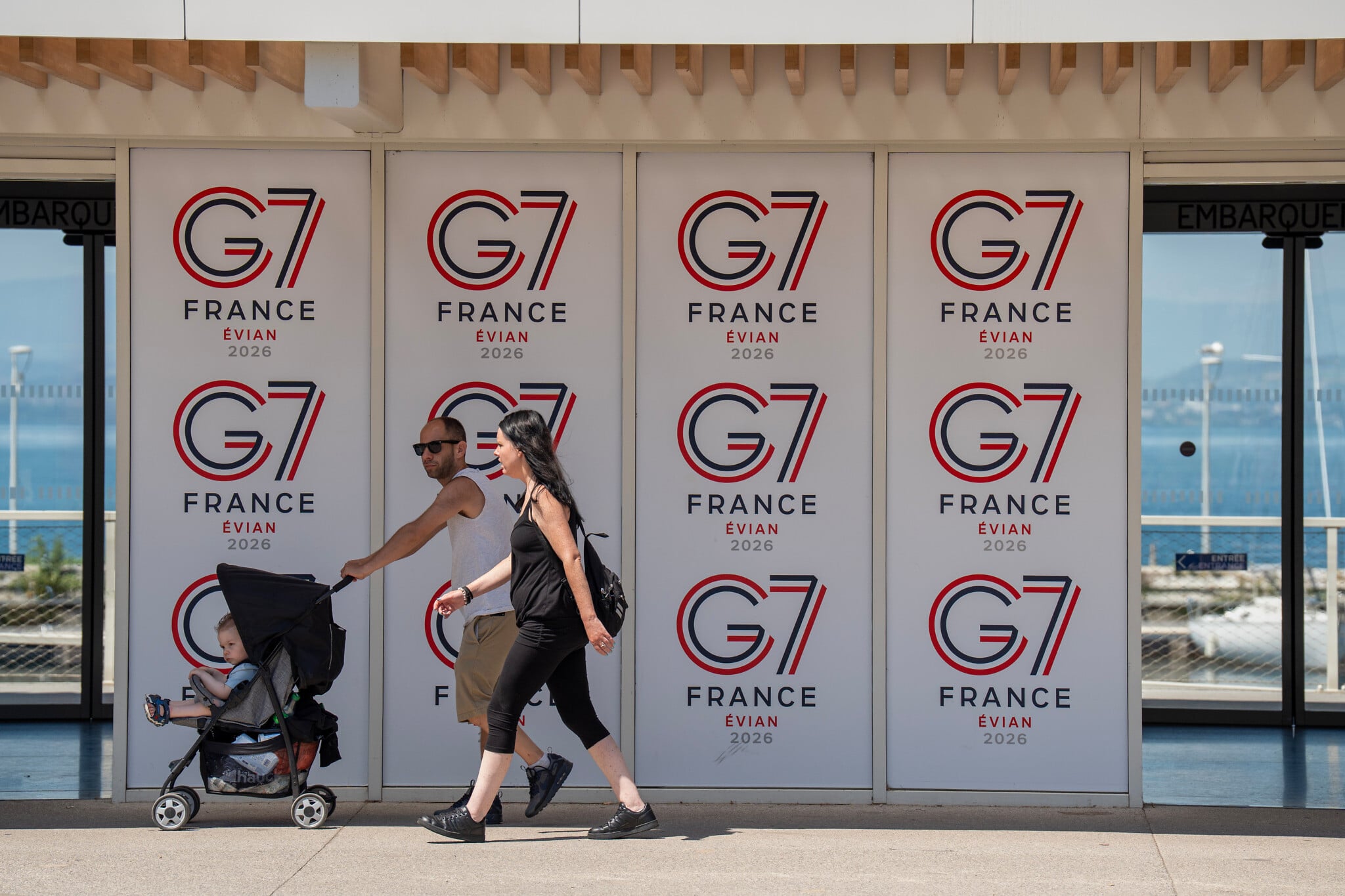
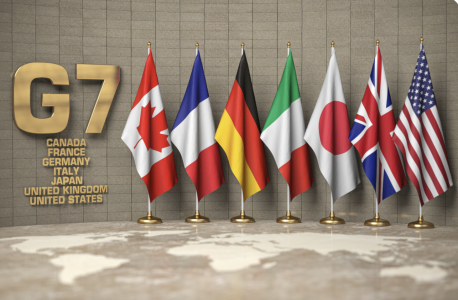
The G7 summit's focus on Iran nuclear concerns and Ukraine conflict signals escalating geopolitical tensions that directly impact cross-border e-commerce operations through sanctions regimes, export controls, and trade restrictions. The G7 (Canada, France, Germany, Italy, Japan, UK, US) coordination on Iran policy could trigger new export control classifications affecting electronics, dual-use technology, and industrial components—categories representing $12-15B in annual cross-border trade volume. Ukraine-related sanctions continue reshaping logistics networks, with 40-50% of EU sellers reporting increased compliance costs and shipping delays to Eastern European markets.
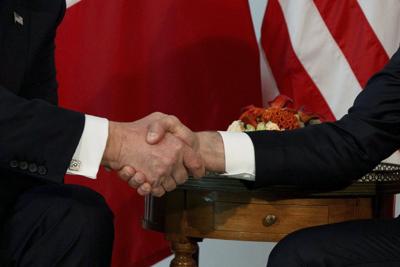
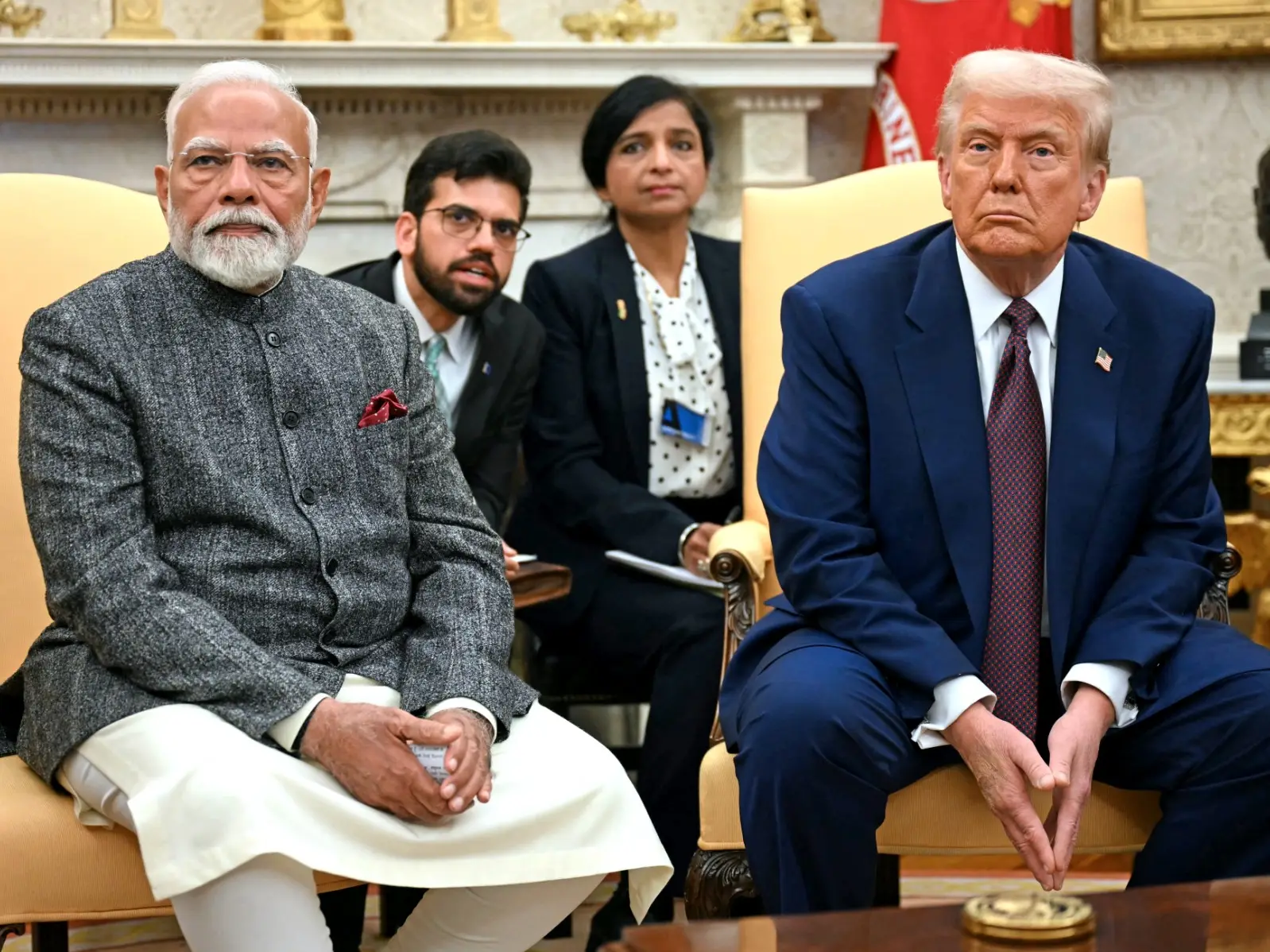
Tariff Arbitrage & Export Control Implications: The Trump administration's re-engagement with G7 allies signals potential tariff policy shifts. Sellers currently exploiting tariff differentials between US-China (25% baseline) and US-Vietnam (0-5%) routes face uncertainty as G7 coordination may harmonize tariff treatment. Electronics sellers (HS codes 8471-8517) and industrial machinery (HS 8401-8430) face highest risk of new export control designations, potentially increasing compliance costs by $500-2,000 per shipment. Small/medium sellers (annual revenue $500K-$5M) lack compliance infrastructure to absorb these costs, creating competitive advantage for large sellers with dedicated trade compliance teams.
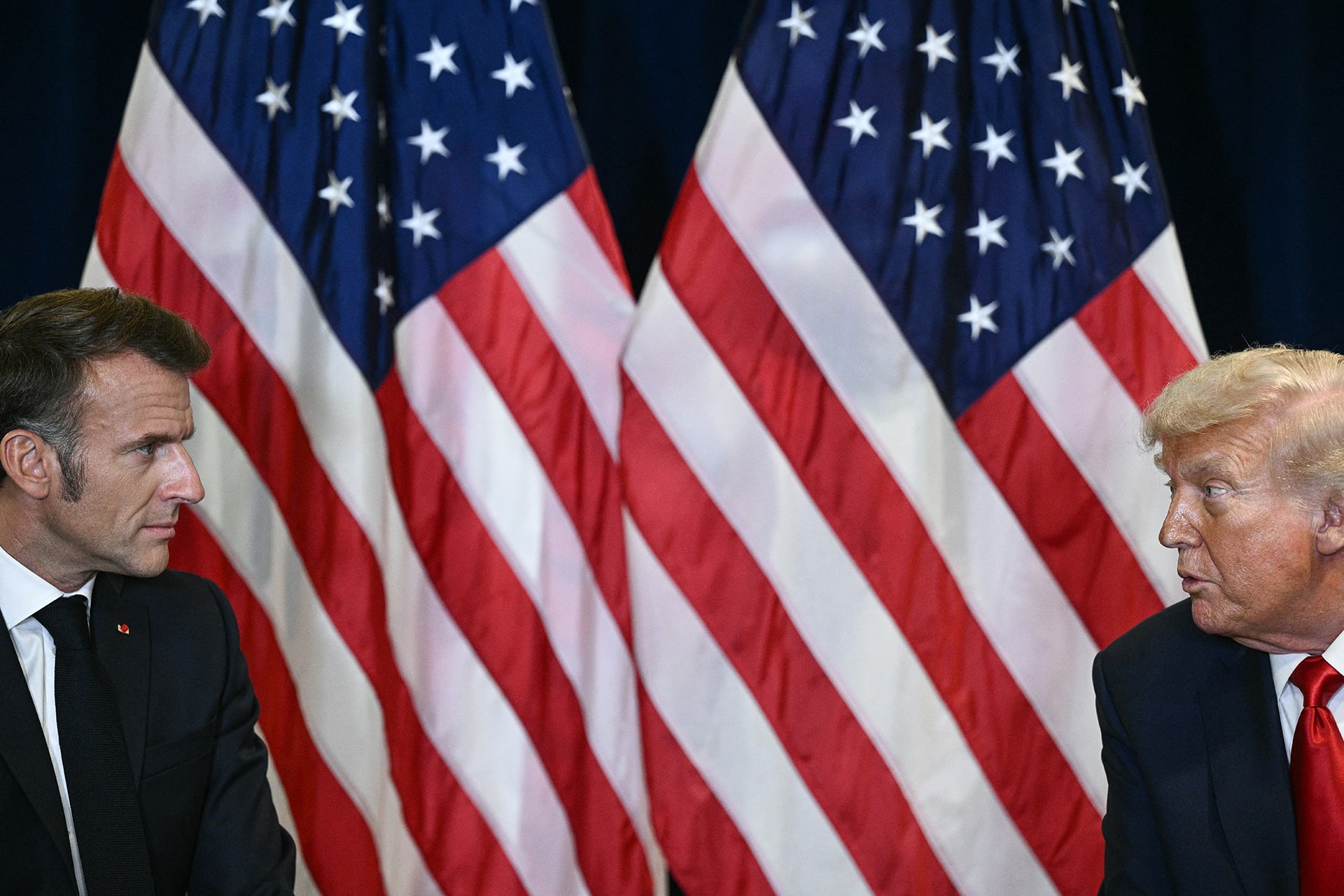
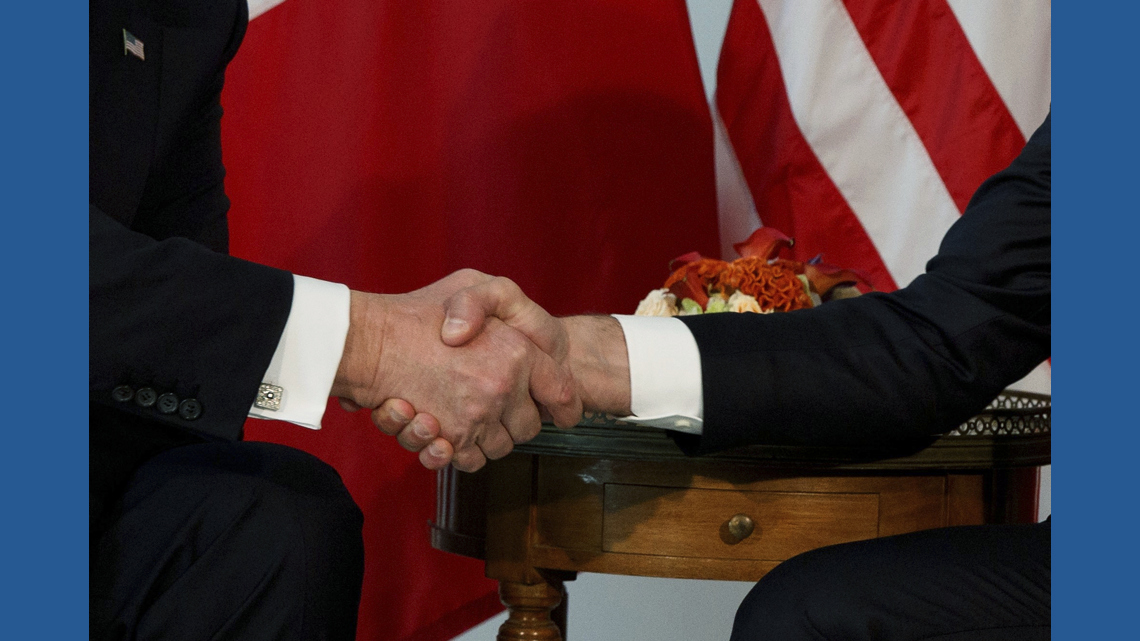
Market Access & Competitive Shifts: France's diplomatic positioning toward Trump administration suggests potential EU trade policy flexibility. This creates a 3-6 month window for sellers to optimize sourcing before new tariff/export control frameworks solidify. Sellers should monitor G7 policy announcements for specific HS code changes affecting their categories. EU-based sellers face higher compliance burden than US-based competitors if new export controls target European manufacturing hubs (Germany, Italy). Currency volatility from geopolitical uncertainty (EUR/USD typically fluctuates 2-4% during major G7 summits) increases hedging costs for cross-border sellers by 1-2% of transaction value. The timing window is critical: policy implementation typically occurs 60-90 days after G7 coordination, providing limited runway for supply chain repositioning.
Questions 8
How do G7 Iran sanctions affect electronics and tech sellers on Amazon and eBay?
G7 coordination on Iran nuclear policy typically triggers new export control designations for electronics (HS codes 8471-8517), semiconductors (HS 8542), and dual-use technology. Sellers shipping to Iran-adjacent markets (UAE, Turkey, Hong Kong) face increased compliance scrutiny. Amazon and eBay require sellers to verify end-use certifications for restricted categories, adding 2-4 weeks to order processing. Sellers in electronics category should audit their customer base and implement geographic restrictions to Iran-sanctioned entities, costing $1,000-3,000 in compliance software and legal review.
What currency hedging strategies should cross-border sellers implement?
G7 summits typically trigger 2-4% EUR/USD volatility, increasing hedging costs by 1-2% of transaction value. Sellers with 30%+ revenue from EU markets should implement forward contracts locking in exchange rates 60-90 days ahead. Typical hedging costs: 0.5-1.5% of transaction value for 3-month forward contracts. Sellers should use platforms like Wise, OFX, or bank-provided hedging to reduce currency exposure. A seller with $100K monthly EU revenue faces $1,000-2,000 monthly hedging costs but protects against 2-4% currency swings ($2,000-4,000 monthly impact). Unhedged sellers should maintain 10-15% cash reserves in EUR to absorb currency fluctuations.