



U.S. Space Force PTS-G Satellite Program Awards $437.7M | Defense Tech Supply Chain Expansion
- Military satellite communications modernization drives $4B program with commercial partnerships; Viasat stock surges 18.2% on $219M contract award; supply chain implications for aerospace/defense component suppliers






Overview
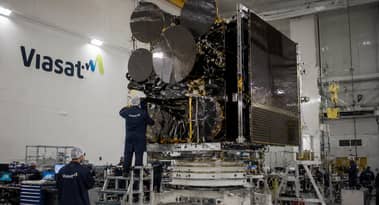
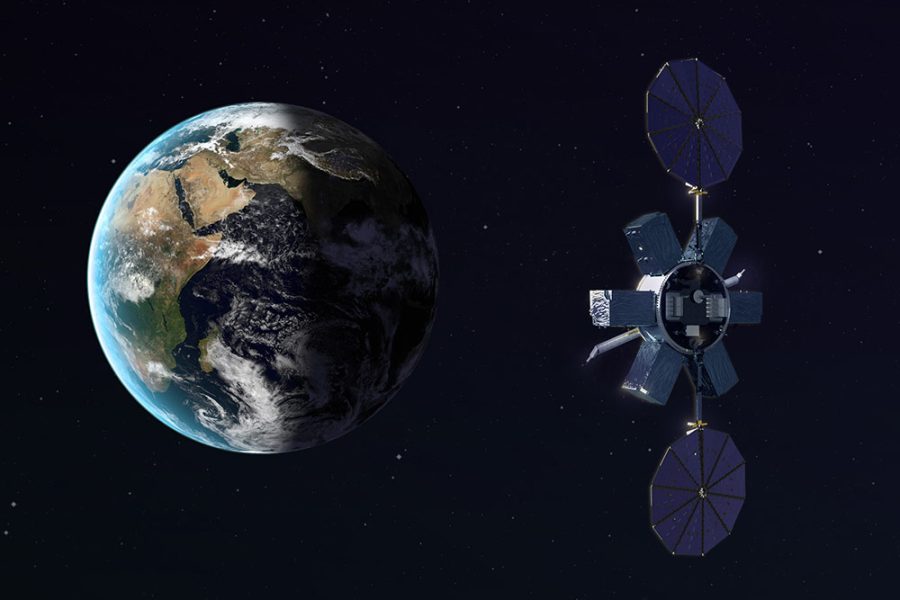
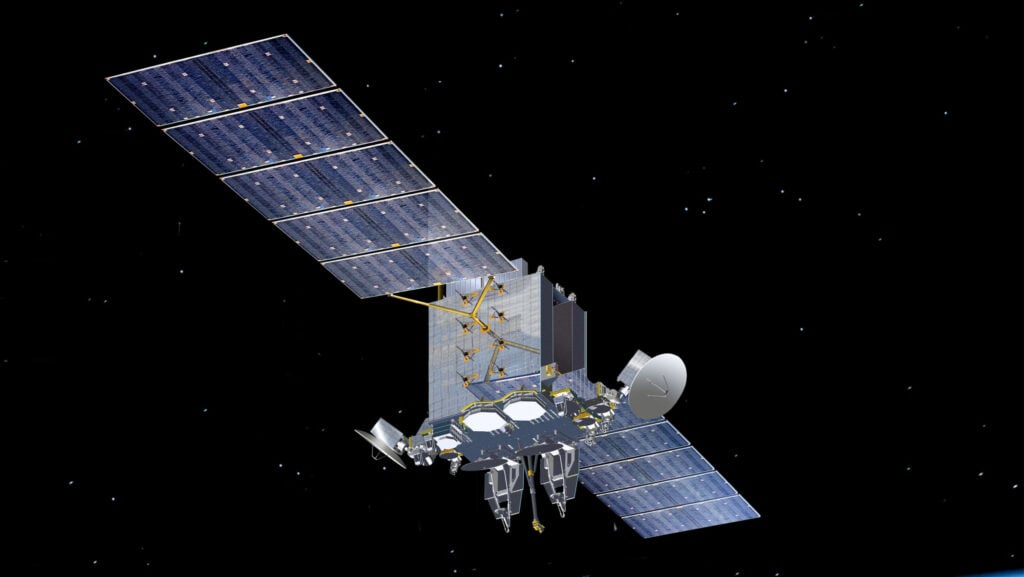
The U.S. Space Force's Protected Tactical SATCOM-Global (PTS-G) program represents a strategic modernization initiative with significant implications for the aerospace and defense supply chain ecosystem. The program awarded $437.7 million in combined contracts to Viasat Inc. and Intelsat General Communications in June 2026 for manufacturing the first operational satellites (Swarm-1), with operational deployment targeted for 2029. The broader program operates under a $4 billion indefinite-delivery, indefinite-quantity contract ceiling, with additional production orders planned beginning 2028. This represents a fundamental shift in U.S. military satellite procurement strategy: leveraging commercially derived satellite platforms in geostationary orbit rather than exclusively government-designed systems.
Supply Chain and Commercial Ecosystem Impact: The program demonstrates the Space Force's acquisition transformation strategy by partnering with commercial operators and component suppliers. K2 Space secured the satellite platform supplier role for SES's entry, while Rocket Lab expanded beyond launch services to supply the spacecraft bus for Viasat's satellite. Five companies—SES, Viasat, Astranis, Boeing, and Northrop Grumman—were initially selected for concept development with $37.5 million in task orders. This competitive structure creates cascading opportunities for specialized component manufacturers, subsystem integrators, and manufacturing service providers across the aerospace supply chain. The transponded architecture (where satellites act as relays rather than processing communications onboard) requires different technical capabilities than traditional systems, potentially opening new supplier categories for signal processing, RF components, and power systems.
Market Dynamics and Competitive Positioning: Viasat's stock surge of 18.2% on the contract announcement reflects market recognition of the program's scale and follow-on potential. The $219 million per-contractor award represents approximately 4.7% of Viasat's trailing-12-month revenue ($4.6 billion), with industry analysts noting that capturing 50% of future awards could represent nearly half a year's revenue. The Space Force's multi-contractor strategy—awarding to both Viasat and Intelsat rather than consolidating to a single provider—signals commitment to maintaining competition and redundancy in critical military communications. This approach creates sustained demand for component suppliers and manufacturing partners across multiple production cycles through 2028 and beyond. The program's focus on anti-jam capabilities and contested-environment resilience indicates sustained investment in advanced RF technology, encryption systems, and autonomous satellite operations—areas where specialized suppliers can differentiate.
Operational and Compliance Considerations: The five-year operational support component of the contracts (alongside manufacturing) creates recurring revenue opportunities for maintenance, logistics, and technical support providers. The program's emphasis on backward compatibility with legacy Tactical SATCOM systems and the Protected Tactical Waveform (PTW) encryption standard suggests long-term standardization around these technical specifications, benefiting suppliers who invest in PTW-compatible component development. The Space Systems Command's $15.6 billion annual space acquisition budget and the broader shift toward commercial-military partnerships indicate sustained government investment in space-based systems, creating a multi-year demand environment for specialized aerospace suppliers.
Questions 8
What supply chain risks should aerospace suppliers monitor regarding PTS-G?
Key risks include: (1) Uncertainty about future competition scope—Space Systems Command has not confirmed whether follow-on awards will remain limited to current winners or reopen to new suppliers; (2) Technical specification changes as the program evolves from concept development through production; (3) Geopolitical factors affecting international supply chains for critical components; (4) Potential delays in the 2029 deployment timeline affecting production schedules; (5) Consolidation among prime contractors potentially reducing subcontractor opportunities. Suppliers should monitor Space Systems Command announcements and maintain technical alignment with PTW standards and anti-jam requirements.
What role does the Space Systems Command play in PTS-G oversight?
Space Systems Command manages a $15.6 billion annual space acquisition budget and oversees the PTS-G program as part of its mission to deliver space capabilities ensuring U.S. space superiority. The command's acquisition transformation strategy emphasizes leveraging commercial innovation and competitive partnerships with industry leaders. Space Systems Command has not yet confirmed whether future competitions will remain limited to current winners or reopen to the broader vendor pool, creating uncertainty for new suppliers seeking entry. The command's emphasis on flexibility, competition, and cost reduction suggests openness to new suppliers who can demonstrate technical capabilities and manufacturing efficiency.